



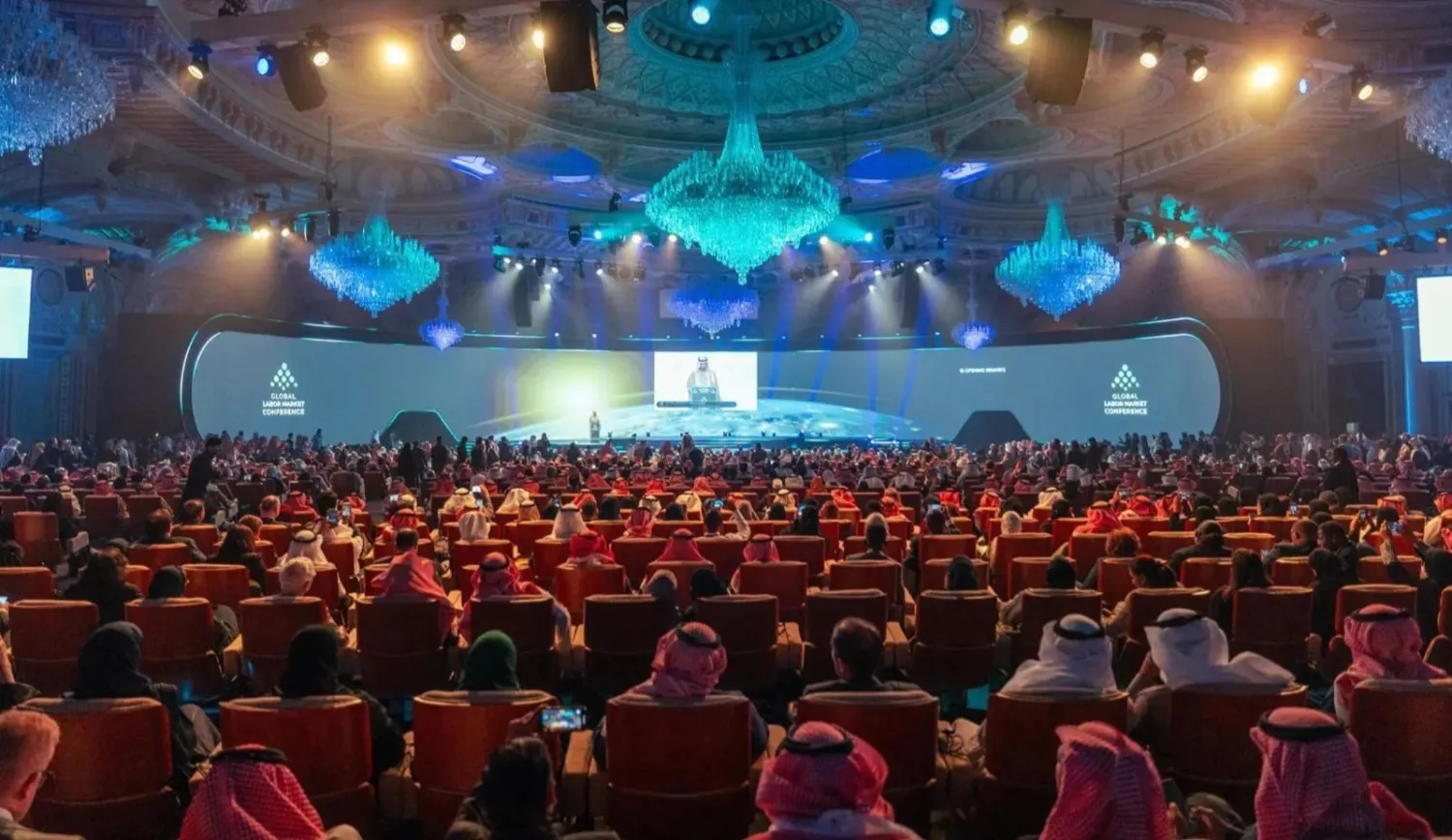

Saudi Arabia’s labor market is undergoing rapid transformation driven by reforms under Vision 2030, aimed at strengthening compliance, protecting wages, and improving the efficiency of the business environment. These efforts run in parallel with expanding the integration of recruitment into digital systems, advancing international partnerships to regulate labor mobility, and supporting workforce diversification, thereby reinforcing institutional trust and international cooperation in labor market governance.
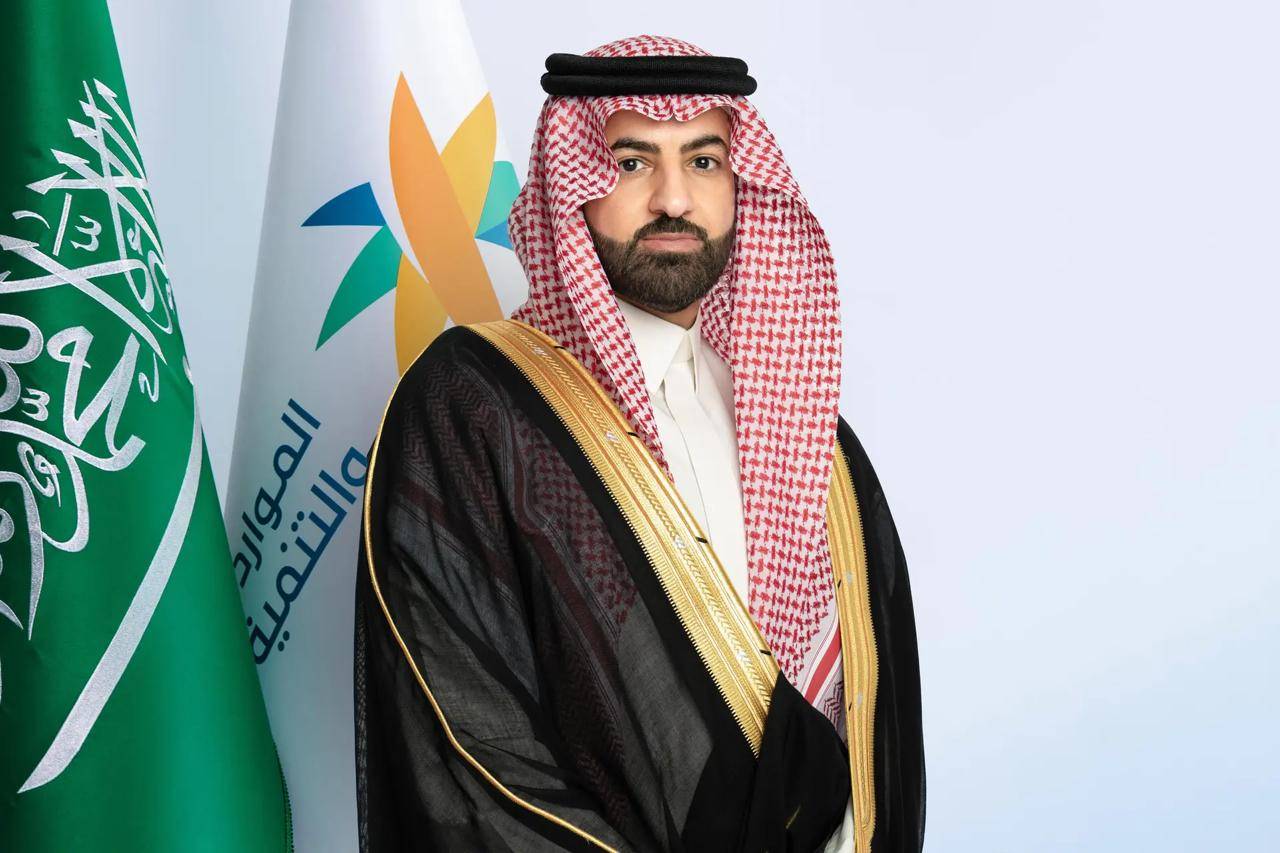
In this context, Dr. Tariq Al-Hamad, Deputy Minister for International Affairs at the Ministry of Human Resources and Social Development, told Asharq Al-Awsat that labor market reforms in the Kingdom have delivered tangible progress in modernizing regulations, enhancing worker protection, and creating a more dynamic and inclusive work environment. He noted that these transformations are no longer confined to the domestic level, but have expanded to include a more structured international dimension through bilateral agreements, including those signed with Nepal and Nigeria, which serve as governance tools to regulate labor mobility and strengthen worker protection.
Labor market shifts
Al-Hamad said the reforms have achieved measurable progress in updating regulatory frameworks, enhancing worker protection, and improving operational efficiency, with clear gains in participation, compliance, and productivity. He added that updates to labor mobility regulations since 2021 have enabled greater flexibility for workers to move between employers within regulatory frameworks aligned with international best practices. This shift was reinforced by the Contractual Relationship Improvement Initiative launched in March 2021, which marked a pivotal transformation in regulating job mobility.
At the institutional level, more than 11 million employment contracts have been documented via the Qiwa Platform, enhancing transparency and raising compliance levels in the private sector. He added that the implementation of a wage protection system has introduced preventive safeguards and strengthened trust between parties to employment contracts.
Strengthening worker protection
Alongside these changes, the worker protection framework has seen notable progress. Al-Hamad stated that more than 90 percent of private-sector establishments are compliant with the Wage Protection Program, ensuring accurate and timely salary payments.
He added that labor dispute resolution procedures have become faster, more efficient, and more transparent. The reforms have also driven greater inclusivity, with female labor force participation more than doubling between 2018 and 2024, one of the fastest growth rates globally. Meanwhile, around 2.48 million Saudis have joined private-sector jobs since 2020.
International cooperation
As reforms accelerate, they are no longer confined to the domestic level, increasing the need for a structured international framework to sustain them. Al-Hamad emphasized that organized international labor cooperation is a strategic priority, as it strengthens the Kingdom’s position as a partner committed to ethical recruitment, regulatory modernization, and shared responsibility. It also reinforces institutional trust and diplomatic cooperation in labor markets.
He explained that these agreements align cross-border labor mobility with modern regulatory standards, transparency requirements, and digital compliance systems. The expansion of such agreements, including those with Bangladesh, Nepal, and Nigeria, reflects a shift from traditional recruitment models toward long-term institutional partnerships between governments, providing more stable labor mobility channels and strengthening trust.
Governance enhancement
Reflecting this direction, Al-Hamad said agreements with Nepal and Nigeria regulate the full worker lifecycle, from recruitment licensing and contract documentation to wage transparency and dispute coordination and resolution mechanisms. He added that they enhance oversight of recruitment agencies, clarify contractual obligations, and establish institutional cooperation between governments to monitor compliance and resolve complaints efficiently.
He also noted that linking these agreements to digital infrastructure, such as the Qiwa platform and the Wage Protection Program, ensures that commitments are translated into enforceable mechanisms supported by real-time monitoring. This is complemented by joint oversight frameworks and regular information exchange, strengthening continuous supervision and accelerating the handling of labor cases.
Aligning skills with economic needs
As part of improving market efficiency, Al-Hamad stressed that aligning labor mobility with sectoral economic needs is a core pillar of the labor market strategy. Recent agreements are increasingly based on specific sector needs, ensuring recruitment is driven by actual demand rather than volume, particularly in sectors such as construction, tourism, logistics, healthcare, and advanced services.
He explained that the ministry relies on digital data through the Qiwa platform to continuously analyze market needs and identify skills gaps, allowing recruitment to be directed in line with economic requirements. Coordination with partner countries prior to worker arrival also helps verify skills, improve workforce readiness, and reduce skills gaps from the outset of employment.
He added that workforce planning is increasingly integrated with major national projects to ensure expatriate labor complements, rather than replaces, localization efforts. This is supported by programs such as Nitaqat, which incentivize the hiring of national talent across sectors.
International recognition of reforms
At the global level, these reforms have received growing recognition. Al-Hamad noted that the International Monetary Fund has pointed to tangible outcomes, including declining unemployment among Saudis, increased female participation in the labor market, and growth in private-sector employment.
He added that the “A Decade of Progress” report, developed in cooperation with the World Bank, highlighted structural transformations in the labor market.
The International Labour Organization has also commended the Kingdom’s role in developing labor policies and engaging in global dialogue, reflecting its growing status as a model in labor market reform, inclusivity, and economic flexibility.
Future priorities
Al-Hamad concluded that the next phase will focus on deepening international cooperation at both bilateral and multilateral levels by expanding labor agreements with new countries and strengthening partnerships with international organizations such as the International Labour Organization and the World Bank. These efforts aim to support knowledge transfer and policy development.
He added that the ministry is working to enhance collaboration with the private sector, academic institutions, and international stakeholders to keep pace with labor market transformations, with the goal of consolidating the Kingdom’s position as a trusted global partner in labor market development and delivering sustainable outcomes.


