
Since becoming involved politics in 1992, Hezbollah gradually evolved from a parliamentary player with limited influence into a central force in Lebanon’s governing equation. The group first engaged in legislative work and did not directly join governments until 2005, following the assassination of former Prime Minister Rafik Hariri and the withdrawal of Syrian troops from Lebanon.
Since then, Hezbollah has sought to impose its control and influence over successive governments, obstructing some and bringing down others after introducing the concepts of the “blocking third” and consensual decision-making, while it and its ally the Amal Movement monopolized the entire Shiite ministerial share to use as leverage to topple governments or prevent them from functioning.
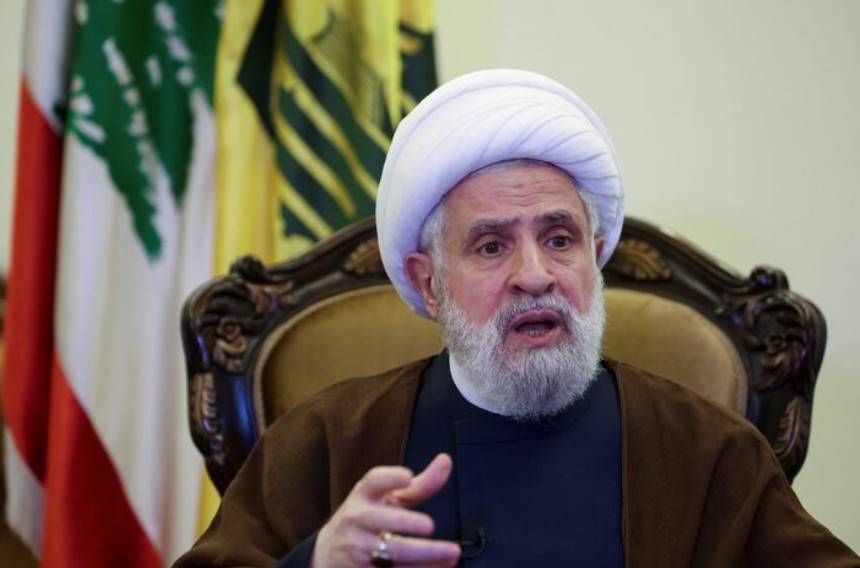
In this context, remarks by Hezbollah Secretary-General Sheikh Naim Qassem that “people have the right to take to the streets, bring down the government and bring down the US-Israeli project” did not come as a surprise to those who have closely followed Hezbollah’s conduct over the years in both the formation and collapse of governments. The same applies to comments by Hezbollah Political Council member and former minister Mahmoud Qamati, who said: “The president or anyone else, with a government majority, wants to target the resistance during this era. They should know that they are a passing side that comes and goes, while we are deeply rooted in this country.”
A Long Path of Pressuring Governments
Hezbollah’s first attempt to pressure the government in a bid to bring it down dates back to 2006, when it and the Amal Movement withdrew their ministers from the government of Prime Minister Fouad Siniora in protest against the vote in favor of establishing the international tribunal to prosecute Hariri’s killers.
The “Shiite duo” and the Free Patriotic Movement then organized a lengthy sit-in in downtown Beirut on the grounds that the government lacked sectarian legitimacy. Nevertheless, the cabinet continued functioning until May 2008, when Hezbollah launched a military move in Beirut and parts of Mount Lebanon in response to government decisions concerning its telecommunications network.
That escalation led Lebanese factions to convene in Qatar, resulting in what became known as the Doha Agreement, through which Hezbollah secured the “blocking third,” meaning that it and its allies obtained one-third of cabinet seats, enabling them to bring down the government.
That scenario materialized in 2011, when Hezbollah and its allies withdrew their ministers from the government of Prime Minister Saad Hariri, leading to its collapse.
Salam Government “Freed” From Hezbollah’s Grip
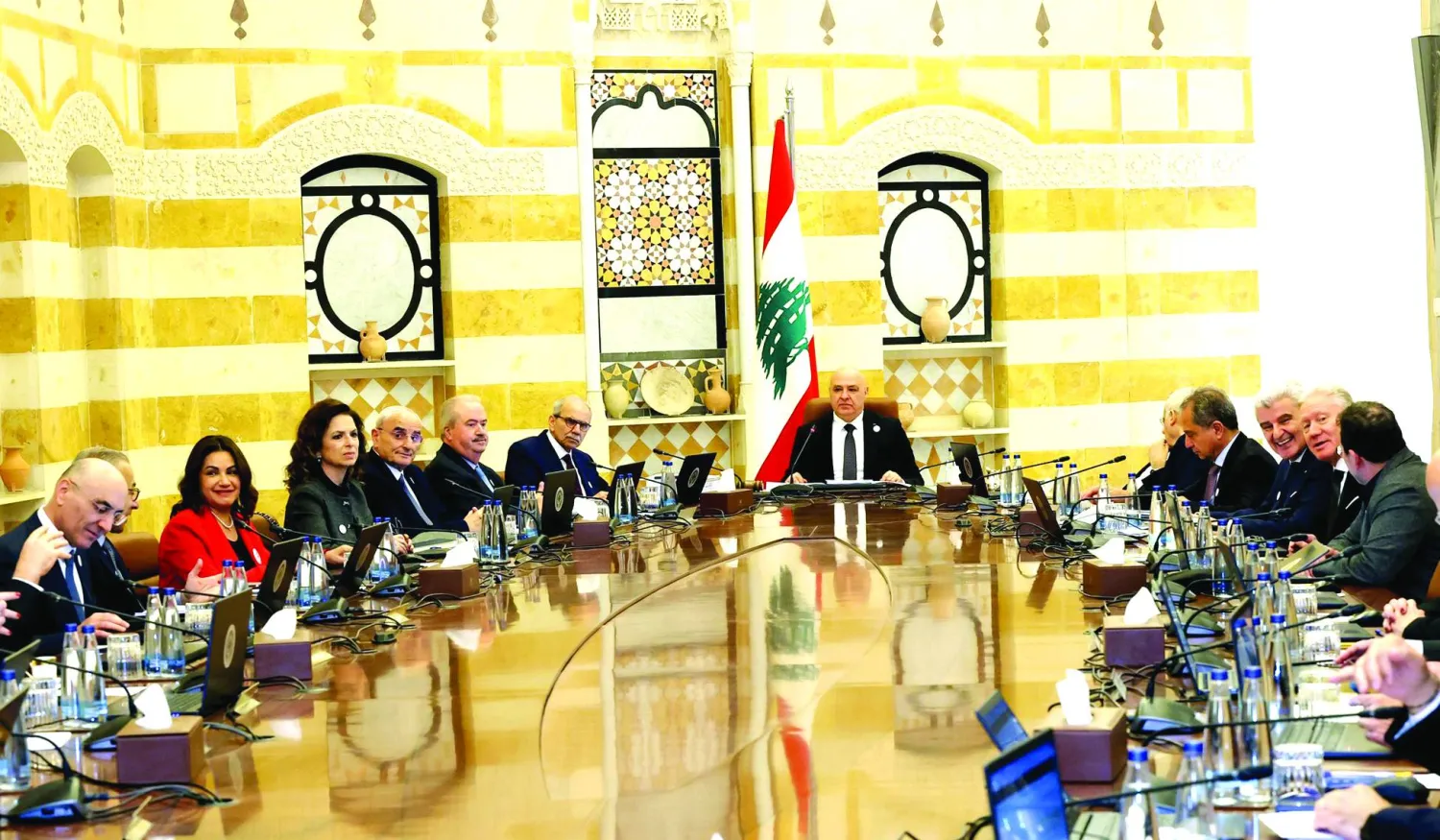
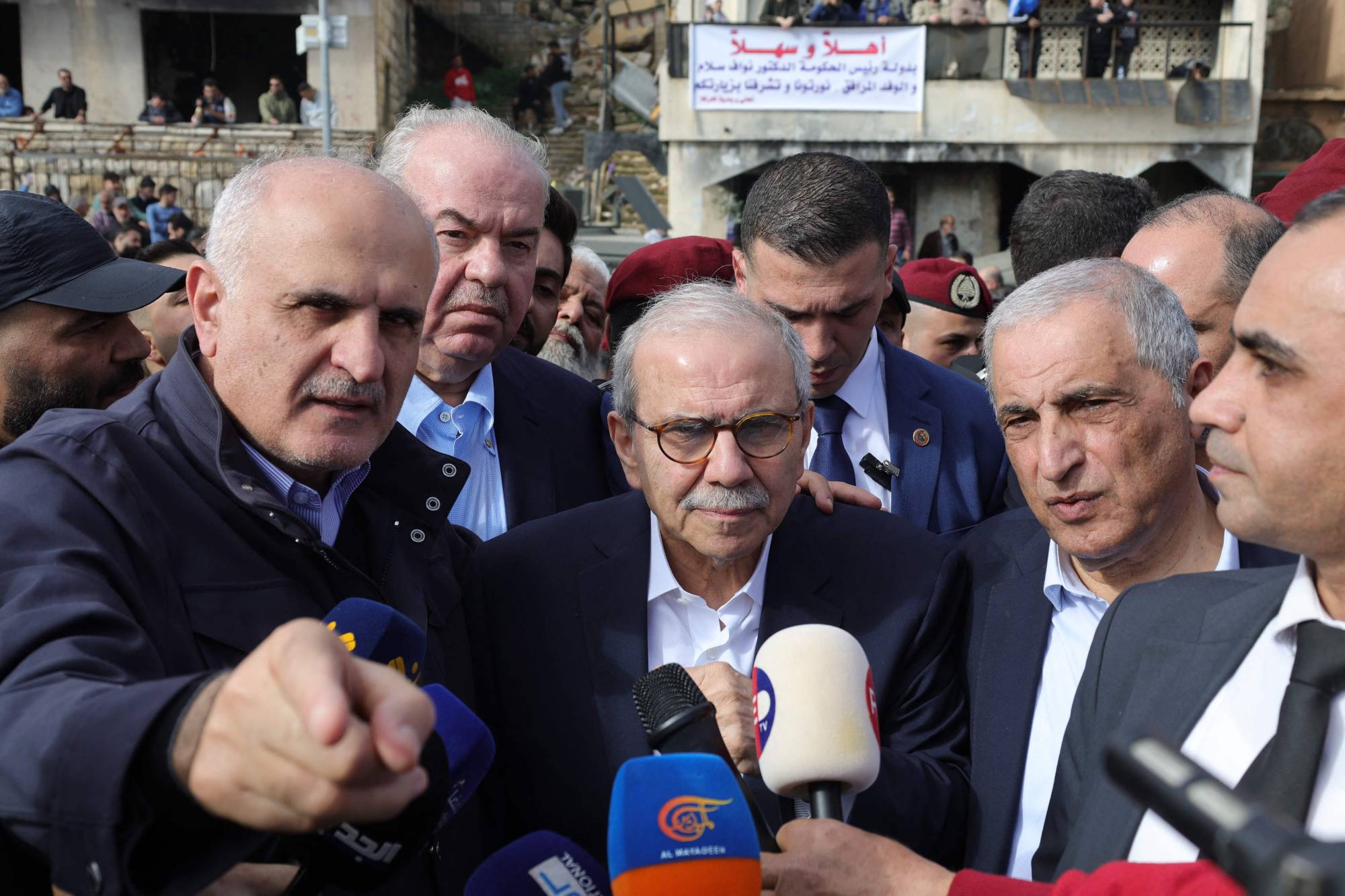
Subsequent governments were formed with Hezbollah and its allies holding the “blocking third,” allowing them to control the decisions and fate of successive cabinets. Six governments were formed from 2011 onward, culminating in the current government headed by Nawaf Salam, which is considered the first government since 2008 to break free from Hezbollah’s dominance through the “blocking third.”
As a result, Hezbollah failed to prevent the government from adopting decisions placing arms exclusively under state control, classifying its military wing as illegitimate, and passing other measures opposed and criticized by the group.
Ali al-Amin, political writer and editor-in-chief of the Janoubia website, said Hezbollah had, since the Doha Agreement, “sought to blackmail successive governments through the invention of concepts such as the ‘guaranteeing third,’ consensus, or legitimacy.”
Speaking to Asharq Al-Awsat, Amin said that “during the current phase, specifically under the present government, the equations have completely changed. The government was formed on different foundations reflecting the new political balance.”
He added that “even if Hezbollah believes bringing down the current government through street pressure is possible, it realizes that forming another government on its own terms is no longer feasible. Therefore, its current threats to topple the government amount to intimidation and rhetorical escalation, nothing more than an expression of the predicament the party is facing, reflected in Sheikh Naim Qassem’s contradictory rhetoric.”
He added that Parliament Speaker Nabih Berri is unlikely to support Hezbollah in such a move, meaning the group has virtually no chance of bringing down the government or changing the policies it is complaining about.