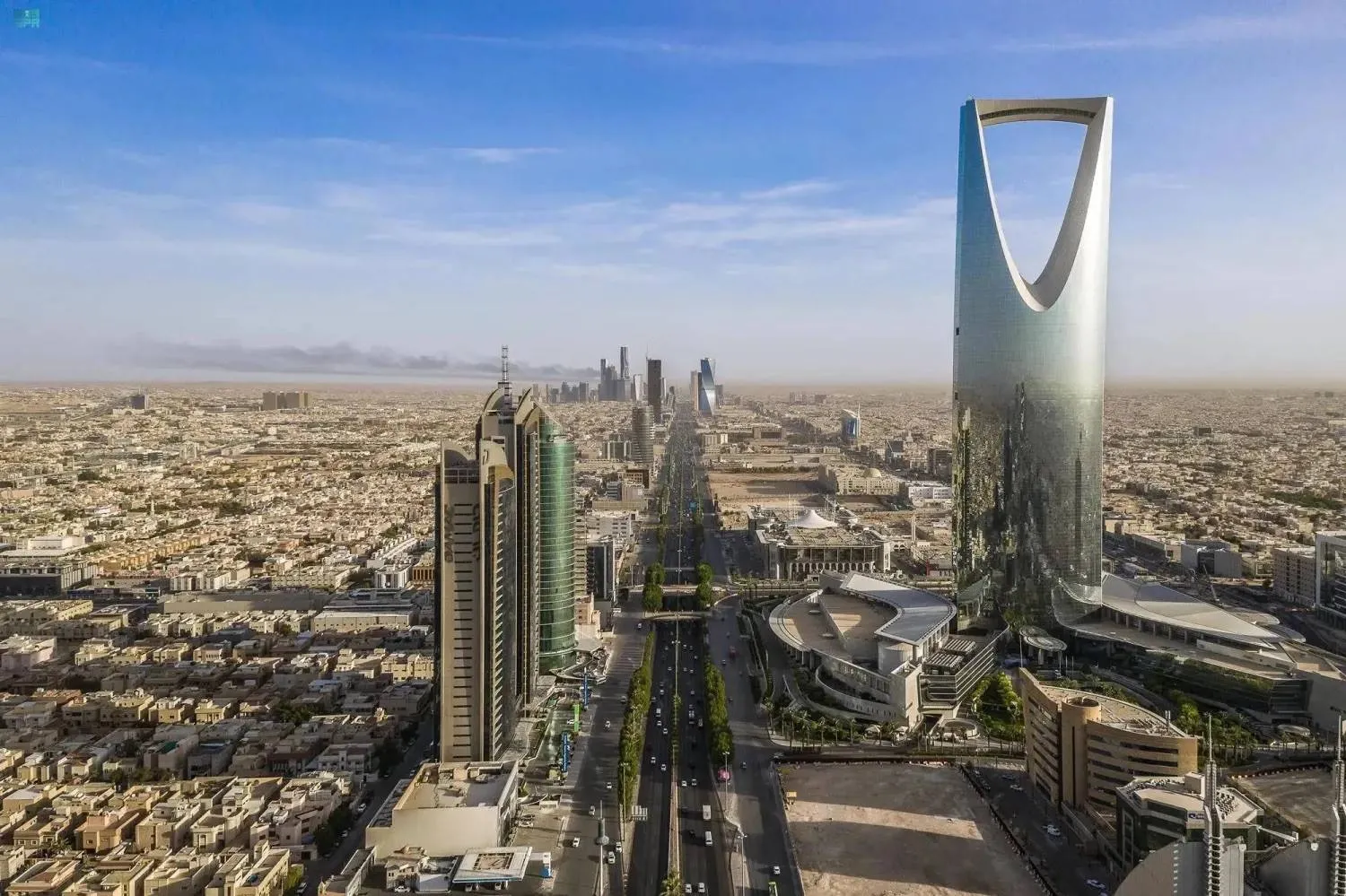

Saudi Arabia’s listed real estate companies posted combined net profit of more than $766 million (SAR 2.87 billion) in the first half of 2026, reflecting a resilient performance despite an 18% decline from the same period last year.
The results were supported by higher property sales, faster project execution and more diversified revenue streams. Fourteen companies reported net profits, while only three posted losses.
Experts and analysts see the market undergoing a regulatory and structural transformation centered on transparency, governance and increasingly differentiated business models, potentially paving the way for selective improvement among the most operationally and financially efficient companies in the second half.
Cenomi Centers led the sector with first-half profit of SAR 588.2 million, down 14.7% year on year. Al Akaria ranked second with about SAR 579 million, a 152.2% surge, while Dar Al Arkan placed third with SAR 498.97 million, up 11.4%.
In the second quarter, combined sector profit slipped just 0.49% to SAR 1.455 billion from SAR 1.462 billion a year earlier.
Project Deliveries
Khaled Almobid, CEO of Menassat Realty Co., told Asharq Al-Awsat that disparities in companies’ financial results were natural because the sector encompasses different business models. Some companies rely on development and sales, others on leasing and recurring income, while some are tied to major projects, specific seasons or destinations.
A company could therefore record a sharp profit increase following project deliveries, asset sales or improved margins, while another could see earnings decline despite maintaining strong operating activity, he explained.
Almobid noted that Al Akaria’s profit surge and Dar Al Arkan’s growth reflected some developers’ ability to capitalize on projects, sales and accumulated demand. Cenomi Centers’ lower earnings, meanwhile, did not necessarily signal weakness in the broader property market, with each company’s performance needing to be assessed according to its business model, revenue sources and financing structure.
Market Reshaping
According to Almobid, new regulations are reshaping the sector by raising professional and transparency standards and encouraging the development and productive use of assets rather than land hoarding.
Financing costs nevertheless remain a major factor because they affect project expenses and the ability of individuals and investors to buy property, influencing sales momentum and profit margins.
He expects selective earnings improvement over the next two quarters rather than uniform growth across the sector. The second quarter’s decline of less than 0.5%, compared with an almost 18% drop for the full first half, could be an early indication that the pace of deterioration is easing.
Companies best positioned to benefit will be those with projects nearing completion, land acquired at favorable costs, disciplined debt levels and strong operating cash flow. The second half could therefore prove stronger for some companies, although Almobid cautioned that it was too early to expect a broad, synchronized profit upcycle.
The next phase, he added, will increasingly differentiate companies: the winners will not necessarily be those with the largest property portfolios, but those most capable of converting their assets into sustainable cash flow and profits.
Regulatory Changes
Real estate expert and appraiser Ahmed Al-Faqih told Asharq Al-Awsat that quarterly and half-year results were more indicative of individual listed developers’ project deliveries and management performance than of the direction of the broader development market.
Sweeping regulatory and legislative changes, particularly governance requirements for developers, are affecting the market, but their impact is unlikely to be fully reflected in major developers’ earnings for about another 12 months.
While some new governance requirements have increased development costs, Al-Faqih noted that real estate balance measures have helped reduce one of developers’ biggest expenses: land. Partnerships with landowners have made this key component more accessible, significantly lowering actual costs.
He concluded that developers’ profitability ultimately depends largely on two factors: their ability to deliver and sell projects without delays, and effective management capable of avoiding major mistakes. Large-scale development projects and regulatory changes are also creating an increasingly competitive environment for Saudi real estate companies.