


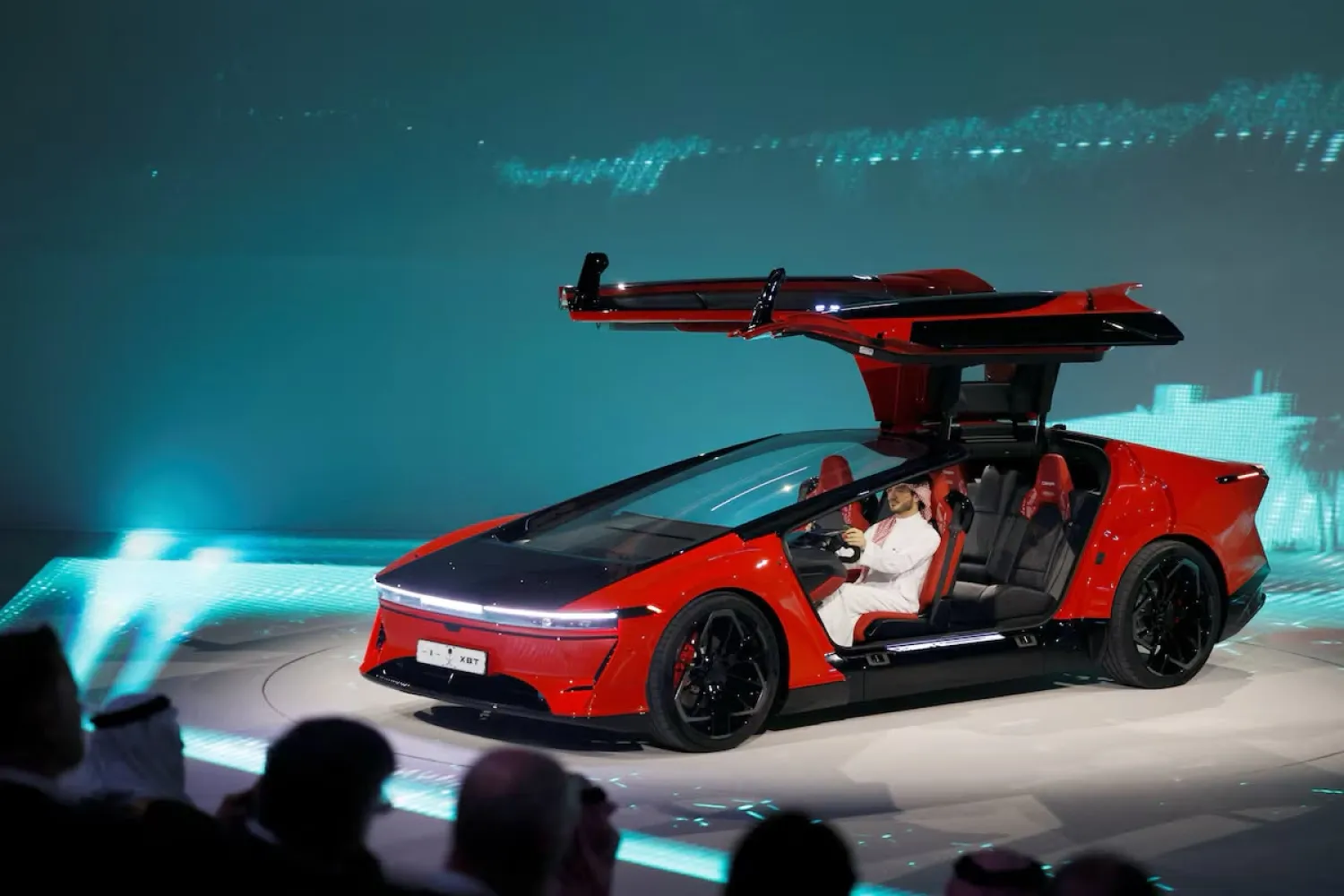

In King Abdullah Economic City (KAEC) on Saudi Arabia's Red Sea coast, a new industrial hub is taking shape with the goal of moving the Kingdom's automotive sector beyond simply attracting global manufacturers toward building an integrated ecosystem encompassing vehicle production, component manufacturing, logistics services, and workforce development.
The King Salman Automotive Cluster brings together domestic and international companies, including Ceer, Lucid, and Hyundai Middle East Engine Manufacturing, alongside projects aimed at localizing the production of automotive components and establishing specialized training facilities.
The cluster is designed to support economic diversification and deepen local content, leveraging KAEC's industrial and logistics infrastructure and its proximity to King Abdullah Port.
According to data from KAEC, the cluster's ecosystem is expected to contribute more than SAR 92 billion ($24.5 billion) to Saudi Arabia's non-oil GDP by 2035. It is also projected to create direct and indirect employment opportunities and boost Saudi exports to regional and global markets.
The area designated for automotive manufacturing activities within KAEC's Special Economic Zone was officially named the King Salman Automotive Cluster in February 2025 under directives from Saudi Crown Prince and Prime Minister Prince Mohammed bin Salman.
The cluster is intended to serve as a hub for local and international companies operating in vehicle manufacturing and sustainable mobility solutions, with a focus on enhancing manufacturing capabilities, research and development, supply chain efficiency, and connectivity to regional and international markets.
From Vehicle Assembly to a Local Value Chain
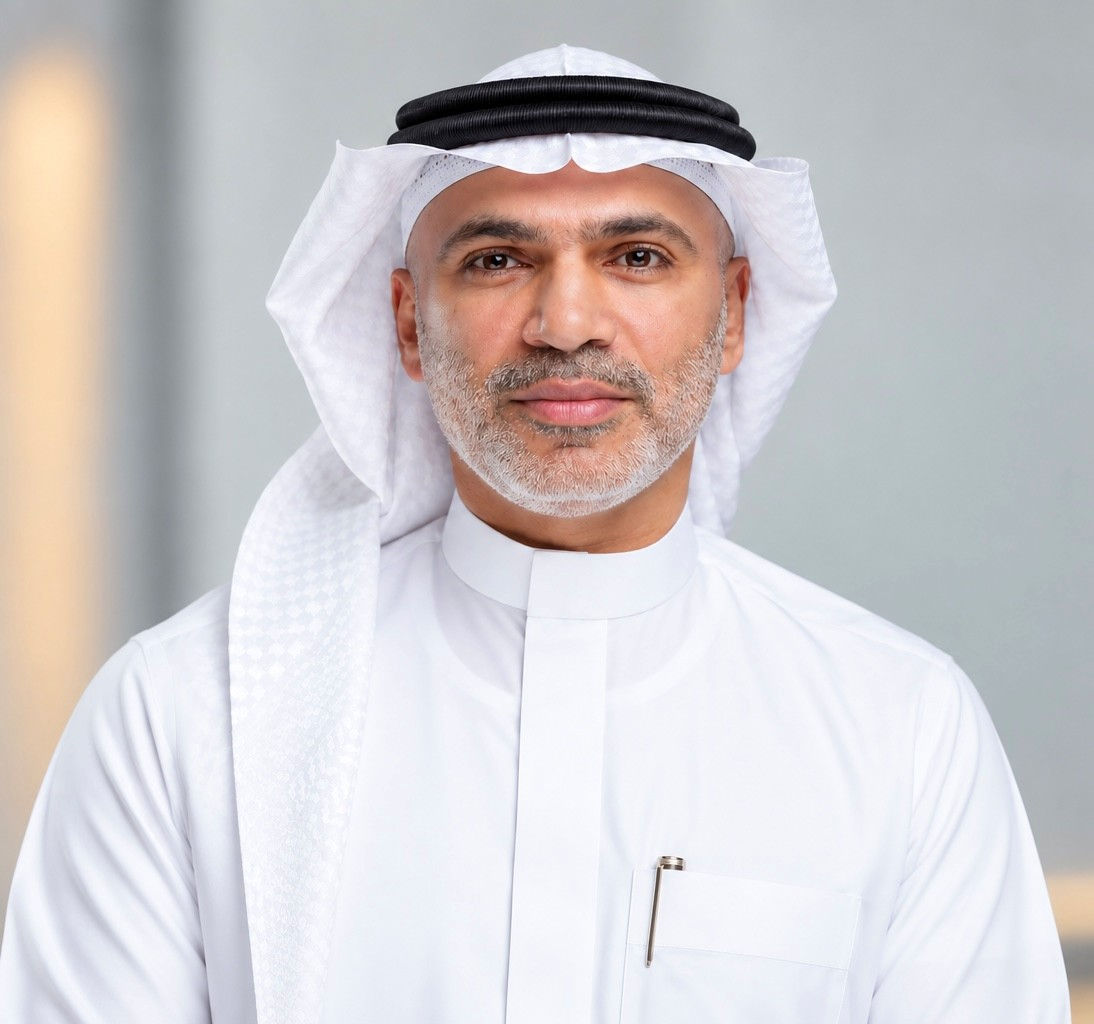
Majed Abdullah Matbouly, Chief Operating Officer of King Abdullah Economic City, told Asharq Al-Awsat that the cluster represents a strategic pillar in Saudi Arabia's economic transformation by bringing together industrial investments, global expertise, and national capabilities within a single ecosystem.
He said the project's significance extends beyond attracting automakers to creating stronger links among vehicle manufacturers, component suppliers, and training institutions, thereby expanding local supply networks, facilitating knowledge transfer, and generating new partnership opportunities for the private sector.
Matbouly added that the presence of global manufacturers alongside Saudi brands fosters the accumulation of industrial expertise and the development of local talent, enabling Saudi Arabia to capitalize on global transformations in the automotive industry and advance the goals of Vision 2030 related to economic diversification and non-oil sector development.
This vision is supported by KAEC's integrated industrial and logistics infrastructure, which includes the Industrial Valley, the Special Economic Zone, and direct access to King Abdullah Port, providing manufacturers and suppliers with efficient gateways to domestic and international markets.
The cluster's development aligns with the Public Investment Fund's (PIF) strategy to expand investments in the automotive and transportation sectors through partnerships with private industry and through joint ventures with international manufacturers.
The project also supports the goals of the National Industrial Development and Logistics Program (NIDLP) as well as Saudi Arabia's national industrial, transport, and logistics strategies.
Ceer and Lucid Lead Vehicle Production
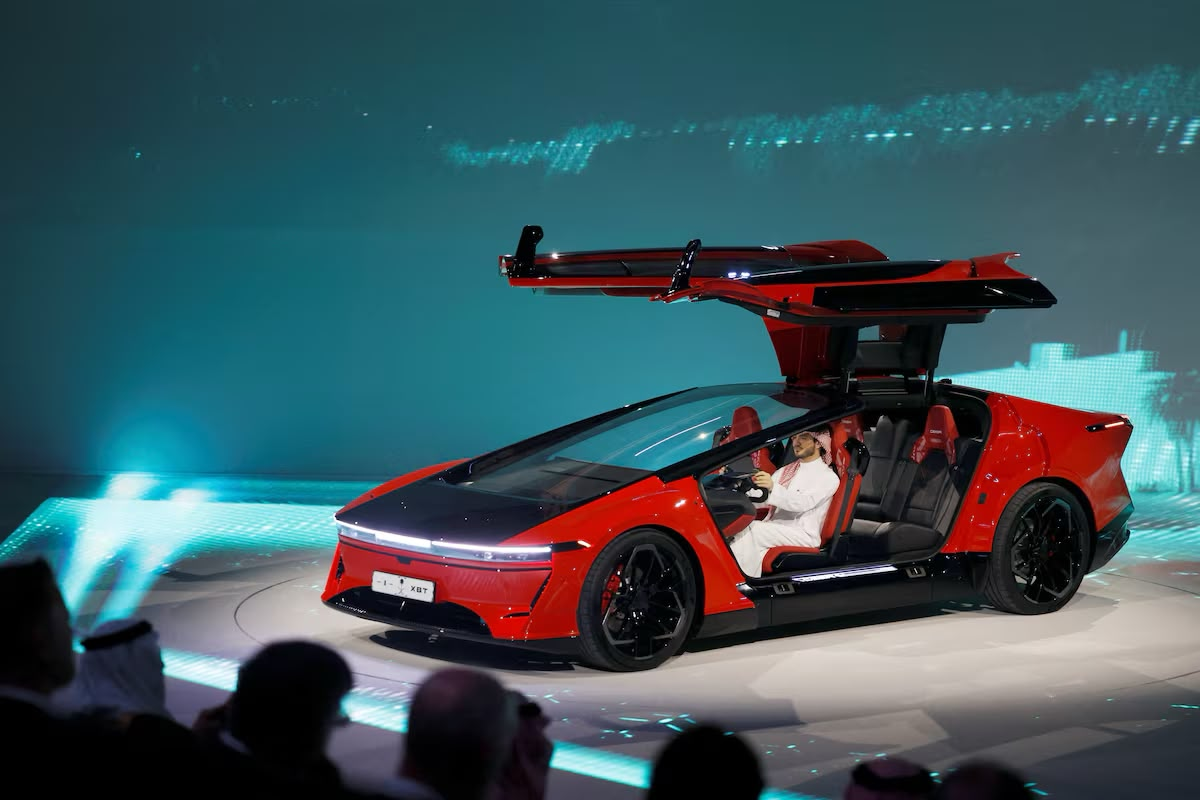
Ceer, Saudi Arabia's first electric vehicle brand, is among the flagship projects within the cluster. The company was established through a partnership between the Public Investment Fund and Foxconn, utilizing technologies and components licensed from BMW.
In 2024, Ceer awarded contracts for the construction of its manufacturing complex in KAEC and plans to produce seven vehicle models across sedan and SUV categories by 2030.
The company is part of a broader effort to build domestic capabilities in electric vehicle manufacturing and develop a localized ecosystem encompassing production, suppliers, and related services.
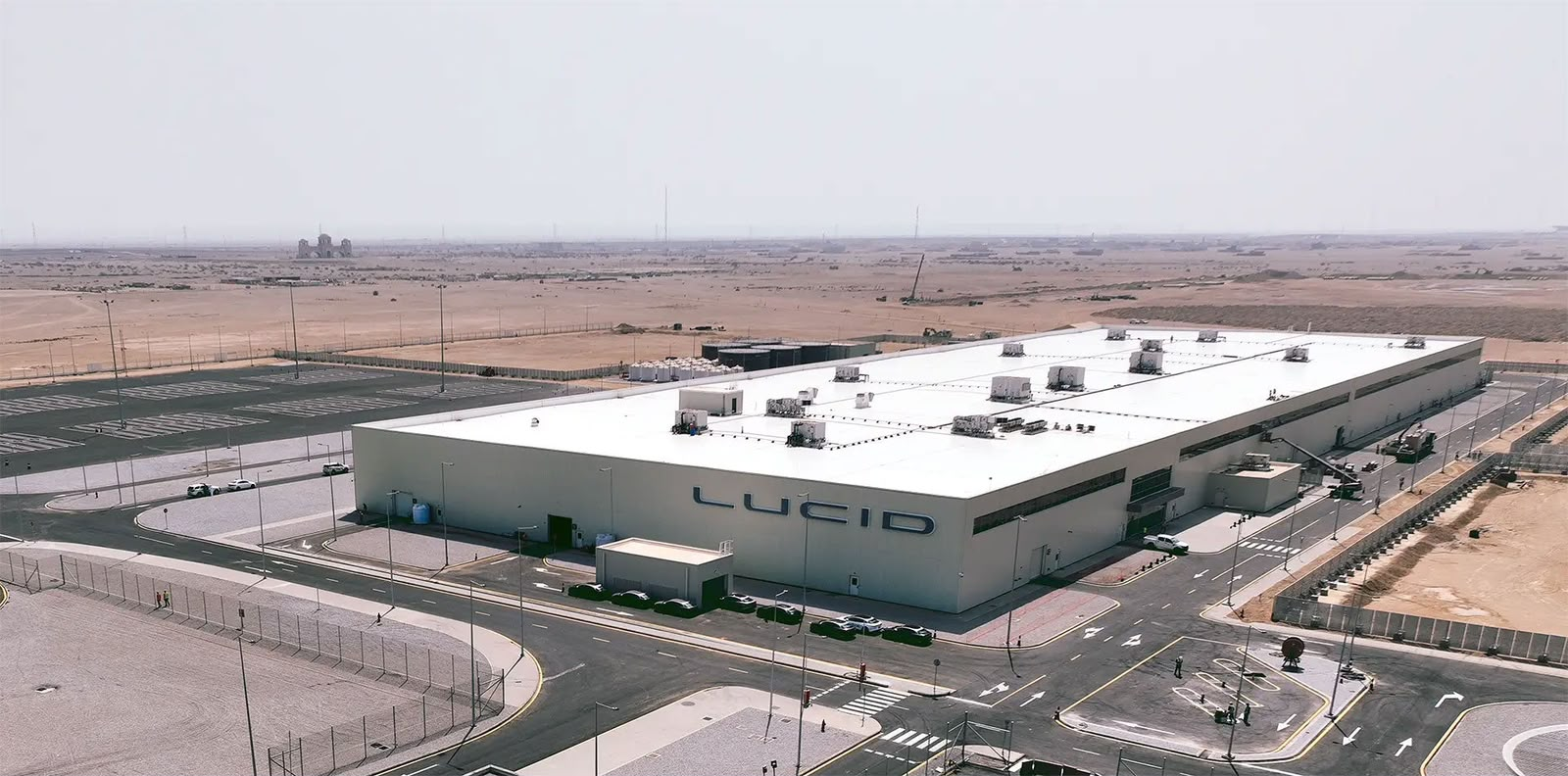
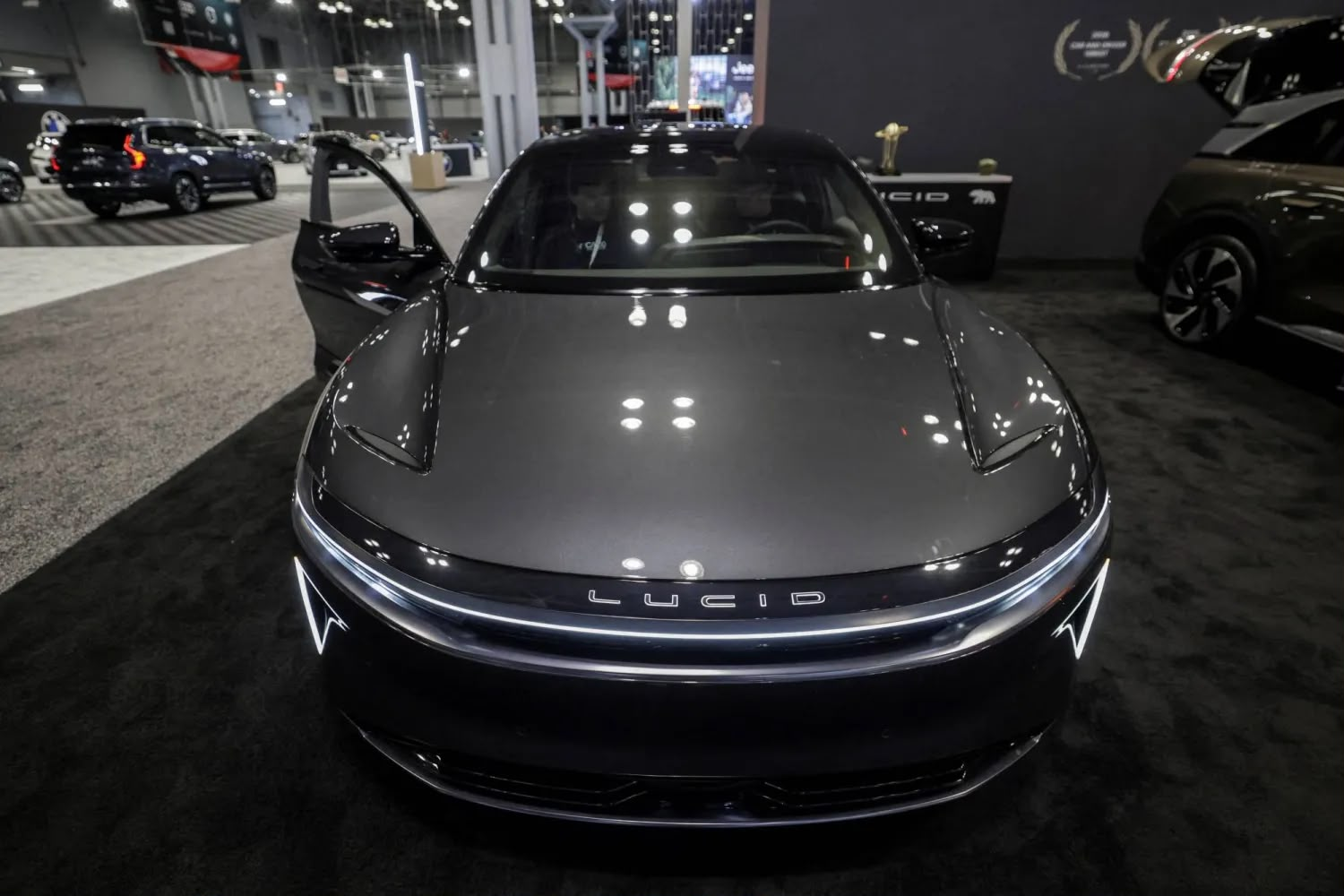
Similarly, KAEC hosts Lucid Motors' first factory outside the United States, which opened in September 2023. The facility produced the first vehicle bearing the label "Made in Saudi Arabia," while the company is developing a second production facility aimed at manufacturing fully built vehicles by 2027.
Together, these projects form part of Saudi Arabia's efforts to establish domestic production capacity while facilitating the localization of expertise and technologies associated with electric vehicle manufacturing.
Hyundai Joins the Regional Manufacturing Ecosystem
The cluster also includes the Hyundai Middle East Engine Manufacturing project. Construction began in May 2025 as part of Hyundai's plans to establish a regional industrial base.
The company plans to recruit and train Saudi talent throughout 2026, linking manufacturing expansion with workforce development. The project is expected to create thousands of jobs while transferring manufacturing expertise and technology to Saudi workers.
Additional initiatives include an agreement between the Public Investment Fund and Pirelli to establish a tire manufacturing plant in Saudi Arabia, supporting diversification within the automotive sector and strengthening local component production capabilities.
These projects broaden the industrial base beyond vehicle assembly, fostering a network of local suppliers capable of serving manufacturers and increasing participation in global supply chains.
73% of Masarat Industrial Land Leased
On the supply-chain front, the Masarat Mobility Park is a key initiative designed to attract automotive suppliers, mobility companies, and related service providers.
Project data show that 73 percent of its industrial land has already been leased, while infrastructure design and development of planned ready-built facilities continue.
Six factories for Tier-1 global automotive suppliers are being developed within the park. Five are located within the Tasaru supplier accelerator center, operated by Tasaru Mobility Investments, while the sixth is FPI Gulf, a joint venture between Thailand's FPI Company and Saudi Arabia's Fuel Autoparts.
Once operational, these facilities are expected to manufacture and distribute automotive components to local and international manufacturers, expanding domestic production capacity and creating additional partnership opportunities between international investors and Saudi firms.
Supplier development is considered essential for building an integrated industrial ecosystem. Locating suppliers close to vehicle production facilities reduces logistical distances, strengthens domestic manufacturing capabilities, and increases Saudi firms' participation in global value chains.
Training to Meet Industry Demand
The cluster's development extends beyond infrastructure and investment to workforce preparation.
The National Automotive and Vehicles Academy (NAVA), established in 2024, is tasked with training technicians to support the sector's growth. According to project data, the academy has trained more than 1,200 technicians and delivered over 90,000 training days during its first two years.
The initiative seeks to equip the industry with the technical skills it requires while promoting knowledge transfer and the localization of industrial capabilities, particularly in electric vehicles and advanced manufacturing technologies.
Investment in training is being pursued in parallel with efforts to attract manufacturers and suppliers, ensuring that production expansion is matched by the availability of skilled personnel capable of operating, improving, and enhancing the competitiveness of manufacturing facilities.
Port and Logistics Infrastructure Support Expansion
The growth of the King Salman Automotive Cluster is closely tied to KAEC's broader advantages, including industrial infrastructure, logistics services, residential communities, educational institutions, and support services.
Matbouly noted that the city's position on the Red Sea and its direct connection to King Abdullah Port give manufacturers efficient access to regional and global markets. The availability of integrated services also helps attract suppliers and specialized service providers.
KAEC additionally benefits from its proximity to Jeddah, Makkah, and Madinah, as well as connections to major highway networks, the Haramain High-Speed Railway, and King Abdulaziz International Airport, all of which facilitate the movement of people, goods, and skilled workers.
As vehicle and component manufacturing projects advance, supplier networks expand, and technical training programs mature, the cluster's ability to deliver lasting economic impact will depend on how effectively these elements are integrated into a sustainable domestic production ecosystem.
Expanding the supplier base and strengthening Saudi talent remain key factors in increasing local content and cementing the Kingdom's position within the global automotive value chain.


