


A Century on, Hemingway’s Prose Lures Revelers to Spain’s Pamplona 

Txistu musicians play traditional music as they wade through a crowd of thousands of revelers after the opening of Sanfermines in Pamplona, Spain, July 6, 2023. (Reuters)
TT

A Century on, Hemingway’s Prose Lures Revelers to Spain’s Pamplona 

Txistu musicians play traditional music as they wade through a crowd of thousands of revelers after the opening of Sanfermines in Pamplona, Spain, July 6, 2023. (Reuters)

The bell tolls - eight chimes. A fuse is lit and a rocket takes off. The pen doors open and out burst 12 behemoths - six bulls and six steers - working their pace up to a gallop, hooves thundering on the cobbled streets.

On cue, throngs of white-clad runners begin to sprint. They glance back, ready to dodge the charging beasts' piked horns with balletic moves defying a gory demise. Enraptured onlookers cheer on from balconies above.

It's the feast of St Fermin, the famed bull-running festival that engulfs downtown Pamplona every July when revelers from around the globe descend upon the northern Spanish city for nine days of adrenaline.

Some are drawn to the Sanfermines - as the festival is popularly known - by the timeless prose of one of the grandees of 20th-century American literature.

Ernest Hemingway (1899-1961) became besotted with the Sanfermines on his first visit, exactly 100 years ago. The bull-running, the bullfighting local experts - and the hedonistic partying - captivated him so deeply that he returned eight times between 1924 and 1959.

In 1926, he set his debut novel "The Sun Also Rises" partly in Pamplona. Based on his experiences there and among the American and British expat community in Paris, Hemingway quickly established himself with the book as the voice of what became known as the post-World War One "Lost Generation."

In the book, the narrator - Hemingway's alter-ego - chronicles a tale of excess, of constant and in some ways desperate carousing broken only by trips to the bullring to watch the bloody encounters.

"I can't stand it to think my life is going so fast and I'm not really living it," says one character in a famous exchange.

"Nobody ever lives their life all the way up except bull-fighters," replies the narrator.

Bill Hillmann, an English professor from Chicago and expert bull-runner, first read "The Sun Also Rises" while in college when he was 20. When the now 41-year-old turned the last page, he knew two things: He wanted to become a writer, and he would run in front of Pamplona's bulls someday.

Hillmann's first run was in 2005. He's been a fixture ever since.

"I got here and I was just blown away by it. It was everything in the book but times ten, you know. It was bigger. It was wilder. It was crazier," he says.

Over the years, he became friends with Hemingway's grandson John and great-grandson Michael. Being gored twice, in 2014 and 2017, hasn't dampened his enthusiasm.

"I've basically been kind of following Hemingway's ghost around, you know, and I'm a little bit haunted by him," Hillmann says.

For Cheryl Mountcastle, 69, her first encounter with "The Sun Also Rises" was at her New Orleans high school. For the past 24 years, she has rented the same apartment in Pamplona for the festival with her family. She says the novel's emphasis on drinking omits another side of the festival - such as sharing food and dancing in the street.

Leontxi Arrieta is one of the few remaining Pamplonians who met Hemingway in the flesh. The 91-year-old tells Reuters her family hosted the writer and his fourth wife, Mary Welsh, in their last visit to Sanfermines in 1959, two years before his death.

What has changed and what hasn’t

There's a recurring debate among Pamplona's residents: Is the city's overcrowding during Sanfermines Hemingway's fault? Did he misrepresent its essence in his writings? Has it been a victim of the novel's success?

Last year, 1.7 million people attended, leaving 1,200 tons of broken glass and assorted waste behind. A coveted spot on a balcony with a prime view of the bull-running can easily fetch 200 euros ($220) per person.

Pamplona native Miguel Izu, 63, who among several books on Sanfermines has penned one about the festival's links to Hemingway, believes the novelist's influence on its popularity has been exaggerated.

"It's true that he's contributed to making Sanfermines famous and bringing people here, but before Hemingway, tourists were already coming, especially from France," Izu explains.

Hemingway was unknown during his 1923 trip, he says, and only became a world-renowned figure after earning the Nobel Prize in 1954.

Izu acknowledges the city was still exploiting Hemingway's image to promote itself, "either deliberately or unconsciously". But the reverse also applies: "We made him into a sort of Sanfermines icon - you can't talk about them without mentioning Hemingway."

But not every foreigner at the festival has been lured by the author, especially since the rise of social media. Australian William Kappal, 23, and his friends were instead attracted by YouTube videos showcasing the exhilarating danger of the bull-running coupled with plenty of roistering.

Asked if they had ever heard of Hemingway, Kappal chuckles.

"Nah. Should we look him up?"

Many things have changed since 1923 - the familiar white outfits decked with red scarves and waistbands worn by runners, for instance, only came into fashion after 1931 - and northern Spain has transitioned from an agrarian to an industrialized society. But the essence of the festival remains, Izu says.

Cafes featured in the book such as the Iruña still welcome revelers. Visitors still party, and pray, and seek a space in the crowded streets to get a view of the bulls without risk of being gored by those devilish horns.

Says Izu: "I think that if (Hemingway) came back to life ... he would look around and say: 'Some things are strange, but well, it's basically the same old Sanfermines.'"
Saudi Arabia: Ship of Tolerance Initiative Promotes Cultural Dialogue in Jeddah

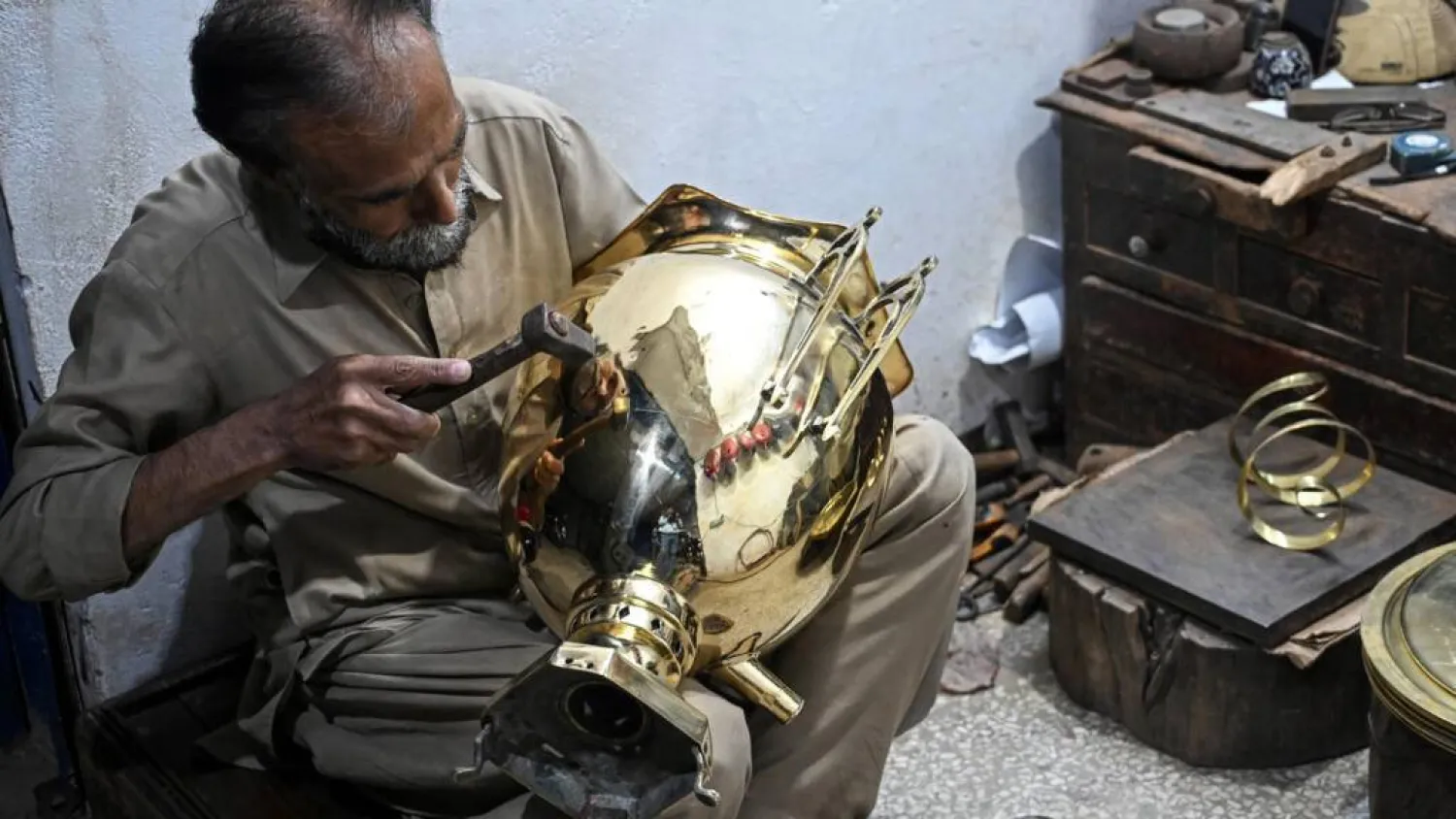
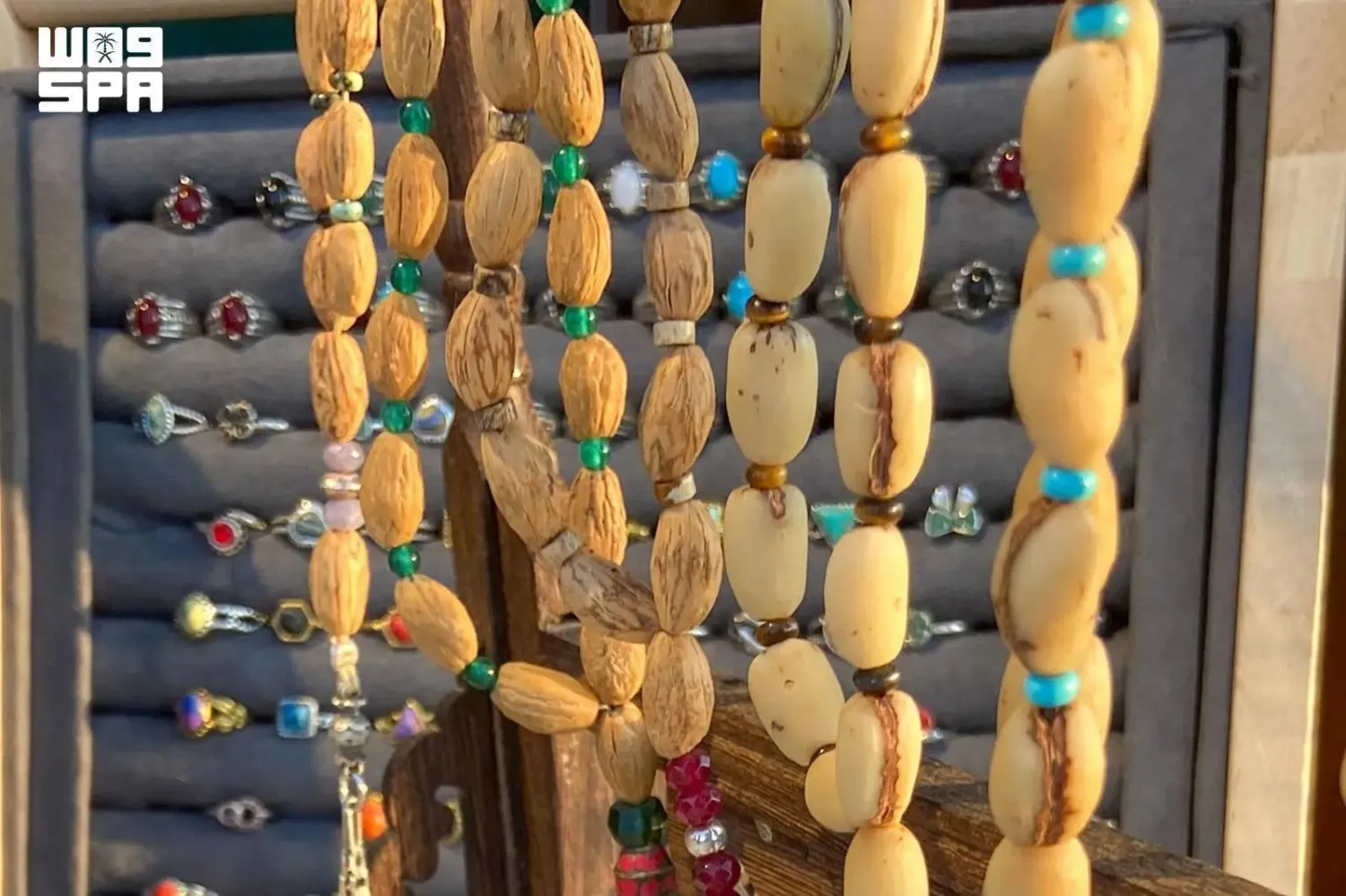
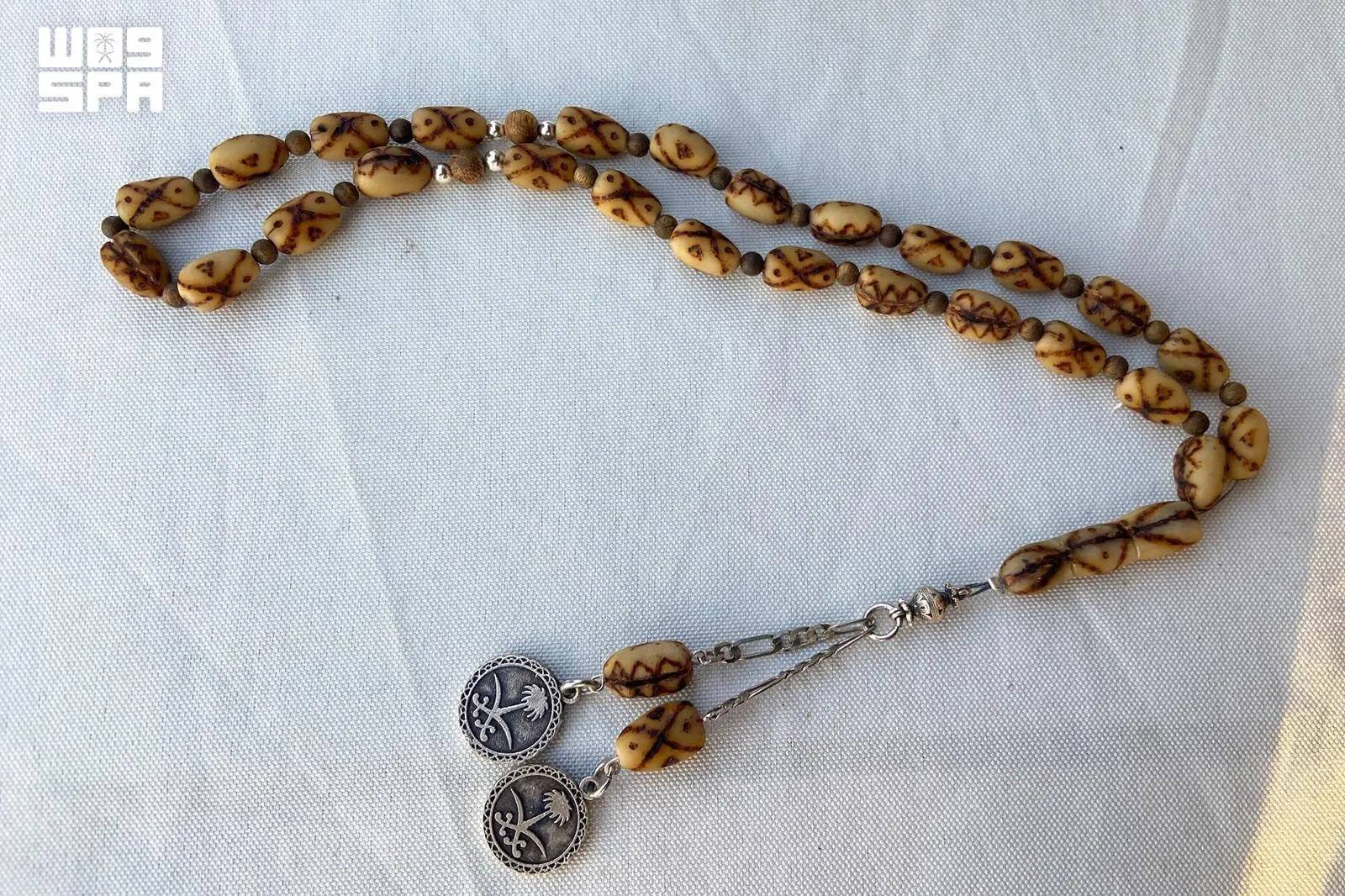
The Royal Institute of Traditional Arts (Wrth) will offer traditional craft workshops throughout Ramadan. SPA
TT

Saudi Arabia: Ship of Tolerance Initiative Promotes Cultural Dialogue in Jeddah

The Royal Institute of Traditional Arts (Wrth) will offer traditional craft workshops throughout Ramadan. SPA

The Saudi Ministry of Culture, in collaboration with the "Lenobadir" volunteer and community partnership program and the Athr Foundation, has launched the Ship of Tolerance initiative in Historic Jeddah during Ramadan.

The initiative aims to enhance shared human values through arts, and promote tolerance and coexistence among children and families. It provides an educational and cultural experience aligned with the area’s unique character as a UNESCO World Heritage site.

As part of this global art project, children will create artworks that represent acceptance and dialogue.

The Royal Institute of Traditional Arts (Wrth) will offer traditional craft workshops throughout Ramadan, linking the initiative's values with local heritage and enriching visitors' connection to the region's identity.

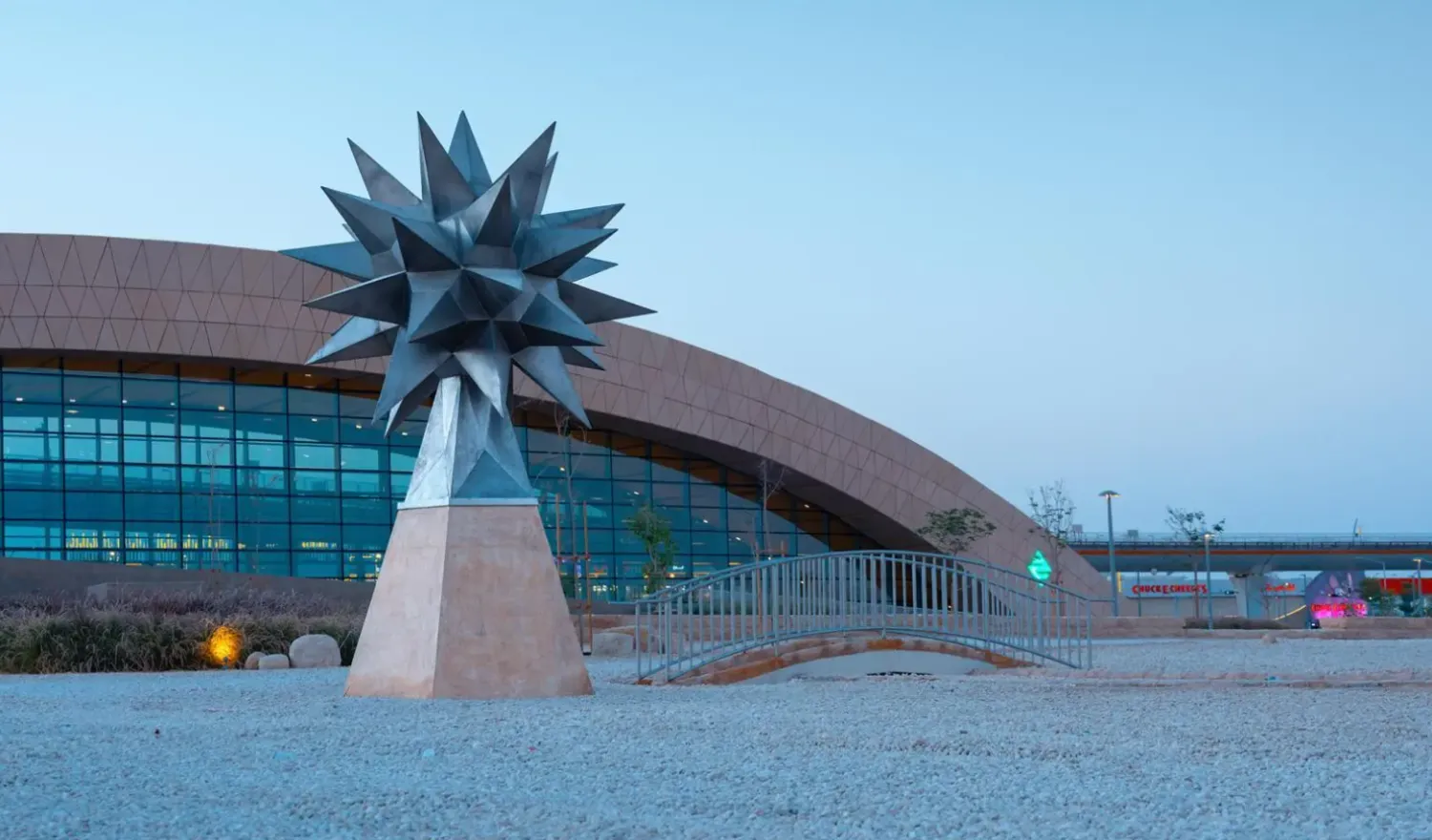
This effort supports cultural programs with educational and social dimensions in Historic Jeddah, activating local sites for experiences that combine art, crafts, and community participation. It aligns with the National Strategy for Culture under Saudi Vision 2030, focusing on heritage preservation and expanding culture's impact on daily life.


Oscar Contender ‘Hamnet’ Boosts Tourism at Shakespeare Heritage Sites 

A view of Shakespeare’s Birthplace, William Shakespeare's childhood home, in Stratford-upon-Avon, Britain, February 9, 2026. (Reuters)
TT

Oscar Contender ‘Hamnet’ Boosts Tourism at Shakespeare Heritage Sites 

A view of Shakespeare’s Birthplace, William Shakespeare's childhood home, in Stratford-upon-Avon, Britain, February 9, 2026. (Reuters)

On a cloudy winter's day, visitors stream into what was once William Shakespeare's childhood home in Stratford-upon-Avon and the nearby Anne Hathaway's cottage, family residence of the bard's wife.

Hathaway's cottage is one of the settings for the BAFTA and Oscar best film contender "Hamnet", and the movie's success is drawing a new wave of tourists to Shakespeare sites in the town in central England.

Shakespeare's Birthplace is the house the young William once lived in and where his father worked as a glove maker, while Hathaway's cottage is where he would have visited his future wife early in their relationship.

Typically, around 250,000 visitors, from the UK, Europe, the United States, China and elsewhere, walk through the locations each year, according to the Shakespeare Birthplace Trust. ‌The charity looks after ‌Shakespeare heritage sites, which also include Shakespeare's New Place, the site of ‌the ⁠Stratford home where the ⁠bard died in 1616.

Visitors are flocking in this year thanks to "Hamnet", the film based on Maggie O'Farrell's 2020 novel, which gives a fictional account of the relationship between Shakespeare and Hathaway, also known as Agnes, and the death of their 11-year-old son Hamnet in 1596.

"Visitor numbers have increased by about 15 to 20% across all sites since the film was released back in January. I think that will only continue as we go throughout the year," Richard Patterson, chief operating officer for the Shakespeare Birthplace Trust, said.

"They particularly want ⁠to look (at) Anne Hathaway's cottage and the specifics around how the family ‌engaged in the spaces and the landscape in and around ‌the cottage... you can see why he would have been inspired."

NEW ACCESS TO SHAKESPEARE

"Hamnet" has 11 nominations at ‌Sunday's British BAFTA awards, including best film and leading actress for Jessie Buckley, who plays Agnes. It ‌also has eight Oscar nominations, with Buckley seen as the frontrunner to win best actress.

"Hamnet" is set in Stratford-upon-Avon and London although it was not filmed in Stratford.

It sees Paul Mescal's young Shakespeare fall for Agnes while teaching Latin to pay off his father's debts. The drama, seen mainly through Agnes' eyes, focuses on their ‌life together and grief over Hamnet's death, leading Shakespeare to write "Hamlet".

"Shakespeare... is notoriously enigmatic. He writes about humanity, about feeling, about emotion, about conflict, ⁠but where do we understand ⁠who he is in that story?" said Charlotte Scott, a professor of Shakespeare studies and interim director of collections, learning and research at the Shakespeare Birthplace Trust.

"And that's driven people creative and otherwise for hundreds and hundreds of years. Where is Shakespeare's heart? And this is what the film I think has so beautifully opened up."

Little is known about how the couple met. Shakespeare was 18 and Hathaway 26 when they married in 1582. Daughter Susanna arrived in 1583 and twins Judith and Hamnet in 1585.

The film acknowledges the names Hamnet and Hamlet were interchangeable back then. While grief is a dominant theme, audiences also see Shakespeare in love and as a father.

"A lot of people will see this film not necessarily having... had any kind of relationship with Shakespeare," Scott said.

"So people will come to this film, I hope, and find a new way of accessing Shakespeare that is about creativity, that is about understanding storytelling as a constant process of regeneration, but also crucially, looking at it from that kind of emotive angle."


Culture Ministry Continues Preparations in Historic Jeddah to Welcome Visitors during Ramadan 

Historic Jeddah has emerged as a leading cultural tourism destination during Ramadan. (SPA)
TT

Culture Ministry Continues Preparations in Historic Jeddah to Welcome Visitors during Ramadan 

Historic Jeddah has emerged as a leading cultural tourism destination during Ramadan. (SPA)

The Saudi Ministry of Culture is continuing its efforts to revitalize Historic Jeddah in preparation for welcoming visitors during the holy month of Ramadan, offering cultural programs, events, and heritage experiences that reflect the authenticity of the past.

The district has emerged as a leading cultural tourism destination at this time of year as part of the “The Heart of Ramadan” campaign launched by the Saudi Tourism Authority.

Visitors are provided the opportunity to explore the district’s attractions, including archaeological sites located within the geographical boundaries of the UNESCO World Heritage-listed area, which represent a central component of the Kingdom’s urban and cultural heritage.

The area also features museums that serve as gateways to understanding the city’s rich heritage and cultural development, in addition to traditional markets that narrate historical stories through locally made products and Ramadan specialties that reflect authentic traditions.

These initiatives are part of the ministry’s ongoing efforts to revitalize Historic Jeddah in line with the objectives of Saudi Vision 2030 and aiming to transform it into a vibrant hub for arts, culture, and the creative economy, while preserving its tangible and intangible heritage.
