Wreck of Ancient Roman Cargo Ship Found off the Coast Near Rome 

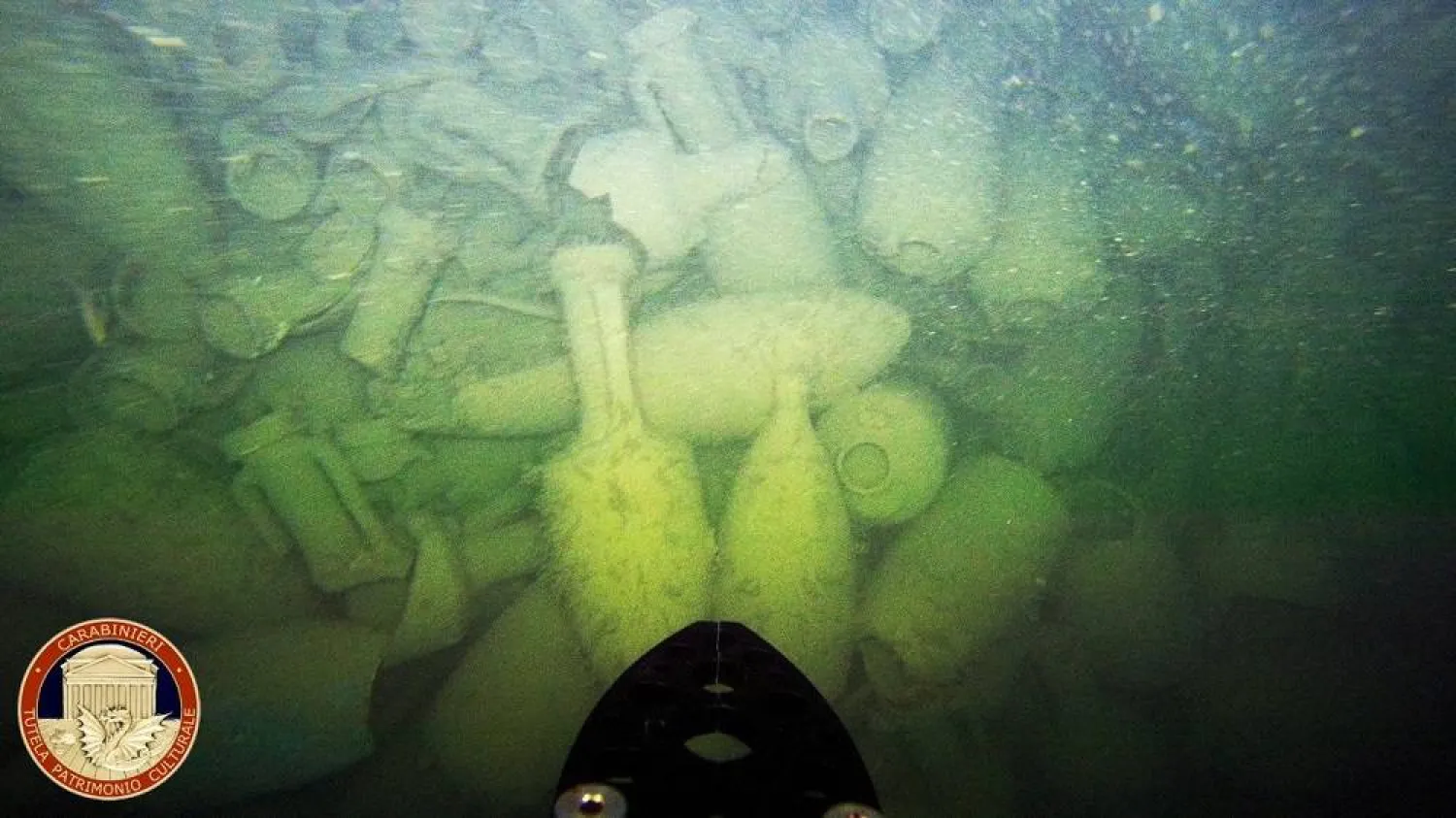
A view of amphorae found by Carabinieri Command for the Protection of Cultural Heritage in a wreck of an ancient Roman cargo ship at the bottom of the sea in Civitavecchia, near Rome, Italy, July 25, 2023. (Carabinieri/Handout via Reuters)
TT

Wreck of Ancient Roman Cargo Ship Found off the Coast Near Rome 

A view of amphorae found by Carabinieri Command for the Protection of Cultural Heritage in a wreck of an ancient Roman cargo ship at the bottom of the sea in Civitavecchia, near Rome, Italy, July 25, 2023. (Carabinieri/Handout via Reuters)

The wreck of an ancient Roman cargo ship from more than 2,000 years ago has been found off the coast near Rome, the arts squad of Italy's Carabinieri police said on Friday.

The ship was located off the port of Civitavecchia, about 80 kilometers (50 miles) north-west of the Italian capital, on a sandy seabed at a depth of about 160 meters (525 ft), a statement said.

The vessel, estimated to be more than 20 meters long and dating from the 1st or 2nd century BC, was carrying hundreds of amphorae -- a type of ancient Roman jar -- that were mostly found intact.

"The exceptional discovery is an important example of the shipwreck of a Roman ship facing the perils of the sea in an attempt to reach the coast, and bears witness to old maritime trading routes," the Carabinieri said.

The relic was located and filmed using a remotely operated robot, they said. It was not immediately clear whether any attempt would be made to recover it or its cargo from the bottom of the sea.


Saudi Arabia's Ithra Launches iRead Marathon with Participation from 13 Arab Countries

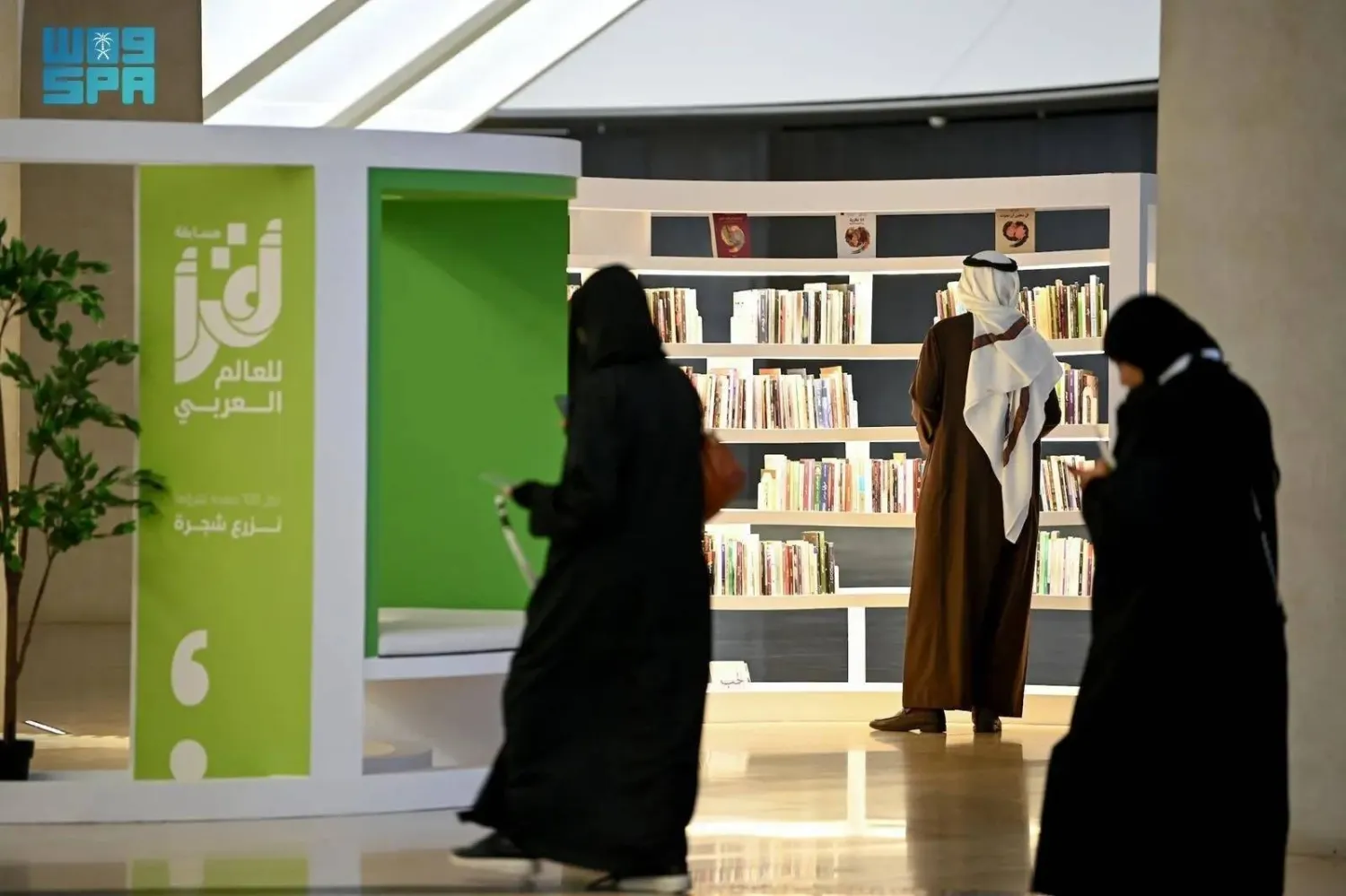
The fifth annual iRead Marathon is taking place from February 5 to 7. (SPA)
TT

Saudi Arabia's Ithra Launches iRead Marathon with Participation from 13 Arab Countries

The fifth annual iRead Marathon is taking place from February 5 to 7. (SPA)

Saudi Arabia's King Abdulaziz Center for World Culture (Ithra) announced the launch of the fifth annual iRead Marathon, in collaboration with the Arab Federation for Libraries and Information (AFLI) and environmental partners, reported the Saudi Press Agency on Tuesday.

The event will witness the participation of 52 libraries from 13 Arab countries, including Saudi Arabia, the United Arab Emirates, Qatar, Oman, Egypt, Morocco, Tunisia, Algeria, Palestine, Jordan, Bahrain, Kuwait, and Iraq.

This year’s edition, taking place from February 5 to 7, has recorded a 235% increase in participation by Arab libraries compared to last year. It is an extension of a series of initiatives introduced by Ithra with aim of encouraging reading in society.

Ithra Library Head Abdullah Al Hawas explained that Ithra places great emphasis on reading and its promotion, adopting reading as a key priority for the next five years.

He noted its launch of the Arab Reading Index to monitor the state of reading across Arab countries. The iRead Marathon is in line with these efforts.


Trevi Fountain Fee Takes Effect as Rome Seeks to Manage Tourist Crowds

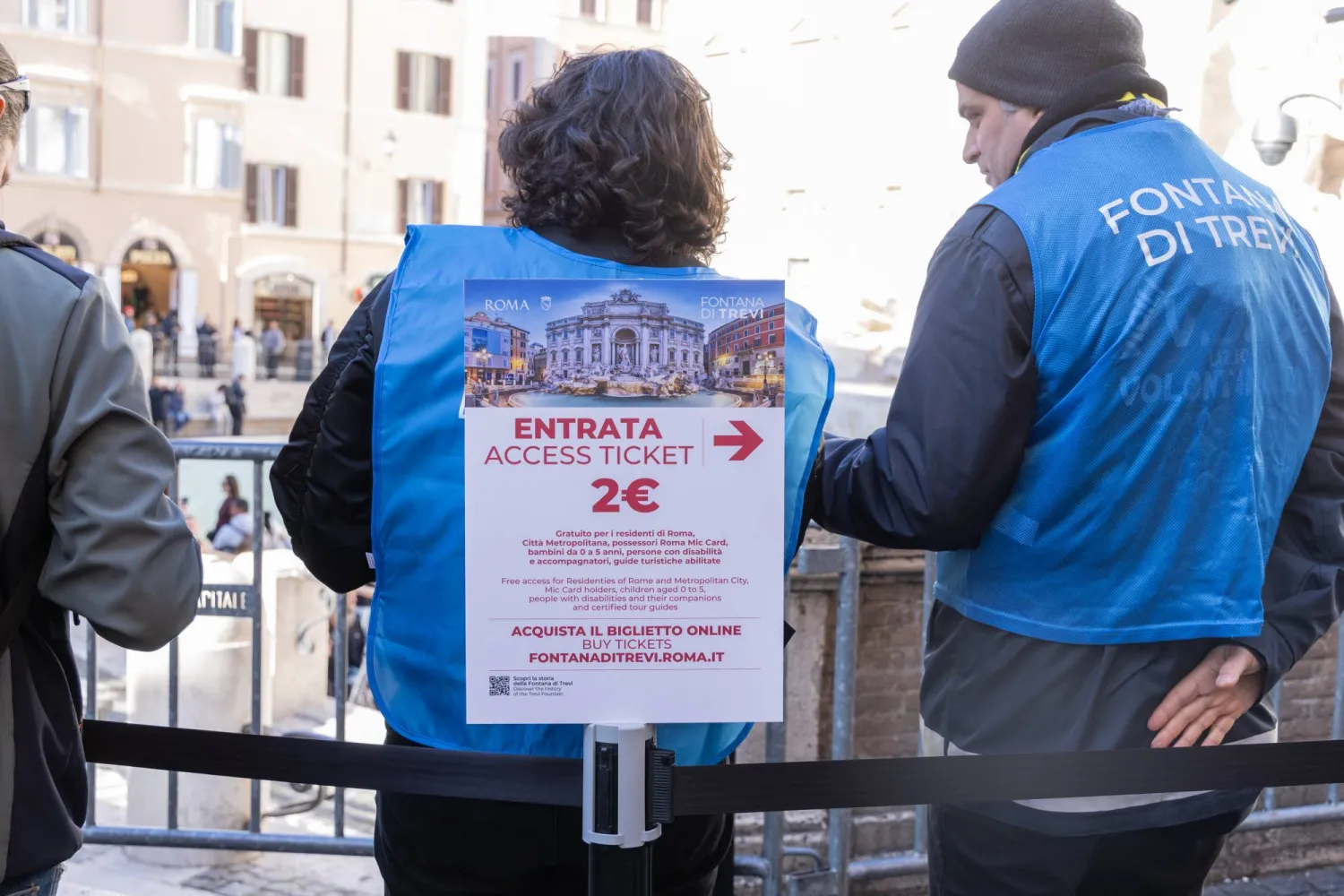
02 February 2026, Italy, Rome: First day of paid admission to the Trevi Fountain basin for tourists and non-residents of Rome. (dpa)
TT

Trevi Fountain Fee Takes Effect as Rome Seeks to Manage Tourist Crowds

02 February 2026, Italy, Rome: First day of paid admission to the Trevi Fountain basin for tourists and non-residents of Rome. (dpa)

Tourists hoping to get close to the Trevi Fountain had to pay 2 euros ($2.35) starting Monday as the city of Rome inaugurated a new fee structure to help raise money and control crowds at one of the world’s most celebrated waterworks.

The first tourists to pass through the new ticket check seemed unfazed by the tariff, noting it was a small price to pay for quality access to a fountain made famous by Federico Fellini’s movie “La Dolce Vita.”

“Before, there were problems accessing the fountain. There were a lot of people. Now, it’s very easy,” said Ilhan Musbah, a tourist from Morocco. “You can take photos, you feel good, you’re comfortable, and on top of that 2 euros is not much.”

The tourist fee was rolled out in conjunction with a new 5-euro (nearly $6) tourist ticket fee for some city museums. In both cases, Rome residents are exempt from the fees and the extra revenue will actually expand the number of city-run museums that are free for registered Roman residents.

It's all part of the Eternal City’s efforts to manage tourist flows in a particularly congested part of town, improve the experience and offset the maintenance costs of preserving all of Rome’s cultural heritage. Officials estimate it could net the city 6.5 million euros ($7.6 million) extra a year.

The city decided to impose the Trevi Fountain fee after seeing positive results already from a yearlong experiment to stagger and limit the number of visitors who can reach the front edge of the basin by imposing lines and pathways for entrance and exit.

“I think tourists were shocked by the fact that the city of Rome is only asking for 2 euros for a site of this level,” Alessandro Onorato, Rome’s assessor of tourism, said Monday. “I believe that if the Trevi Fountain were in New York, they would have charged at least $100.”

The fee follows a similar ticketing system at Rome’s Pantheon monument and the more complicated tourist day-tripper tax that the lagoon city of Venice imposed last year in a bid to ease overtourism and make the city more livable for residents.

The Italian fees still pale in comparison to the 45% price hike that French authorities announced for the Louvre Museum for most non-European visitors, where tickets can now run to 32 euros ($37) from 22 euros ($26).

The Trevi fee, which can be paid in advance online, enables tourists to get close to the fountain during prime-time daylight hours. The view for those admiring the late Baroque masterpiece from the piazza above remains free, as it is up close after hours.

The towering fountain features the Titan god Oceanus flanked by falls cascading down the travertine rocks into a shallow turquoise pool, where Marcello Mastroianni and Anita Ekberg famously took their nighttime dip in “La Dolce Vita.”

While bathing is prohibited nowadays, legend has it that visitors who toss a coin over their shoulders and make a wish will return to Rome.



Red Sea Museum Strengthens Community Connection to Cultural Heritage through Enriching Knowledge Experiences

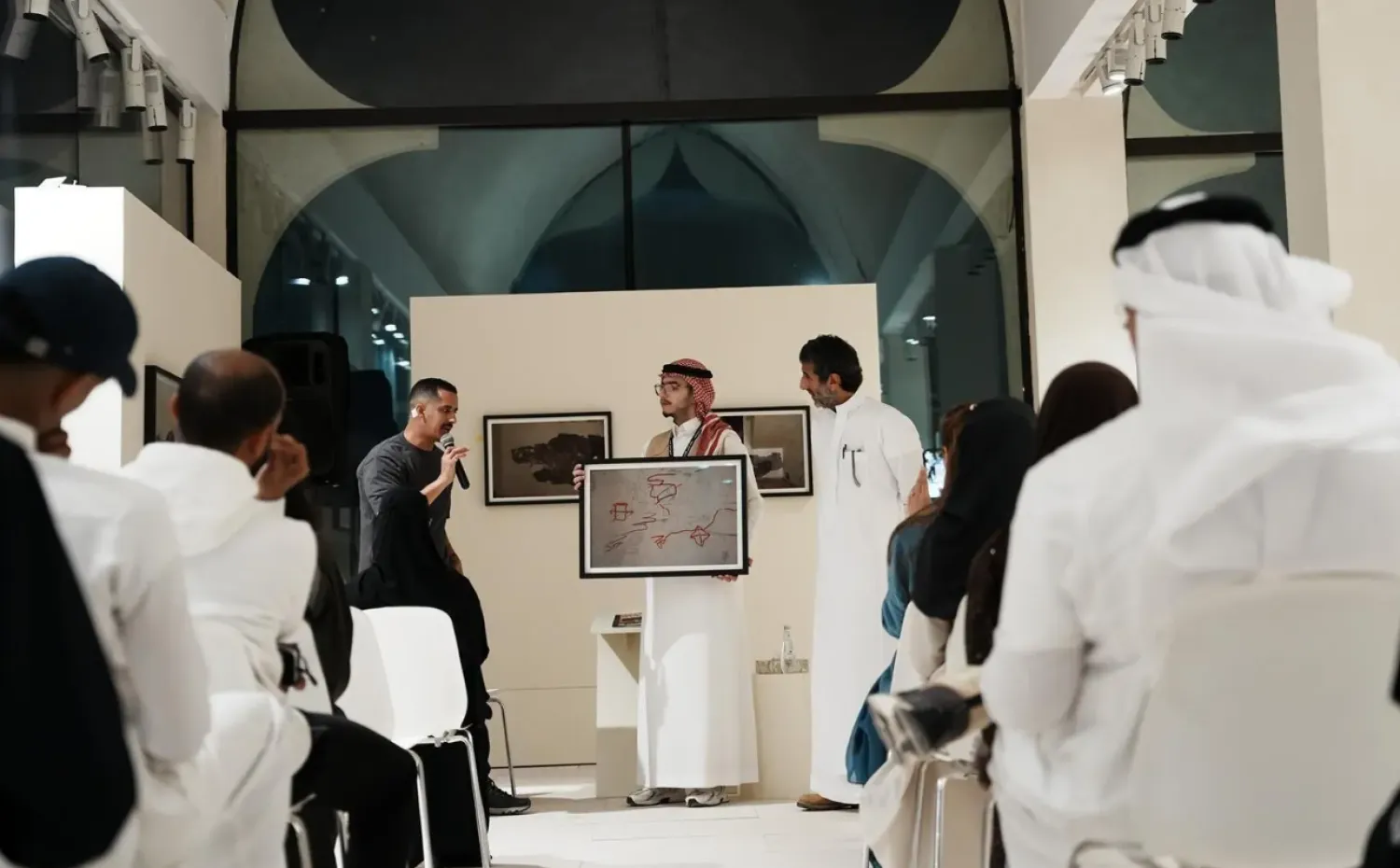
The program featured interactive workshops for children - SPA
TT

Red Sea Museum Strengthens Community Connection to Cultural Heritage through Enriching Knowledge Experiences

The program featured interactive workshops for children - SPA

As part of its cultural program, the Red Sea Museum presented a series of high-quality activities. These included art workshops, cultural dialogues, performance showcases, and family-oriented programs.

Together, they offered an enriching knowledge experience that blends the Red Sea’s cultural heritage with contemporary creative practices. The interactive content targeted diverse segments of society through innovative educational approaches, SPA reported.

The program covered a wide range of themes, including traditional architecture, historical photography, music, travel literature, maritime history, and public health in the Red Sea region. Activities were held across the museum’s facilities and in Jeddah’s Historic District. They were presented within a cultural framework that reintroduces heritage as a living, evolving element and a source of inspiration.

The program also featured interactive workshops for children. These introduced participants to the fundamentals of cartography and navigation. In parallel, specialized workshops revived historical photographic printing techniques through a contemporary approach.
In addition, the program included intellectual talks on traditional architecture and its relationship to identity and modern transformations.

It also offered practical workshops tracing the evolution of navigation from past to present. These activities combined theoretical knowledge with hands-on experience.

Through these initiatives, the Red Sea Museum continues to strengthen its role as a cultural anchor for the community. It builds effective bridges of engagement with various audiences through diverse programs and guided tours for schools, universities, and associations.

This approach broadens opportunities for reflection and learning, enhances the museum’s standing as a knowledge destination, and strengthens connection to the region’s cultural identity.