
The Golden Era of Saudi Culture

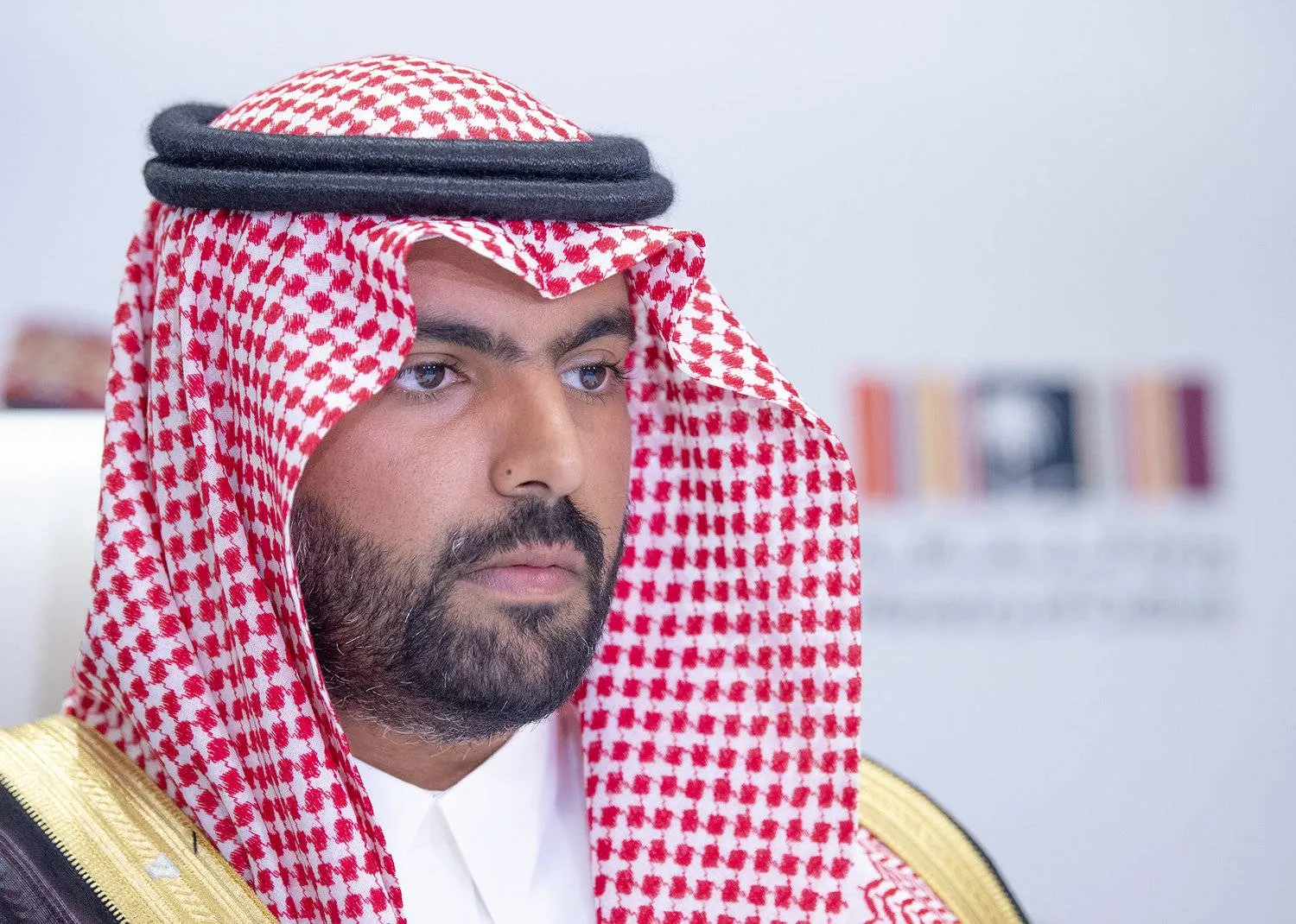
Saudi Minister of Culture Bader bin Abdullah bin Mohammed bin Farhan Al Saud
TT

The Golden Era of Saudi Culture

Saudi Minister of Culture Bader bin Abdullah bin Mohammed bin Farhan Al Saud

We bid farewell to 2023, with all accomplishments and lessons that we learned, welcoming the new year immensely determined to seize new opportunities and enhance our progress. We are intent on continuing our journey at the Ministry of Culture, a journey of big dreams inspired and empowered by the Custodian of the Two Holy Mosques, and His Royal Highness the Crown Prince and Prime Minister - may God protect them. It is a journey grounded in Saudi ingenuity, diverse heritage is the secret to its success, and a bright future is its destination.

Five and a half years in, the journey has made exceptional gains in a record time, making the Saudi experience of institutionalizing the cultural sector unique and inspiring. Dreams have become reality, thanks to the immense support of our wise leadership that believes culture is crucial for the development of humanity and nations, as well as our productive partnership with Saudi intellectuals and creatives, and the tireless efforts of the young Saudi men and women who have been doing diligent work in the cultural sphere.

Although cultural sectors have many branches, the cultural system has operated in the spirit of a united team. Since then, it has succeeded in creating incentives within the sector by launching 500 initiatives to ensure that it evolves across the board and establishing 11 cultural commissions alongside 25 cultural institutions that make us proud. We have shared our inspiring cultural experience with the world through international forums, in order to enhance intellectual and cultural exchange, which contributed to reflecting the unique historical depth and value of Saudi culture.

Over the past few years, we have seen the expansion of our global partnerships with friendly states and international cultural organizations, and the Kingdom has become a cultural and artistic destination that draws visitors from across the world. It has adopted a vision that clearly sees the importance of promoting culture globally through its initiatives, which have received international support and endorsement.

Our journey has contributed to enhancing our national identity through a series of transformative and exceptional initiatives. It has facilitated access to cultural content in every region of the Kingdom, through over 4000 cultural events that drew 11 million visitors. The cultural system’s efforts have raised awareness about the importance of culture and its impact on individuals and society. According to recent studies, 92 percent of the Kingdom's residents now see the importance of culture in their daily lives. The private sector's investment in culture has doubled, and cultural activity now contributes more strongly to our GDP.

Surpassing Three Targets

The cultural system has also made strides in terms of supply, demand, and enabling factors. It has surpassed three of the targets it had set for the year 2030. The number of graduates in fields tied to cultural specialties has increased to more than 28,000, exceeding the target of 26,000. The number of employees in the cultural sectors has leaped to 244,000, whereas the 2030 target was 140,000. Additionally, the target number of Saudi participation in international cultural events was surpassed, with the Kingdom having taken part in 35.

In light of all that has been achieved, our experiences attest to the cultural system's capacity for adapting to change and its flexibility in creating innovative and sustainable operating models. The Saudi experience in facing the major challenge recently encountered by cultural sectors worldwide, COVID-19, is a prime example.

Ambitions for 2024

Looking to the future, we enter the year 2024 with great ambitions. We aim to enhance these gains and supplement them with more achievements in a rapidly evolving and changing world. Several major shifts that will impact the cultural sector over the next few years are emerging, creating new opportunities. While social transformations and consumer preferences affect the sector, they fundamentally help the system with planning. Global economic shifts push the cultural sector to adopt new approaches so that it can continue to thrive. It also highlights the significance of funding and support, while technological developments offer infinite opportunities for growth and contribute to creating new spaces.

Three Fundamental Pillars

The priorities of Saudi Arabia's cultural system, starting from the new year, will be founded on three fundamental pillars: culture for enhancing creative endeavors and community participation, economic growth, and national pride and global exchange. The focus is on achieving further progress, whether in terms of supply, by incentivizing innovation, production, and publication, demand (awareness and consumption), or enabling factors such as funding, education, vocational training, laws and regulations, and technology.

We are determined to strengthen our international partnerships and encourage plans for integrating culture into other public policies and ensuring that they complement one another to ensure that we achieve sustainable development goals across the globe. We are also determined to protect global heritage from challenges like climate change, conflicts, and other risks, and to contribute, with friends around the world, to safeguarding cultural treasures, which are part of our human civilization.
Enhancing and preserving culture is not only a fundamental need but also a civilizational responsibility.

Thus, we will continue to pursue Saudi Vision 2030. The journey of the Ministry of Culture will reach the middle of the journey towards 2030 in June. We have no choice but to fulfill the aspirations of our leadership and the ambitions of our country, which deserves to see forms of culture flourish. We would thereby enrich individual lifestyles, reinforce our national identity, and encourage cultural dialogue with the world.


Facts

 11 Million Visitors were drawn by 4,000 cultural activities in Saudi Arabia


AlUla Revives Tantora Ceremony as Annual Cultural Tradition

AlUla will celebrate the revival of the Tantora Ceremony on Monday in AlUla Old Town. (SPA)
TT

AlUla Revives Tantora Ceremony as Annual Cultural Tradition

AlUla will celebrate the revival of the Tantora Ceremony on Monday in AlUla Old Town. (SPA)

AlUla will celebrate the revival of the Tantora Ceremony on Monday in AlUla Old Town, one of the region’s most distinctive heritage markers and a defining element of its intangible cultural legacy.

The Tantora is a historic solar timekeeping device that generations of AlUla’s residents relied upon to mark the beginning of the agricultural season and the arrival of Al-Marba’aniyah, becoming an essential guide for daily life and seasonal farming cycles, said The Saudi Press Agency.

This year’s ceremony is part of the Royal Commission for AlUla's (RCU) ongoing efforts to elevate cultural heritage and strengthen its presence in the public realm. The program includes a rich array of cultural and heritage activities that highlight the historical significance of Tantora and its role in shaping the community's relationship with its oasis environment.

Visitors will enjoy traditional performances, artisan showcases, and interpretive sessions on the history and uses of the Tantora, alongside demonstrations that evoke aspects of AlUla’s past.

The ceremony reinforces awareness of this cultural marker as one of the region’s most notable expressions of intangible heritage. It also underscores its importance in understanding the seasonal practices that formed a central part of life in AlUla, particularly its connection to the onset of winter and the agricultural preparations associated with the peak of winter.

Reviving the Tantora Ceremony reflects RCU’s commitment to conserving heritage and reactivating it through contemporary approaches that strengthen cultural identity, foster community belonging, and connect new generations with AlUla’s historic legacy.

The event also enriches AlUla’s cultural and tourism offering by providing experiences that deepen visitor appreciation of Saudi Arabia’s cultural heritage.

The RCU affirmed that celebrating this tradition demonstrates AlUla’s dedication to protecting its cultural and natural treasures and enhancing their role in sustainable development, fully aligned with AlUla’s long-term vision and the goals of Saudi Vision 2030, which positions culture as a core pillar of quality of life and balanced national growth.


Rome to Charge Tourists to Get Close to the Famed Trevi Fountain

 A visitor takes a photo of Rome's Trevi Fountain, Friday, Dec. 19, 2025, as the city municipality announced that, starting on Feb. 1, it will impose a 2 euro fee for tourists to visit the recessed fountain edge. (AP)
A visitor takes a photo of Rome's Trevi Fountain, Friday, Dec. 19, 2025, as the city municipality announced that, starting on Feb. 1, it will impose a 2 euro fee for tourists to visit the recessed fountain edge. (AP)
TT

Rome to Charge Tourists to Get Close to the Famed Trevi Fountain

 A visitor takes a photo of Rome's Trevi Fountain, Friday, Dec. 19, 2025, as the city municipality announced that, starting on Feb. 1, it will impose a 2 euro fee for tourists to visit the recessed fountain edge. (AP)
A visitor takes a photo of Rome's Trevi Fountain, Friday, Dec. 19, 2025, as the city municipality announced that, starting on Feb. 1, it will impose a 2 euro fee for tourists to visit the recessed fountain edge. (AP)

Tourists who want to get close to Rome's Trevi Fountain will soon have to pay a two-euro ($2.34) fee, the city mayor said on Friday, as authorities look to profit more handsomely from Italy's many attractions.

Mayor Roberto Gualtieri told reporters the new payment system would start on February 1, adding that the measure was expected to raise 6.5 million euros a year.

"Two euros isn't very much ... and it will lead to less chaotic tourist flows," Gualtieri said, stressing that citizens of Rome will continue to have free access to the fountain.

Tourists will ‌have to ‌pay if they want to get ‌onto ⁠the stone steps ‌surrounding the fountain's basin, while the small surrounding square offering a view of the imposing monument will remain open for everyone.

The Trevi Fountain, where tradition dictates that visitors toss a coin into the water to guarantee their return to Rome, has long been a major tourist attraction, even for visiting world leaders.

Completed in 1762, the monument is ⁠a late Baroque masterpiece depicting Oceanus and symbolizing the varying ‌moods of the world's seas and ‍rivers.

It has received nine million ‍visitors so far this year, Gualtieri said, suggesting that he ‍expects many people will opt to view the fountain from afar in future, rather than pay to get near the water.

Visitors on Friday said they would be willing to pay if the money was put to good use.

"If it means that money is used to keep it maintained, then yeah, that's fine," said British ⁠tourist Yvonne Salustri.

Gualtieri said five other relatively unknown sites in Rome that are currently free will start charging five euros for access from February, continuing the recent trend aimed at squeezing profits from Italy's cultural heritage.

In 2023, a five-euro entrance fee was introduced for Rome's ancient Pantheon. As a result, the square outside is often crammed with people waiting for their turn to pay and enter.

Venice has introduced a tourist entry-fee system during the peak travel season, while Verona this month began charging for access to the balcony in ‌the northern Italian city that is associated with Shakespeare's "Romeo and Juliet".


ICAIRE Launches Data, AI Glossary to Mark World Arabic Language Day

The interactive edition enables users to easily browse AI- and data-related terminology in Arabic, English, and French
TT

ICAIRE Launches Data, AI Glossary to Mark World Arabic Language Day

The interactive edition enables users to easily browse AI- and data-related terminology in Arabic, English, and French

The International Center for Artificial Intelligence Research and Ethics (ICAIRE) announced the launch of an interactive edition of the Data and Artificial Intelligence Glossary, in cooperation with the Saudi Data and Artificial Intelligence Authority (SDAIA), the King Salman Global Academy for Arabic Language (KSGAAL), and the Islamic World Educational, Scientific and Cultural Organization (ICESCO).

The launch coincides with World Arabic Language Day, observed annually on December 18.

The dictionary aims to preserve the Arabic language, enrich Arabic digital content with technical terminology and concepts, raise awareness of modern concepts, and facilitate access to information for researchers and practitioners.

It seeks to unify technical terminology in support of the development of the digital economy and the building of a sustainable knowledge-based future.

The interactive edition enables users to easily browse AI- and data-related terminology in Arabic, English, and French, and allows users to interact with the dictionary by adding terms in various dialects.

These enhance knowledge exchange and help ensure the unification and integration of efforts among scientific and technical institutions both regionally and internationally. The dictionary includes more than 1,200 technical terms.