


NY’s Met Museum Plans Growing Focus on African Art

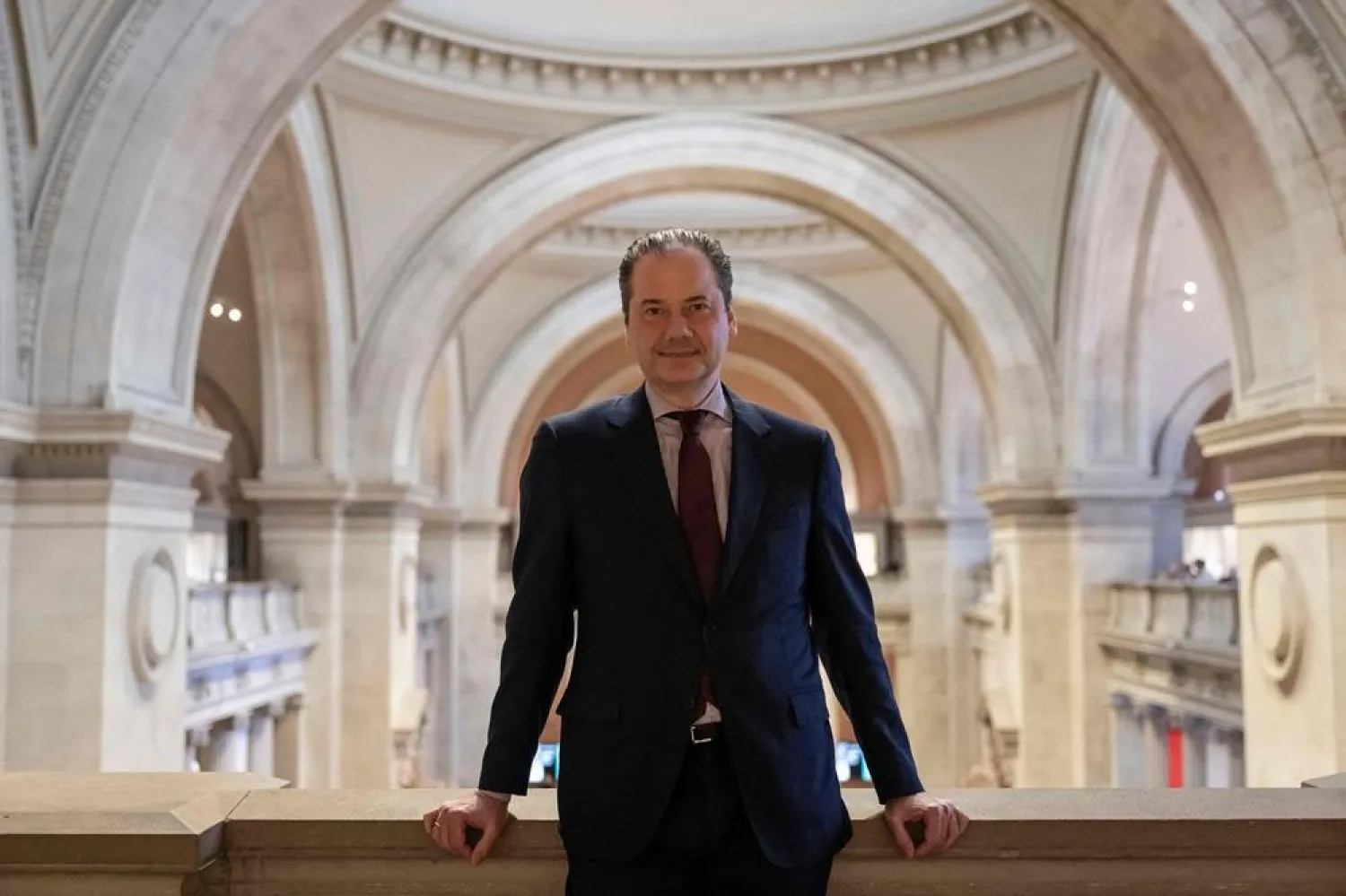
Max Hollein, CEO and Director of the Metropolitan Museum of Art, poses for a portrait at The Met in New York on April 4, 2024. (AFP)
TT

NY’s Met Museum Plans Growing Focus on African Art

Max Hollein, CEO and Director of the Metropolitan Museum of Art, poses for a portrait at The Met in New York on April 4, 2024. (AFP)

New York's prestigious Metropolitan Museum of Art wants to offer its millions of visitors a less Western-centered view of the world, a shift that will highlight works from Africa and the continent's 3,000 years of cultural history.

That shift in perspective will also help the world's fourth most-visited museum -- behind the Louvre, the British Museum and the museums of the Vatican -- attract more African American and diaspora visitors, Met CEO and executive director Max Hollein told AFP in an interview.

The iconic museum, situated on Fifth Avenue across from Central Park since 1870, thus hopes to shine a brighter light on its 4,000 African works, produced by more than 200 cultures from what today are nearly 40 sub-Saharan African countries.

After spending tens of millions on renovations, the Met in spring 2025 will reopen its Michael C. Rockefeller wing, which houses not just African art but also works from the South Pacific and the early Americas.

"We wanted to have a completely new architecture and scenography in showing this work of art, and especially African art," said Hollein, a 54-year-old Austrian art historian and the first European to lead the Met.

He took the Met's reins in July 2023 as it was recovering from a collapse in visitorship during the pandemic. It drew 5.4 million visitors last year, a figure actually 10 percent higher than the pre-Covid 2019 number.

Hollein said the Rockefeller wing, which opened in 1982, already represented a major shift to a "much broader perspective" for the museum, founded and financed by wealthy art lovers, businessmen and collectors of works from Europe, Asia and the Middle East, as well as from ancient Greece and Rome.

A less Eurocentric view

But once the renovated and reimagined African galleries open in 2025, they will mark "another milestone."

The museum wants "to make sure that we don't have just a Western-centric or Eurocentric perspective," Hollein said.

The Met has also extended its reach by negotiating agreements with African counterparts, such as a 2023 accord with Nigeria's National Commission for Museums and Monuments to help it with the digitization and cataloging of its holdings.

Working with African countries, the Met in 2020 organized an ambitious exhibit on the arts of the Sahelian empires of the Middle Ages (Ghana, Mali, Songhai and Segu) and a smaller one, which ended last month, on 1,000 years of influence by the Byzantine empire on the art of the Christians of Egypt, Tunisia, Ethiopia and Sudan.

Hollein said it is time to step back from a Eurocentric view -- to stop "just looking at these objects because they've influenced European modernism so much" or studying Maori sculptures only because "they fascinated French artists of the early 20th century."

African art, American heritage

To deepen his connection to African art and better understand its works in their local context, Hollein traveled in late March to South Africa, Zimbabwe and Tanzania, meeting with museum curators, art historians and contemporary artists.

He also visited some rare archeological sites: Great Zimbabwe, the ruins of a medieval city in that country's south, and the Tanzanian island of Kilwa Kisiwani, where the remains of another medieval city are now recognized as a World Heritage Site by UNESCO.

Videos with updated information on the sites will be shown in the Met's Rockefeller wing.

Eager, like other American and European museums, to appeal to a younger and more diverse public, the Met has turned its attention to the multicultural mosaic that is New York City -- and in particular its population descended from enslaved peoples, as well as more recent arrivals from Africa and the Caribbean.

"It's the art of Africa, but it is basically also the cultural heritage of African Americans in the United States," Hollein said.


Cultural Camp at King Abdulaziz Camel Festival Showcases Saudi Heritage

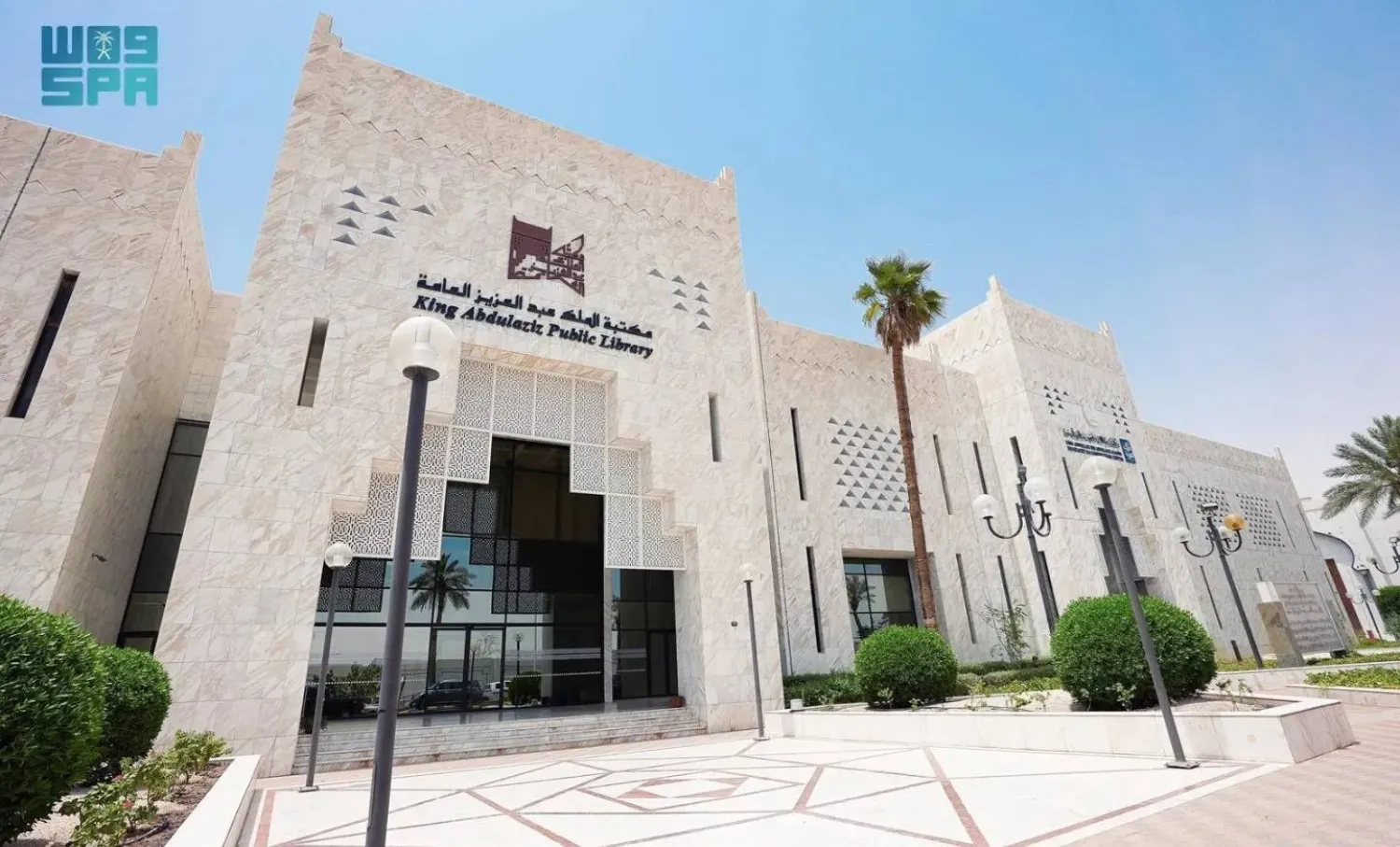
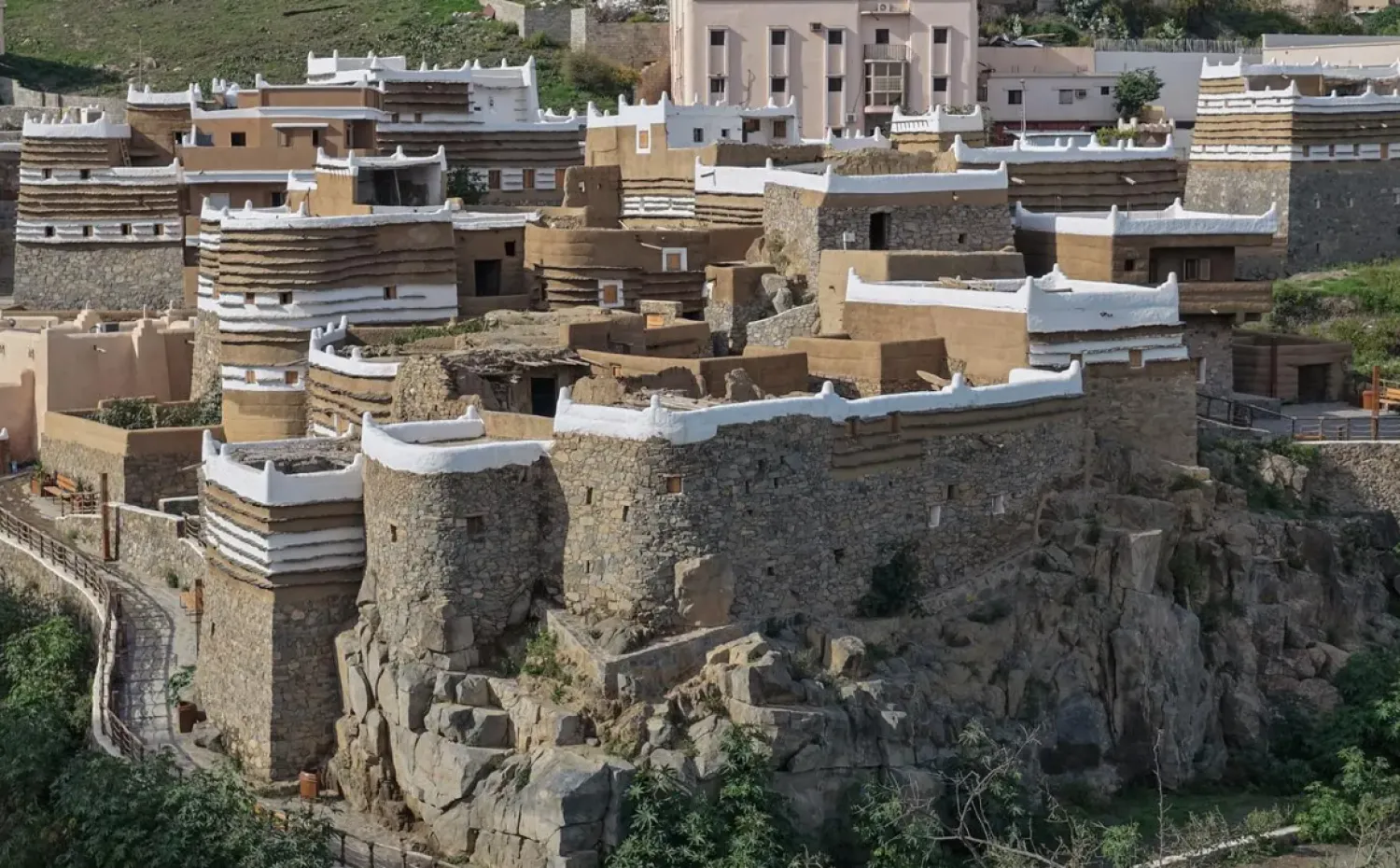
The camp celebrates authentic Saudi heritage and reinforces culture as a cornerstone of national identity - SPA
TT

Cultural Camp at King Abdulaziz Camel Festival Showcases Saudi Heritage

The camp celebrates authentic Saudi heritage and reinforces culture as a cornerstone of national identity - SPA

The cultural camp is a key feature of the 10th King Abdulaziz Camel Festival, held in Al-Sayahid desert. The camp celebrates authentic Saudi heritage and reinforces culture as a cornerstone of national identity, according to SPA.

It offers a range of programs, including live performances and interactive events, that highlight camels' historical significance in Arab culture and illustrate the values of patience, strength, and belonging.

The camp has attracted over 2,000 guests from 71 nationalities, emphasizing its global appeal as a cultural platform for diversity and tradition.

Visitors engage with cultural content through innovative methods that merge authenticity with modern technology, enhancing awareness of the camel's cultural legacy. This initiative aligns with Saudi Vision 2030 by preserving heritage and connecting younger generations with their roots.


Tuwaiq Sculpture 2026 Announces 25 Participating Artists for Seventh Edition

The 2026 edition features a month-long live sculpting phase alongside a community engagement program - SPA
TT

Tuwaiq Sculpture 2026 Announces 25 Participating Artists for Seventh Edition

The 2026 edition features a month-long live sculpting phase alongside a community engagement program - SPA

Under the Royal Commission for Riyadh City and Riyadh Art, Tuwaiq Sculpture has announced the selection of 25 artists for the seventh edition of the annual sculpture symposium and exhibition, taking place from January 10 to February 22, 2026.

This year’s edition unfolds under the curatorial theme “Traces of What Will Be,” inviting artists to reflect on how sculptural form can express the physical, cultural and conceptual traces that shape the future of cities and communities, SPA reported.

A total of 25 artists from 18 countries, including Saudi artists, have been selected for the seventh edition. Their proposals reflect a diverse range of artistic approaches, responding to the theme through explorations of transformation, place, and materiality.

Director of the Tuwaiq Sculpture Symposium Sarah Alruwayti said: "The seventh edition of Tuwaiq Sculpture received more than 590 applications, reflecting the cultural diversity and global interest in the symposium. The selection of the 25 participating artists was carried out by a jury of industry experts and specialists. Their proposals show meaningful engagement with the theme and reflect the strength and diversity of contemporary sculptural practice. We look forward to welcoming them to Riyadh for the creation of new works that will become lasting additions to the city.”

Building on the evolving material practice of the symposium, Tuwaiq Sculpture 2026 introduces two sculpting categories: granite with optional stainless-steel integration and reclaimed metal. Twenty artists will work in granite, while five will create new works in reclaimed metal. Over four weeks, they will produce large-scale sculptures that will later be added to Riyadh Art’s permanent public art collection.

The 2026 edition features a month-long live sculpting phase alongside a community engagement program, inviting visitors to witness the creation of artworks and take part in panel discussions and workshops. The symposium will conclude with a public exhibition showcasing the completed sculptures from its seventh edition.


ALECSO Celebrates Opening of Arabic Calligraphy Center in Saudi Arabia

Arabic calligraphy adorns wrcades, Walls of the Grand Mosque of Makkah - SPA
TT

ALECSO Celebrates Opening of Arabic Calligraphy Center in Saudi Arabia

Arabic calligraphy adorns wrcades, Walls of the Grand Mosque of Makkah - SPA

The Arab League of Educational, Cultural and Scientific Organization (ALECSO) congratulated Saudi Arabia on the opening of the Prince Mohammed bin Salman Global Center for Arabic Calligraphy in Madinah on December 22, 2025.

In a statement, ALECSO called the center a significant addition to the Arab and Islamic cultural landscape, noting its role in preserving Arabic calligraphy and enhancing its global presence, SPA reported.

This achievement reflects the Kingdom's commitment to culture and heritage, aligning with Saudi Vision 2030’s objectives of fostering cultural creativity and reinforcing Arabic identity.

ALECSO emphasized that such institutions serve as global bridges for cultural exchange and ensure the relevance of traditional arts through dedicated research and training facilities.