‘Roaring Lion’ Churchill Portrait Retrieved from Italy after Canada Theft

 Canadian Cultural Heritage Deputy Minister Isabelle Mondou unveils Yousuf Karsh's "Roaring Lion" portrait of Churchill, stolen in 2022 from Ottawa’s Fairmont Chateau Laurier and recovered in Italy, during a ceremony at the Canadian Embassy in Rome, Italy, September 19, 2024. (Reuters)
Canadian Cultural Heritage Deputy Minister Isabelle Mondou unveils Yousuf Karsh's "Roaring Lion" portrait of Churchill, stolen in 2022 from Ottawa’s Fairmont Chateau Laurier and recovered in Italy, during a ceremony at the Canadian Embassy in Rome, Italy, September 19, 2024. (Reuters)
TT

‘Roaring Lion’ Churchill Portrait Retrieved from Italy after Canada Theft

 Canadian Cultural Heritage Deputy Minister Isabelle Mondou unveils Yousuf Karsh's "Roaring Lion" portrait of Churchill, stolen in 2022 from Ottawa’s Fairmont Chateau Laurier and recovered in Italy, during a ceremony at the Canadian Embassy in Rome, Italy, September 19, 2024. (Reuters)
Canadian Cultural Heritage Deputy Minister Isabelle Mondou unveils Yousuf Karsh's "Roaring Lion" portrait of Churchill, stolen in 2022 from Ottawa’s Fairmont Chateau Laurier and recovered in Italy, during a ceremony at the Canadian Embassy in Rome, Italy, September 19, 2024. (Reuters)

Italy handed back to Canada on Thursday a famous photographic portrait of Winston Churchill that was stolen from an Ottawa hotel more than two years ago and sold at auction to an unsuspecting Italian lawyer.

The so-called "Roaring Lion" photograph was shot by Yousuf Karsh in 1941 just after Britain's World War Two leader had given a speech to the Canadian parliament.

With his hand on his hip, Churchill is seen scowling severely at the lens -- an expression that Karsh put down to the fact that he had just plucked a cigar from the prime minister's hand before releasing the shutter.

The picture hanged for years in the Fairmont Chateau Laurier hotel, where the Armenian-Canadian photographer used to have a studio, but staff realized in August 2022 that their original image had been replaced with a signed copy.

A subsequent investigation found that their version had gone missing during the 2021 Christmas holidays and had been sold by an auction house in London in May 2022 to lawyer Nicola Cassinelli, who agreed to return it when he found out the truth.

"I think that if Mr. Karsh donated it to the hotel, it means that he really wanted it to stay there," Cassinelli said during a ceremony in the Canadian embassy to return the work.

He said he had paid 5,200 pounds ($6,895) excluding commission at the auction and had received only a partial refund. "I didn't get all the money back, but I did get a very funny story to tell," said Cassinelli.

The hotel director said the photo was an iconic image and an integral part of its history. "Its value far exceeded its monetary worth," said Geneviève Dumas.

Canadian media said a man from Ontario had been arrested and charged over the theft.


Cultural Camp at King Abdulaziz Camel Festival Showcases Saudi Heritage

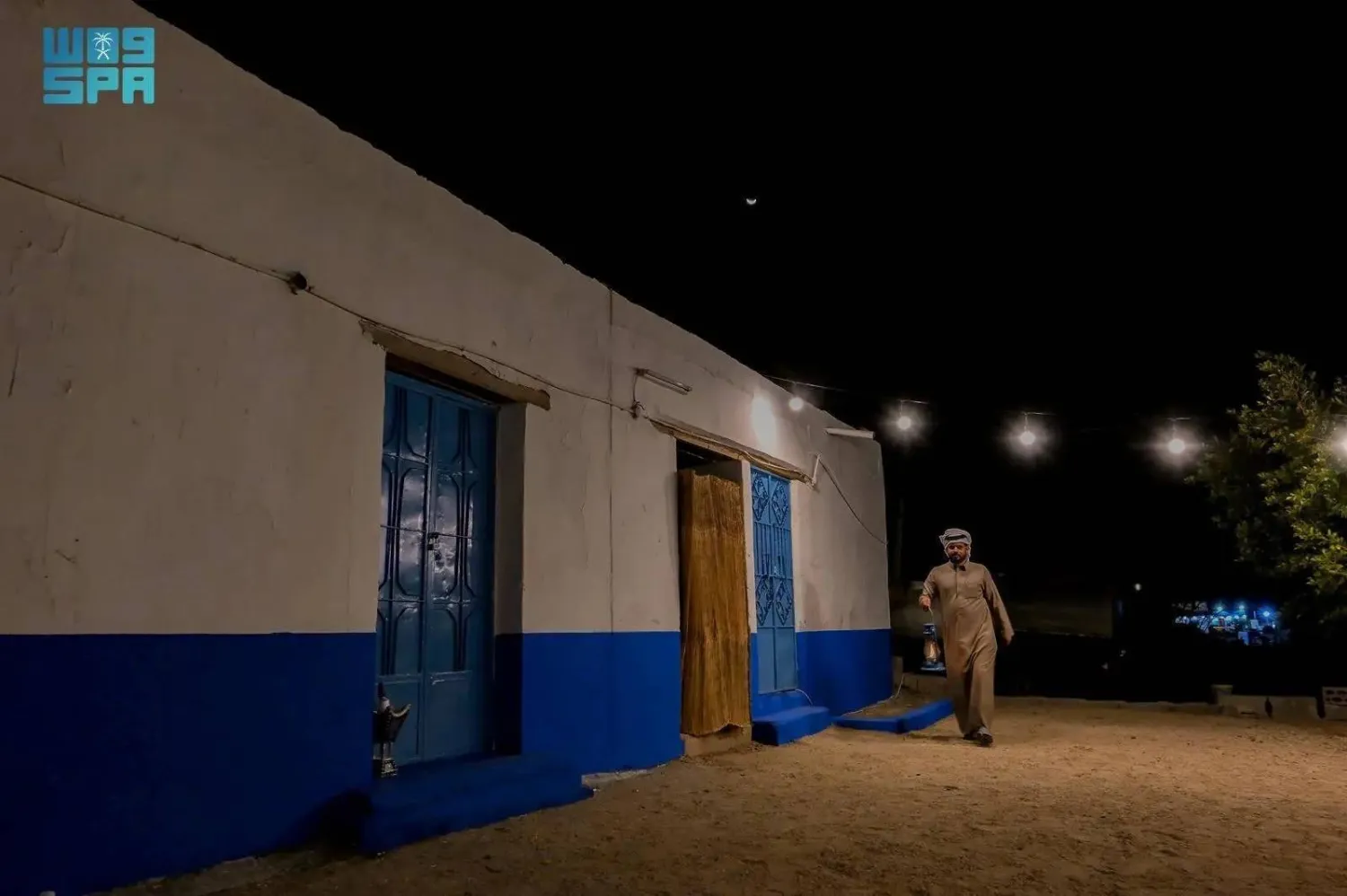
The camp celebrates authentic Saudi heritage and reinforces culture as a cornerstone of national identity - SPA
TT

Cultural Camp at King Abdulaziz Camel Festival Showcases Saudi Heritage

The camp celebrates authentic Saudi heritage and reinforces culture as a cornerstone of national identity - SPA

The cultural camp is a key feature of the 10th King Abdulaziz Camel Festival, held in Al-Sayahid desert. The camp celebrates authentic Saudi heritage and reinforces culture as a cornerstone of national identity, according to SPA.

It offers a range of programs, including live performances and interactive events, that highlight camels' historical significance in Arab culture and illustrate the values of patience, strength, and belonging.

The camp has attracted over 2,000 guests from 71 nationalities, emphasizing its global appeal as a cultural platform for diversity and tradition.

Visitors engage with cultural content through innovative methods that merge authenticity with modern technology, enhancing awareness of the camel's cultural legacy. This initiative aligns with Saudi Vision 2030 by preserving heritage and connecting younger generations with their roots.


Tuwaiq Sculpture 2026 Announces 25 Participating Artists for Seventh Edition

The 2026 edition features a month-long live sculpting phase alongside a community engagement program - SPA
TT

Tuwaiq Sculpture 2026 Announces 25 Participating Artists for Seventh Edition

The 2026 edition features a month-long live sculpting phase alongside a community engagement program - SPA

Under the Royal Commission for Riyadh City and Riyadh Art, Tuwaiq Sculpture has announced the selection of 25 artists for the seventh edition of the annual sculpture symposium and exhibition, taking place from January 10 to February 22, 2026.

This year’s edition unfolds under the curatorial theme “Traces of What Will Be,” inviting artists to reflect on how sculptural form can express the physical, cultural and conceptual traces that shape the future of cities and communities, SPA reported.

A total of 25 artists from 18 countries, including Saudi artists, have been selected for the seventh edition. Their proposals reflect a diverse range of artistic approaches, responding to the theme through explorations of transformation, place, and materiality.

Director of the Tuwaiq Sculpture Symposium Sarah Alruwayti said: "The seventh edition of Tuwaiq Sculpture received more than 590 applications, reflecting the cultural diversity and global interest in the symposium. The selection of the 25 participating artists was carried out by a jury of industry experts and specialists. Their proposals show meaningful engagement with the theme and reflect the strength and diversity of contemporary sculptural practice. We look forward to welcoming them to Riyadh for the creation of new works that will become lasting additions to the city.”

Building on the evolving material practice of the symposium, Tuwaiq Sculpture 2026 introduces two sculpting categories: granite with optional stainless-steel integration and reclaimed metal. Twenty artists will work in granite, while five will create new works in reclaimed metal. Over four weeks, they will produce large-scale sculptures that will later be added to Riyadh Art’s permanent public art collection.

The 2026 edition features a month-long live sculpting phase alongside a community engagement program, inviting visitors to witness the creation of artworks and take part in panel discussions and workshops. The symposium will conclude with a public exhibition showcasing the completed sculptures from its seventh edition.


ALECSO Celebrates Opening of Arabic Calligraphy Center in Saudi Arabia

Arabic calligraphy adorns wrcades, Walls of the Grand Mosque of Makkah - SPA
TT

ALECSO Celebrates Opening of Arabic Calligraphy Center in Saudi Arabia

Arabic calligraphy adorns wrcades, Walls of the Grand Mosque of Makkah - SPA

The Arab League of Educational, Cultural and Scientific Organization (ALECSO) congratulated Saudi Arabia on the opening of the Prince Mohammed bin Salman Global Center for Arabic Calligraphy in Madinah on December 22, 2025.

In a statement, ALECSO called the center a significant addition to the Arab and Islamic cultural landscape, noting its role in preserving Arabic calligraphy and enhancing its global presence, SPA reported.

This achievement reflects the Kingdom's commitment to culture and heritage, aligning with Saudi Vision 2030’s objectives of fostering cultural creativity and reinforcing Arabic identity.

ALECSO emphasized that such institutions serve as global bridges for cultural exchange and ensure the relevance of traditional arts through dedicated research and training facilities.