


More than 1,000 Mariachis Belt out Classics Like ‘Cielito Lindo’ in a Mexico City Plaza

 Hundreds of mariachis perform simultaneously traditional Mexican songs "Cielito Lindo" and "El son de la negra" at the Zocalo square in Mexico City, Mexico, November 10, 2024.(Reuters)
Hundreds of mariachis perform simultaneously traditional Mexican songs "Cielito Lindo" and "El son de la negra" at the Zocalo square in Mexico City, Mexico, November 10, 2024.(Reuters)
TT

More than 1,000 Mariachis Belt out Classics Like ‘Cielito Lindo’ in a Mexico City Plaza

 Hundreds of mariachis perform simultaneously traditional Mexican songs "Cielito Lindo" and "El son de la negra" at the Zocalo square in Mexico City, Mexico, November 10, 2024.(Reuters)
Hundreds of mariachis perform simultaneously traditional Mexican songs "Cielito Lindo" and "El son de la negra" at the Zocalo square in Mexico City, Mexico, November 10, 2024.(Reuters)

More than 1,000 mariachis gathered in Mexico City’s main plaza Sunday, strumming guitars and singing classics like “Cielito Lindo” to end a mariachi congress celebrating the musical form.

The number of musicians apparently topped the previous record of 700 mariachis at an earlier gathering in the Mexican city of Guadalajara.

The Guinness World Records organization hasn’t replied to a message from The Associated Press asking whether Sunday's gathering broke the previous record.

The musicians, many of whom had arrived in Mexico's capital from other cities, expressed their joy at singing in the giant iconic plaza, saying the music is a family tradition they start learning at a young age.

Jesús Morales said his father taught him to play the violin at age 8, and at 13 he began playing with his uncles in the Mariachi Morales in the city of Hidalgo.

“The heritage that my dad mainly instilled in us is having respect for music and respect for our roots,” he said.

The mariachis played guitars, trumpets, violins and other instruments.

Aida Juárez is a mariachi with 20 years of experience. She is a pioneer of women’s mariachi groups.

“We feel proud that we broke (the record) it is a pride because we are Mexicans,” she said.

Diana Rocío Campos is a merchant who attended the event and loves the music.

“Anyone who listens to (the mariachi) gets very excited, whether they are Mexican or not,” she said. “People come from many countries like Colombia or Japan” to listen to the mariachis.
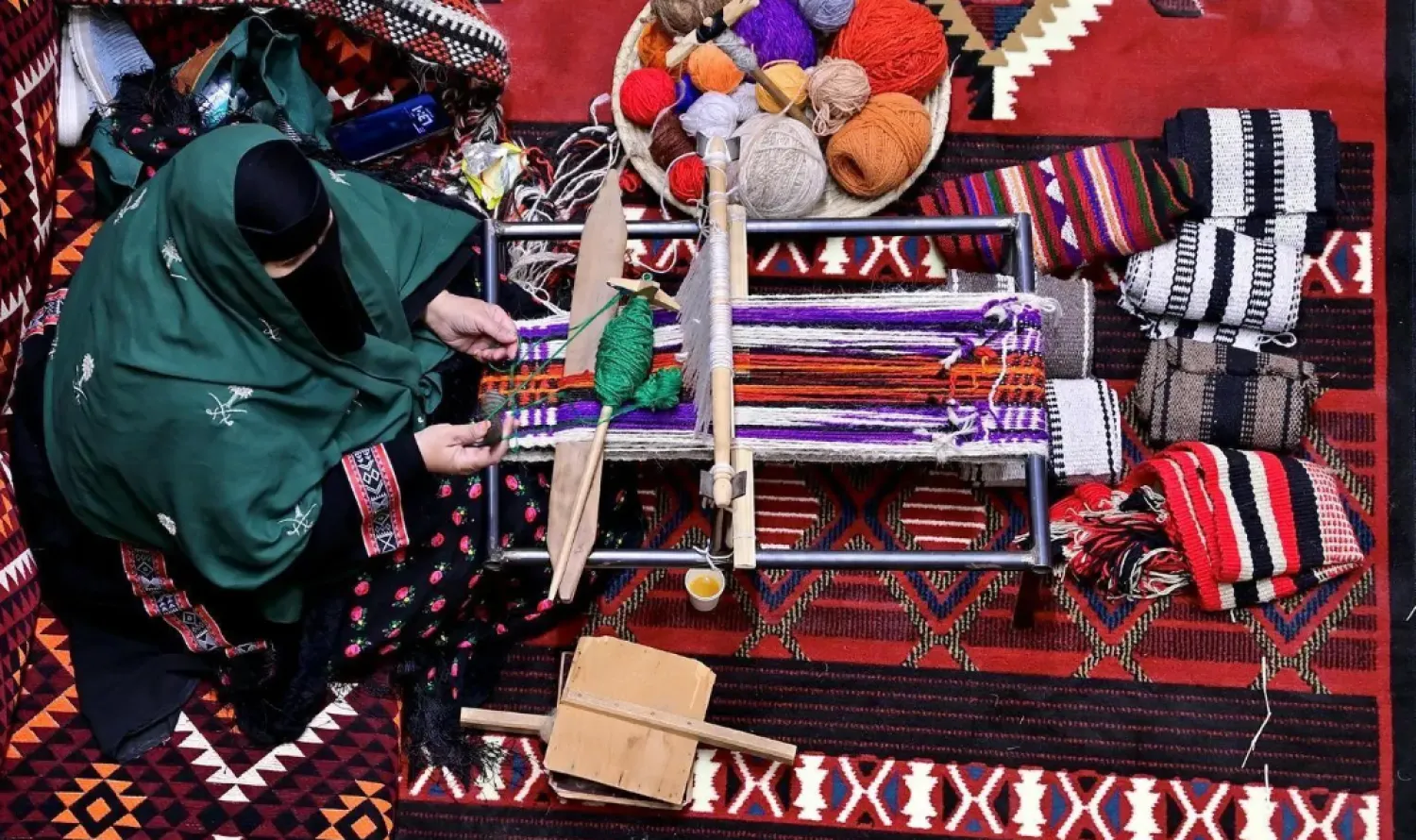



Riyadh Cultural House Marks Founding Day with Creative Heritage Programs

The celebration underscored the role of cultural houses in strengthening national identity - SPA
TT

Riyadh Cultural House Marks Founding Day with Creative Heritage Programs

The celebration underscored the role of cultural houses in strengthening national identity - SPA

The Riyadh Cultural House celebrated the Kingdom’s Founding Day with a range of cultural programs that highlighted national values and showcased the nation’s heritage in a modern, creative spirit.

The events included poetry evenings, dialogue sessions, cultural performances, and interactive workshops, all emphasizing the history and principles on which the Saudi state was founded, SPA reported.

The celebration underscored the role of cultural houses in strengthening national identity, fostering pride in the Kingdom’s history, and preserving its cultural legacy for future generations.


Riyadh Cultural House Marks Founding Day with Creative Heritage Programs

The events included poetry evenings, dialogue sessions, cultural performances, and interactive workshops. SPA
TT

Riyadh Cultural House Marks Founding Day with Creative Heritage Programs

The events included poetry evenings, dialogue sessions, cultural performances, and interactive workshops. SPA

The Riyadh Cultural House celebrated the Kingdom’s Founding Day with a range of cultural programs that highlighted national values and showcased the nation’s heritage in a modern, creative spirit.

The events included poetry evenings, dialogue sessions, cultural performances, and interactive workshops, all emphasizing the history and principles on which the Saudi state was founded.

The celebration underscored the role of cultural houses in strengthening national identity, fostering pride in the Kingdom’s history, and preserving its cultural legacy for future generations.


Prince Mohammed bin Salman Project Renovates Historic Al-Qibli Mosque in Riyadh

Al-Qibli Mosque is named for its location west of Manfuha and near the Principality Palace - SPA
TT

Prince Mohammed bin Salman Project Renovates Historic Al-Qibli Mosque in Riyadh

Al-Qibli Mosque is named for its location west of Manfuha and near the Principality Palace - SPA

The Prince Mohammed bin Salman Project for the Development of Historical Mosques continues efforts to preserve the Kingdom’s authentic architectural identity.

One of its recent projects is the comprehensive renovation of Al-Qibli Mosque in the old neighborhood of Manfuha in Riyadh. The restoration reflects traditional Najdi architecture and highlights the mosque’s connection to the town’s administrative and social history, SPA reported.

Al-Qibli Mosque is named for its location west of Manfuha and near the Principality Palace. It was historically the closest mosque to the town’s seat of government and was frequented by princes and prominent figures. The mosque spans approximately 500 square meters. It includes an outer courtyard, an inner prayer hall, and a lower prayer room of equal size that dates back to the original construction. Square, plaster-lined windows on the north and south sides provide natural ventilation.

These were added during the mosque’s second reconstruction around 1364 AH (1945 AD).

The covered inner prayer hall measures 15 by 8 meters and rests on 33 columns arranged in three rows. It was built by architect Abdullah bin Masoud upon the order of King Abdulaziz bin Abdulrahman. The roof is constructed using tamarisk and palm trunks, and a minaret stands at the center of the northern façade. Following earlier renovations in 1414 AH (1993 AD), the mosque remains the last mud-brick mosque in old Manfuha.

According to SPA, its design creates a visual connection between the courtyard and the inner hall, alongside a secluded lower prayer room. The site also includes the historic water fountain of Faris bin Abdullah bin Shaalan, who died in 1175 AH (1762 AD), and an old ablution area.

The current renovation uses the same local materials as the original construction, including mud, plaster, tamarisk wood, and palm fronds. Specialized Saudi heritage companies and engineers are overseeing the work to ensure preservation of historical authenticity while meeting modern sustainability standards.

The restoration aligns with the project’s four objectives: preparing historical mosques for worship, restoring architectural authenticity, highlighting the Kingdom’s cultural dimension, and enhancing religious significance. The project supports the cultural and civilizational goals of Saudi Vision 2030 and contributes to preserving the Kingdom’s architectural heritage for future generations.