


Saudi Arabia’s CDF Brings Together Cultural Leaders, Influencers at ‘Storytellers’ Suhoor

This marks the third consecutive year the CDF has hosted the "Storytellers" event. SPA
TT

Saudi Arabia’s CDF Brings Together Cultural Leaders, Influencers at ‘Storytellers’ Suhoor

This marks the third consecutive year the CDF has hosted the "Storytellers" event. SPA

The Cultural Development Fund (CDF) hosted the 2025 "Storytellers" Suhoor, bringing together high-ranking officials, cultural and development sector leaders, entrepreneurs, and creators across various cultural fields.

The gathering is part of the fund’s ongoing efforts to strengthen connections within the cultural sector, explore new opportunities, and support the sector’s exceptional momentum. As a key financial enabler, the CDF continues to play a vital role in nurturing Saudi culture and inspiring creativity.
The evening featured a keynote speech by CDF Chief Executive Majed Al-Hogail, followed by remarks from representatives of the Elite Chefs Center, the team behind the "CHEFPreneur" program—one of the initiatives supported by the fund. The event also celebrated 42 graduates of the program, recognizing their successful completion of the training journey.
The CHEFPreneur program is a specialized training initiative designed to equip aspiring chefs with both culinary expertise and entrepreneurial skills, enabling them to launch their own projects and establish competitive businesses in the field.
In line with its commitment to supporting projects it has enabled, the CDF showcased several beneficiary projects during the event, allowing guests to experience their creative offerings firsthand.
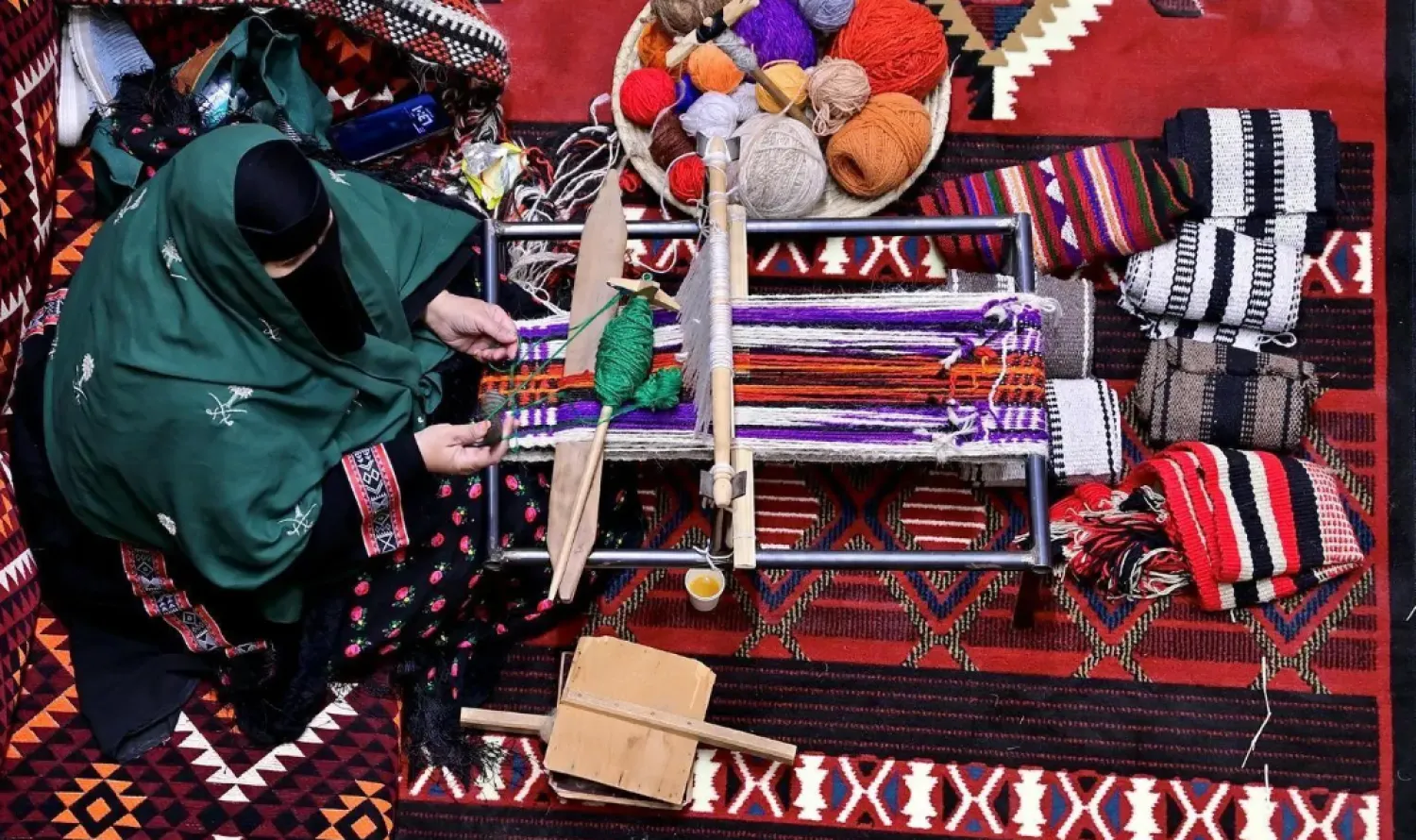
Held in a distinctive Ramadan atmosphere, the gathering included cultural activities aligned with the Year of Handicrafts 2025. Guests engaged in traditional craft experiences such as prayer bead-making and henna art, while a special art exhibition featured works by visual artist and craftswoman Naifah Alshahrani. Inspired by the traditional Al-Qatt Al-Asiri, the exhibition paid tribute to the rich heritage of southern Saudi Arabia. The interplay of colors and intricate details added a unique artistic touch to the evening.
This marks the third consecutive year the CDF has hosted the "Storytellers" event. The 2025 edition was held at AlMashtal Creative Incubator—one of the fund’s beneficiaries—reinforcing its ongoing support for cultural entrepreneurs and small and medium enterprises (SMEs) in the cultural landscape. The event also aimed to strengthen strategic partnerships with government entities, the private sector, and nonprofit organizations to drive the sustainable growth of the cultural sector, ultimately contributing to economic development and enhancing quality of life.



Cultural Camp at King Abdulaziz Camel Festival Showcases Saudi Heritage

The camp celebrates authentic Saudi heritage and reinforces culture as a cornerstone of national identity - SPA
TT

Cultural Camp at King Abdulaziz Camel Festival Showcases Saudi Heritage

The camp celebrates authentic Saudi heritage and reinforces culture as a cornerstone of national identity - SPA

The cultural camp is a key feature of the 10th King Abdulaziz Camel Festival, held in Al-Sayahid desert. The camp celebrates authentic Saudi heritage and reinforces culture as a cornerstone of national identity, according to SPA.

It offers a range of programs, including live performances and interactive events, that highlight camels' historical significance in Arab culture and illustrate the values of patience, strength, and belonging.

The camp has attracted over 2,000 guests from 71 nationalities, emphasizing its global appeal as a cultural platform for diversity and tradition.

Visitors engage with cultural content through innovative methods that merge authenticity with modern technology, enhancing awareness of the camel's cultural legacy. This initiative aligns with Saudi Vision 2030 by preserving heritage and connecting younger generations with their roots.


Tuwaiq Sculpture 2026 Announces 25 Participating Artists for Seventh Edition

The 2026 edition features a month-long live sculpting phase alongside a community engagement program - SPA
TT

Tuwaiq Sculpture 2026 Announces 25 Participating Artists for Seventh Edition

The 2026 edition features a month-long live sculpting phase alongside a community engagement program - SPA

Under the Royal Commission for Riyadh City and Riyadh Art, Tuwaiq Sculpture has announced the selection of 25 artists for the seventh edition of the annual sculpture symposium and exhibition, taking place from January 10 to February 22, 2026.

This year’s edition unfolds under the curatorial theme “Traces of What Will Be,” inviting artists to reflect on how sculptural form can express the physical, cultural and conceptual traces that shape the future of cities and communities, SPA reported.

A total of 25 artists from 18 countries, including Saudi artists, have been selected for the seventh edition. Their proposals reflect a diverse range of artistic approaches, responding to the theme through explorations of transformation, place, and materiality.

Director of the Tuwaiq Sculpture Symposium Sarah Alruwayti said: "The seventh edition of Tuwaiq Sculpture received more than 590 applications, reflecting the cultural diversity and global interest in the symposium. The selection of the 25 participating artists was carried out by a jury of industry experts and specialists. Their proposals show meaningful engagement with the theme and reflect the strength and diversity of contemporary sculptural practice. We look forward to welcoming them to Riyadh for the creation of new works that will become lasting additions to the city.”

Building on the evolving material practice of the symposium, Tuwaiq Sculpture 2026 introduces two sculpting categories: granite with optional stainless-steel integration and reclaimed metal. Twenty artists will work in granite, while five will create new works in reclaimed metal. Over four weeks, they will produce large-scale sculptures that will later be added to Riyadh Art’s permanent public art collection.

The 2026 edition features a month-long live sculpting phase alongside a community engagement program, inviting visitors to witness the creation of artworks and take part in panel discussions and workshops. The symposium will conclude with a public exhibition showcasing the completed sculptures from its seventh edition.


ALECSO Celebrates Opening of Arabic Calligraphy Center in Saudi Arabia

Arabic calligraphy adorns wrcades, Walls of the Grand Mosque of Makkah - SPA
TT

ALECSO Celebrates Opening of Arabic Calligraphy Center in Saudi Arabia

Arabic calligraphy adorns wrcades, Walls of the Grand Mosque of Makkah - SPA

The Arab League of Educational, Cultural and Scientific Organization (ALECSO) congratulated Saudi Arabia on the opening of the Prince Mohammed bin Salman Global Center for Arabic Calligraphy in Madinah on December 22, 2025.

In a statement, ALECSO called the center a significant addition to the Arab and Islamic cultural landscape, noting its role in preserving Arabic calligraphy and enhancing its global presence, SPA reported.

This achievement reflects the Kingdom's commitment to culture and heritage, aligning with Saudi Vision 2030’s objectives of fostering cultural creativity and reinforcing Arabic identity.

ALECSO emphasized that such institutions serve as global bridges for cultural exchange and ensure the relevance of traditional arts through dedicated research and training facilities.