
Australia’s Bid for Ancient Rock Art World Heritage Listing Stalls Over Pollution 

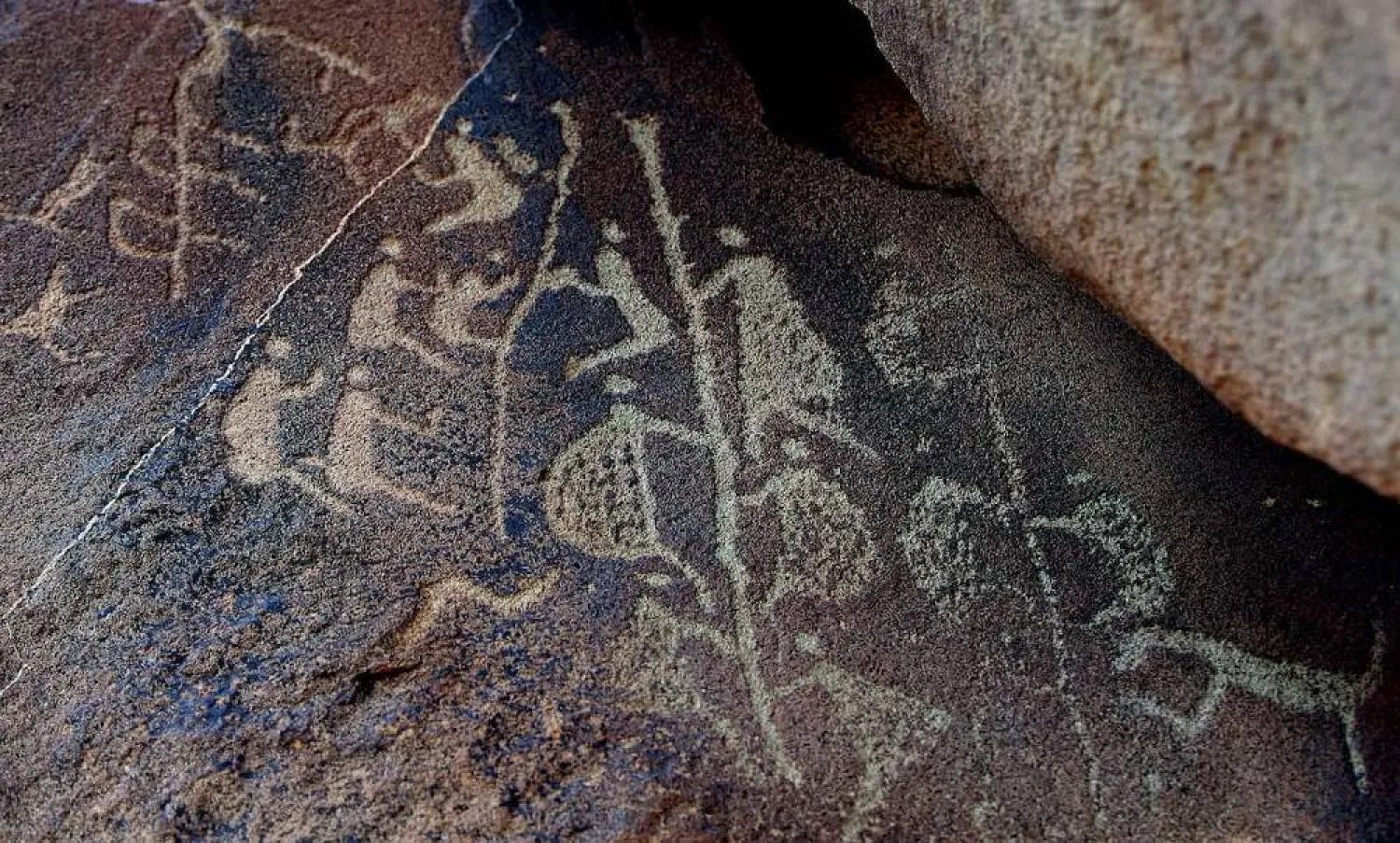
Located on the Burrup Peninsula in Western Australia state, the Murujuga rock art, which is of cultural and spiritual significance to local Indigenous Australians, was nominated for heritage listing in 2023. (Getty Images/AFP)
TT

Australia’s Bid for Ancient Rock Art World Heritage Listing Stalls Over Pollution 

Located on the Burrup Peninsula in Western Australia state, the Murujuga rock art, which is of cultural and spiritual significance to local Indigenous Australians, was nominated for heritage listing in 2023. (Getty Images/AFP)

Australia’s bid to secure World Heritage status for a site with Indigenous rock art estimated to be 50,000 years old has been dealt a blow after a UN advisory body warned it was at risk from nearby industrial pollution.

The International Council on Monuments and Sites advised UNESCO to refer the nomination back to the Australian government so it could “prevent any further industrial development adjacent to, and within, the Murujuga Cultural Landscape”.

Located on the Burrup Peninsula in Western Australia state, the Murujuga rock art, which is of cultural and spiritual significance to local Indigenous Australians, was nominated for heritage listing in 2023.

The Burrup Peninsula is also a key industrial hub, home to two gas plants run by Woodside, and fertilizer and explosives plants run by Norway's Yara International.

The government on Wednesday extended the lifetime of Woodside’s largest gas plant in the region, the North West Shelf, until 2070. The extension will generate up to 4.3 billion metric tons of additional carbon emissions.

Scrutiny over the impact of Australia's resources industry on Indigenous heritage sites has been magnified since Rio Tinto destroyed the 46,000-year-old Juukan Gorge rock shelters as part of a mine expansion in 2020.

Australia has said the Murujuga petroglyphs were in “good condition overall” and presented findings from a study of the site that said there were no suggestions “acid rain or deposition is contributing to damage of the rock art”.

Despite this, ICOMOS recommended preventing further industrial development near the site and called for a “decommissioning and rehabilitation plan for existing industrial activities”.

ICOMOS, citing media reports quoting rock art experts and information received about the proposed North West Shelf extension, concluded “the conservation conditions of the petroglyphs are extremely vulnerable and threatened by industrial acidic emissions”.

Luke James, a cultural heritage expert at Deakin University, said the ICOMOS draft decision was a “setback” for the Australian government.

“ICOMOS has identified some concerns around protection and management,” he said. “It is now up to the Australian government to demonstrate to the committee that these are surmountable, or it will need to wait at least a year - and do further work - for another chance at inscription.”

Woodside said in a statement it continued to support the heritage listing of the rock art and would work with the Murujuga traditional owners and government to prepare its response to ICOMOS' recommendation.

“We believe the World Heritage nomination should proceed on the strength of the evidence and stand as proof that cultural heritage and industry can responsibly coexist when collaboration, transparency and rigorous scientific monitoring are in place,” it said.

The UNESCO World Heritage Committee will meet in July.


Saudi Culture Ministry Concludes Intangible Cultural Heritage Documentation Project in Al-Ahsa

Saudi Culture Ministry Concludes Intangible Cultural Heritage Documentation Project in Al-Ahsa
TT

Saudi Culture Ministry Concludes Intangible Cultural Heritage Documentation Project in Al-Ahsa

Saudi Culture Ministry Concludes Intangible Cultural Heritage Documentation Project in Al-Ahsa

The Saudi Ministry of Culture concluded the project to survey, document, and archive intangible cultural heritage in Al-Ahsa Governorate by holding a workshop in the governorate, attended by stakeholders and relevant entities, as part of the ministry’s efforts to preserve national cultural heritage and strengthen Saudi cultural identity, reported the Saudi Press Agency on Thursday.

The project included a field survey covering various cities and villages across Al-Ahsa, during which diverse elements of intangible cultural heritage were identified and documented. These included oral traditions, performing arts, skills associated with traditional cultural crafts, social practices, and knowledge related to nature and the local environment.

The work was carried out in cooperation with concerned entities, specialized experts, and local practitioners.

The workshop reviewed the project’s final outcomes and presented reports on documentation and digital archiving activities.

It discussed mechanisms to ensure the sustainability of these efforts and the transmission of this cultural legacy to future generations, contributing to greater community awareness of the value and importance of intangible cultural heritage.


Hail Region Pavilion Showcases Heritage Artifacts at Camel Festival

The pavilion aims to connect visitors to Hail's history and social legacy - SPA
TT

Hail Region Pavilion Showcases Heritage Artifacts at Camel Festival

The pavilion aims to connect visitors to Hail's history and social legacy - SPA

Hail Region pavilion at the Ministry of Interior’s Security Oasis exhibition, part of the 10th King Abdulaziz Camel Festival in Al-Sayahid, features heritage artifacts that reflect the region's renowned hospitality.

The display includes ancient trays and copperware from nearly seventy years ago.

According to SPA, these traditional food preparation and serving vessels have garnered significant interest from visitors. They document daily life in old Hail and its deep-rooted social traditions, particularly in gatherings and special occasions.

The pavilion aims to connect visitors to Hail's history and social legacy, fostering appreciation for national heritage and ensuring cultural preservation for future generations.


Visitors Explore Saudi ID History at King Abdulaziz Camel Festival

The agency is presenting examples of national ID cards and how these documents have evolved - SPA
TT

Visitors Explore Saudi ID History at King Abdulaziz Camel Festival

The agency is presenting examples of national ID cards and how these documents have evolved - SPA

The Civil Affairs Agency is displaying historical documents, including the earliest official identification papers issued to citizens, at the 10th King Abdulaziz Camel Festival in Al-Sayahid, north of Riyadh.

As part of the Ministry of Interior’s Security Oasis exhibition, the agency is presenting examples of national ID cards and other official documents, highlighting how these documents have evolved, SPA reported.

Visitors can also see how old or damaged documents are carefully restored and repaired using advanced technologies and specialized equipment.