
Sculptor Martin Jennings Chosen to Create Statue for Queen Elizabeth II

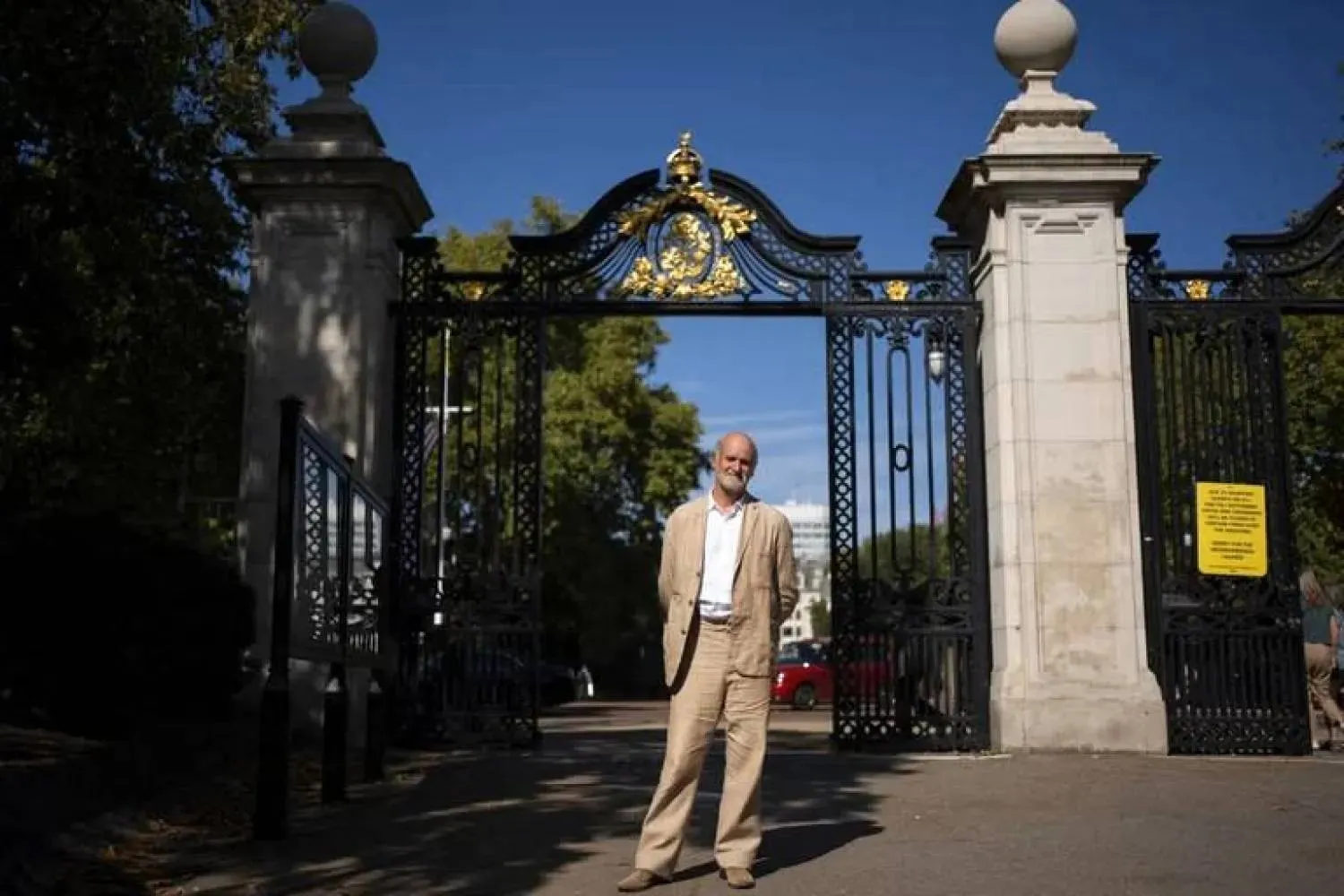
Martin Jennings has been chosen to create a statue of Queen Elizabeth II for a new national memorial. (Getty Images)
TT

Sculptor Martin Jennings Chosen to Create Statue for Queen Elizabeth II

Martin Jennings has been chosen to create a statue of Queen Elizabeth II for a new national memorial. (Getty Images)

A renowned British sculptor said he is “thrilled” to have been chosen to create a statue of Queen Elizabeth II for a new national memorial, saying he would like it to be an “object of delight for people.”

Martin Jennings, who has also portrayed the Queen Mother and King Charles in past works, told Sky News he was “delighted” when he received the call saying he'd been invited to join the project.

“I mean, I was absolutely thrilled,” he said.

“It's a terrific commission to be asked to do and to be quite honest, I can't quite remember what the rest of the phone call was all about - I was so delighted to have been appointed.”

Jennings will now set about creating the statue of the late Queen in the planned national memorial in London called Queen Elizabeth II Place.

It will provide the public with a permanent space to commemorate the country's longest-reigning monarch, who died in 2022.

He said that while the design for the statue is yet to be decided, he would like for it to have a sense of “stillness,” which reflects the “dignity” and “grace” of her reign.

“I would like it to be an object of delight for people,” he said.

“I don't want it to be too grave. It needs to have panache, it needs to have grandeur to suit its site, it needs to have a kind of delight to it.

“But she was so constant that the dignity, the restraint and the grace that we associate with her are things that at the moment are at the forefront of my mind.”

Architect Lord Norman Foster, known for designing The Gherkin, has won the bid to design the memorial, which will be located at Marlborough Gate in St James's Park, close to Buckingham Palace.

It will also feature a new Prince Philip Gate on the other side of the park on Birdcage Walk with a statue of Philip, as well as a “family of gardens,” meandering paths and a new translucent, glass unity bridge.

A panel of committee members will work with the team on the final design, which is expected to be unveiled in 2026 - the late Queen's 100th birthday year.

Jennings told Sky News he expects there will be “considerable interest” from the Royal Family, with the King “keen that his mother should be represented appropriately.”

“I hope it will be something that both they and the general public are proud of,” he said.


Saudi Arabia: King Abdulaziz Library to Launch 26th Free Reading Festival

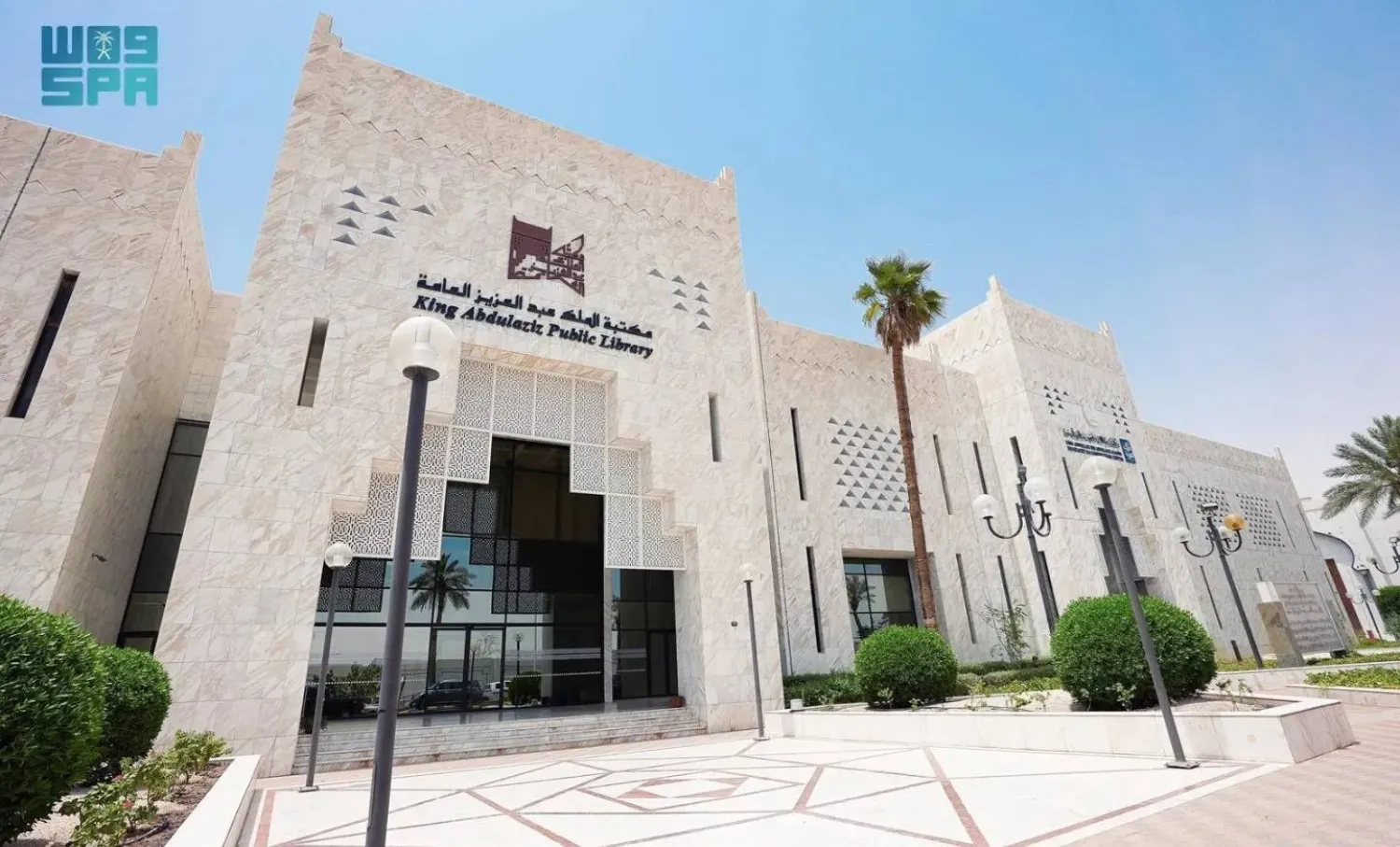
The King Abdulaziz Public Library. SPA
TT

Saudi Arabia: King Abdulaziz Library to Launch 26th Free Reading Festival

The King Abdulaziz Public Library. SPA

The King Abdulaziz Public Library, in cooperation with the Riyadh Education Department, will launch its 26th annual Free Reading Festival for public school students on Sunday.

Running from May 10 to 14 in Riyadh, the festival will bring together more than 100 schools, over 1,550 students, and a number of educators and teachers.

It aims to foster a love of reading and learning, expand students’ literary, scientific, and cultural horizons, and encourage teachers to promote independent reading. It will also provide a platform to showcase student talents and strengthen Arabic language skills.

Through initiatives like this festival, the King Abdulaziz Public Library promotes reading through diverse programs and a wide range of books that foster pride in the Kingdom’s heritage.


Qassim's Monday Market Retains Heritage Role as Economic and Cultural Hub

The Monday market in the governorate of Uyun Al-Jiwa. (SPA)
TT

Qassim's Monday Market Retains Heritage Role as Economic and Cultural Hub

The Monday market in the governorate of Uyun Al-Jiwa. (SPA)

The Monday market in the governorate of Uyun Al-Jiwa, north of Qassim Region, stands as one of the oldest traditional weekly markets, enduring through changing times while maintaining its role as a vibrant economic and cultural hub.

The market draws a growing number of visitors from across Qassim and beyond, supported by the governorate’s strategic location.

During a field tour, the Saudi Press Agency observed lively activity throughout the market, with stalls displaying a diverse range of products. These include agricultural goods such as almonds and dried figs; animal products like ghee and milk, for which the region is renowned; as well as handicrafts and natural items such as henna and sidr.

Visitors noted that the market has retained its authentic character, continuing to serve as a vital source of income for small vendors and families working in the cottage industry, reinforcing its role as a key platform for preserving traditional culture while supporting the local rural economy.


Heritage Commission Revives Al-Nasb Heritage District as Abha Cultural Tourism Destination

The district’s significance lies in its unique architectural composition - SPA
TT

Heritage Commission Revives Al-Nasb Heritage District as Abha Cultural Tourism Destination

The district’s significance lies in its unique architectural composition - SPA

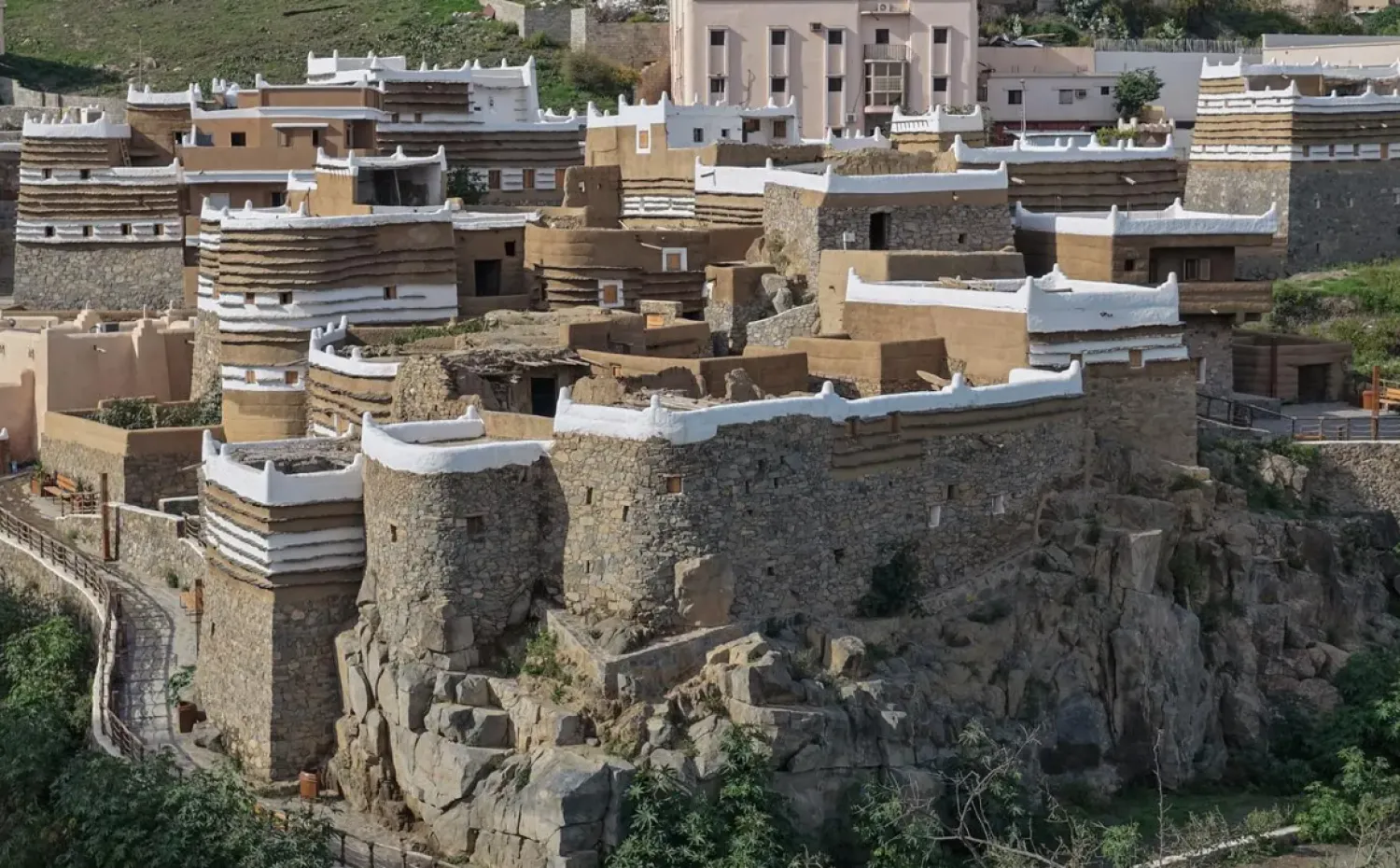
Al-Nasb Heritage District in Abha is one of the most prominent living examples of traditional architecture in Aseer Region, preserving its long history and architectural details that embody people’s connection to their local environment and document the social and cultural patterns that have shaped the identity of the place across generations.

The district’s significance lies in its unique architectural composition, where mud and stone buildings stand side by side in visual harmony. They were built using local materials such as stone, clay, and juniper trunks, while the narrow alleyways and closely set buildings give the district a cohesive social character that reflects the spirit of past communities in the region and the close relationship between people and place.

The Heritage Commission has revived the district through an integrated restoration and rehabilitation project aimed at preserving its original elements and enhancing its sustainability, as part of national efforts to protect urban heritage and highlight it as a cultural and tourism asset, SPA reported.

The site is also distinguished by its natural setting, as the district overlooks the banks of Abha Valley and surrounding farms, giving it a distinctive visual and aesthetic dimension. Its narrow passageways and closely set buildings illustrate a traditional urban pattern that strengthens ties among residents and captures the nature of social life in that era.

The district is now a growing destination for culture and tourism in Abha, attracting visitors and heritage enthusiasts who come to explore the details of authentic architecture and learn about the traditional ways of life that have shaped Aseer Region’s identity across generations. The project helps raise awareness of the importance of preserving archaeological sites as a key pillar in forming national memory.

The project is part of the Kingdom’s efforts to protect and effectively manage cultural heritage, in line with the targets of Saudi Vision 2030, which gives special attention to the cultural sector. It seeks to turn heritage sites into vibrant spaces that support cultural tourism and sustainable development while reconnecting society with its historical roots.