


Louvre Museum to Add 100 External Cameras by 2026 After Heist Exposed Security Flaws 

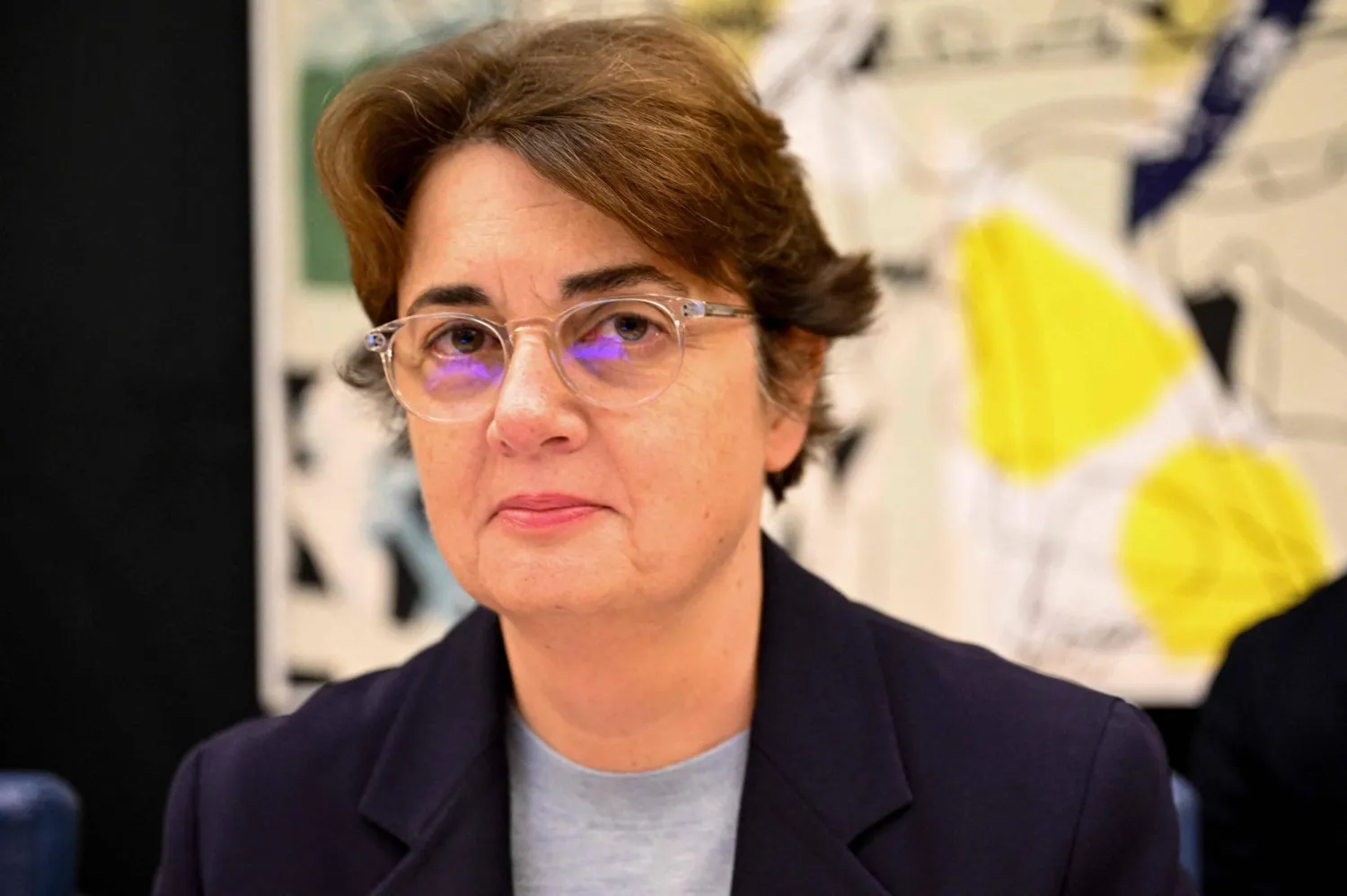
President of the Louvre Museum Laurence des Cars looks on during her audition before the National Assembly cultural affairs committee at the Palais Bourbon in Paris, on November 19, 2025. (AFP)
TT

Louvre Museum to Add 100 External Cameras by 2026 After Heist Exposed Security Flaws 

President of the Louvre Museum Laurence des Cars looks on during her audition before the National Assembly cultural affairs committee at the Palais Bourbon in Paris, on November 19, 2025. (AFP)

France's Louvre Museum will install 100 external cameras by the end of 2026 as part of measures to tighten security after last month's spectacular heist, its director said on Wednesday.

Laurence des Cars also told a National Assembly hearing that ties with Paris police would be tightened with the installation of an "advanced police station within the Louvre's estate".

The daylight October 19 robbery, in which four robbers made off with jewels worth $102 million, has raised doubts over the credibility of the world's most-visited museum as a guardian for its myriad works.

While investigators have charged four suspects accused of involvement in the raid, the treasures have yet to be recovered.

Officials have admitted there was inadequate security camera coverage of the outside walls of the museum and no cover of the balcony involved in the break-in.

After the robbery, French officials said the Louvre would introduce extra security, including anti-intrusion devices and anti-vehicle ramming barriers on nearby public roads, by the end of the year.

A report published last month by France's public audit body, known as the Cour des Comptes, said the museum's inability to update its infrastructure was exacerbated by excessive spending on artwork.

Des Cars, however, told lawmakers: "I fully take responsibility for these acquisitions, which are the pride of our country and our collections. Work at the Louvre should not be seen as competing with the enrichment of national collections."



Leading Portraiture Competition Celebrates Saudi Heritage Through Art

Throughout its history, the award has emphasized themes rooted in Saudi heritage and national initiatives - SPA
TT

Leading Portraiture Competition Celebrates Saudi Heritage Through Art

Throughout its history, the award has emphasized themes rooted in Saudi heritage and national initiatives - SPA

The Dia Aziz Dia Award for Portrait, hosted by the Saudi Arabian Society for Culture and Arts in Jeddah, is a leading platform for portraiture and the only competition of its kind in the Middle East. It fosters national identity through contemporary art, connecting veteran and emerging artists.

Throughout its history, the award has emphasized themes rooted in Saudi heritage and national initiatives, including Saudi women, the Arabian horse, the Saudi Green Initiative, and King Abdulaziz.

These themes highlight art's role in reflecting social transformations and contributing to the cultural goals of Saudi Vision 2030, SPA reported.

The current ninth edition, with a theme focused on King Salman, invited artists to depict the leadership and humanity of the Custodian of the Two Holy Mosques. This edition attracted significant participation, with 787 submissions from 42 cities, including international entries.

Of these, 61 works were shortlisted for the final competition, with prizes totaling SAR170,000 awarded to three main winners and seven incentive recipients.


Jazan Cultural House Explores Symbolism of Saudi Flag

The evening featured a critical reading on the symbolism of the Saudi flag and its ties to national identity and core values
TT

Jazan Cultural House Explores Symbolism of Saudi Flag

The evening featured a critical reading on the symbolism of the Saudi flag and its ties to national identity and core values

The Jazan Cultural House hosted a cultural evening on the Saudi flag, in collaboration with the Cultural Café, a literary partner of the Literature, Publishing, and Translation Commission.

The evening featured a critical reading on the symbolism of the Saudi flag and its ties to national identity and core values. Speakers discussed its historical and cultural significance as a symbol of unity and sovereignty, reflecting themes of faith, strength, and national cohesion.

The reading also explored the flag's role in fostering a sense of belonging and national pride, as well as various interpretations of its significance in cultural and intellectual discourse.


Prince Mohammed bin Salman Project Restores Historic Al-Qalaah Mosque in Riyadh Region

The mosque is a prime example of traditional Najdi architecture - SPA
TT

Prince Mohammed bin Salman Project Restores Historic Al-Qalaah Mosque in Riyadh Region

The mosque is a prime example of traditional Najdi architecture - SPA

The Prince Mohammed bin Salman Project for the Development of Historical Mosques continues its mission to preserve the Kingdom’s architectural heritage by restoring Al-Qalaah Mosque in Hawtat Bani Tamim, Riyadh Region. Built in 1250 AH (1834 CE), this historic landmark is situated within the fortress of Second Saudi State founder Imam Turki bin Abdullah.

The mosque is a prime example of traditional Najdi architecture, featuring stone foundations, mud walls constructed using molded brick techniques, and a roof of tamarisk trunks and palm fronds supported by stone-bead cylindrical columns, SPA reported.

Through the current renovation, the mosque’s area has expanded from 608.68 to 625.78 square meters while maintaining a capacity for 180 worshippers. Executed by specialized Saudi firms under expert engineering supervision, the project balances traditional standards with modern sustainability to ensure the mosque remains a living testament to Islamic and national history.

This initiative aligns with Vision 2030 objectives to rehabilitate historical sites for worship, highlight cultural heritage, and preserve the Kingdom’s authentic architectural identity for future generations.