
On a rainy November night in 2025, as Ramallah groaned under an Israeli military assault just meters from the presidential compound, a senior Palestinian official smiled bitterly. “I don’t want to talk about Palestine,” he said. “Nor do I wish to repeat slogans about Israel being a colonial state without borders. What I want to talk about now is Syria.”
For this official, Syria has become the starkest proof that Israeli Prime Minister Benjamin Netanyahu not only rejects any genuine peace, but also appears unwilling to tolerate neighboring states at all.
He argued that this is evident even after the new political leadership in Damascus declared openly that it sought neither war nor hostility with Israel. Yet Israel, he said, has continued to violate Syrian sovereignty with increasingly blunt military operations.
The official’s point was simple: Israel’s hostility, in his view, is not confined to Palestinians. “If Hamas launched a war on Israel on Oct. 7, 2023, and Hezbollah started firing its own strikes, and the Houthis joined Iran’s so-called ‘support front,’ Syria did the opposite: it stayed out of the picture, and even more than that.”
‘No threat to Israel’
After coming to power, Syria’s new leadership declared that it posed “no threat to any neighboring state, including Israel.”
The fall of Bashar al-Assad in December 2024 cost Iran one of its most important strategic hubs in the region - Syria. This should have created common ground for Syrian-Israeli understandings, the official noted.
“I fear the Israelis have forgotten these facts, especially now that Syrian territory is no longer a playground for Iranian militias,” the Palestinian official said.
The United States, Türkiye, and Azerbaijan offered to mediate talks and expressed readiness to broker security arrangements ensuring a stable border. Even when Israel grumbled about indirect contacts, Damascus agreed to direct meetings. Six rounds were held between Syrian Foreign Minister Assad al-Shaibani and Israeli Strategic Affairs Minister Ron Dermer.
According to Israeli sources, Damascus signaled significant flexibility: it was prepared to negotiate a comprehensive peace treaty in exchange for the return of all territory lost in 1967 and 2024, while also showing openness to interim proposals, such as leasing the Golan Heights to Israel for up to 15 years or reverting to 1974 security understandings.
Those same sources also claimed Syria was willing to join the Abraham Accords, effectively extending an unprecedented hand of peace to Israel.
Raids and ground incursions
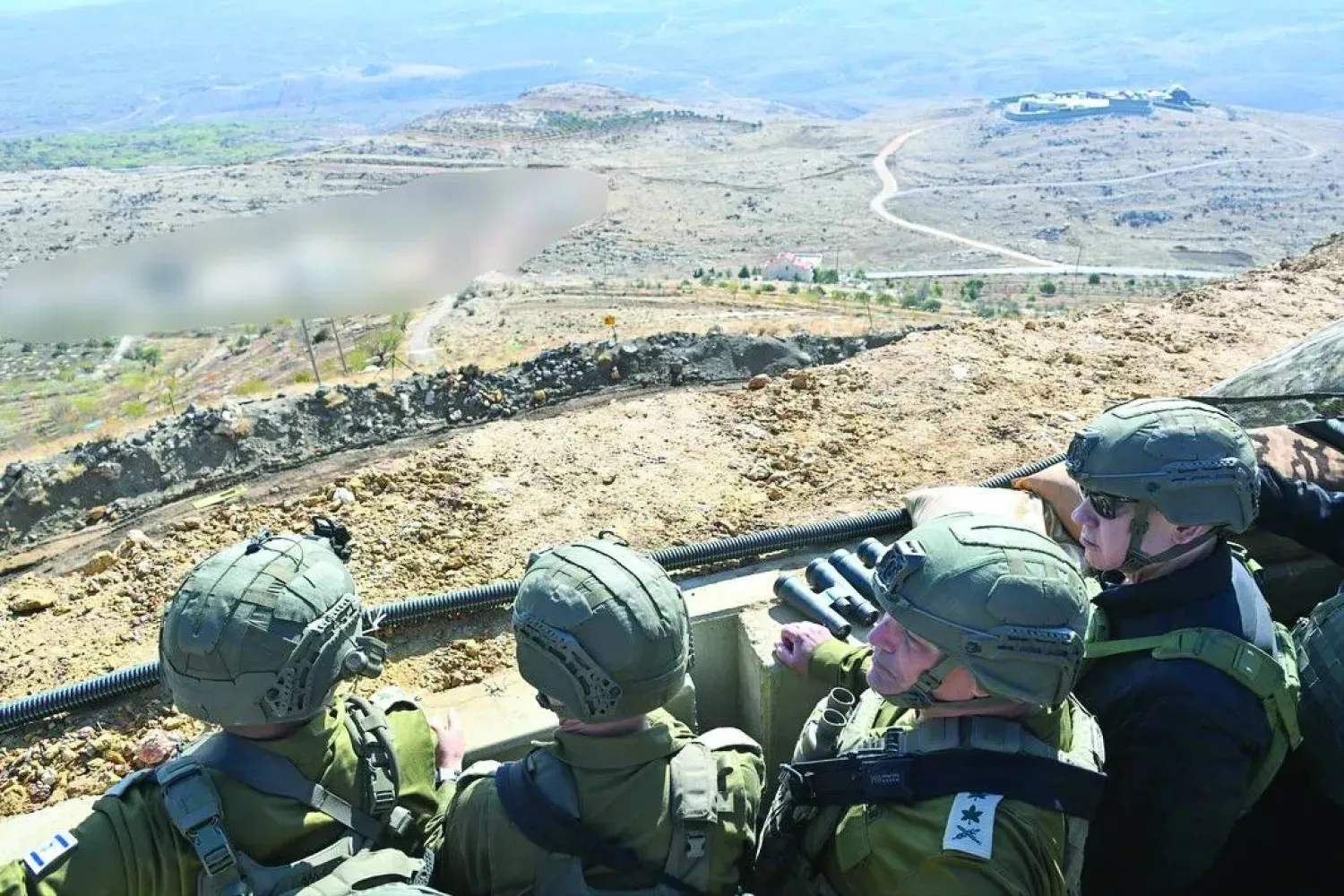
Israel’s response, however, took a different direction. Since December 2024, before Damascus could stabilize its new order, Israel carried out roughly 500 airstrikes on Syrian military airports and bases, destroying an estimated 85 percent of Syria’s defensive capabilities.
Israeli forces seized around 450 square kilometers of territory, from Mount Hermon’s summit to parts of Daraa province, penetrating up to 20 kilometers inside Syria and establishing nine military sites.
Israel also inflamed internal tensions under the claim of “protecting Druze allies,” despite long-standing accusations of discrimination against Druze citizens inside Israel itself.
Israeli officials questioned the new Syrian leadership’s intentions by invoking old links to the Al-Nusra Front, even though Israeli field hospitals in Safed, Haifa, and Tel Aviv had, in past years, treated numerous Nusra fighters.
Who can restrain Netanyahu?
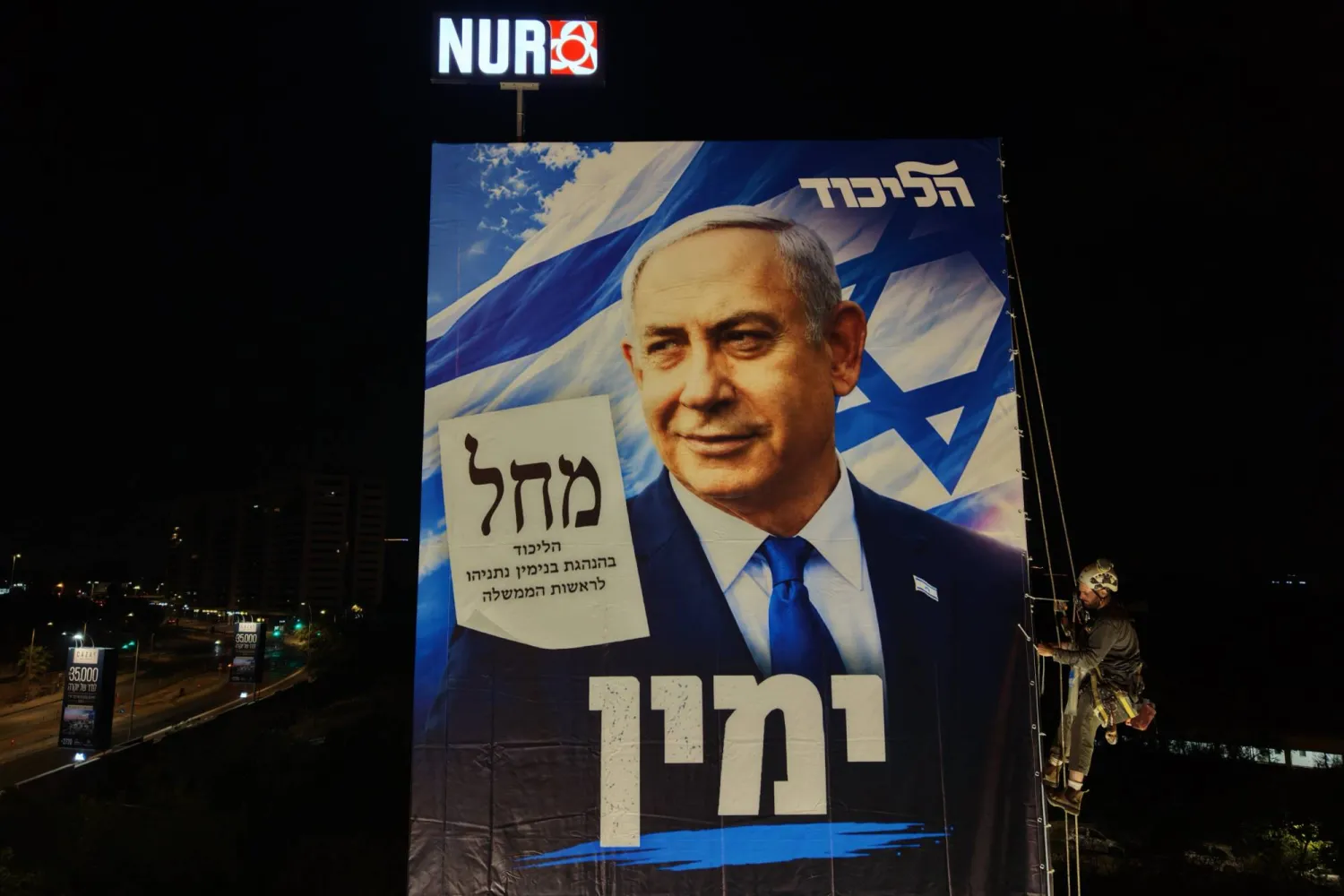
In recent days, Israeli reports claimed US President Donald Trump “rebuked” Israel and Netanyahu over their approach to the new Syria, urging a strategic shift.
Responding, reportedly, to appeals from Saudi Arabia and Prince Mohammed bin Salman, Crown Prince and Prime Minister, Trump appears inclined to pursue a constructive course with Damascus.
Many now believe the White House is the only actor capable of restraining Netanyahu’s Syria policy.
But until any real change appears on the ground, analysts continue to ask: What message is Israel sending to its region through its handling of Syria?