
Government and security sources have revealed that the wave of arrests carried out by Iraqi authorities last Sunday unfolded along two parallel tracks. One targeted suspects accused of embezzling public funds, while the other — a highly classified operation — aimed at what sources described as “separating the twins”: severing the links between figures tied to Tehran within armed factions and oil-smuggling networks and Iraqi state institutions.
According to the sources, Prime Minister Ali Al-Zaidi discussed the plan in strict secrecy with a small circle of senior military officers two weeks before its launch, deliberately excluding leaders of the ruling Coordination Framework alliance. The decision reportedly triggered tensions during the coalition’s latest meeting in Baghdad and reignited questions over the balance of power within Iraq’s governing bloc.
A former US official described the covert operation as “major surgery whose success is too early to judge,” calling it “a bold move by a young prime minister who emerged from relative obscurity.” He cautioned, however, that “Iran’s response has yet to come.”
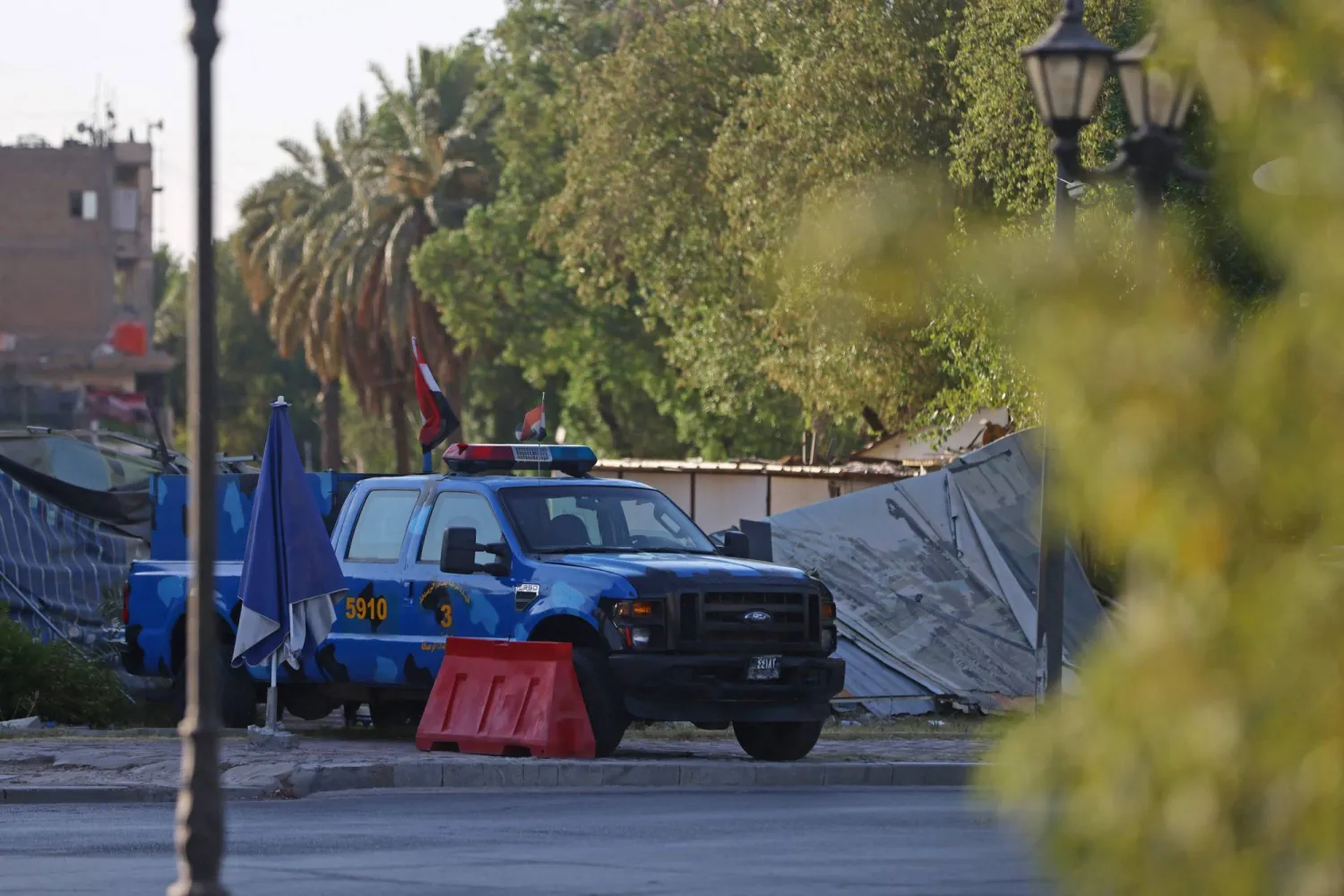
While the public phase of the operation focused on targets inside Baghdad’s heavily fortified Green Zone, special forces simultaneously moved against homes and headquarters elsewhere in the capital and southern Iraq belonging to figures with direct ties to Iran.
Sources said pro-Iran factions initially suggested that a military coup was underway. One source revealed that members of the armed factions heard the word “coup” repeated over their communications networks for a short period before the true nature of the operation became clear.
The government has publicly disclosed the outcome of the campaign, officially dubbed Operation Dawn Strike, announcing the arrest of dozens of suspects accused of embezzling public funds.
Iraq’s Integrity Commission has pledged to continue making arrests while investigations into those detained proceed.
The operation was carried out by elite units from the Iraqi army, the Counter Terrorism Service, and the Special Division. According to sources, the release of images showing large sums of cash hidden inside suspects’ homes and farms, along with footage of a tank conducting a conspicuous maneuver inside the Green Zone, was intended to generate momentum for the covert phase of the operation while discouraging any immediate response from pro-Iran armed groups.
A senior figure in a Shiite faction told Asharq Al-Awsat that Operation Dawn Strike could ultimately serve as cover for dismantling Iraq’s armed “resistance” factions, describing such a strategy — if true — as “smart.”
Zero hour
People familiar with the arrest plan said the operation’s execution was conducted under extraordinary secrecy across both tracks.
They told Asharq Al-Awsat that planning had begun two weeks earlier and that Al-Zaidi restricted discussions to four senior security commanders, excluding party leaders within the Coordination Framework — the ruling coalition that nominated him for office in April.
Authorities set 2 a.m. on June 28 as “zero hour.”
According to informed sources, the operation began with the closure of the Green Zone, the sealing of Baghdad’s entry and exit points, and the deployment of forces around Baghdad International Airport. Simultaneously, however, the covert phase was already underway elsewhere in Baghdad and in southern Iraq.
Two security sources said special forces raided locations in eastern Baghdad, where Iran-aligned armed factions maintain headquarters.
Elite units searched homes and offices for high-value suspects, weapons, and documents, but several wanted individuals escaped shortly before security forces arrived, according to two informed sources.
Last-minute leak
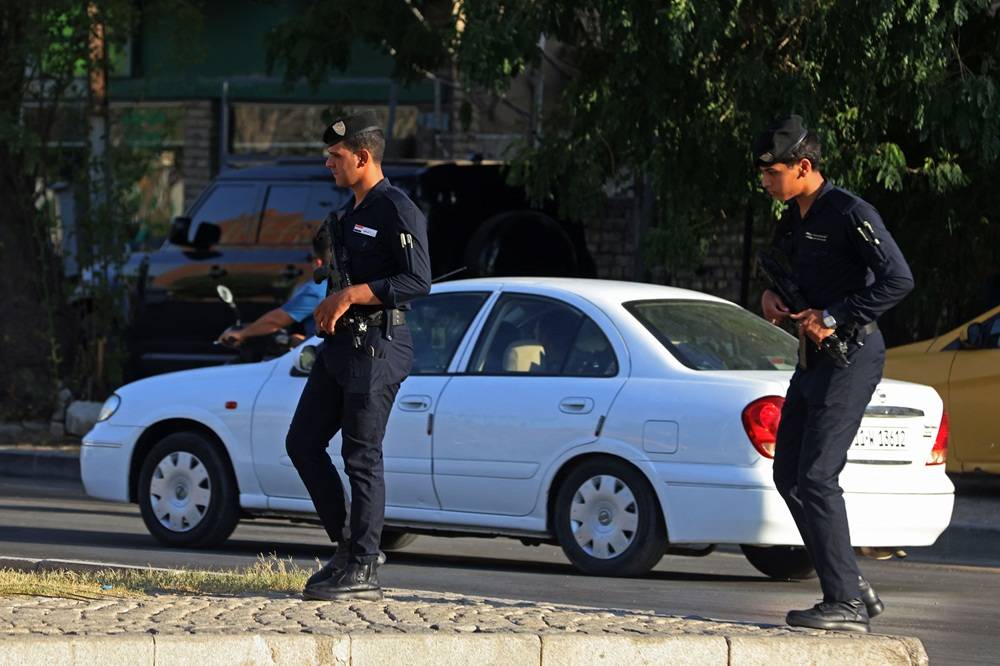
Sources said Iraqi security forces deployed armored vehicles, troop carriers, tanks, and hundreds of personnel to give the operation overwhelming force and deter any armed resistance from faction-linked gunmen.
They added that one wanted individual was protected by an elite security detail from the Popular Mobilization Forces (PMF).
Officials said authorities maintained strict secrecy over both the planning and execution of the operation. Nevertheless, some suspects reportedly received last-minute warnings from executive and political figures.
“Yes, some managed to flee because personal connections alerted them that they had become targets, even less than an hour before security forces were due to arrive,” one source revealed.
For years, groups aligned with Iran have built extensive influence inside Iraqi state institutions by placing figures regarded as absolutely loyal to Tehran in key positions.
If confirmed, these accounts would suggest that Iranian-linked networks have penetrated Iraq’s law enforcement institutions, posing perhaps the greatest challenge yet to government efforts to curb Iranian influence and dismantle the corruption networks associated with it.
Iraqi politician Hamed Al-Sayyed said the campaign’s success depended on preventing information leaks that allow suspects to escape.
Law enforcement officers involved in Operation Dawn Strike reportedly received their deployment orders only hours before the operation and were sent to targets without being told exactly who or what they were pursuing.
“There were only very brief phone calls,” one security source told Asharq Al-Awsat.
According to two sources, the operation’s public track was designed to arrest an initial group of politicians long suspected of corruption and widely resented by the public. The covert track, meanwhile, focused on figures accused of facilitating the expansion of Iran’s Revolutionary Guard Corps (IRGC) inside Iraq’s security and oil institutions.
One political official described that second track as “the real prize.”
‘Big catch’
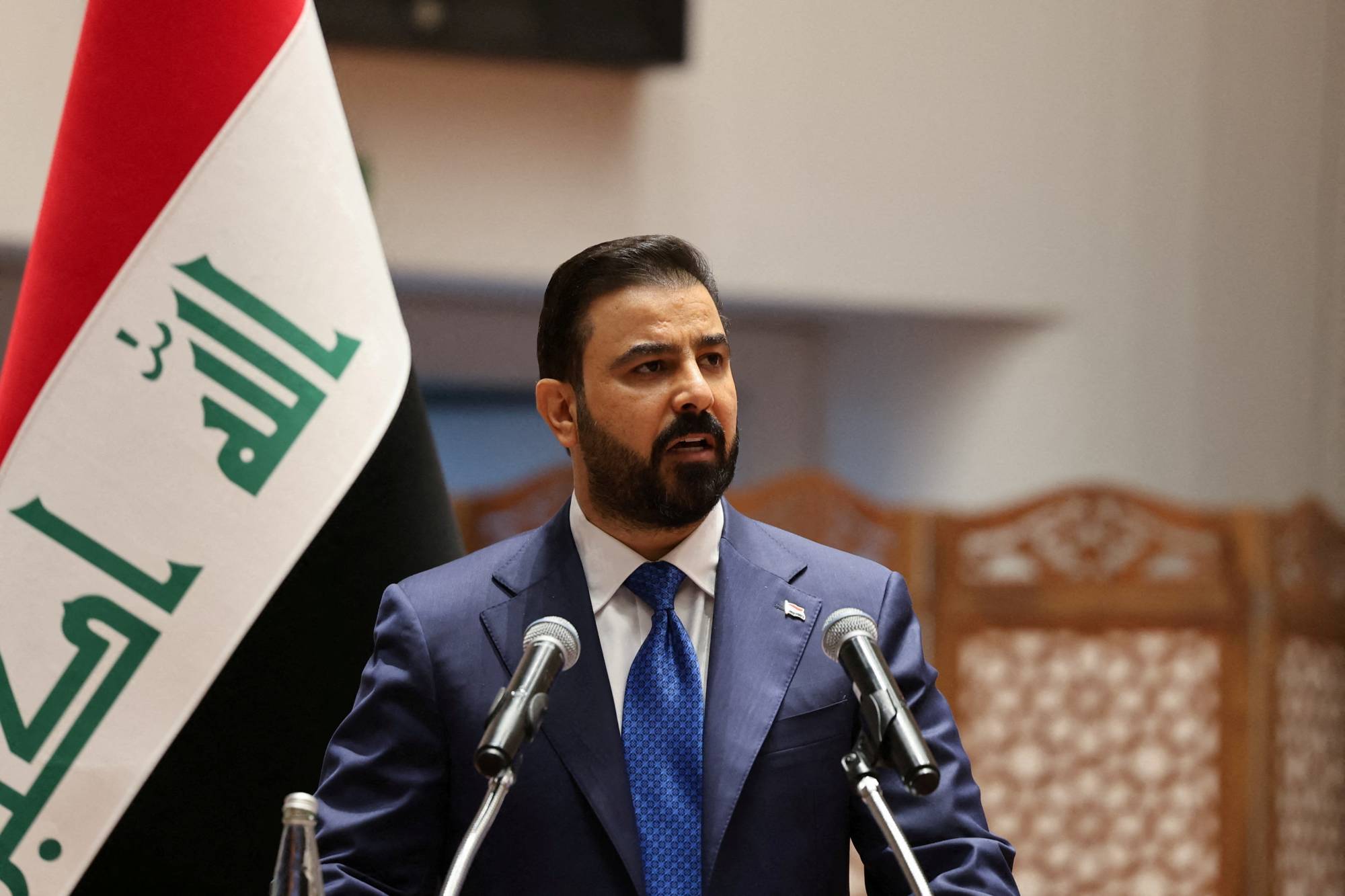
Authorities have so far arrested dozens of executive officials, but Deputy Oil Ministers Ali Maarij and Adnan Al-Jumaili may prove to be the “big catch” capable of exposing a deeply entrenched network in Baghdad accused of facilitating the smuggling of Iranian oil under Iraqi cover.
According to officials, the smuggling networks use forged documents to move Iranian oil through Iraq. Their methods reportedly include blending Iraqi fuel oil with Iranian petroleum products before exporting the mixture as Iraqi oil, allowing Tehran to circumvent US sanctions while generating revenue for Iran-aligned Iraqi armed factions and affiliated networks.
On May 7, the US Department of the Treasury sanctioned Maarij, accusing him of exploiting his official position to facilitate oil shipments benefiting Iran and Iraqi factions loyal to Tehran. Baghdad denied the allegations.
Political circles in Baghdad widely believe the sanctions ended Maarij’s hopes of becoming oil minister. His nomination had been viewed by many as “a valuable gift” symbolizing the growing influence of the IRGC in Baghdad.
A former US diplomat, speaking anonymously, described the operation as “major surgery to separate the twins — the representatives of Iran in Iraq from the country’s official institutions.”
“It is too early to judge whether it will succeed,” he said. “But the boldness of the operation is impressive and suggests a different mood is emerging in Baghdad.”
A political official told Asharq Al-Awsat that authorities are assessing both the limits of their power and the risk of confrontation before deciding whether to resume the operation.
Al-Sayyed argued that retreating now would come at a high price.
“Al-Zaidi has left himself with only one option,” he said. “He must pursue political leaders accused of corruption.”
Another political official suggested, however, that “the second phase may already be underway, even as we speak, but in secret.”
A stormy meeting
On Monday, one day after Operation Dawn Strike, the ruling coalition held its regular meeting with Al-Zaidi in attendance.
Political officials said coalition leaders told the prime minister they supported anti-corruption efforts but argued that they had long agreed to coordinate such operations.
According to sources, the meeting quickly turned contentious, with many coalition leaders believing Al-Zaidi had acted behind their backs.
One senior coalition figure reportedly told him: “It would have been better to involve us in the plan to preserve the stability of the political process.”
Al-Zaidi replied: “What guarantee did I have that the information would not leak if I had informed you?”
The exchanges grew more heated after one coalition member accused the campaign of targeting his bloc’s influence in parliament.
According to sources, he objected to security forces surrounding the home of a senior figure in his political alliance, calling it “an intimidating measure.”
The debate reflected shifting dynamics within Iraq’s ruling coalition.
A senior member of an influential Shiite party said the latest meeting “felt unusual, as though the coalition was losing its monopoly over the political dynamics and decision-making process.”
Two members of the ruling alliance said Al-Zaidi remained composed throughout the meeting.
Even so, the prime minister appears intent on restoring political equilibrium to ensure the campaign can continue.
Sources described the operation as having entered “halftime.”
According to a Kurdish political leader, Al-Zaidi — who is said to enjoy unprecedented backing from US envoy Tom Barrack — hopes to strengthen his political standing ahead of an expected visit to Washington later this month.
The former US diplomat said Al-Zaidi may hope to become “the star of the evening” when he meets President Donald Trump at the White House.
He cautioned, however, that wielding this degree of authority in Iraq’s fragmented political system could prove a double-edged sword if not exercised with caution.