Israel Obliterates South Lebanon's Architectural Heritage

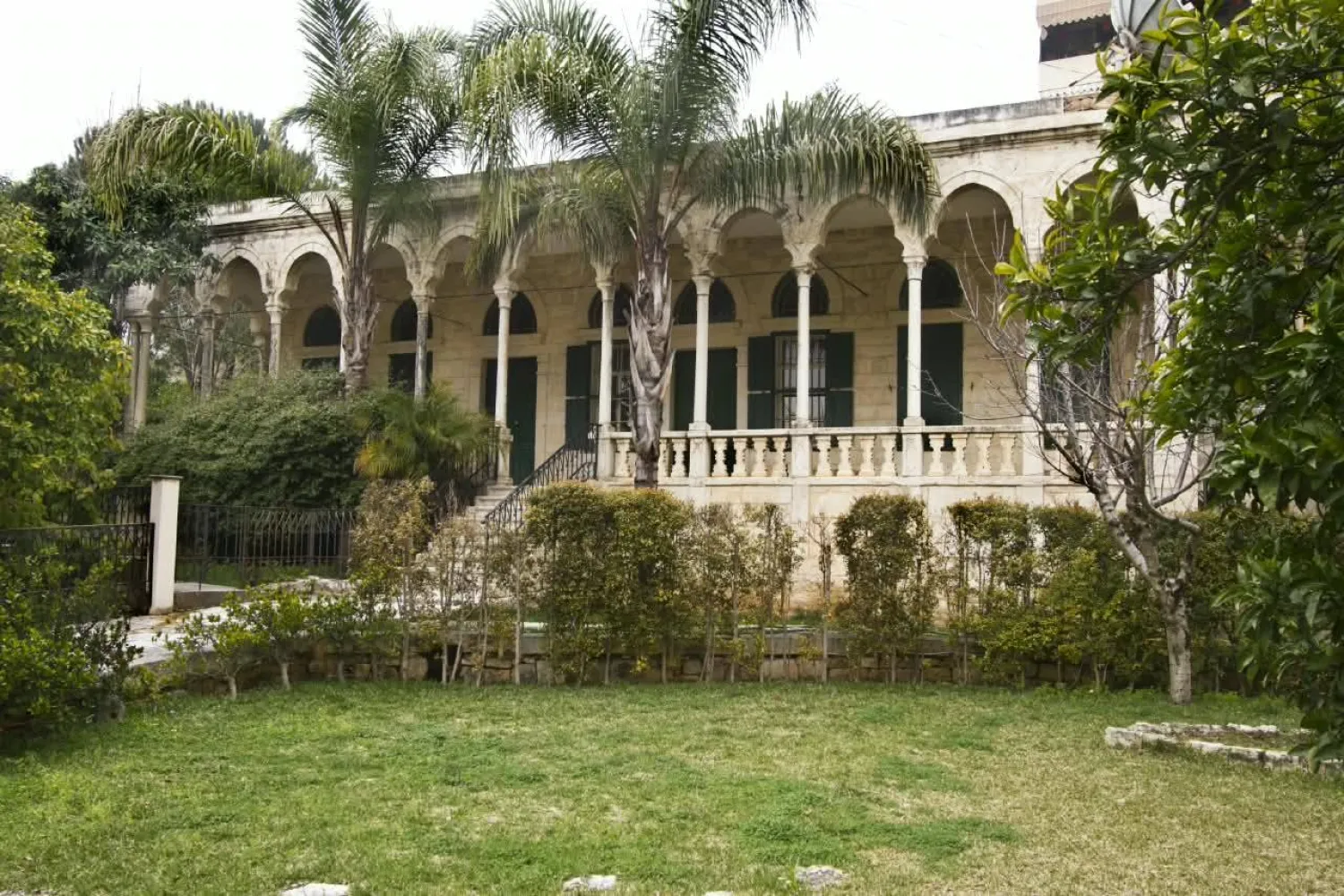
The residence of Said Shahine, father of Ghaleb and Fahmi Shahine, which was completely destroyed in the city of Nabatieh (Kamel Jaber archive)
TT

Israel Obliterates South Lebanon's Architectural Heritage

The residence of Said Shahine, father of Ghaleb and Fahmi Shahine, which was completely destroyed in the city of Nabatieh (Kamel Jaber archive)

Daily attacks around the city of Nabatieh and the town of Kfar Rumman have not stopped the Zein family from launching work to restore “what can be restored” of the home of Youssef Bek Zein, which was damaged by intensive Israeli strikes several months ago.

Descendants of one of Nabatieh’s best-known political families see preserving their heritage as an act of defiance against Israel, which they say is erasing physical traces and memories from the land and seeking to eliminate historic homes with distinctive architecture, political family residences, and urban and historical landmarks of all kinds across South Lebanon.

During the two large-scale wars Israel waged on South Lebanon, airstrikes and demolitions wiped out dozens of heritage landmarks, including political family homes whose architecture and libraries documented periods of Jabal Amel’s political history over the past two centuries.
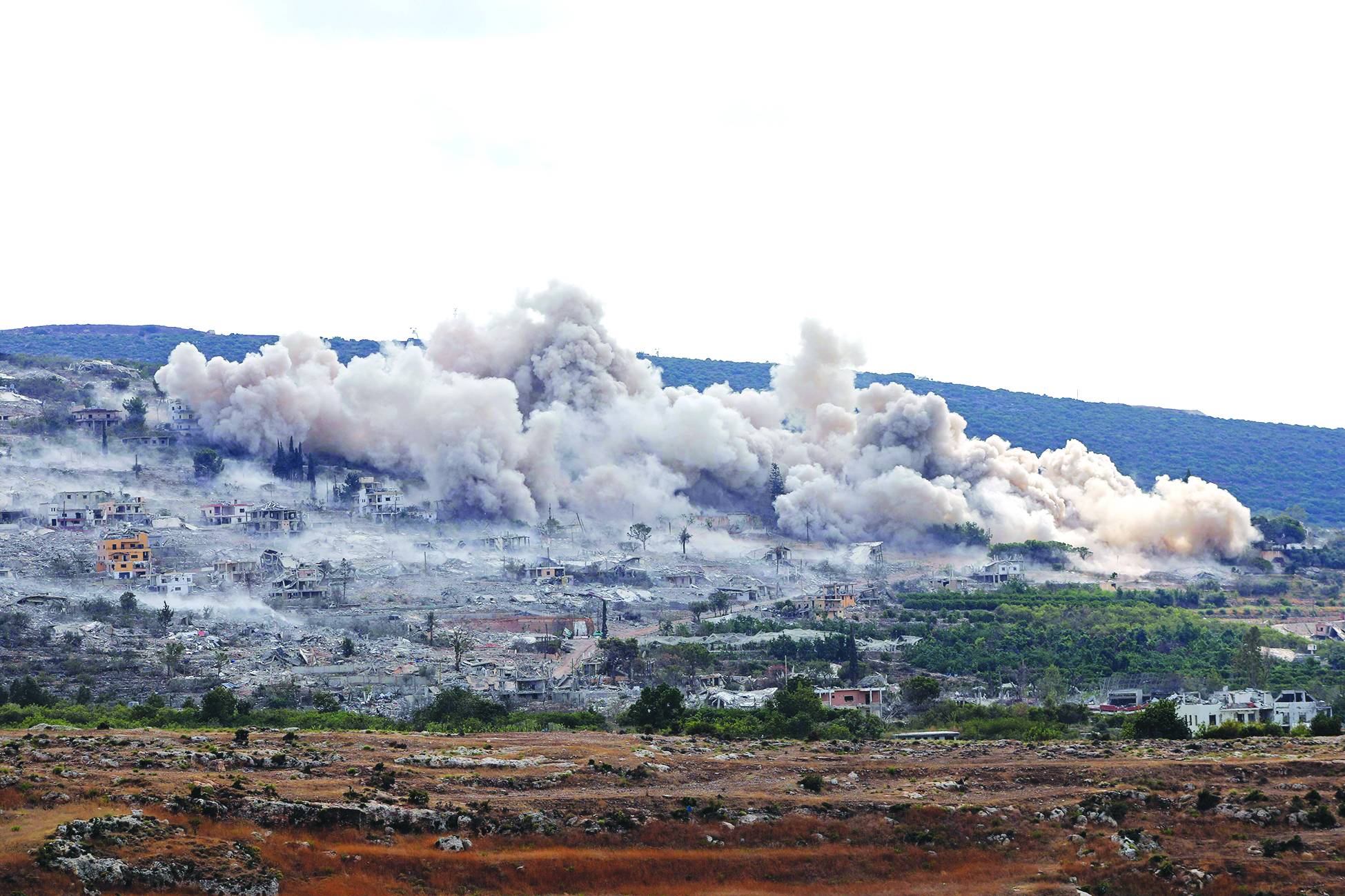
This photograph taken from the southern Lebanese village of Hanniyeh shows smoke rising from the site of a series of Israeli controlled explosions in the nearby village of al-Mansouri on September 28, 2026. (Photo by Kawnat HAJU / AFP)

In Nabatieh alone, Israeli bombardment razed 147 homes between 80 and 110 years old. Some had developed from houses originally built 200 years ago. They included heritage properties belonging to local political leaders, ministers and lawmakers who had played roles in Nabatieh and its surroundings over past decades.

The damage also extended to political family residences around Nabatieh, including the Asaad family home in Taybeh. Local activists say many old houses were razed along with it, including the home of Khalil Abdallah in Khiam, one of the region’s most prominent historical leaders, built in 1862.

Abdel Aziz Zein’s Home: A Cultural Role

The home of Youssef Bek Zein, heavily damaged by Israeli bombardment, is now among the last remaining heritage landmarks and architectural witnesses in the Nabatieh area following the loss of the Abdel Aziz Zein residence.

In recent years, that residence had become a cultural hub in the region. His son, Dr. Saad Zein, expanded it to host cultural and community activities.

“My family home, the Abdel Aziz Zein residence, was more than 80 years old,” Dr. Saad Zein told Asharq Al-Awsat. “An Israeli strike completely demolished the house and wiped out all its features — not only its architecture, but also its cultural role.”
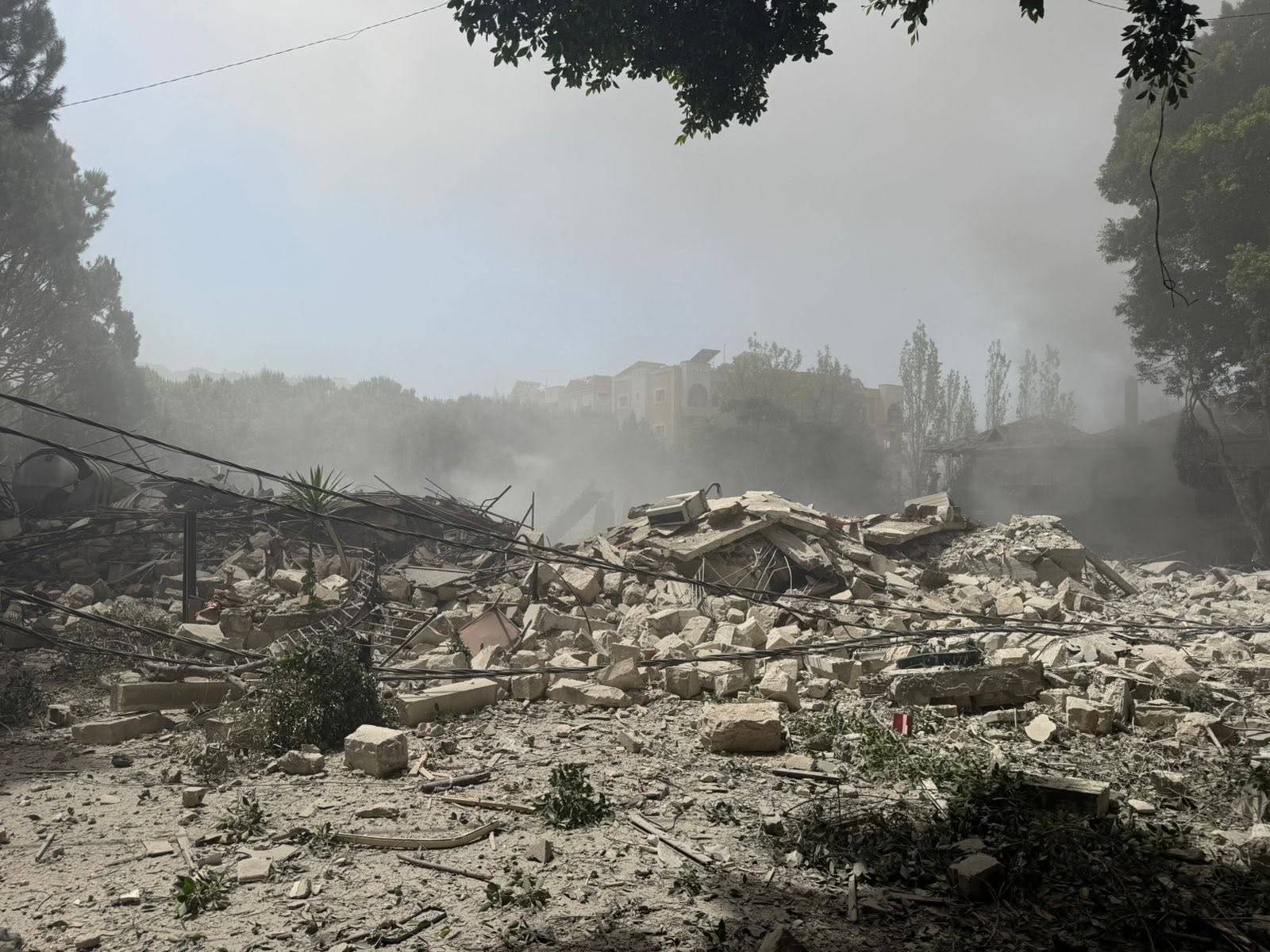
The Abdel Aziz Zein residence (Saad Zein archive)

Zein said the house had served as a venue for cultural and social activities since at least 2000. He had established a small museum there documenting the history of Jabal Amel, and the house “became a cultural destination in the region.”

The residence was later expanded to include gardens and a diwaniya, a traditional reception space that is a central feature of southern Lebanese architecture. In recent years, it became known as the “Saad Zein House.”

The strike on the large residence also damaged the adjoining Zein family home. That residence had been a center of political and social leadership for more than a century. Built 150 years ago, it housed the Ottoman governor in the 19th century before ownership passed to the Zein family and Youssef Bek Zein took up residence there.

Even the Family Tombs Were Hit

Zein entered parliament after the proclamation of Greater Lebanon in 1924, and his family became one of Jabal Amel’s most prominent political families during the last century. Its parliamentary representation continued uninterrupted until 2018.

“The Youssef Bek Zein residence was severely damaged. The roof, courtyard and family tombs were hit, including Youssef Bek’s grave,” Dr. Saad Zein stated.

“We are now working intensively and quickly to restore the house so it can be usable again and remain a witness to a political era, given that the family is one of Jabal Amel’s founding families and has maintained a cultural, developmental and social presence — a role that continues with me and my uncle.”

Zein stressed that the targeting of political homes and urban and historical landmarks “aims to erase traces and memories from the land in order to sever the Lebanese people’s connection to their homes, land and heritage.”

Deliberate and Systematic Destruction

Cultural and social figures in Nabatieh broadly agree that what occurred during the wars of 2024 and 2026 amounted to the “systematic destruction of memory without any actual justification.”

They argue that the concentrated bombardment and leveling of longstanding family homes historically associated with political positions opposed to Hezbollah contradicts the Israeli military’s assertion that its strikes target only Hezbollah facilities and headquarters.

One particularly notable case was the leveling of the home of former lawmaker Habib Sadek, founder of the Cultural Council for South Lebanon, in Kfour, west of Nabatieh.

Sadek was among South Lebanon’s best-known political and cultural activists. He served in parliament in 1992 and was one of the most prominent chroniclers of Israeli violations in the south since the 1940s. He encouraged the publication of works sponsored by the Cultural Council and combined a political career with his work as a writer, poet and thinker.

Manuscripts Documenting Violations

Kamel Jaber, head of the Cultural Council’s Nabatieh branch, told Asharq Al-Awsat that after Sadek’s home in Khiam was demolished in 1977, the area remained under occupation until 2000 and the family was forced to live between Beirut and Nabatieh.

“The family was determined to build a house outside the city resembling the homes of southerners — meaning it would have a garden surrounded by pine trees, with roses blooming in it,” Jaber said.

“Sadek paid particular attention to a diwaniya on the lower floor of the house, where he kept many of the manuscripts he had presented through various radio programs, as well as writings from the 1960s and 1970s. He also created extensive libraries in the diwaniya containing books, manuscripts and the rest of his cultural legacy.”

Jaber said Sadek was “one of the most prominent cultural figures who wrote and published works and books about the south, documenting violations and various forms of Israeli occupation, whether related to ambitions over water, geography or other issues, and produced studies showing the harm inflicted on the south through occupation.”

From that perspective, Jaber said the targeting of the house “was a targeting of Habib Sadek, his role, legacy and career.” He ruled out any security-related reason for striking the house, which he said was “closed and checked daily by a caretaker.”

Erasing Architectural and Political Heritage

The devastation is viewed locally as part of an effort to eliminate Nabatieh’s urban, architectural and political heritage.

After the 2024 war, cultural figures in the city launched an initiative, involving civil society groups in cooperation with the municipality, to document heritage buildings lost to Israeli bombardment. The survey was updated just two weeks before this article was written.

It found that 147 homes had been completely razed, leaving only a very small number of such buildings standing.

During the 2026 war, what remained of the Fadl al-Fadl house in the Manshieh district was demolished. The house was built late in the last century and designed by an Egyptian architect. General Gouraud visited it in the 1920s during a trip to the south while serving as French high commissioner in Lebanon.

The home of former lawmaker Mohammed Bek al-Fadl, meanwhile, lost large sections after strikes hit its surroundings in 2024. The house is 102 years old. Jaber, who works to document local memory through a civil society organization in Nabatieh, said its new owner had decided to restore it.
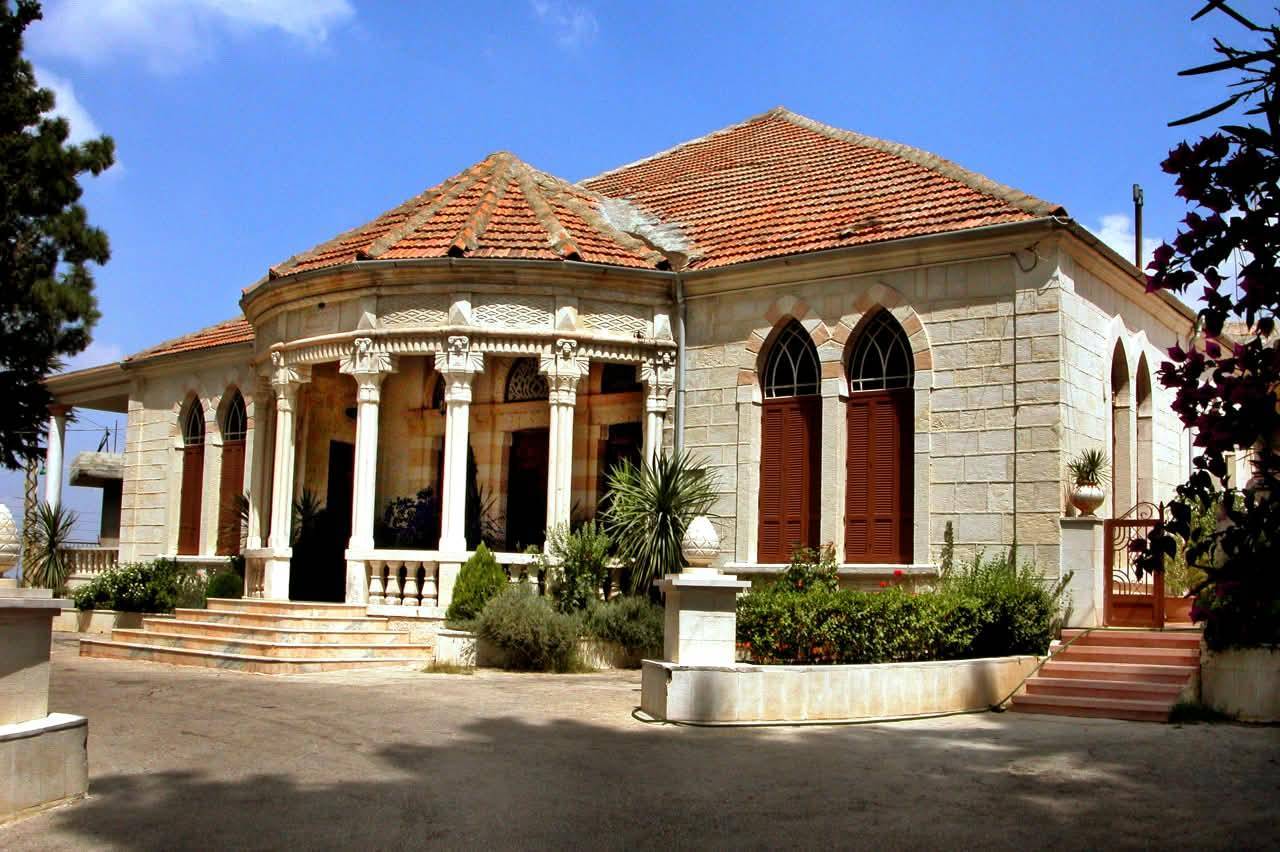
The home of Mohammed Bek al-Fadl (Kamel Jaber archive)

Erasing Cultural Memory

Nabatieh residents see the campaign as targeting architecture that embodies the area’s cultural heritage and its social, political and urban memory.

In Nabatieh, Israeli strikes completely leveled the residence of the late minister and lawmaker Rafik Shahine, as well as the home of Said Shahine, father of lawmakers and ministers Ghaleb and Fahmi Shahine.

Other buildings lost in the strikes had been regarded as architectural masterpieces, including the palace of Dr. Bahjat al-Mirza, considered one of the city’s most beautiful homes because its facades featured carvings in stone. Mirza was among Nabatieh’s first physicians in the 20th century to open his home to provide medical care to residents.

Mahmoud Shahine’s house was also razed in 2026. The building had served as a school during the last century and was among the houses constructed on the remains of older homes built some 200 years ago.

On Sept. 6, 2026, an Israeli strike leveled the home of Dr. Adnan Sharif, a century-old architectural landmark.
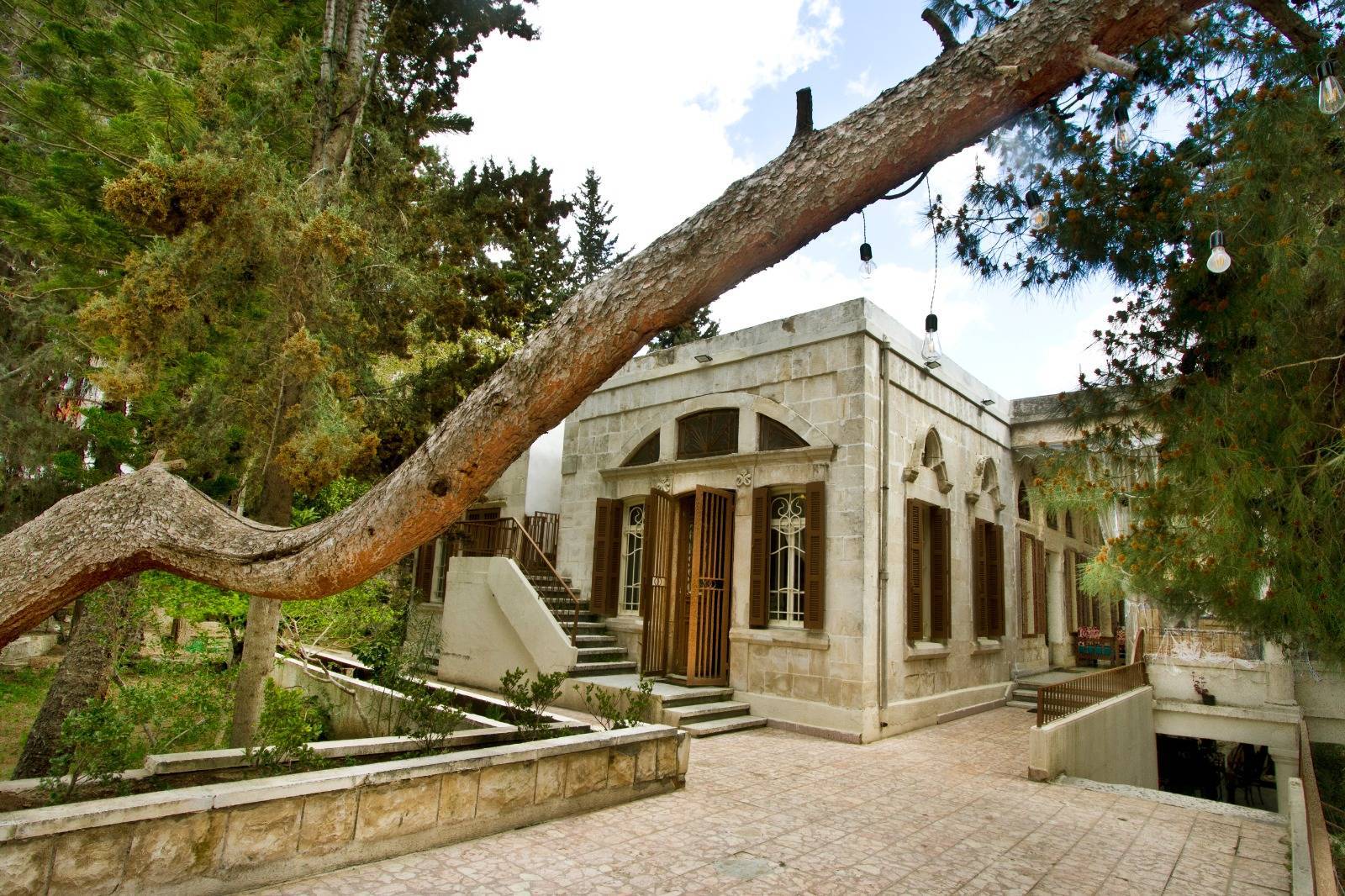
The home of Dr. Adnan Sharif (Kamel Jaber archive)

The home of former lawmaker Anwar Sabbah, father of Sadek Sabbah, director of Sabbah Brothers television production company, was also demolished. Built on a hill in Nabatieh in the early 1990s, it was separate from the family residence in the city, which remained standing.

Strikes also razed Ghandour Hospital, one of the main hospitals that provided medical services to the Nabatieh area during the period of occupation beginning in the 1980s.

A War on History

Israeli strikes did not only target houses and mansions but also hit archaeological and heritage sites across the south.

A market dating to the Mamluk era in Nabatieh was heavily bombarded, leaving part of it in ruins. The capital of an ancient column was dislodged at a UNESCO-listed site in the southern coastal city of Tyre.

A religious site known as “Shamoun al-Safa,” visited by both Muslims and Christians in the southern town of Shamaa, was also razed, as was Shamaa’s Crusader castle.

There is also no information about the condition of “Ain al-Fawqa” in Taybeh after the area surrounding it in the town square was devastated. The water collection spring was built in a spiral form and contains architectural features resembling examples from the Roman and Byzantine periods. It was restored during the Ottoman era.

Culture Minister Ghassan Salame told Reuters last month that historic towns outside the designated area were pummeled with airstrikes, including Tyre and Nabatieh.

Heavy bombing hit the town of Tebnin, prompting fears that its Crusader fortress was also damaged, Salame said.

"Heritage is not only Roman and Phoenician antiquities,” he added. “Heritage is also historic buildings, archaeological sites, and buildings with a cultural function."

He expressed concern that the Israeli campaign could completely erase centuries of Lebanese history.

UNESCO, meanwhile, said in a statement that it was concerned about the situation in Tyre, a World Heritage site under the agency’s enhanced protection.

It added it was deeply concerned by reports of damage to Shamaa Castle in South Lebanon and fighting near Beaufort Castle, denouncing what it described as “unlawful attacks on cultural property.”


Four Ways US Foreign Policy Could Change if Democrats Win in November

 24 October 2026, US, New York: Lower Manhattan residents cast their ballots at the Borough of Manhattan Community College polling site in Tribeca. (dpa)
24 October 2026, US, New York: Lower Manhattan residents cast their ballots at the Borough of Manhattan Community College polling site in Tribeca. (dpa)
TT

Four Ways US Foreign Policy Could Change if Democrats Win in November

 24 October 2026, US, New York: Lower Manhattan residents cast their ballots at the Borough of Manhattan Community College polling site in Tribeca. (dpa)
24 October 2026, US, New York: Lower Manhattan residents cast their ballots at the Borough of Manhattan Community College polling site in Tribeca. (dpa)

Nonpartisan analysts say Democrats stand a good ‌chance of winning the US House of Representatives and possibly the Senate in the November 3 midterm elections, which would give them a slice of power in Washington after two years of Republican control.

Democrats argue that Republicans have allowed President Donald Trump's administration to declare war and control spending, even though the US Constitution reserves those powers for lawmakers.

Here are some ways a Democratic Congress could hem in Trump's foreign policy.

CURB THE IRAN WAR

Trump did not secure approval from Congress before he launched the war with Iran on February 28, and Democrats have voted repeatedly to end the fighting unless he does so. One of these resolutions passed with support from a handful of Republicans, but Trump's administration ignored it.

With control of the House or ‌the Senate, Democrats ‌could cut defense spending to pressure Trump to obtain permission from Congress ‌to ⁠continue the war. ⁠They could also require administration officials to testify publicly about their plans.

FRESH SUPPORT FOR UKRAINE

Trump has largely halted direct US financial and military aid to Ukraine, despite broad support from Democratic and Republican lawmakers as it fights a Russian invasion.

Most recently, he has angered members of Congress, including many Republicans, by lifting sanctions on Russian diesel and waiving sanctions on Russian energy only weeks after signing them into law.

With a victory in both chambers in November, Democrats would be ⁠able to decide what gets voted on and when.

That could allow ‌them to approve new aid to Ukraine, which likely ‌would pass with the two-thirds majorities needed to overcome a Trump veto.

They could also target other ‌Trump activities. For example, Representative Gregory Meeks of New York, who could head the House ‌Foreign Affairs Committee if Democrats win control, has introduced bipartisan legislation to block Trump's plan to bring Russian diesel back into the global market.

END MILITARY AID TO ISRAEL

Support for Israel has plummeted among Democrats over its conduct in the Gaza war, which has killed tens of thousands of Palestinian civilians. The ‌ongoing violence in the Israeli-occupied West Bank and Israeli Prime Minister Benjamin Netanyahu's close alliance with Republicans have also been factors.

Democrats could limit ⁠or end military ⁠aid to Israel, which amounted to $3.8 billion in the most recent fiscal year. That is more than was provided to any other country.

Nearly half of House Democrats voted this summer to cut off aid to Israel. Some of those who voted against that effort, such as Meeks, have backed limits on providing weapons like heavy bombs to Israel.

LIMIT MILITARY SPENDING AND RESTORE FOREIGN AID

Democrats are far more likely than Trump's Republicans to limit military spending. Trump asked for an unprecedented 67% increase in the military budget this year, to $1.5 trillion, but Democrats blocked it in the Senate, citing his refusal to consult Congress about the Iran war and his steep cuts to social programs.

Trump has also withheld or canceled billions of dollars in foreign aid approved by Congress. Many Democrats have been angered by the cuts and say they will try to restore funding.


Beirut’s $13 Chicken Sandwich Becomes Symbol of Lebanon Divide

A chef prepares a chicken taouk sandwich at Glow Paradise restaurant in Beirut, Lebanon, October 16, 2026. (Reuters)
TT

Beirut’s $13 Chicken Sandwich Becomes Symbol of Lebanon Divide

A chef prepares a chicken taouk sandwich at Glow Paradise restaurant in Beirut, Lebanon, October 16, 2026. (Reuters)

Seven years after Lebanon’s devastating financial meltdown, a debate over a chicken sandwich has exposed an increasingly stark divide between those who can still spend freely and those struggling to get by.

A trendy health restaurant wanted to offer its calorie-conscious customers a healthier take on the beloved Levantine wrap known as the shish taouk. So, The Glow Paradise launched the “Chic Taouk,” pricing it at around $13 -- nearly double what an un-chic chicken sandwich typically goes for in Beirut.

The pricey pun proved hard to swallow, with outraged critics accusing the restaurant of overcharging in a country where many households struggle to afford basic necessities.

Yet while the debate raged on social media, customers kept buying. The Glow Paradise sold more than ‌20,000 Chic ‌Taouk sandwiches in just 11 days, according to managing partner Hrag Jeghalian, who described ‌the ⁠online exchanges as "natural marketing".

The ⁠contrasting reactions touched a nerve in Lebanon, where years of financial turmoil, political dysfunction and conflict have reshaped the country's social landscape, hollowing out much of the middle class while leaving a smaller group of consumers able to sustain an affluent lifestyle.

DEBATE PULLS FOCUS AWAY FROM URGENT CRISES

Sami Nader, an economist at the Saint Joseph University of Beirut, said the throngs at The Glow Paradise belied another reality.

“So you see people in the restaurant, but what you don't see is that 22 restaurants closed last month,” Nader told Reuters.

Lebanon’s ⁠Instagram-active community was split between those accusing the restaurant of theft and others ‌saying the sandwich was intended for those who could afford ‌it.

Some questioned whether the dispute itself reflected misplaced priorities in a country grappling with urgent crises, from Israel’s occupation of ‌large swaths of the country’s south to the endemic electricity and water crises.

Lebanon’s 2019 financial collapse ‌was prompted by decades of corruption and profligate spending by the ruling elite, and several rounds of conflict since then have worsened the country’s economic outlook.

GDP has declined by nearly 40% since 2019 and inflation is expected to rise to 17.5% due to rising global energy and shipping prices eating away at people’s purchasing power, according to the ‌World Bank. The figure is more than quadruple the global headline inflation rate flagged by the International Monetary Fund in July.

Four in five households in ⁠Lebanon struggle to afford ⁠basic necessities, the UN children’s agency said in September.

'PEOPLE CAN'T KEEP UP'

The country’s middle class has “disappeared,” Nader said, dismantled by a series of crises including the collapse of the financial system in 2019, the 2020 Beirut Port explosion and two wars in under two years.

Monthly bills from private generator operators, which provide electricity to many homes and businesses during outages on Lebanon's failing national grid, jumped by nearly 20% in August 2026 alone, bringing rates nearly 60% higher than they were in February of this year, according to the kilowatt-hour prices set by Lebanon’s energy ministry.

For many, that means paying for 24/7 electricity now costs several hundred dollars a month, in a country where the minimum wage is set at $400.

“Everything has become expensive, and people can’t keep up,” said Fouad Fakhreddine, a 53-year-old restaurant worker from nearby Hamra. “We are now getting paid, then getting in debt over that just to get by.”

The years of economic instability, he said, have produced “a class that is living, and a class that is not dead and waiting to die from the unbearable situation it is in.”


Netanyahu’s Main Opponents in Israel’s Election

24 October 2026, Israel, Tel Aviv: Israel's Yashar party leader and former military chief Gadi Eisenkot arrives to attend a rally demanding the establishment of an independent state commission of inquiry into the October 7, 2023, Hamas-led attacks and the events leading up to them, ahead of Israel's parliamentary election on October 27. (dpa)
TT

Netanyahu’s Main Opponents in Israel’s Election

24 October 2026, Israel, Tel Aviv: Israel's Yashar party leader and former military chief Gadi Eisenkot arrives to attend a rally demanding the establishment of an independent state commission of inquiry into the October 7, 2023, Hamas-led attacks and the events leading up to them, ahead of Israel's parliamentary election on October 27. (dpa)

Israel will hold a general election on October 27, with veteran Prime Minister Benjamin Netanyahu locked in a tight race to stay in power.

Here are his main rivals:

- Gadi Eisenkot: The general -

The son of Moroccan immigrants, ex-army chief Gadi Eisenkot, 66, has emerged as Netanyahu's main rival, with polls putting the two neck and neck in the final days before the vote.

While he lacks his opponent's political experience, he enjoys public sympathy following the death in combat of his son Gal and two of his nephews during the Gaza war.

Seen as belonging to the center-right, Eisenkot has expressed some public positions on the Israeli-Palestinian conflict that maintain the current government's tough line -- for instance, vowing to prevent the creation of a Palestinian state and to end Hamas's rule in Gaza within 18 months if elected.

He has also expressed support for Israeli settlements in the occupied West Bank, but has promised to crack down on settlers who have attacked Palestinians with impunity under Netanyahu's staunchly pro-settlement government.

Eisenkot resigned from Netanyahu's war cabinet in 2024 and has become a scathing critic of the premier's leadership.

He founded his own party Yashar, meaning "Straight", in 2025. He would be the first prime minister of Middle Eastern or North African descent.

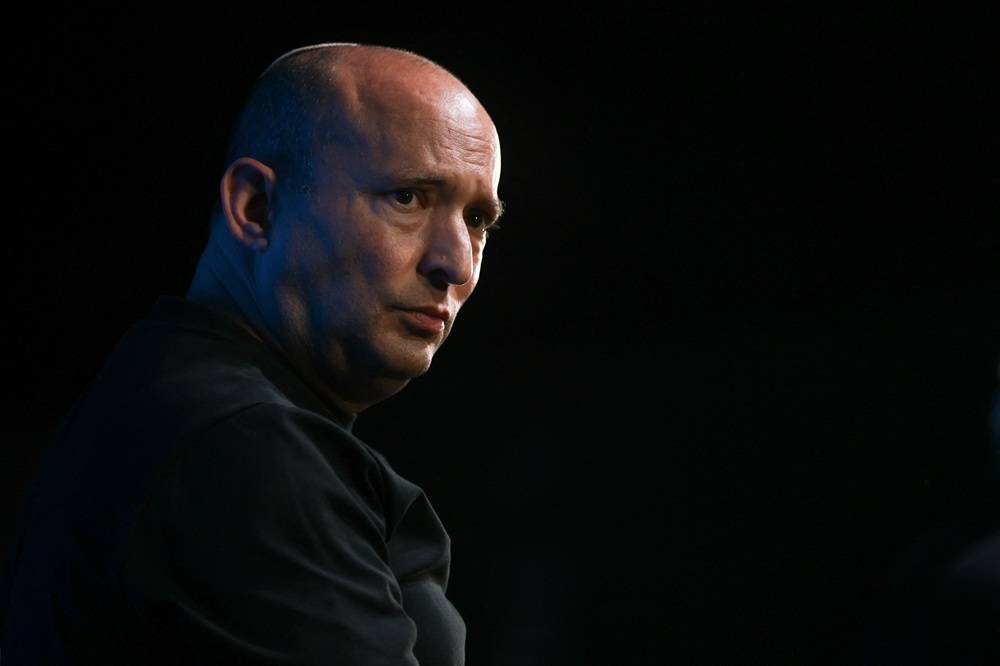
Former Israeli Prime Minister Naftali Bennett attends an event for the Beyahad party, ahead of Israel’s national election, in Haifa, Israel, October 21, 2026. (Reuters)

- Naftali Bennett: The right-wing alternative -

Former prime minister Naftali Bennett, 54, leads the center-right Beyahad party, which is polling in third place.

The former tech entrepreneur and son of American immigrants established himself as a leading figure in the nationalist right and settler movement, but has since presented himself as a secular centrist.

Bennett caused a stir in 2021 by forming a diverse coalition government spanning the Israeli political spectrum, with the unprecedented support of an Arab party.

It brought an end to Netanyahu's 12 uninterrupted years in power, but Bennett's government only lasted a year.

Israeli commentators believe he can attract right-wing voters who are disappointed with Netanyahu but do not want to move leftward.

Despite his fierce criticism of him, Bennett has voiced openness to including Netanyahu in an opposition-led coalition government.

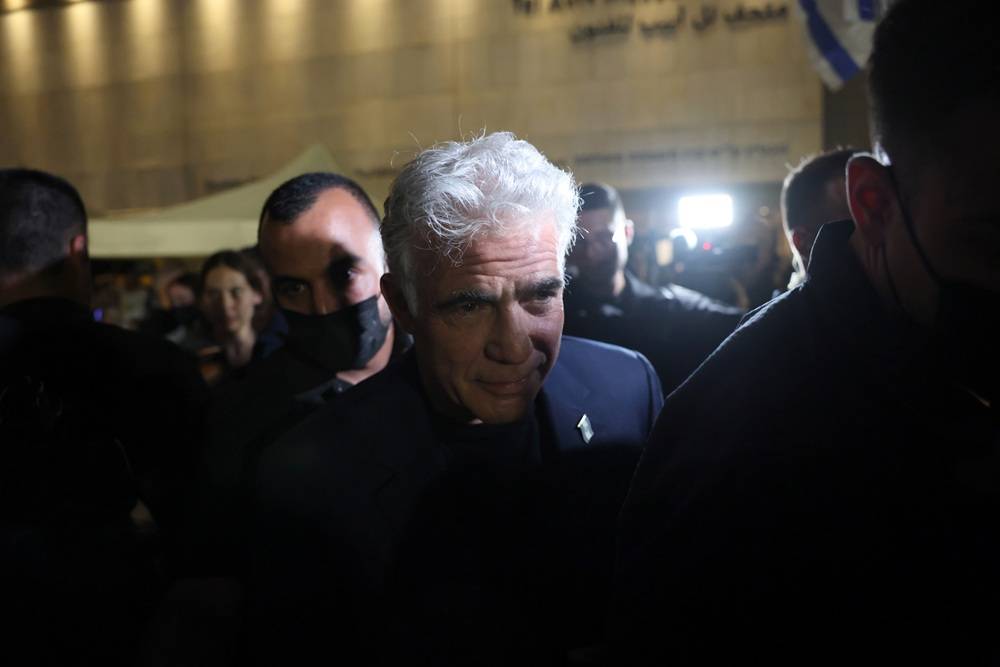
Member of the Beyachad political alliance, leader of the opposition Yair Lapid (C) reacts during an anti-government rally in Tel Aviv, Israel, 24 October 2026. Israel will hold its national legislative election to choose the 120 members of the 26th Knesset on 27 October 2026. (EPA)

- Yair Lapid: The former TV journalist -

Once a star television journalist, Yair Lapid, 62, swiftly established himself as one of Netanyahu's main opponents when he founded the centrist Yesh Atid party in 2012.

Lapid has served as finance and foreign minister and briefly took over as prime minister in 2022 as part of a power-sharing deal with Bennett, with whom he is again allied.

An avowed secularist, Lapid has the polish of a TV star and is ever-present on social media, routinely taking Netanyahu to task with biting commentary.

But few observers see him winning on his own as he struggles to win voters beyond his core base of urban and secular Israelis.

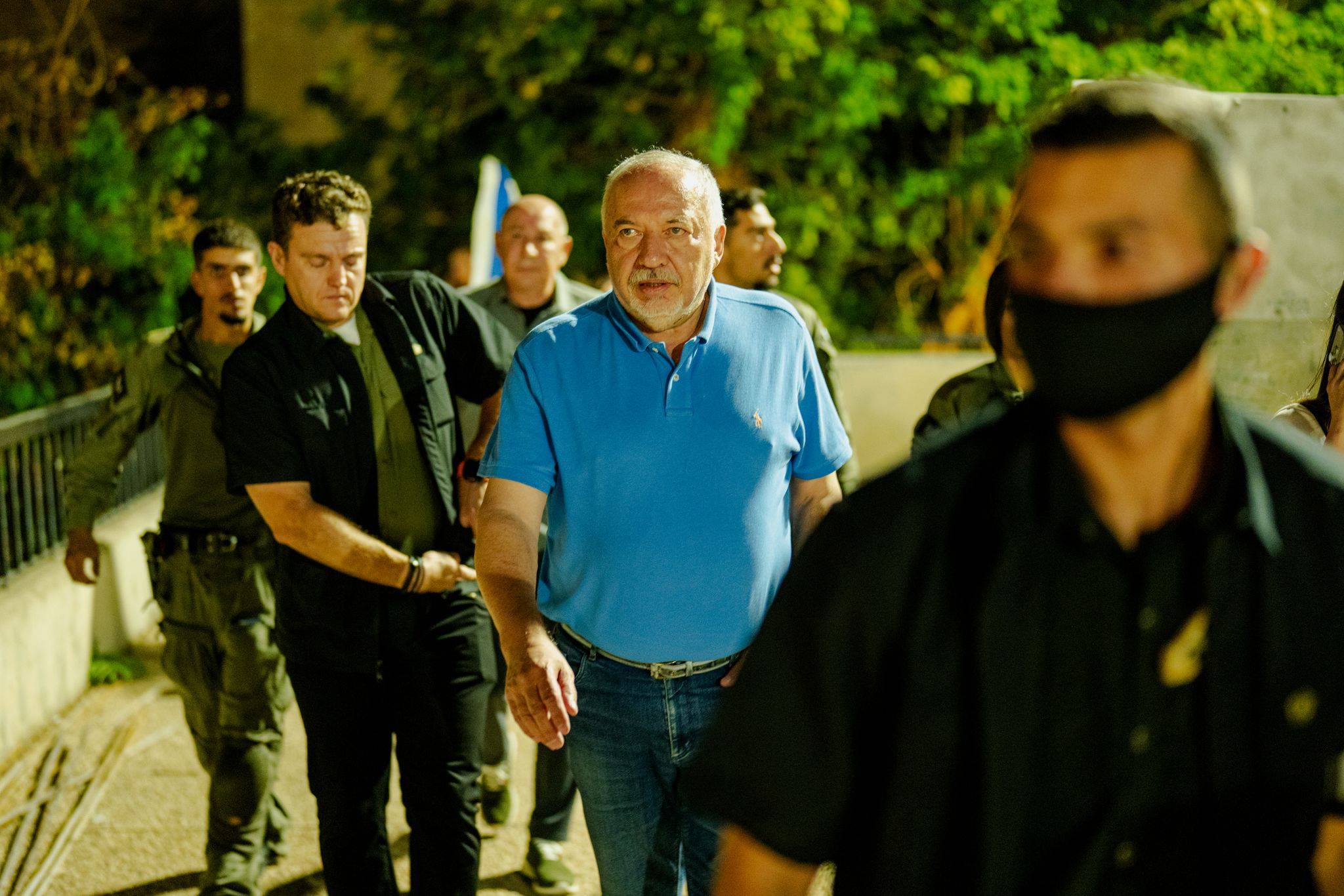
24 October 2026, Israel, Tel Aviv: Yisrael Beytenu party leader Avigdor Lieberman arrives surrounded by security personnel during a rally at Hostages Square to demand the establishment of an independent state commission of inquiry into the October 7, 2023, Hamas-led attacks and the events leading up to them, ahead of Israel's parliamentary election on October 27. (dpa)

- Avigdor Lieberman: The secular nationalist -

Born in Soviet Moldova in 1958, Avigdor Lieberman moved to Israel in the late 1970s and is a veteran of the political scene, taking a hardline nationalist stance on national security while staying staunchly secular.

The founder of the Yisrael Beiteinu party, Lieberman initially relied on the Russian-speaking electorate before gradually broadening his base.

He was once a close Netanyahu associate, with some crediting Lieberman with helping engineer the premier's razor-thin upset victory in 1996 that first brought him to power.

Lieberman now regularly criticizes Netanyahu in heated terms, calling him a failure on security.

Lieberman is one of the few politicians to have headed three of Israel's key ministries -- foreign, defense and finance.

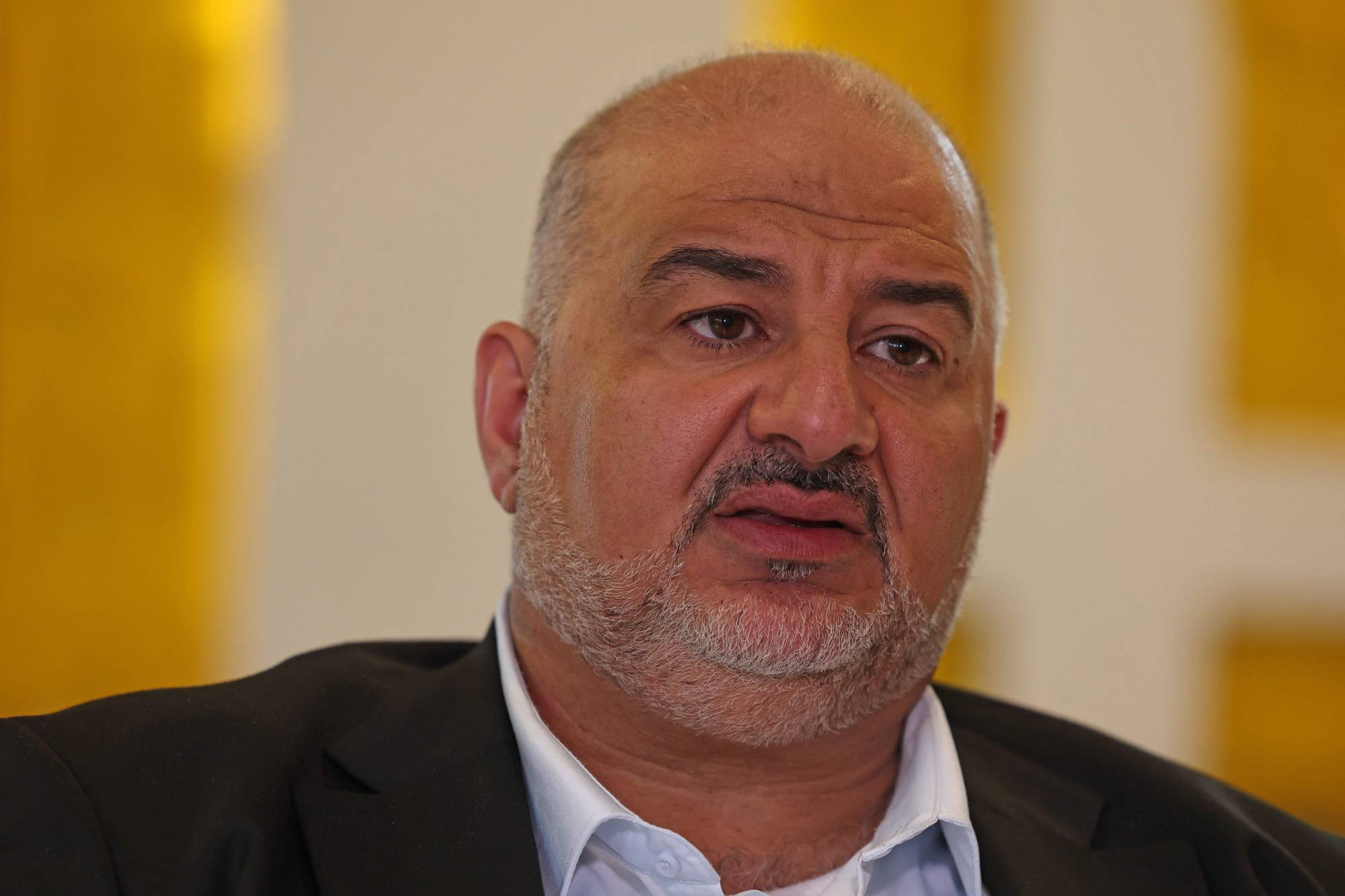
Mansour Abbas, head of Israel's conservative Islamic Raam party, speaks during an interview with AFP in Nazareth, in northern Israel, on October 21, 2026. (AFP)

- Mansour Abbas: The potential kingmaker -

Arab-Israeli party leader Mansour Abbas is seeking to mobilize his community, which makes up 20 percent of the population, to prevent Netanyahu's return to power.

Abbas's Raam became the first Arab party to join an Israeli government in Bennett's 2021 coalition and he could again be a kingmaker if the opposition agrees to rely on his lawmakers to oust Netanyahu.

In a recent interview with AFP, the former dentist vowed to bring out voters to replace Netanyahu's "racist, fascist right-wing government".

Netanyahu has tried to tarnish Jewish opposition leaders by constantly raising the specter that they would team up with Abbas, whose roots are in political Islam.

Seeking to broaden support, Abbas has taken the unprecedented step of tapping an Israeli Jew, former police official Yoav Segalovitz, as a candidate on his party's slate.

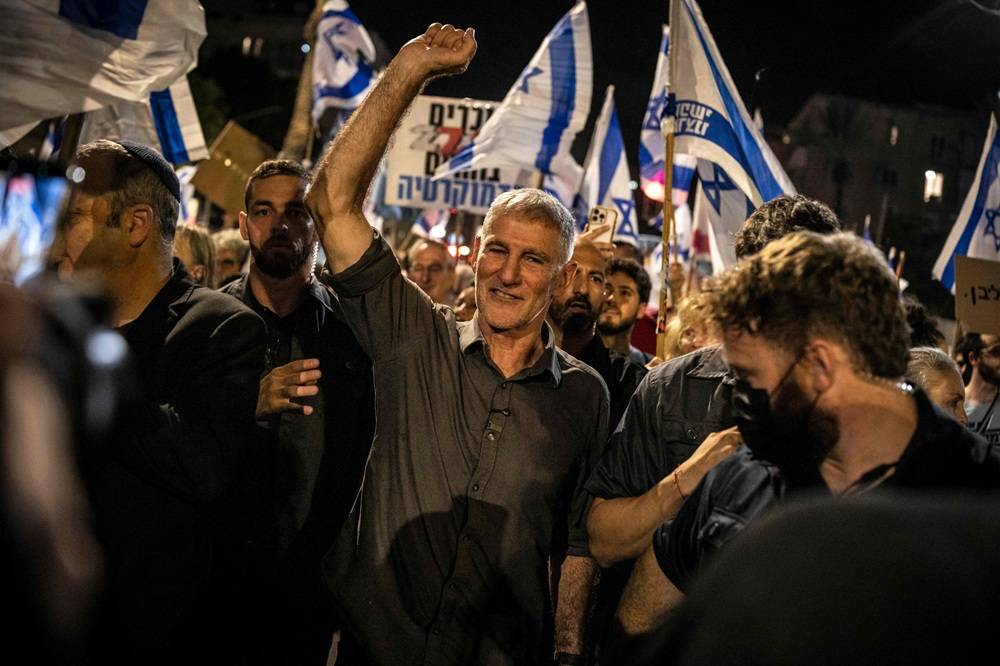
Yair Golan (C), leader of The Democrats party, marches with protesters from Rabin Square to the Hostages Square, during an anti-government demonstration demanding the formation of a state commission of inquiry into Hamas' 2023 October attacks, in Tel Aviv on October 24, 2026, ahead of Israel's legislative election. (AFP)

- Yair Golan: The remaining liberal -

After years of Israel shifting to the right, Yair Golan's party The Democrats represents what remains of the mainstream left, including remnants of the Labour Party that led Israel without interruption for the country's first three decades.

Golan is the only major Israeli political leader who still explicitly backs a two-state solution with the Palestinians.

He is also liberal on social issues, calling for public transportation to run on the Jewish Sabbath.

A former senior military officer, Golan volunteered to return to duty immediately when Hamas attacked on October 7, 2023, picking up a gun and within hours personally rescuing people in his car.