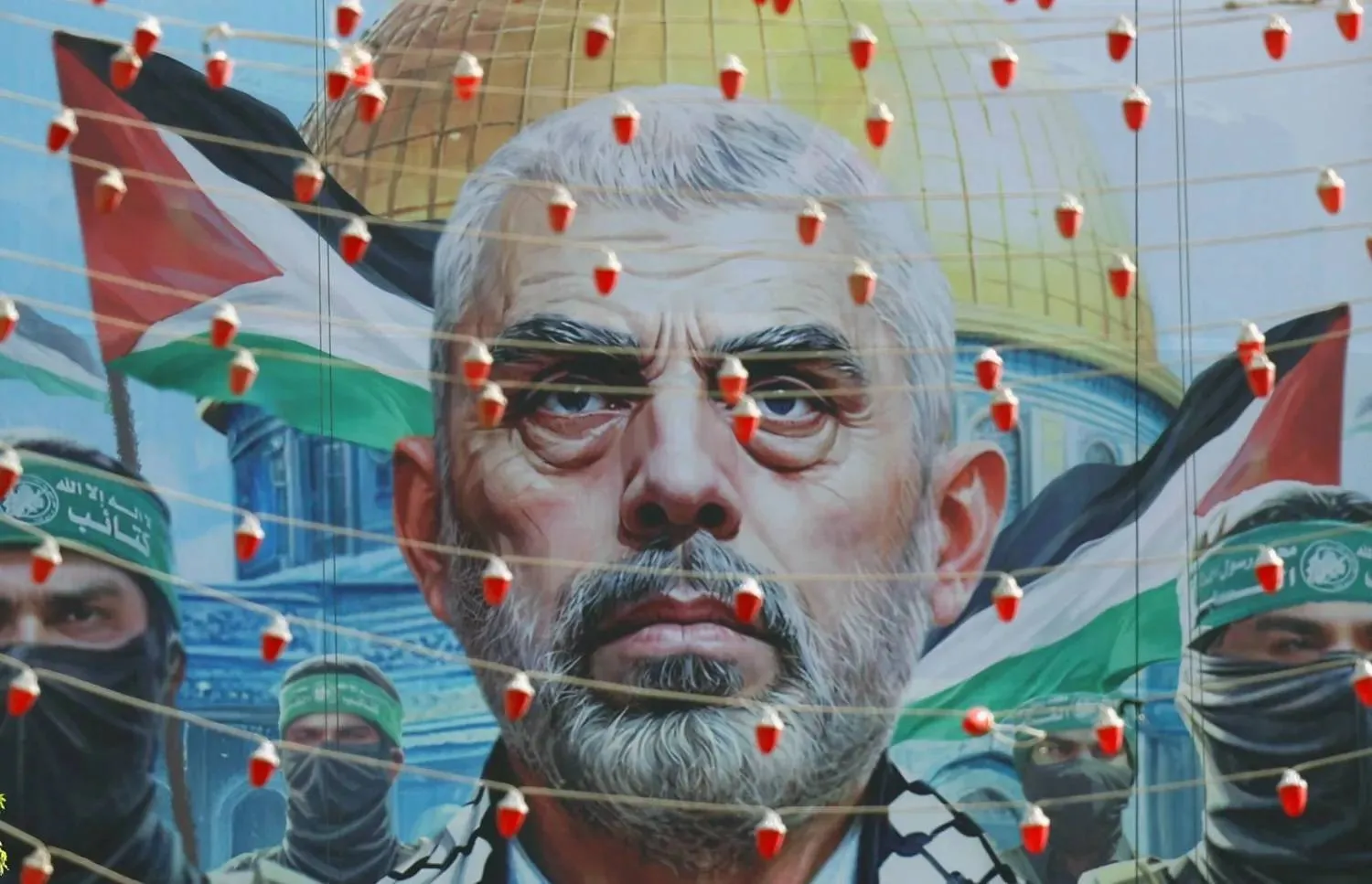

On April 30, 2022, Yahya Sinwar (1962–2024), then head of Hamas' political bureau in the Gaza Strip, warned of a broad “regional religious war” if Israel continued its attacks on the Al-Aqsa Mosque compound and Jerusalem.
He urged representatives of Palestinian factions and their armed wings to prepare and remain ready. Yet no one imagined those preparations would be for what unfolded 18 months later, on Oct. 7, 2023.
It is difficult to say with certainty whether Sinwar had already conceived of Oct. 7 as the world would come to know it. But in the same speech, he pledged to “empty the prisons of all Palestinian prisoners and completely break the blockade.”
He reiterated that message in December 2022, telling Israelis: “We will come at you with a roaring flood ... We will come at you with countless rockets ... We will come at you with an endless flood of soldiers ... We will come at you with millions from our nation, wave after wave.”
In an investigation published in Haaretz last September, Israeli journalists Shlomi Eldar and Ruth Yuval said Sinwar had tried to convey a warning to Israel through a Fatah intermediary before the attack.
The investigation forms part of their recently published book, “Hostages: 843 Days of Abandonment.”
They said an agreement between Israel and Hamas, including a prisoner exchange and a prolonged period of calm, had been ready for signing several weeks before the attack. But Israeli Prime Minister Benjamin Netanyahu backed away and stalled its approval. His stance angered Sinwar, who decided to launch the attack, first warning the Israeli government of “a response that will cause an earthquake.”
The authors recount how, in early September 2023, Sinwar abruptly severed all contact with the team conducting the negotiations. “He disappeared completely from our radar,” a senior official in Israel's Shin Bet security service said.
The prospect of a major deal with Israel had collapsed, while the blockade of Gaza, which began in 2006, continued and restrictions tightened. Sinwar decided to unleash what he imagined would be an earthquake, setting the flood in motion.
Sinwar’s killing
Israel responded with full force to Sinwar and his attack, launching an indiscriminate bombing campaign across the Gaza Strip and carrying out an unprecedented series of assassinations. These reached a peak at the time with the killing of Hamas political bureau chief Ismail Haniyeh in July 2024 in a complex operation in Tehran.
A Hamas source said “the movement's decision to choose Sinwar as Haniyeh's successor amounted to a mandate for him, reflecting a vote of confidence by the movement and its leadership in his popularity and support for his course.”
The al-Qassam Brigades, Hamas' armed wing, were still confronting Israel and inflicting losses commensurate with the fighting on the ground, setting aside Israel's overwhelming advantage in airstrikes and missile bombardment.
Around the first anniversary of the continuing war in Gaza, Sinwar was suddenly killed in October 2024 in an encounter Israel had not planned. But the scene of his death was not the final chapter.
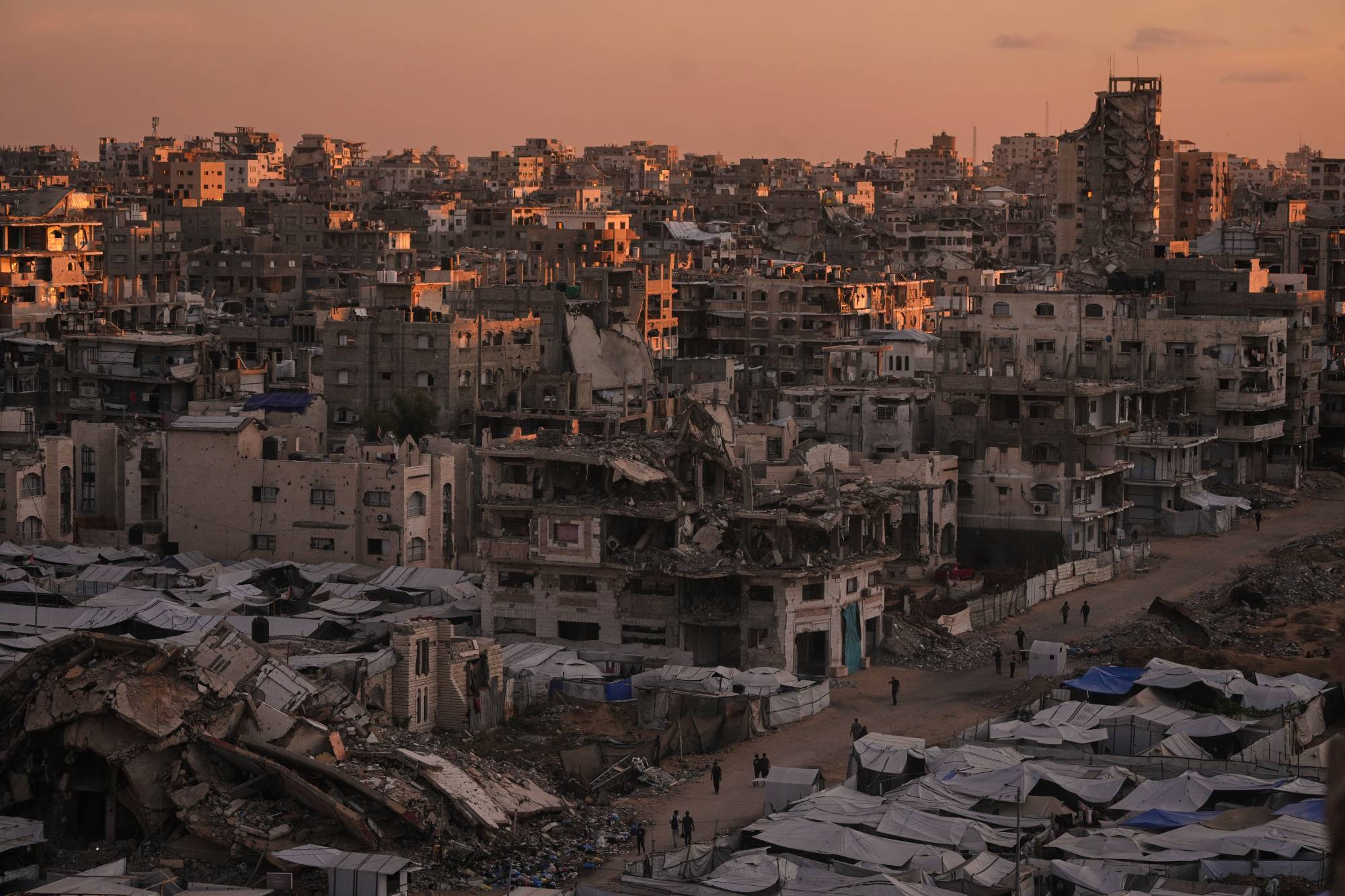
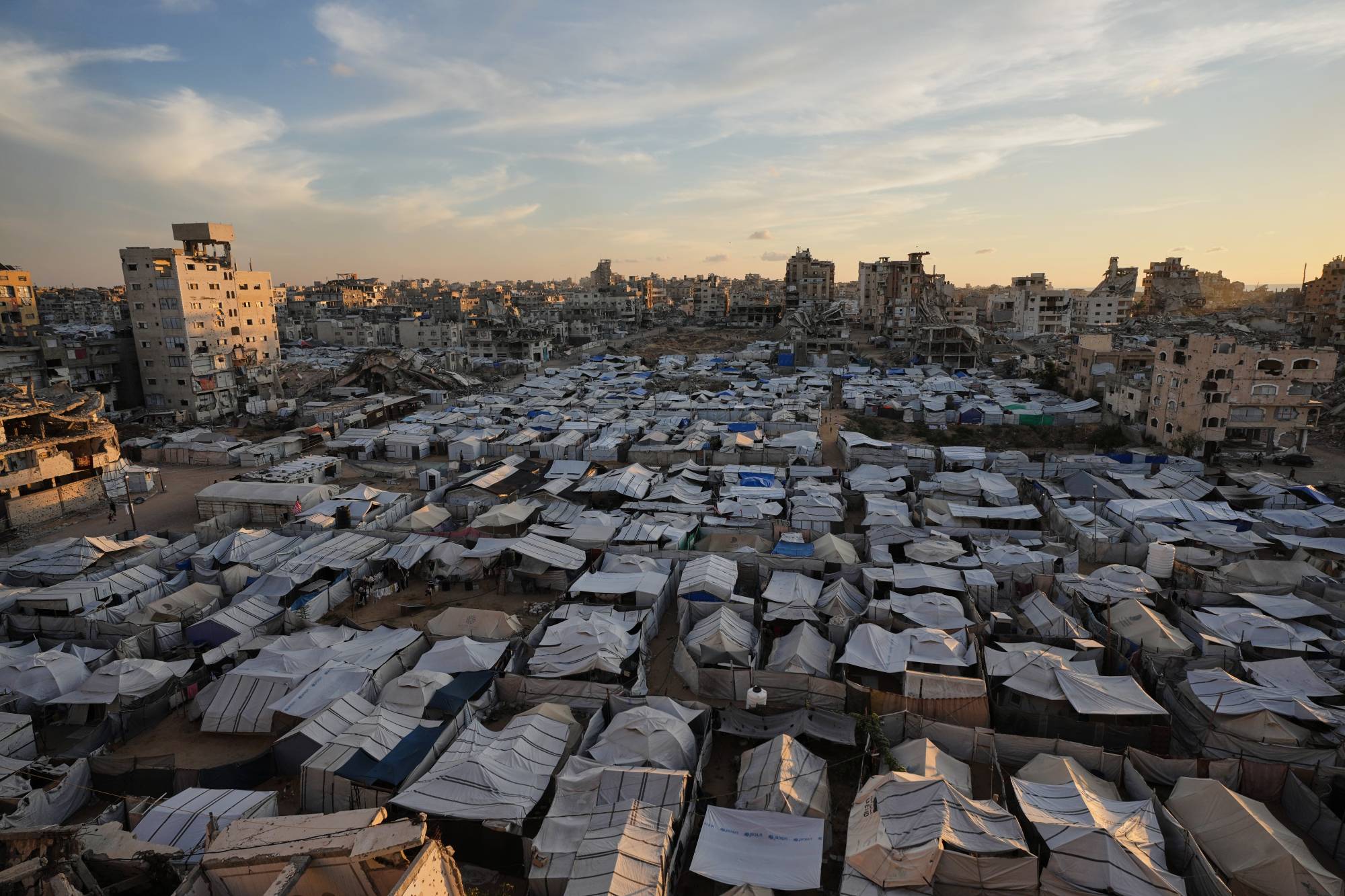
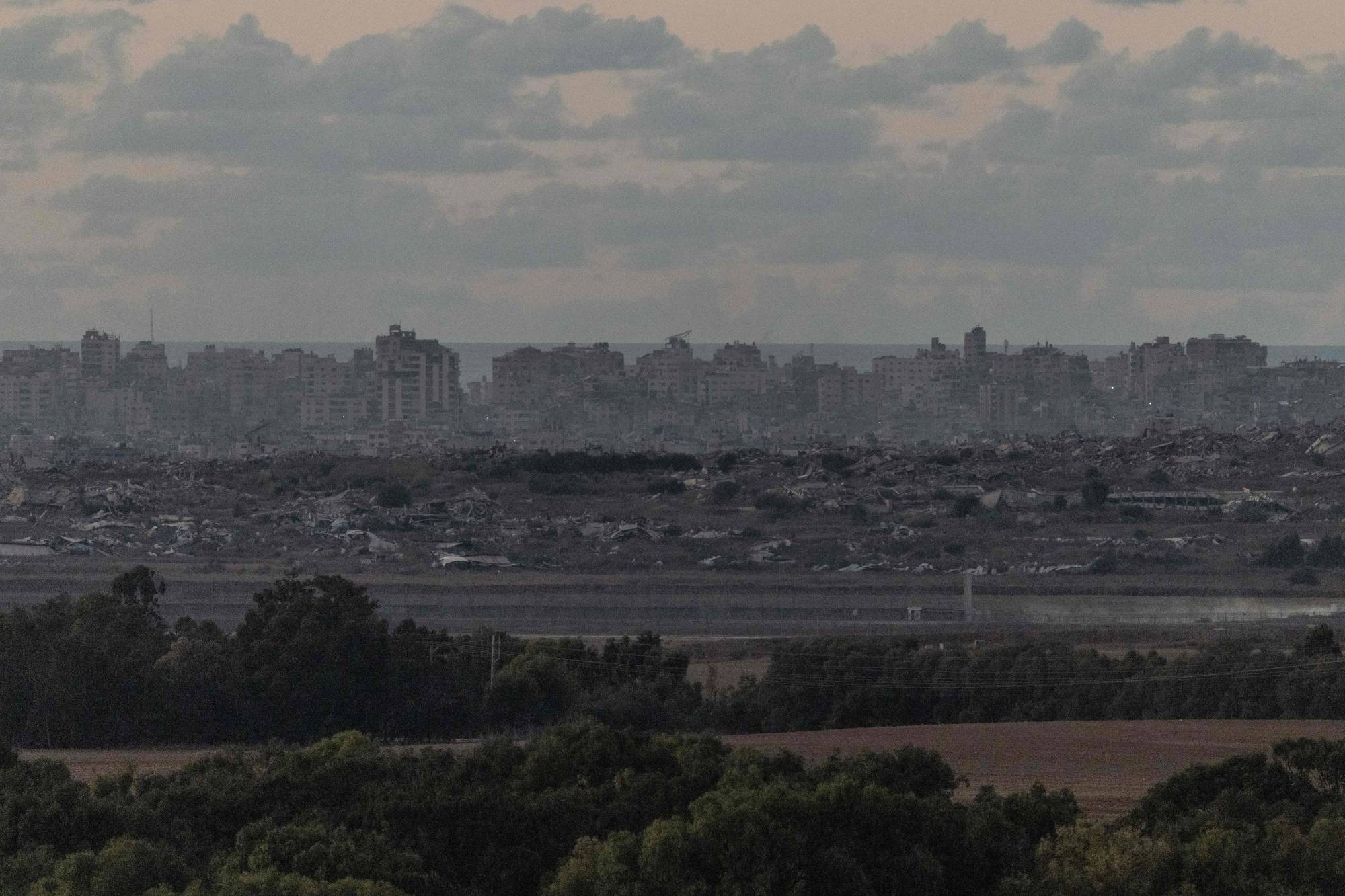
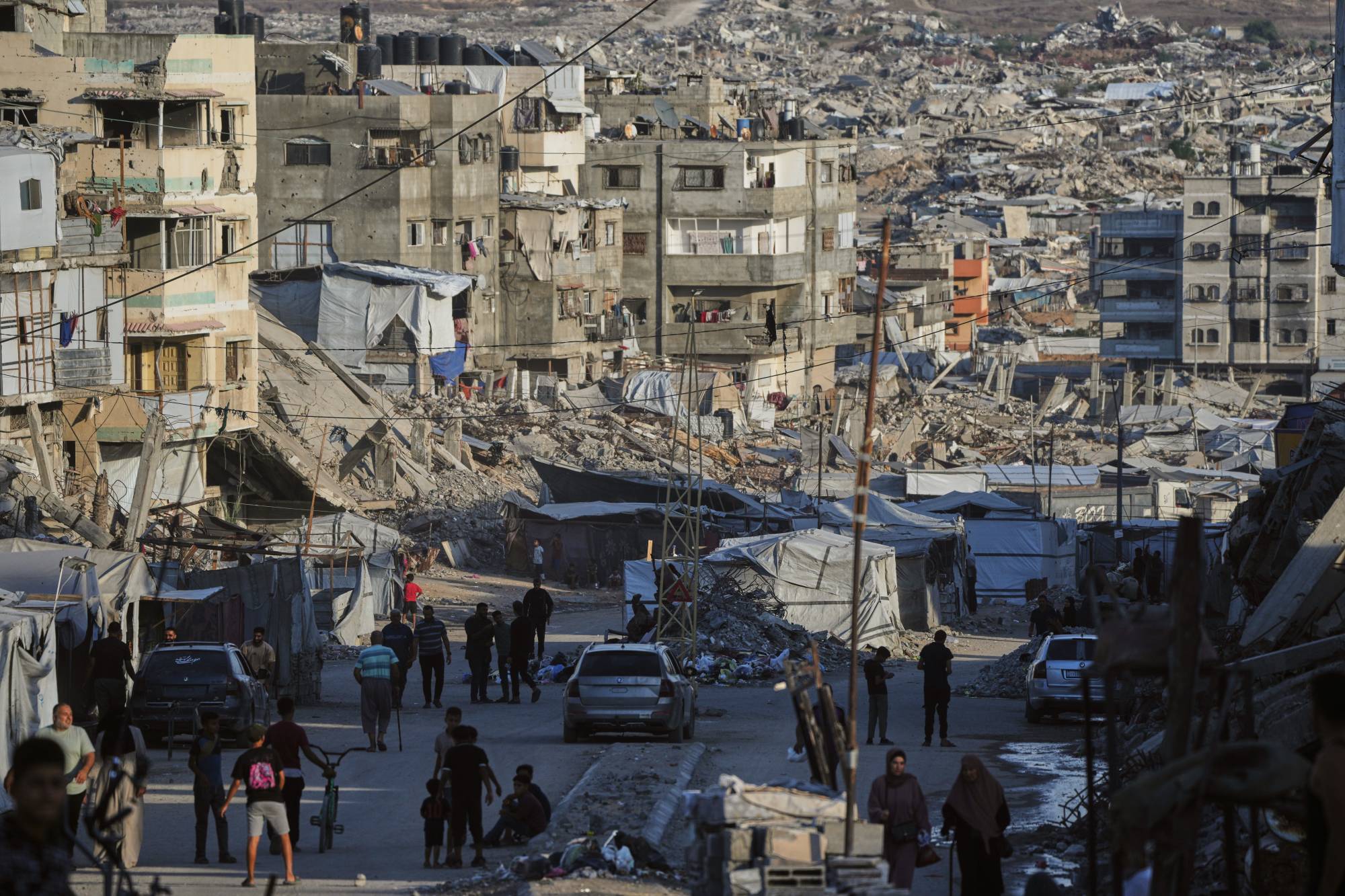
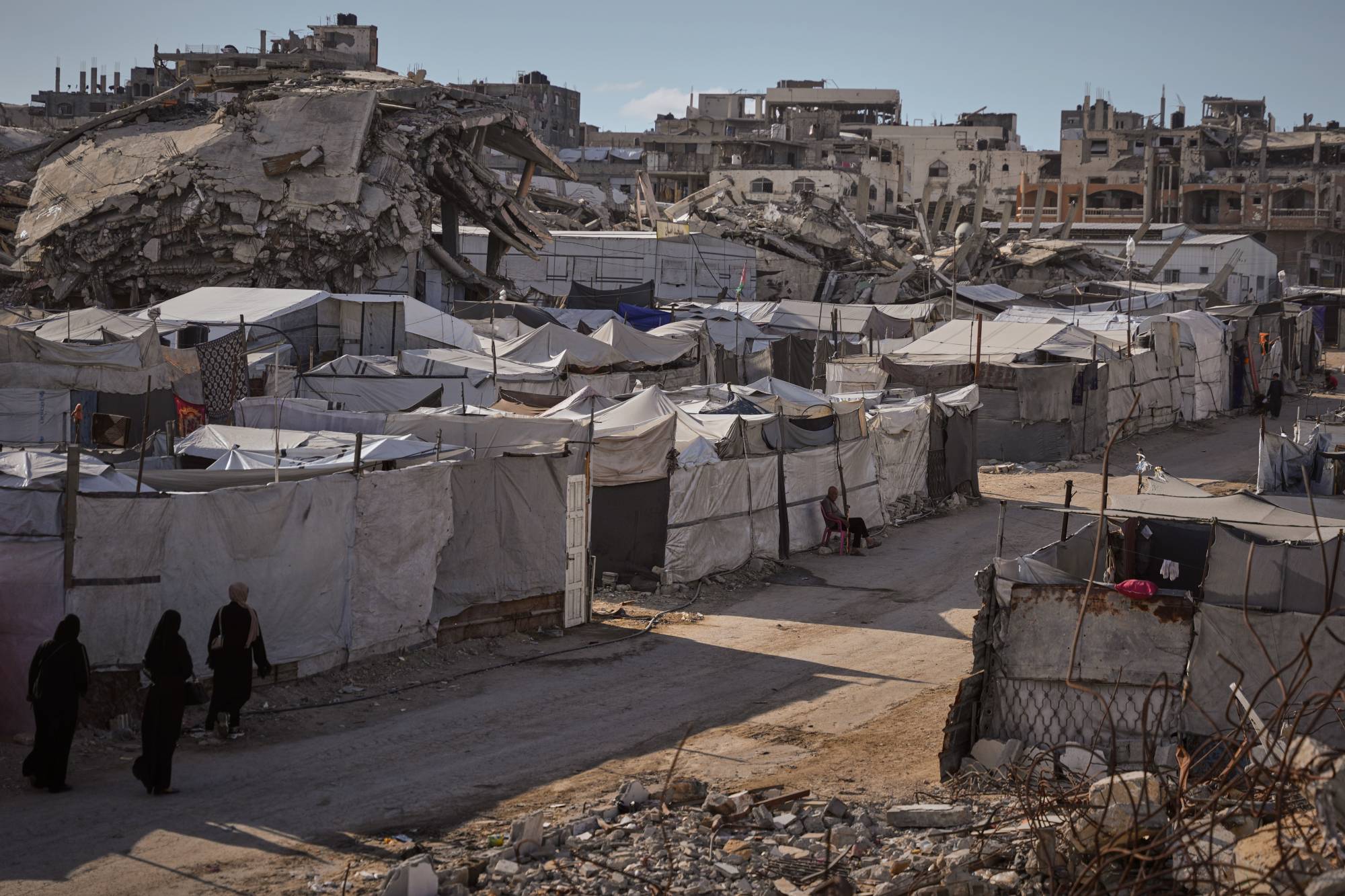
Israel sought to wipe out Gaza through what UN commissions have described as “genocide.” In its war on the territory, it wholly or partially destroyed 82% of its buildings and 90% of its infrastructure and killed 74,000 of its residents. Reconstruction costs are estimated at about $71 billion.
The immense cost of Israel's war left its mark on Sinwar's image even after his death, and on Hamas despite its signing of a ceasefire agreement in October 2025.
Among Gaza's residents, perceptions of Sinwar have undoubtedly changed considerably. Even among Hamas supporters who are not members of the movement, videos, testimonies and local discussions in recent months have shown attacks on Sinwar's decision and criticism of a man who has become the target of numerous accusations.
But a Hamas source told Asharq Al-Awsat: “The insults, harsh criticism and other attacks directed at Sinwar throughout the war were unfair. A man cannot be judged for seeking to take an important step aimed at making everyone feel what Gaza had been suffering: a blockade and daily killing by Israel.”
Polls and declining support
Palestinians did not arrive at a relative decline in support for the Oct. 7 attack overnight, according to two polls conducted by the Palestinian Center for Policy and Survey Research.
A poll released in March 2024 showed that overall support for Oct. 7 remained high, but had fallen by 11 percentage points in the West Bank and risen by about 14 points in Gaza.
The March report attributed the rise in support to another motive: “Three-quarters of Palestinians believe the attack put the Israeli-Palestinian issue at the center of attention and ended years of neglect.”
But another poll by the same center, released in September 2024, recorded a shift in support for the attack. Support fell by 13 percentage points overall across the West Bank and Gaza, with a larger decline of 18 points in Gaza, following a 14-point drop recorded in the June poll.
A further poll conducted by the center last August showed support for Hamas falling to 24%, compared with 35% in its October 2025 poll. Support for Fatah remained at 24% in both surveys.
The center's findings showed that support for Hamas in the West Bank fell from 32% in October 2025 to 18% in August 2026. In Gaza, it declined from 41% to 33%.
A poll released last August by the Jerusalem Media and Communication Centre, in cooperation with the Friedrich Ebert Foundation, pointed to a similarly marked decline in Hamas' standing and popularity.
The proportion of respondents who trusted the movement fell to 6.7%, from 12% in June 2022. Trust in Fatah also declined, to 22.3% from 28.8%.
Has Hamas reviewed Sinwar's decision?
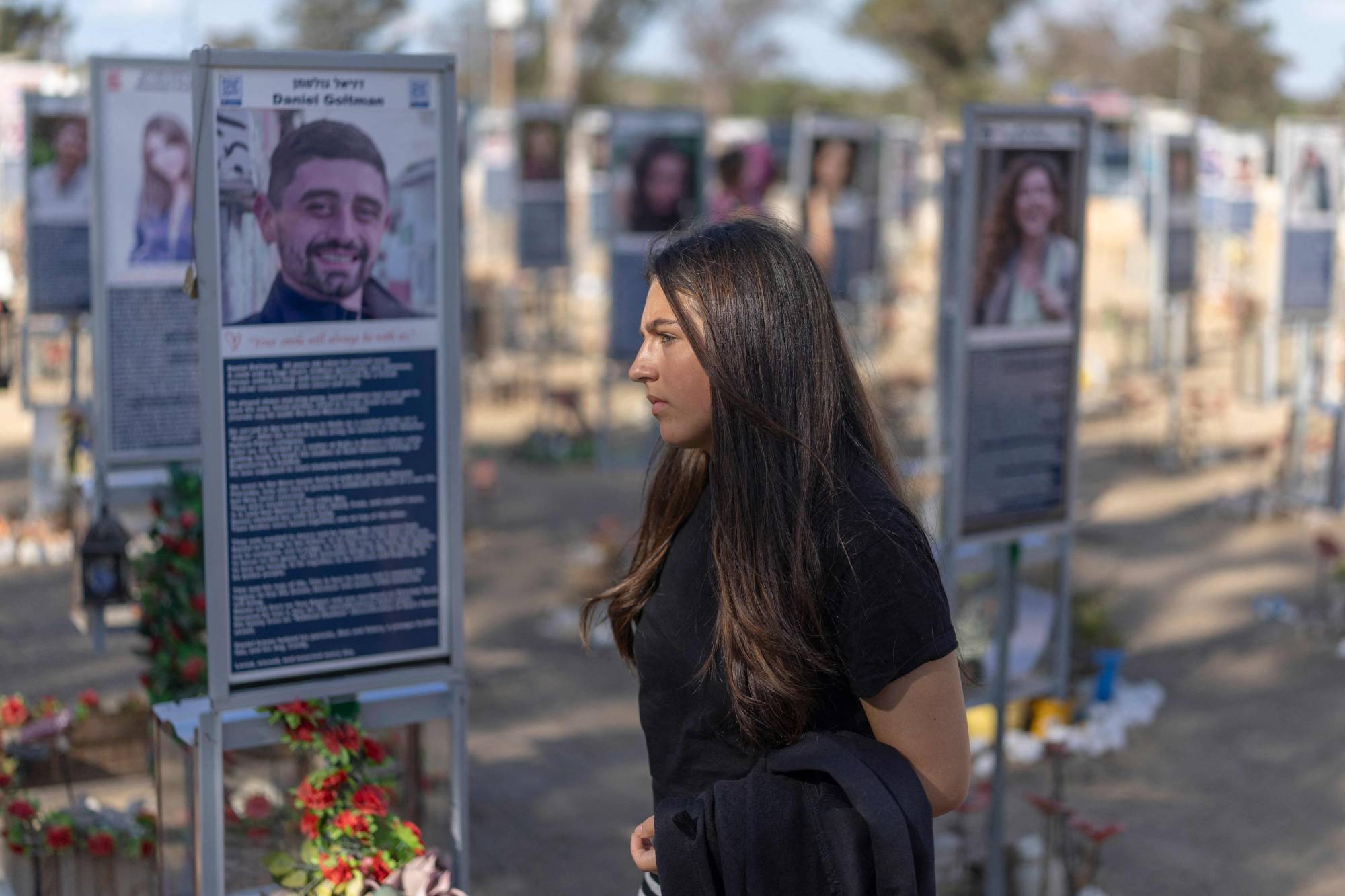
Three years after Oct. 7, three Hamas sources inside Gaza and a fourth outside the territory said: “There have been no reviews of what happened, and none of the leaders has criticized it. Although many knew nothing, or had varying degrees of knowledge, they have not changed their positions.”
But a fifth source outside Gaza said: “Support within Hamas exists only at the official level. Some criticism was occasionally voiced in private meetings among leaders at different levels. But it concerned certain aspects, as happened with negotiations and other matters, rather than the substance of the attack itself. There were differing views over its broad scope and the failure to properly anticipate Israel's response.”
The latter source, who lives outside Gaza, said: “Despite the destruction, Palestinians gained considerable international support and exposed Israel's true nature and criminality. This increased solidarity with Palestine and brought its cause back into focus around the world.”
Mustafa Ibrahim, a Palestinian political analyst based in Gaza, said: “Public criticism of Sinwar and anger over the decision he took without properly studying it continue, compounded by what residents of the territory endured and the loss of their homes and possessions.”
“Palestinians and others outside Gaza may support what Sinwar did simply because they did not experience the same destruction, killing, displacement and other conditions,” he added.