
Hijazi Shawer al-Tamimi, known as Abu al-Raed, had run out of the traditional sweets to hand out to his many grandchildren as they returned with their parents to the family’s large home in the Jalda area of Ain Deir Baha neighborhood in Hebron, in the occupied West Bank.
The 70-year-old neighborhood community elder, was celebrating their return after 11 days of forced displacement by the Israeli army.
At least 3,000 people, including more than 200 infants and 32 people with disabilities, were forced from their homes during an Israeli military operation launched in response to an attack by two Palestinian gunmen from Ain Deir Baha.
The attack, carried out at a checkpoint near Hebron less than two weeks earlier, killed two Israeli soldiers.
“We are here, and we will not leave. Our roots are here, like the roots of fig trees in the earth,” Tamimi declared after returning home.
But the joy of returning was quickly overshadowed by scenes of destruction and vandalism. Families who had barely begun celebrating were shocked by the damage to their homes and belongings.
Tamimi, who had been hospitalized a week earlier after Israeli soldiers assaulted him while preventing him from reaching his home, expressed defiance as he returned.
Like other families in the neighborhood, he was finally able to reach his house on Monday after Israeli forces, which had forcibly evicted residents, withdrew.
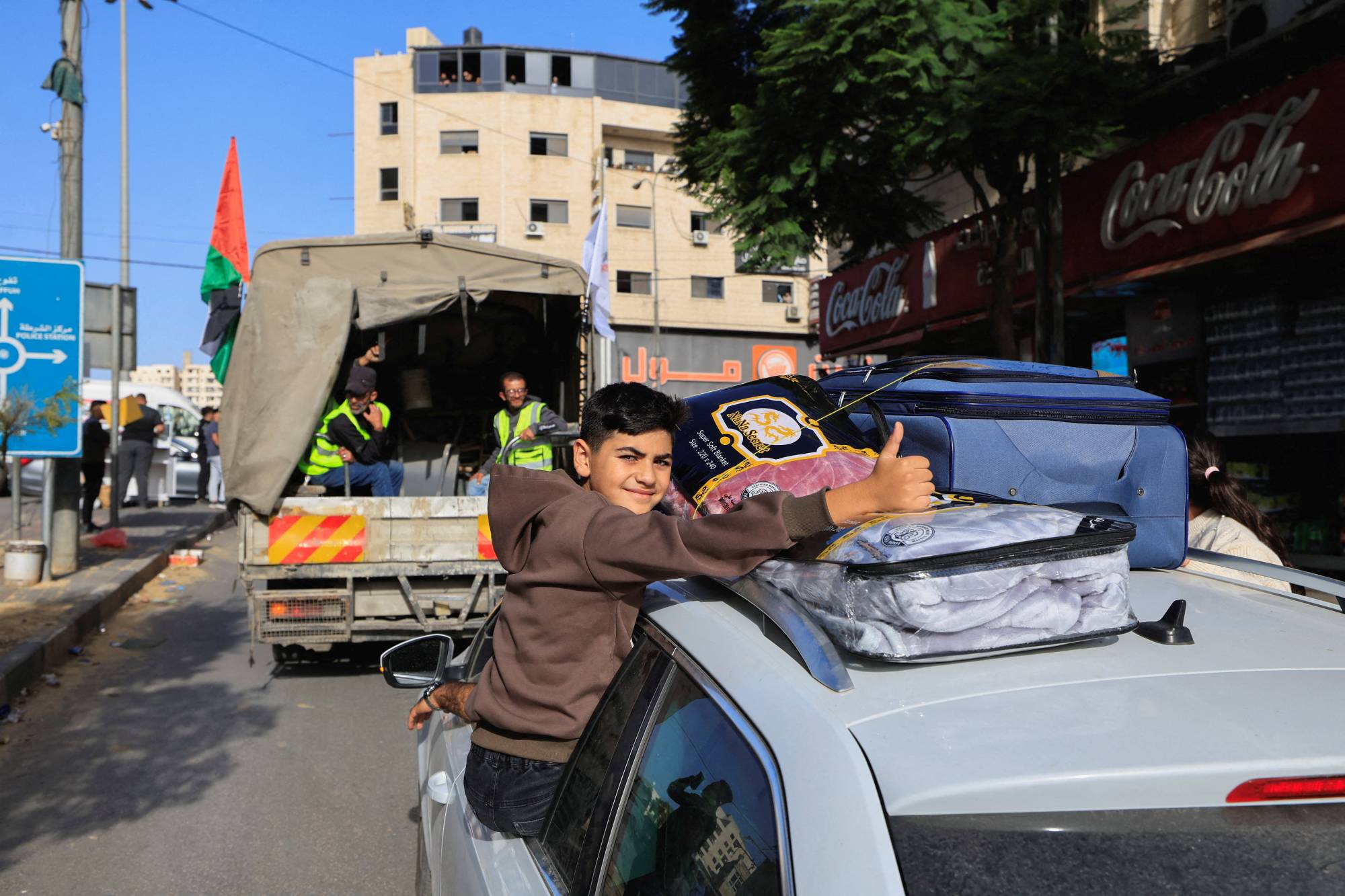
Videos circulating on social media showed crowds celebrating, cars driving through the streets, young men handing out sweets, women weeping as they entered their homes and children playing in courtyards.
Yet, many residents were stunned by the extent of the damage.
Palestinians accused Israeli soldiers of vandalizing homes, shops and institutions, while others reported thefts. Accounts of looting circulated on social media.
Obaida Mujahid, who owns a photography studio, said his shop had been looted, with losses exceeding 100,000 shekels (about $32,000) after cameras and photographic equipment were stolen.
An unidentified woman accused soldiers of smashing and vandalizing her home. Another recounted how soldiers had destroyed all the items prepared for her daughter’s wedding.
Osama Shawer told the official Palestinian news agency that his sons returned to their apartments to find that Israeli forces had smashed most of their contents.
Children’s toys, perfumes, cash and the children’s savings banks had not been spared from damage and theft, he recounted. Doors had been broken and belongings scattered.
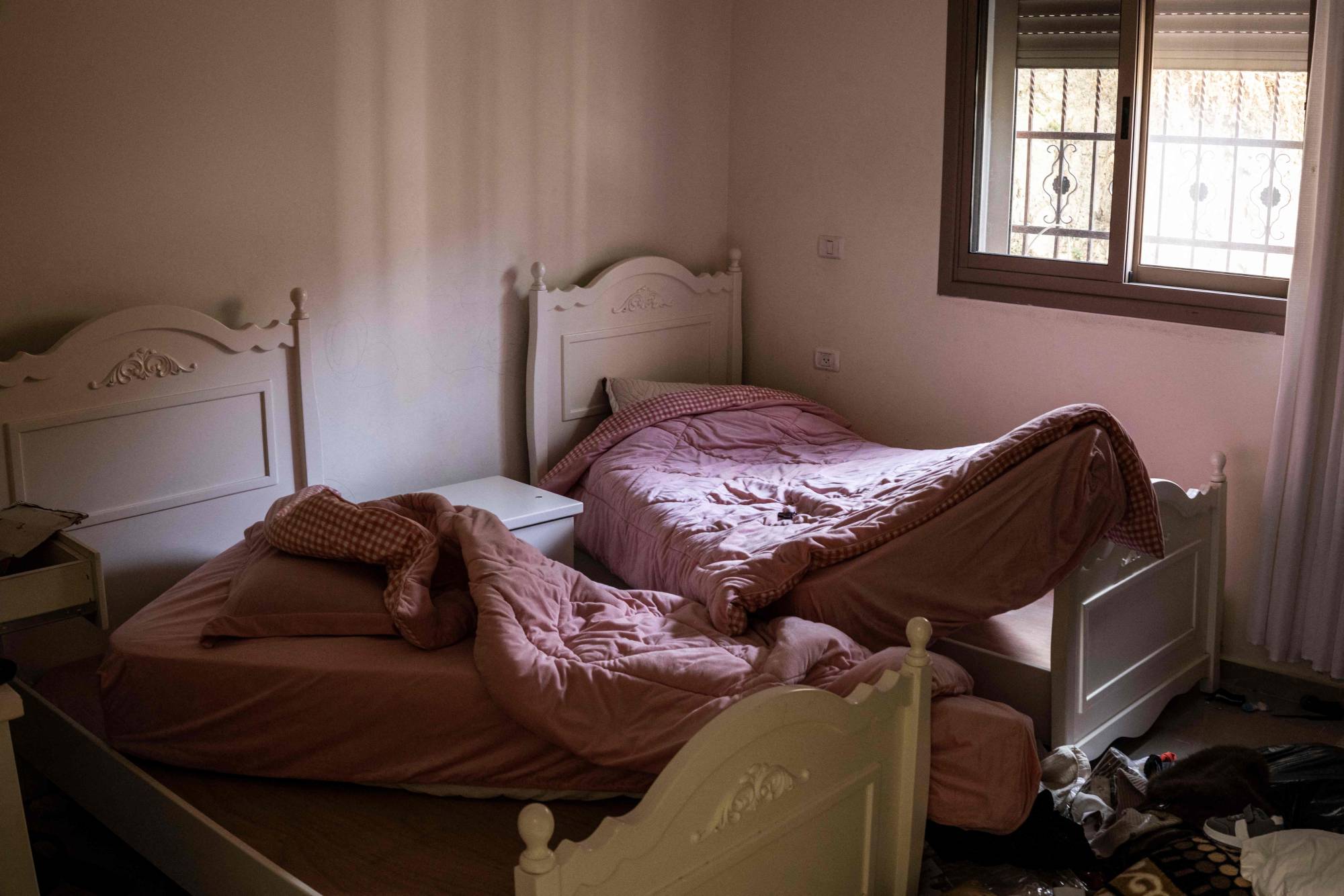
Muhannad al-Tamimi told AFP that his family returned to find their apartment wrecked, with furniture and clothes strewn across the floor, mattresses overturned and toys broken.
Many Palestinians posted images showing the damage and destruction left by soldiers inside their homes.
Israeli forces launched the operation in Hebron following a Palestinian attack on a checkpoint in the Farsh al-Hawa area on the city’s outskirts. The attack killed two Israeli soldiers and wounded three others.
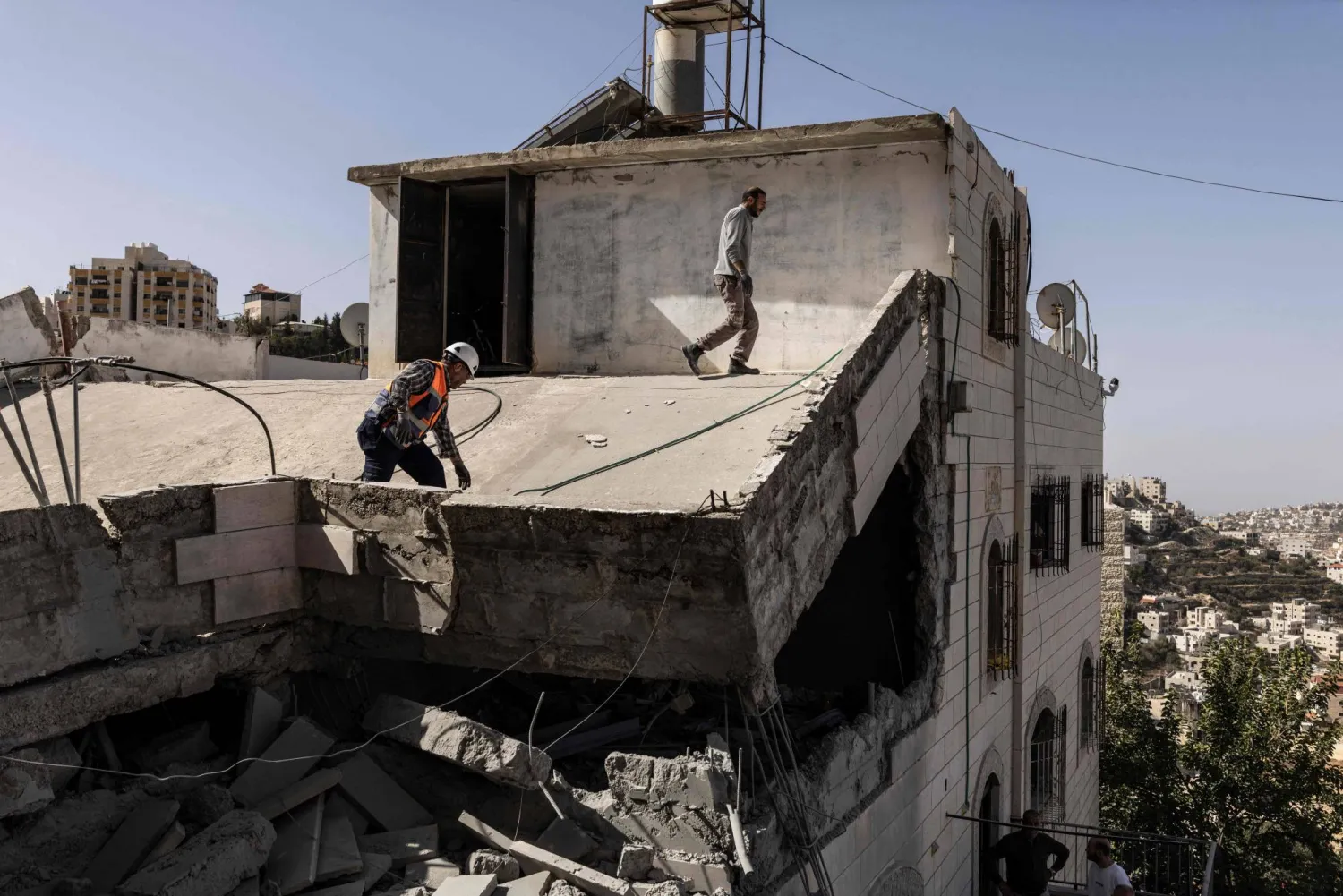
During the operation, Israeli troops took control of parts of Hebron, demolished 15 homes and occupied others after expelling their residents, particularly in the Jalda and Deir Baha areas, where the attackers hailed from. The troops withdrew early Monday.
Hebron Governor Khaled Dudin announced that Israeli forces had withdrawn from the entire city, confirming that Palestinian security services had regained full control of the area.
Residents began returning after specialized Palestinian security teams conducted rapid inspections to check for possible explosive remnants.
Despite the declared end of the operation, however, Israeli forces had not left the entire area.
Israeli military sources told the country’s public broadcaster that the withdrawal from Palestinian neighborhoods in Hebron had been postponed until at least after next Saturday.
The delay was attributed to expectations that around 20,000 people would arrive in the city for a Jewish religious event known as Shabbat Chayei Sarah.
The Israeli military issued no formal statement announcing the end of the operation, although a military official confirmed it to journalists.
The official explained that troops had vacated homes in certain areas and were preparing to provide security for the religious event.