Historic Leadership Firsts for Minorities Across US in Midterm Vote

Democratic Senate candidate Minnesota Lt. Gov. Peggy Flanagan, speaks at an election night event, Tuesday, Nov. 3, 2026, in St. Paul, Minn. (AP)
TT

Historic Leadership Firsts for Minorities Across US in Midterm Vote

Democratic Senate candidate Minnesota Lt. Gov. Peggy Flanagan, speaks at an election night event, Tuesday, Nov. 3, 2026, in St. Paul, Minn. (AP)

The US midterm vote ushered in a wave of historic leadership firsts across the country on Tuesday, electoral milestones on a night that saw voters issue a sharp rejection of President Donald Trump's second term.

The first Black female governor, the first openly gay male senator, the first Muslim senator and the first female Native American governor all won groundbreaking elections in the vote that racked up resounding gains for Democrats.

Bill Shiebler -- chief strategy officer at the non-profit State Voices, a network of advocates for civic engagement and equity -- told AFP the night was "a huge rebuke against hate and division."

"We're witnessing an electorate that increasingly sees itself in its leaders, and the leaders who come out of communities they now represent," Shiebler said.

In Michigan, leftist Abdul El-Sayed became the first Muslim elected to the US Senate.

The former medical administrator drew huge campaign crowds but faced a surge of anti-Muslim rhetoric from his detractors in the bruising race.

The Council on American-Islamic Relations advocacy group praised El-Sayed for persevering despite "endless Islamophobic attacks."

"Our communities worked hard to make sure our voices were heard and that we are properly represented in the Senate," the organization said.

"This is what is possible when we show up and vote together."

- 'Historic election' -

In the southern state of Georgia, Democrat Keisha Lance Bottoms won the race for governor, making her the first Black woman elected to the top office in any US state.

A former Atlanta mayor, Bottoms defeated billionaire health care executive Rick Jackson, a win that returns the governor's office to Democrats after more than two decades of Republican control.

In New Mexico, Democrat Deb Haaland became the first Native American woman elected governor, beating Republican Gregg Hull.

A member of the Laguna Pueblo tribe, she had served as the secretary of the interior under former president Joe Biden, the first Native American to serve as a US cabinet secretary.

Democrat Peggy Flanagan of Minnesota was elected as the first female Native American senator.

The sweeping midterm rebuke of Trump also saw a number of state-level electoral firsts, including the first Latina governor in Texas with Gina Hinojosa's victory.

Looking ahead, if the current House Minority Leader Hakeem Jeffries wins the speakership as expected in the new Congress, he would become the first Black speaker of the House in US history.

"This was a historic election where people decided to believe in themselves and really lean into the hope about the promise of this country, rebuking an effort to snuff out people's voices," Shiebler said.

Historic Leadership Firsts for Minorities Across US in Midterm Vote

Democratic Senate candidate Minnesota Lt. Gov. Peggy Flanagan, speaks at an election night event, Tuesday, Nov. 3, 2026, in St. Paul, Minn. (AP)
TT

Historic Leadership Firsts for Minorities Across US in Midterm Vote

Democratic Senate candidate Minnesota Lt. Gov. Peggy Flanagan, speaks at an election night event, Tuesday, Nov. 3, 2026, in St. Paul, Minn. (AP)

The US midterm vote ushered in a wave of historic leadership firsts across the country on Tuesday, electoral milestones on a night that saw voters issue a sharp rejection of President Donald Trump's second term.

The first Black female governor, the first openly gay male senator, the first Muslim senator and the first female Native American governor all won groundbreaking elections in the vote that racked up resounding gains for Democrats.

Bill Shiebler -- chief strategy officer at the non-profit State Voices, a network of advocates for civic engagement and equity -- told AFP the night was "a huge rebuke against hate and division."

"We're witnessing an electorate that increasingly sees itself in its leaders, and the leaders who come out of communities they now represent," Shiebler said.

In Michigan, leftist Abdul El-Sayed became the first Muslim elected to the US Senate.

The former medical administrator drew huge campaign crowds but faced a surge of anti-Muslim rhetoric from his detractors in the bruising race.

The Council on American-Islamic Relations advocacy group praised El-Sayed for persevering despite "endless Islamophobic attacks."

"Our communities worked hard to make sure our voices were heard and that we are properly represented in the Senate," the organization said.

"This is what is possible when we show up and vote together."

- 'Historic election' -

In the southern state of Georgia, Democrat Keisha Lance Bottoms won the race for governor, making her the first Black woman elected to the top office in any US state.

A former Atlanta mayor, Bottoms defeated billionaire health care executive Rick Jackson, a win that returns the governor's office to Democrats after more than two decades of Republican control.

In New Mexico, Democrat Deb Haaland became the first Native American woman elected governor, beating Republican Gregg Hull.

A member of the Laguna Pueblo tribe, she had served as the secretary of the interior under former president Joe Biden, the first Native American to serve as a US cabinet secretary.

Democrat Peggy Flanagan of Minnesota was elected as the first female Native American senator.

The sweeping midterm rebuke of Trump also saw a number of state-level electoral firsts, including the first Latina governor in Texas with Gina Hinojosa's victory.

Looking ahead, if the current House Minority Leader Hakeem Jeffries wins the speakership as expected in the new Congress, he would become the first Black speaker of the House in US history.

"This was a historic election where people decided to believe in themselves and really lean into the hope about the promise of this country, rebuking an effort to snuff out people's voices," Shiebler said.


Displaced Hebron Residents Return Home to Scenes of Destruction after Israeli Operation

People inspect the damage on the roof of a house that was blown up by Israeli forces in the Deir Baha area of Hebron in the occupied West Bank, on November 2, 2026. (AFP)
TT

Displaced Hebron Residents Return Home to Scenes of Destruction after Israeli Operation

People inspect the damage on the roof of a house that was blown up by Israeli forces in the Deir Baha area of Hebron in the occupied West Bank, on November 2, 2026. (AFP)

Hijazi Shawer al-Tamimi, known as Abu al-Raed, had run out of the traditional sweets to hand out to his many grandchildren as they returned with their parents to the family’s large home in the Jalda area of Ain Deir Baha neighborhood in Hebron, in the occupied West Bank.

The 70-year-old neighborhood community elder, was celebrating their return after 11 days of forced displacement by the Israeli army.

At least 3,000 people, including more than 200 infants and 32 people with disabilities, were forced from their homes during an Israeli military operation launched in response to an attack by two Palestinian gunmen from Ain Deir Baha.

The attack, carried out at a checkpoint near Hebron less than two weeks earlier, killed two Israeli soldiers.

“We are here, and we will not leave. Our roots are here, like the roots of fig trees in the earth,” Tamimi declared after returning home.

But the joy of returning was quickly overshadowed by scenes of destruction and vandalism. Families who had barely begun celebrating were shocked by the damage to their homes and belongings.

Tamimi, who had been hospitalized a week earlier after Israeli soldiers assaulted him while preventing him from reaching his home, expressed defiance as he returned.

Like other families in the neighborhood, he was finally able to reach his house on Monday after Israeli forces, which had forcibly evicted residents, withdrew.

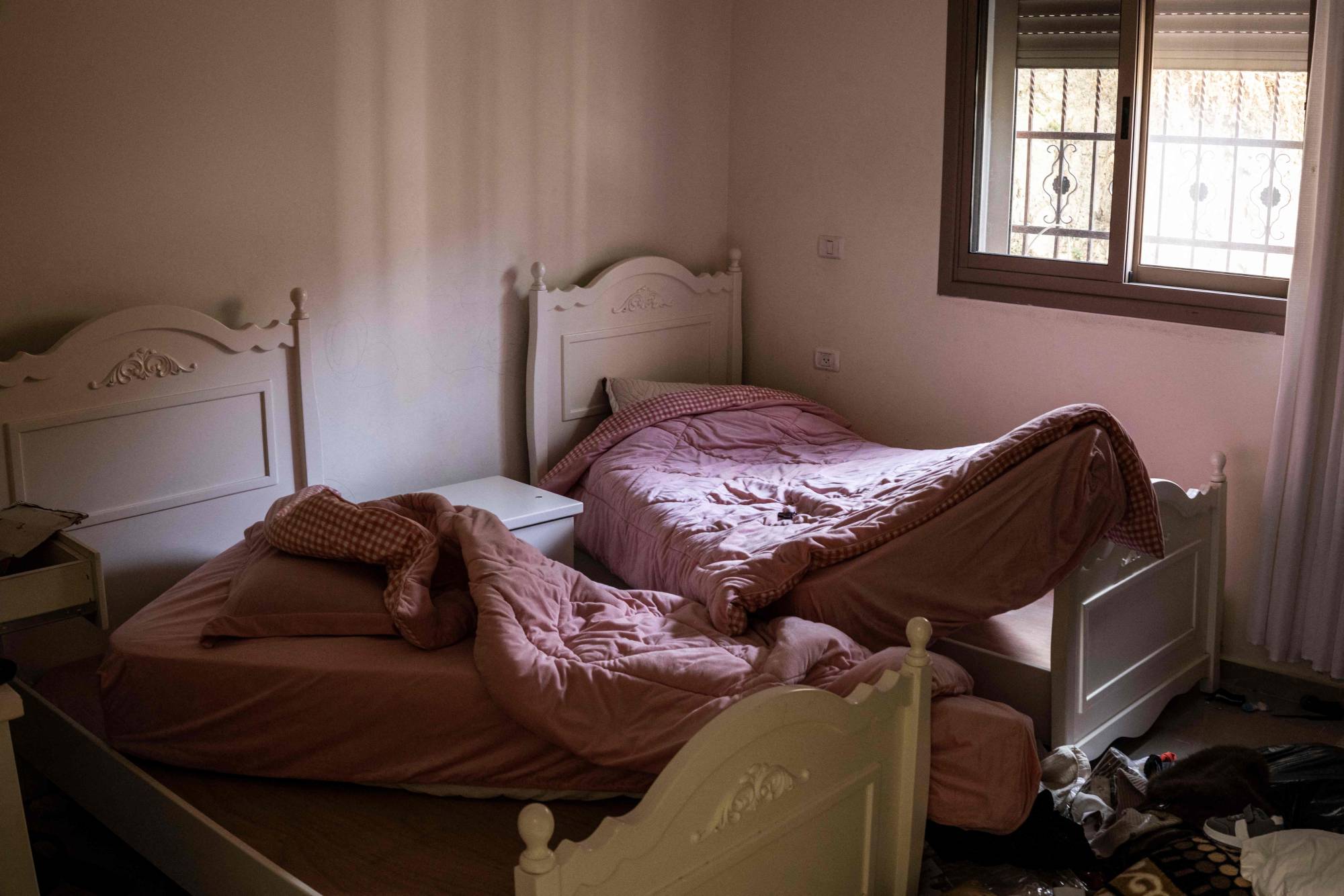
A children's bedroom, ransacked by Israeli forces during an operation is seen in the Deir Baha area of Hebron in the occupied West Bank, on November 2, 2026. (AFP)

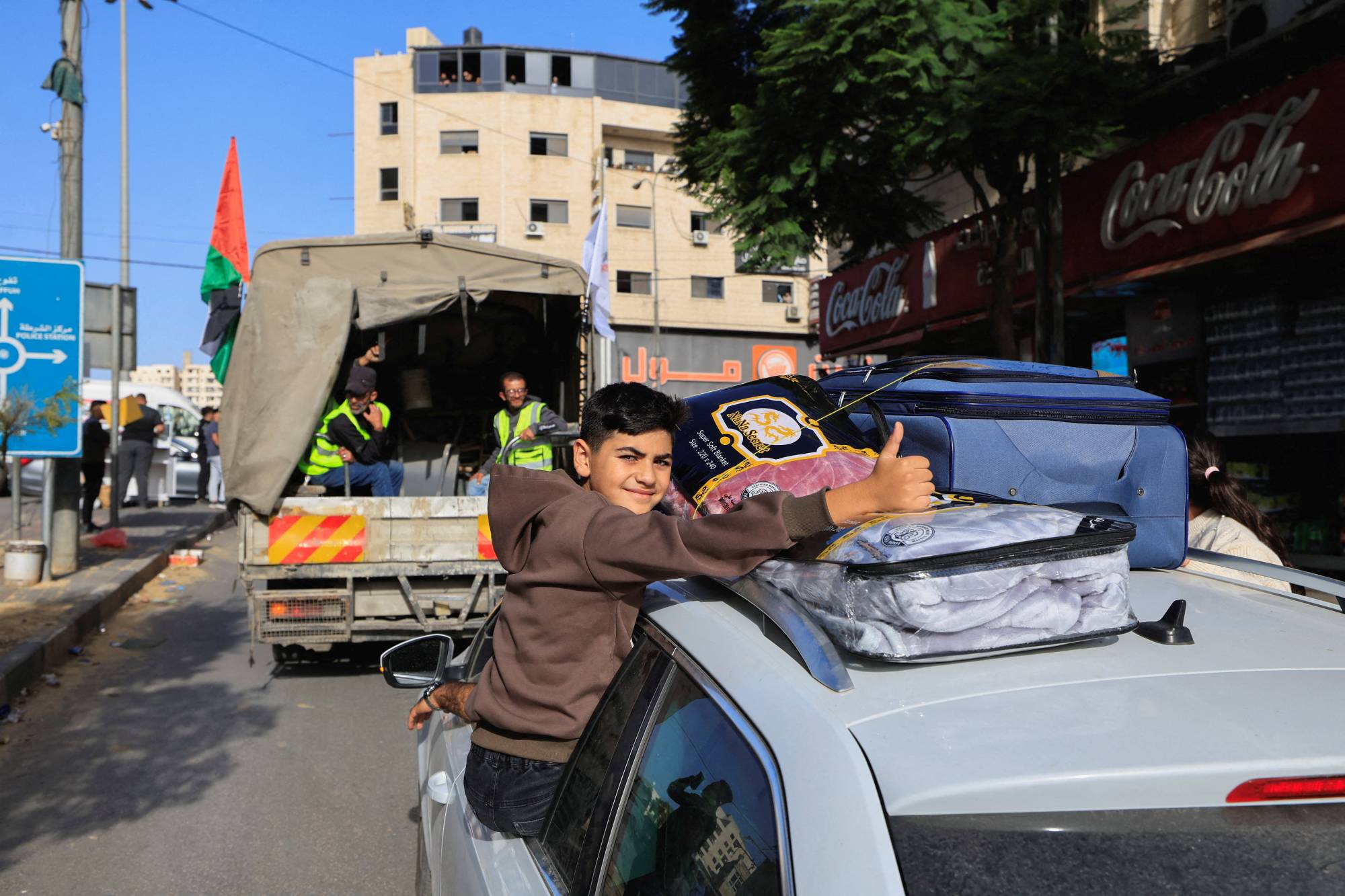
Videos circulating on social media showed crowds celebrating, cars driving through the streets, young men handing out sweets, women weeping as they entered their homes and children playing in courtyards.

Yet, many residents were stunned by the extent of the damage.

Palestinians accused Israeli soldiers of vandalizing homes, shops and institutions, while others reported thefts. Accounts of looting circulated on social media.

Obaida Mujahid, who owns a photography studio, said his shop had been looted, with losses exceeding 100,000 shekels (about $32,000) after cameras and photographic equipment were stolen.

An unidentified woman accused soldiers of smashing and vandalizing her home. Another recounted how soldiers had destroyed all the items prepared for her daughter’s wedding.

Osama Shawer told the official Palestinian news agency that his sons returned to their apartments to find that Israeli forces had smashed most of their contents.

Children’s toys, perfumes, cash and the children’s savings banks had not been spared from damage and theft, he recounted. Doors had been broken and belongings scattered.

Muhannad al-Tamimi told AFP that his family returned to find their apartment wrecked, with furniture and clothes strewn across the floor, mattresses overturned and toys broken.

Many Palestinians posted images showing the damage and destruction left by soldiers inside their homes.

A Palestinian boy gestures from a car, with belongings on its roof, as people return to their homes after the Israeli military ended an operation, in Hebron in the Israeli-occupied West Bank, November 2,2026. (Reuters)

Israeli forces launched the operation in Hebron following a Palestinian attack on a checkpoint in the Farsh al-Hawa area on the city’s outskirts. The attack killed two Israeli soldiers and wounded three others.

During the operation, Israeli troops took control of parts of Hebron, demolished 15 homes and occupied others after expelling their residents, particularly in the Jalda and Deir Baha areas, where the attackers hailed from. The troops withdrew early Monday.

Hebron Governor Khaled Dudin announced that Israeli forces had withdrawn from the entire city, confirming that Palestinian security services had regained full control of the area.

Residents began returning after specialized Palestinian security teams conducted rapid inspections to check for possible explosive remnants.

Despite the declared end of the operation, however, Israeli forces had not left the entire area.

Israeli military sources told the country’s public broadcaster that the withdrawal from Palestinian neighborhoods in Hebron had been postponed until at least after next Saturday.

The delay was attributed to expectations that around 20,000 people would arrive in the city for a Jewish religious event known as Shabbat Chayei Sarah.

The Israeli military issued no formal statement announcing the end of the operation, although a military official confirmed it to journalists.

The official explained that troops had vacated homes in certain areas and were preparing to provide security for the religious event.


Where Things Stand on Iran after a Tense Weekend

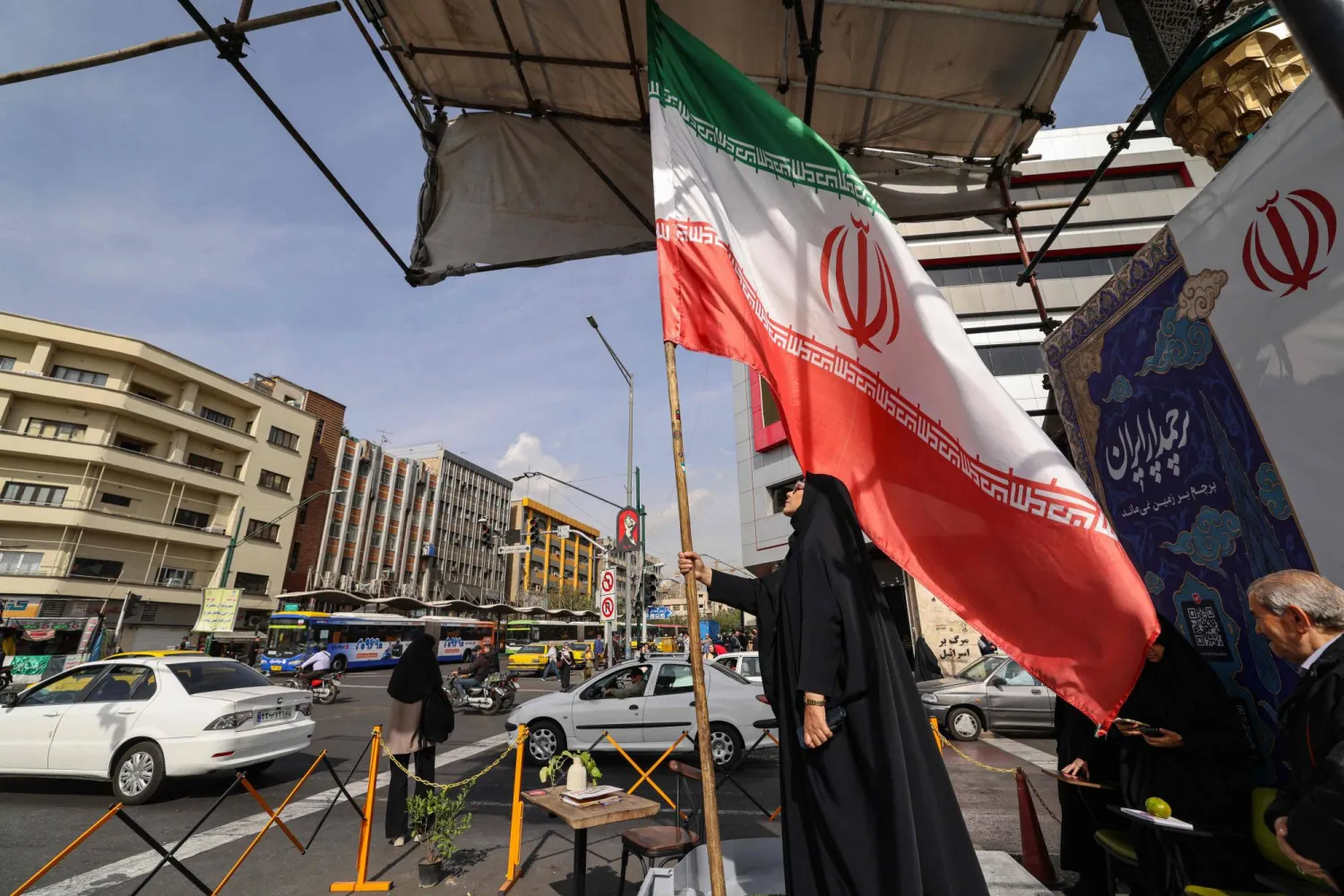
An Iranian woman holds Iran's national flag on a street in Tehran on November 1, 2026. (AFP)
TT

Where Things Stand on Iran after a Tense Weekend

An Iranian woman holds Iran's national flag on a street in Tehran on November 1, 2026. (AFP)

The Middle East is braced for a possible return to all-out war. There are concerns that the United States, along with Israel, could strike Iran shortly after Tuesday’s midterm elections in the US.

Two Iranian officials said their delegation had left Qatar after days of discussions but that messages with the US continued to be exchanged through the mediator. The officials spoke on condition of anonymity due to the sensitivity of the talks, The Associated Press reported.

The diplomatic efforts seek to avert new attacks. Tehran has expanded its threats but said it is waiting for the latest US response to a proposal that would fully open the Strait of Hormuz to shipping within two days if Washington meets several conditions.

Here’s where things stand Monday.

Trump had a ‘very good’ call with Netanyahu

US President Donald Trump on Sunday evening told reporters he and Israeli Prime Minister Benjamin Netanyahu had a “very good” call on Saturday. He said they discussed Iran but gave no details.

Even before Netanyahu and his bloc of allies lost their majority in parliament in last week’s election, there were growing fears that Netanyahu was pushing for new strikes against Iran in an effort to stay in power in an emergency government during renewed war. Since last Tuesday’s election, the prime minister has publicly commented only on the vote.

There was no word from Netanyahu and his office on the latest call with Trump, who has continued to alternate between public comments about pursuing talks with Iran and threats to strike it hard.

Iran greatly expands threats while sticking with diplomacy

The Iranian Republic has stepped up its public messaging during the uncertainty, saying it is ready for both diplomacy and renewed fighting.

The new supreme leader, Mojtaba Khamenei, met with Iran’s military chiefs and said the response to “any kind and level of threat” from the US or Israel should be immediate and without “geographic limits,” and urged an expansion of the list of potential targets.

Khamenei still has not been seen publicly since the opening strikes by Israel and the US on Feb. 28 killed his father, the previous supreme leader.

Iran’s security chief, Mohsen Rezaei, warned on X that any attack would bring “devastating blows on the aggressor using new weapons.”

In an interview with state television, Rezaei said “the tone has completely changed” from the US and called it a “very good sign.” He gave no details about the letter he received from US Vice President JD Vance, which Iran acknowledged last week, and said he had not responded.

Rezaei also said there had been no decision to change Iran’s nuclear doctrine, but he noted that some Iranians had questioned whether that should change if Iran were attacked again. Tehran has insisted its nuclear program is peaceful.

Washington seeks to prevent Iran from obtaining a nuclear weapon and wants to address the issue in any new talks. Iran wants to discuss the nuclear issue later.

Iranian Foreign Minister Abbas Araghchi, on a one-day visit to neighboring Turkmenistan on Monday, has said the final outcome depends on answers provided by the United States to the “Iranian questions.”