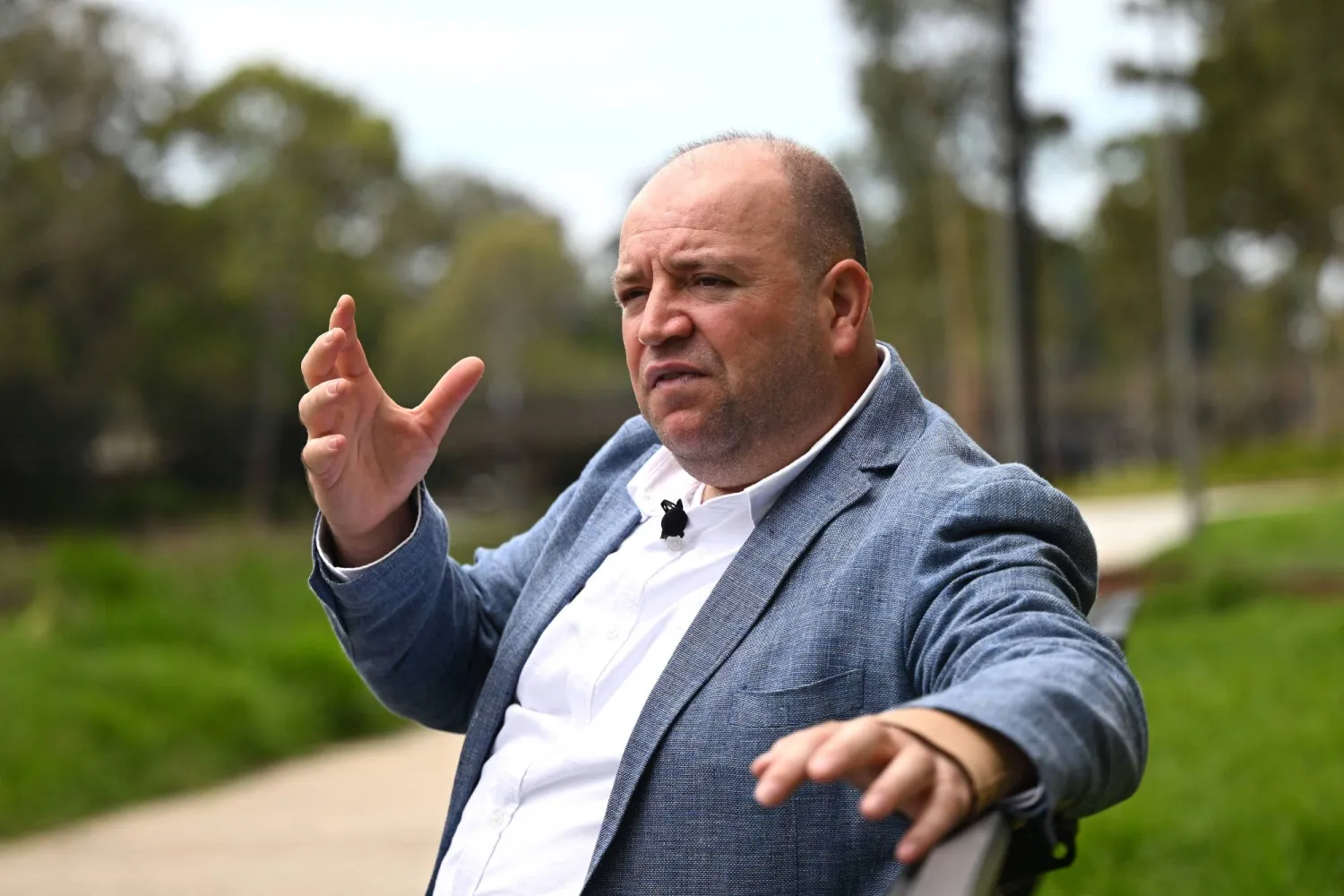
When the power goes out at his home, as it frequently does, Al-Hadi Osman is forced to place the insulin he struggled to find and afford in a container filled with water, hoping to prevent it from spoiling.
"Insulin disappears from pharmacies for long periods, and sometimes I have to turn to donors when I can't afford to buy it," he told Asharq Al-Awsat.
Kamal Idris faces a similar struggle. He says he sometimes spends more than two months searching for medication to treat high blood pressure without finding it.
His financial circumstances make obtaining medicine even more difficult. Most of the time, he buys tablets by the strip rather than purchasing an entire package. Occasionally, he relies on medicines sent by relatives or friends living in Arab countries.
Idris told Asharq Al-Awsat that he also takes Glucophage to treat diabetes and vitamin B12 supplements.
The experiences of Osman and Idris illustrate the difficulties patients in Khartoum face in maintaining regular treatment. However, pharmacists interviewed by Asharq Al-Awsat said medicine availability has generally improved, although some medications remain scarce and prices are often beyond patients' means.
Sudan's pharmaceutical supply network was disrupted by the war that began in April 2023, cutting off distribution routes that had previously carried medicines from the capital to other states.
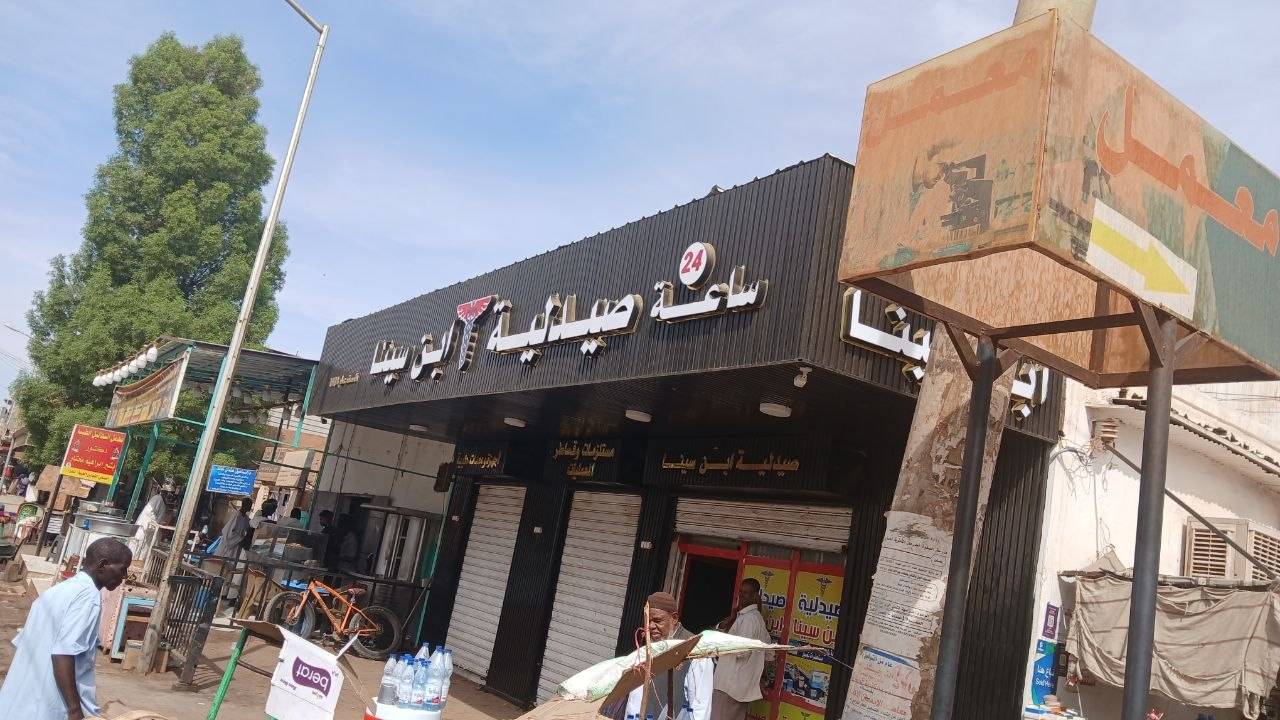
However, the National Medical Supplies Fund (NMSF), the government agency responsible for medical supplies, has gradually resumed operations following its return to Khartoum.
Pharmacist Walid Farid told Asharq Al-Awsat that Amilo, a blood pressure medication, costs approximately 6,000 Sudanese pounds, while Amilosan and Candestan each cost around 15,000 pounds.
Among diabetes medications, Amaryl costs between 30,000 and 45,000 pounds, depending on the formulation and manufacturer, while Metformin costs approximately 54,000 Sudanese pounds.
Farid said a package of insulin costs 30,000 pounds when available.
However, another pharmacist who works for the NMSF told Asharq Al-Awsat that insulin is generally unavailable in pharmacies, with the exception of premixed insulin, which he said is available through the fund at prices ranging from 26,000 to 30,000 pounds.
Pharmacist Nafisa Abdelrahman offered a somewhat different assessment, saying most medications for chronic diseases are available on the market, although shortages persist in certain types of premixed and long-acting insulin, including Lantus and insulin pens.
"Difficulties obtaining some of these types existed even before the war," she said.
Premixed insulin combines two types of insulin with different onset times and durations of action in fixed proportions, typically 30% short-acting insulin and 70% intermediate-acting insulin.
Switching between insulin formulations requires medical supervision, making access to the specific type prescribed to a patient essential, even when other formulations are available.
Monthly treatment costs vary according to individual needs.
Farid explained that some patients require 20 to 30 units of insulin per dose, while others need higher doses. The number of packages required depends on the patient's total daily dosage, as well as the size and concentration of each package.
Abdelrahman said rising prices have placed a burden on both patients and pharmacists.
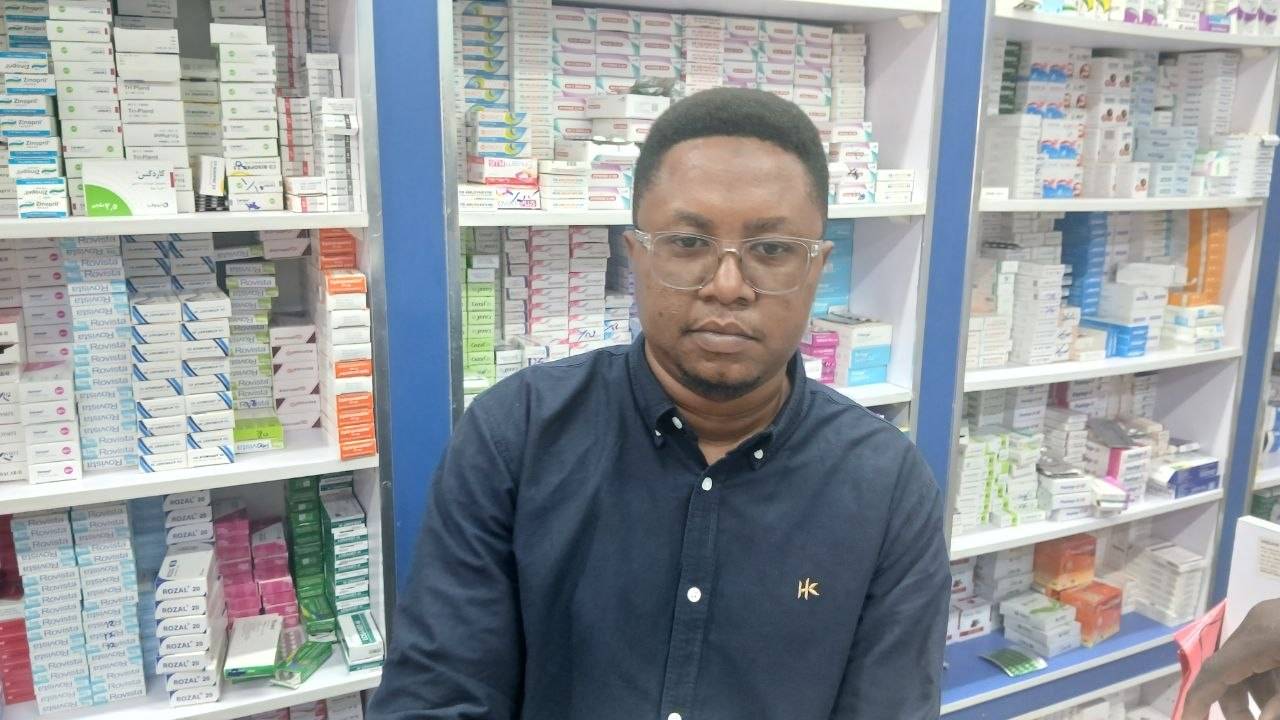
She attributed the increases to multiple exchange rates and the emergence of parallel import channels, with some traders pricing medicines according to their import costs.
"Prices sometimes change almost daily, while patients' urgent need for treatment drives some to buy their medicines regardless of how expensive they become," she said.
Farid also attributed fluctuations in medicine prices to the Sudanese pound's volatility against the US dollar, which has made pricing unstable.
He recalled once advising a pharmacy owner to temporarily suspend sales until economic conditions stabilized.
According to pharmacist Omar, manufacturers or entities financing imports determine the initial price of medicines, after which an additional 20% is applied under what he described as the new pricing system.
He estimated that the cost of a package of medicine has doubled since the beginning of the year, attributing the increase to the depreciation of the Sudanese pound.
"High prices sometimes slow sales, leaving certain medicines sitting on pharmacy shelves because patients cannot afford them," he said.
Abdelrahman explained that some pharmacies allow customers to purchase blood pressure medication by the strip when a package contains several strips.
However, opening insulin packages and selling individual doses is not common practice in retail pharmacies because of storage and safety requirements.
Omar said patients requiring urgent doses receive treatment in hospital emergency departments according to their medical condition.
Disruptions to pharmaceutical distribution date back to the early months of the war.
In June 2023, the World Health Organization (WHO) reported that military forces had reportedly taken control of the NMSF's central warehouses in Khartoum.
The facilities stored medicines intended for distribution across Sudan and housed the National Pharmacy for Chronic Diseases.
The NMSF accused the Rapid Support Forces (RSF) of preventing access to its warehouses and said refrigerated vehicles used to transport medicines had been looted.
The agency was subsequently forced to organize distribution operations from Port Sudan, while continuing to face difficulties delivering shipments to Khartoum and other areas.
Sudan's National Investigation Committee estimated the fund's war-related losses at more than $500 million, including life-saving medicines, medical solutions and equipment.
In August 2026, the NMSF announced the reopening of 10 warehouses at its Khartoum headquarters and the restoration of its electronic supply management system.
In October, it announced the reopening of the Martyr Ahmed Hassan Pharmacy, a central pharmacy in the capital.
Omar estimated that medicine availability through the NMSF had reached 68% this year, with the agency aiming to increase that figure to 85% by 2027 to meet the needs of Sudan's states.
He identified two continuing obstacles to increasing supplies: the high cost of foreign currency and disruptions to maritime transport.
He said shipping disruptions, including those affecting traffic through the Strait of Hormuz, had interfered with deliveries of insulin and blood pressure medications to Khartoum state over the past six months.
According to Abdelrahman, some domestic pharmaceutical factories have resumed operations but continue to face multiple fees and levies, along with rising costs for imported raw materials.
She warned that additional medications could become unavailable if the Sudanese pound continues to depreciate.
Omar said Sudan currently imports insulin, although a proposal exists to manufacture it domestically. Implementing such a project, however, would require time, stability and adequate resources.
In November, the WHO called for urgent, sustained funding to protect and expand essential health services in Sudan.
The organization said 21 million people across the country require health assistance and that 37% of healthcare facilities are out of service.
The appeal followed a WHO delegation's visit to Kosti in White Nile state and El Obeid in North Kordofan between November 7 and 12.
The delegation documented medicine shortages and difficulties accessing healthcare, reporting that power outages were disrupting services including surgery, intensive care and kidney dialysis.
Back in Khartoum, Kamal Idris continues to rely on whatever medicine he can afford, sometimes purchasing just one strip of tablets or using supplies sent by relatives and friends in Saudi Arabia.
Meanwhile, Al-Hadi Osman continues searching for someone who can help him pay for insulin. Even when he manages to obtain it and bring it home, frequent power outages remain another obstacle in his struggle to maintain treatment.