Saudi FM Reiterates Demand for Immediate End to Gaza War https://english.aawsat.com/gulf/4681501-saudi-fm-reiterates-demand-immediate-end-gaza-war%C2%A0
Saudi FM Reiterates Demand for Immediate End to Gaza War
Russian Foreign Minister Sergei Lavrov hosts a meeting about Gaza with foreign ministers from members of the Arab League and the Organization of Islamic Cooperation, amid the ongoing conflict between Israel and the Palestinian group Hamas, in Moscow, Russia November 21, 2023. (Reuters)
TT
TT
Saudi FM Reiterates Demand for Immediate End to Gaza War
Russian Foreign Minister Sergei Lavrov hosts a meeting about Gaza with foreign ministers from members of the Arab League and the Organization of Islamic Cooperation, amid the ongoing conflict between Israel and the Palestinian group Hamas, in Moscow, Russia November 21, 2023. (Reuters)
Saudi Foreign Minister Prince Faisal bin Farhan bin Abdullah stressed on Tuesday that “there can be no discussions about the future of Gaza before a ceasefire and cessation of all forms of violence against civilians.”
“This humanitarian tragedy cannot be justified with excuses of self-defense,” he said.
Prince Faisal made his remarks in Moscow where he, along with his Muslim and Arab counterparts, were visiting as part of a committee that was formed in wake of the extraordinary Arab League and Organization of Islamic Cooperation (OIC) summit that was held in Riyadh earlier this month to tackle the conflict in Gaza.
The committee, led by Prince Faisal, has been tasked with visiting influential countries to push for a ceasefire. China was the first stop of its tour; Russia is the second.
Prince Faisal reiterated the demand for an immediate end to the war on Gaza, calling for “the resumption of a serious and fair peace process” backed by international resolutions.
Russian Foreign Minister Sergei Lavrov said preparations must be made to launch a peace process based on the two-state solution.
Major General Turki Al-Maliki, Spokesperson for the Coalition to Restore Legitimacy in Yemen (Asharq Al-Awsat)
Official Spokesperson of the Coalition to Restore Legitimacy in Yemen Major General Turki Al-Malki stated on Friday that a ballistic missile launched by the terrorist Houthi militia toward Khamis Mushait was intercepted and destroyed.
Arab and Islamic Bodies Condemn Houthi Attack on Power Station in Saudi Arabia’s Madinahhttps://english.aawsat.com/gulf/5325017-arab-and-islamic-bodies-condemn-houthi-attack-power-station-saudi-arabia%E2%80%99s-madinah
Arab and Islamic Bodies Condemn Houthi Attack on Power Station in Saudi Arabia’s Madinah
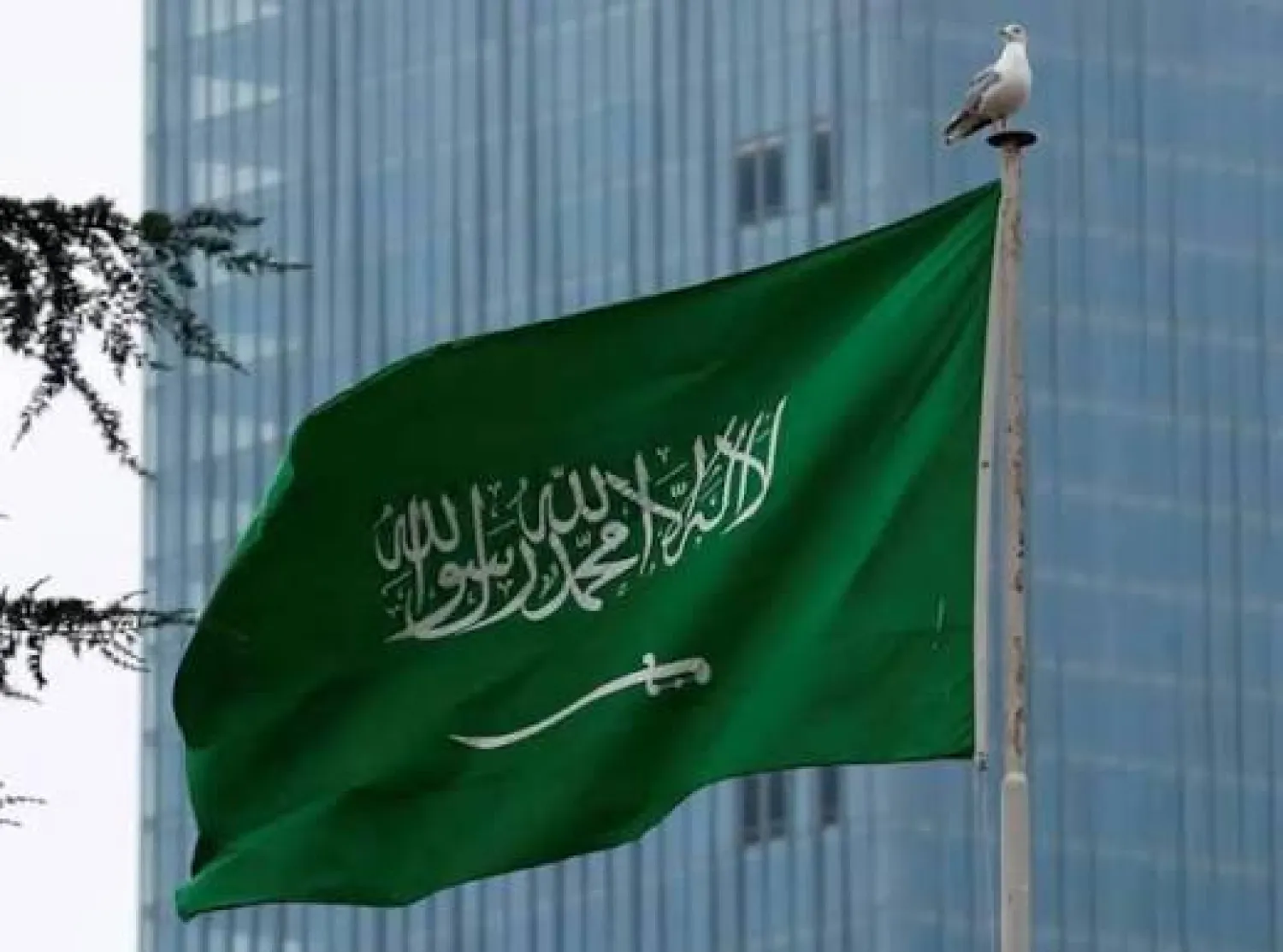
File photo of the Saudi flag/AAWSAT
Several Arab and Islamic bodies on Friday condemned a Houthi attack that targeted a power station in Saudi Arabia’s Madinah that supplies electricity to the Prophet’s Mosque and other civilian facilities.
Kuwait, Qatar, the Arab League, the OIC, Egypt, the Muslim World League, the Arab Parliament president, GCC, and the Presidency of Religious Affairs at the Grand Mosque and the Prophet's Mosque condemned the attack, saying it violated the Kingdom's sovereignty and breached international law.
The condemnations described the attack as a threat to civilian infrastructure and expressed solidarity with Saudi Arabia, while stressing the need to protect holy sites and civilian facilities from attacks.
They also renewed full solidarity with Saudi Arabia and reaffirmed support for the Kingdom in confronting attacks targeting its security, stability, and sovereignty, as well as the safety of its citizens and residents.
Coalition: Terrorist Houthi Militia Targets Taibah Power Distribution Station in Madinahhttps://english.aawsat.com/gulf/5324975-coalition-terrorist-houthi-militia-targets-taibah-power-distribution-station-madinah
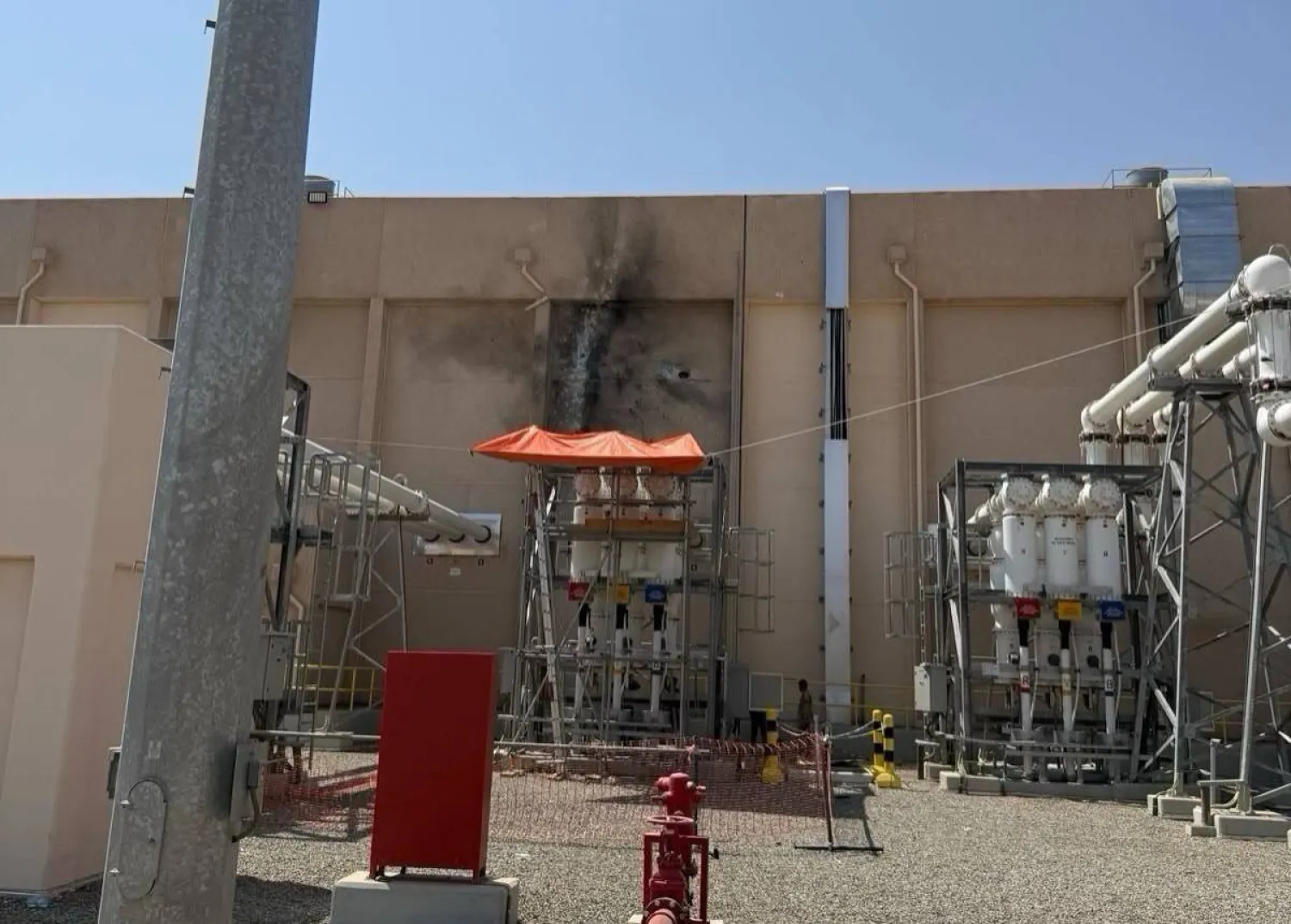
Damage is seen at the station from the Houthi attack. (SPA)
TT
TT
Coalition: Terrorist Houthi Militia Targets Taibah Power Distribution Station in Madinah
Damage is seen at the station from the Houthi attack. (SPA)
Official Spokesperson of the Coalition to Restore Legitimacy in Yemen Major General Turki Al-Malki announced on Thursday that the terrorist Houthi militia in Yemen was behind a terrorist attack on the Taibah electricity distribution station in Madinah.
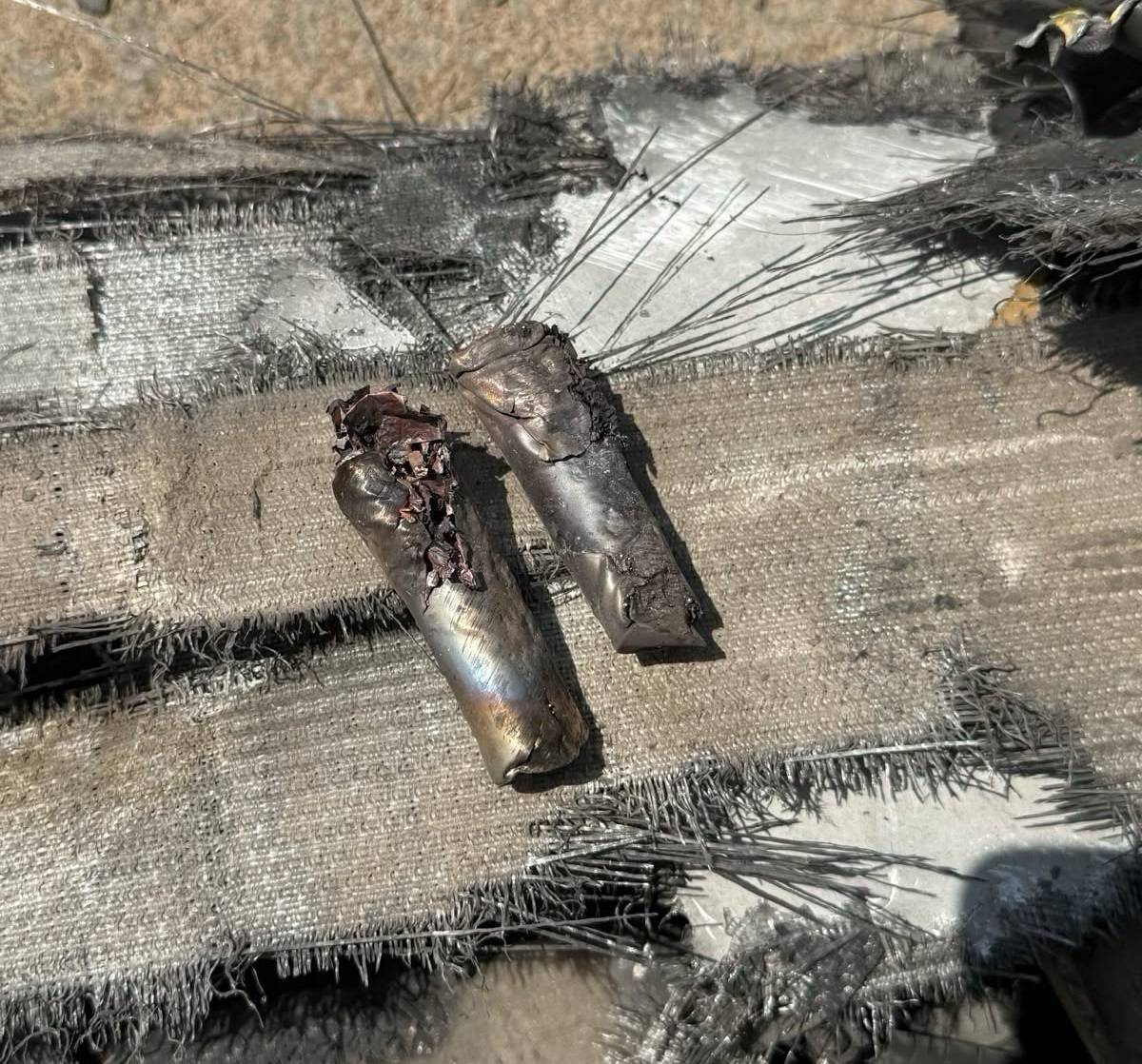
The attack took place at 5:11 am on Tuesday. The investigation and evidence gathered by the relevant authorities confirmed the involvement of the Houthi militia in planning and executing this “cowardly” terrorist act, based on after action review and the wreckage of the drone used.
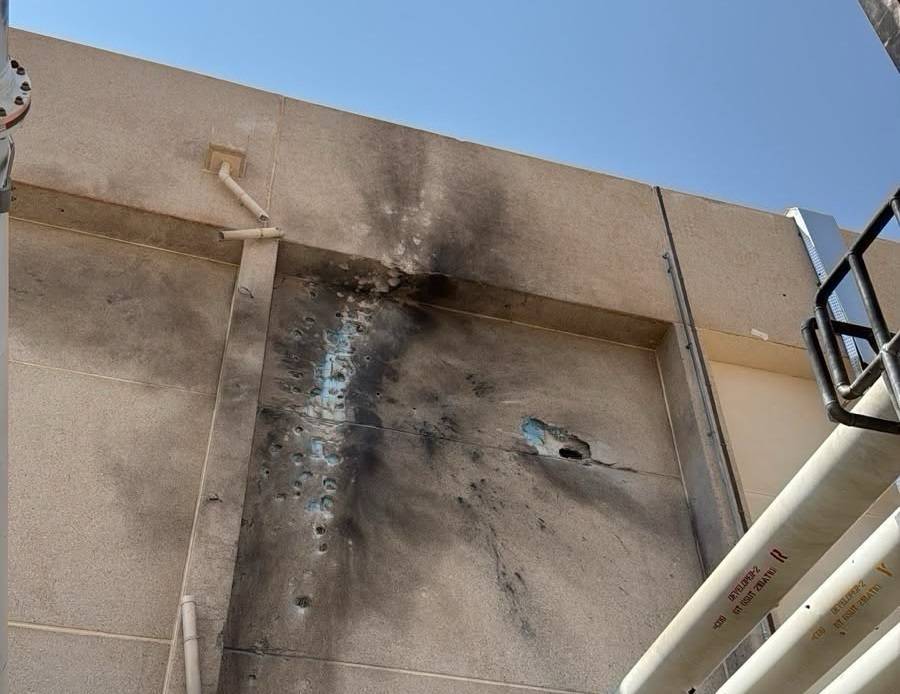
The attack resulted in one power transformer being taken out of service, without affecting the electricity network.
Debris of the drone used by the terrorist Houthi in the attack. (SPA)
“The cowardly terrorist act, targeting a civilian facility providing electricity to the Prophet's Mosque in Madinah, is a continuation of this extremist militia's attempts to target the Two Holy Mosques and their deliberate provocation of millions of Muslims worldwide by targeting Makkah and Madinah,” said Al-Malki.
“The Coalition continues to take and implement measures to deter the terrorist Houthi militia, ensuring the protection of the Two Holy Mosques and the safety of the pilgrims in Makkah and Madinah,” he stressed.
Secretary-General of the Gulf Cooperation Council (GCC) Jasem Albudaiwi strongly condemned the attack.
He stressed that “this heinous Houthi attack has crossed all red lines, represents a blatant provocation to the sentiments of Muslims across the world, and constitutes a grave escalation in violating the sanctity of Islamic holy sites.”
It reveals “an aggressive approach that disregards religious and humanitarian values as well as international laws and norms, particularly in light of repeated attempts to target the Two Holy Mosques and their surrounding areas.”
Damage is seen at the plant as a result of the Houthi attack. (SPA)
Albudaiwi underscored the GCC member states' “steadfast and unwavering stance alongside Saudi Arabia and their full solidarity in confronting anything that threatens its security, stability, and sovereignty.”
He reiterated “complete support for all measures taken by the Kingdom to protect its territory, citizens, residents, and pilgrims,” stressing that the security of the Kingdom and its holy sites “is an integral part of the collective security of the GCC, and that any threat to the Kingdom is a threat to the security of all GCC member states.”
The Jordanian government condemned the Houthi attack as an “outrageous violation of Saudi Arabia's sovereignty, a threat to its security, stability, and territorial integrity, and a clear breach of international law and the UN Charter.”
Official Spokesperson of the Jordanian Ministry of Foreign Affairs Ambassador Fuad Al-Majali expressed Jordan's full solidarity with Saudi Arabia.
He reaffirmed Jordan's support for all measures taken to ensure the security and safety of its citizens and residents.
President of the Arab Parliament Mohamed Al-Yammahi strongly condemned the attack, stressing that “such criminal acts constitute a flagrant violation of the sanctity of holy sites, provoke the feelings of Muslims around the world, and threaten the security and stability of the region, rather than the Kingdom’s security alone.”
Al-Yammahi affirmed the Arab Parliament’s full solidarity with Saudi Arabia and its support for all measures it takes to confront such terrorist acts.
“Such terrorist acts will not undermine Saudi Arabia’s ability to protect its resources, security, and the safety of its citizens and residents,” he added.
لم تشترك بعد
انشئ حساباً خاصاً بك لتحصل على أخبار مخصصة لك ولتتمتع بخاصية حفظ المقالات وتتلقى نشراتنا البريدية المتنوعة