


Kuwait’s Rulers: From Sheikh Sabah I to Nawaf Al-Ahmad

According to the Kuwaiti constitution’s Article 4 and the Succession Law’s Article 6, the Emir must be from the lineage of Mubarak Al-Sabah (Asharq Al-Awsat)
TT

Kuwait’s Rulers: From Sheikh Sabah I to Nawaf Al-Ahmad

According to the Kuwaiti constitution’s Article 4 and the Succession Law’s Article 6, the Emir must be from the lineage of Mubarak Al-Sabah (Asharq Al-Awsat)

With the passing of Emir Sheikh Nawaf al-Ahmad Al Jaber Al Sabah, Kuwait bids farewell to its 16th ruler, marking the end of a 267-year era since the first leader of the Al-Sabah family assumed power in 1756.

The Kuwaiti cabinet Saturday named Sheikh Meshal al-Ahmad Al Jaber Al Sabah as Emir, to succeed the late ruler, pursuant to the provisions of the Kuwaiti constitution.

Sheikh Sabah bin Jaber Al Sabah, born at the beginning of the 18th century, was the first ruler of the Al-Sabah family in Kuwait.

He assumed leadership of the Gulf nation following a tribal alliance from 1756 to 1776.

Sheikh Sabah was the inaugural leader of Kuwait, marking the commencement of the political history of the Al Sabah dynasty, which has held the leadership of Kuwait since 1756.

The leadership continued through his descendants, including Sheikh Mubarak Al Sabah “the Great” (the seventh ruler, reigning from 1896 to 1915), who is regarded as the true founder of the state.

Sheikh Abdullah Al Salem Al Sabah, the eleventh ruler of Kuwait, assumed the reins of power on February 25, 1950, until his passing on November 24, 1965.

On June 19, 1961, Kuwait gained its independence from Britain, and Sheikh Abdullah, the man of independence, signed the Declaration of Independence with the British Government Chief Political Resident in the Arabian Gulf, Sir George Middleton, on behalf of the Kuwaiti government.

Sheikh Abdullah, a champion of independence, established the parliamentary system for the state.

During his tenure, the constitution was ratified, and the current constitution was issued after independence on November 11, 1962.

It officially came into effect on January 29, 1963.

Kuwait had issued the first written constitution and established a consultative council in 1921.

The Gulf country formed an elected legislative council in 1938.

The Kuwaiti constitution currently outlines the candidates eligible for the Emirship, adhering to a 1921 document initiated by locals after the country’s ninth ruler.

According to the constitution’s Article 4 and the Succession Law’s Article 6, the Emir must be from the lineage of Mubarak Al-Sabah.

In case of a vacancy, the Crown Prince is declared Emir.

Constitution Article 60 mandates the Emir to swear allegiance to respecting the constitution, safeguarding people’s freedoms, interests, and national independence.


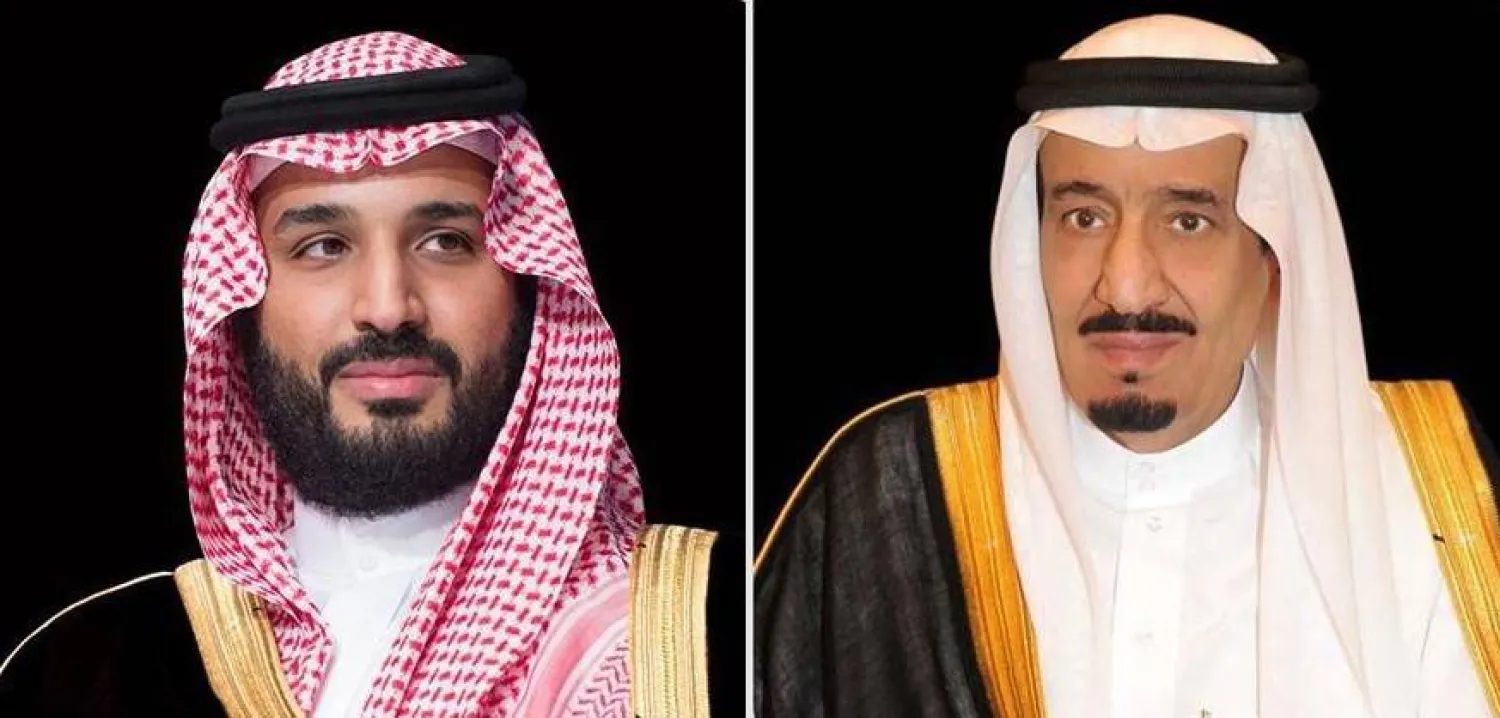

King Salman Directs Disbursement of over SAR3 Billion as Ramadan Assistance for Social Security Beneficiaries

Custodian of the Two Holy Mosques King Salman bin Abdulaziz. (SPA)
TT

King Salman Directs Disbursement of over SAR3 Billion as Ramadan Assistance for Social Security Beneficiaries

Custodian of the Two Holy Mosques King Salman bin Abdulaziz. (SPA)

Custodian of the Two Holy Mosques King Salman bin Abdulaziz Al Saud, upon the recommendation of Prince Mohammed bin Salman bin Abdulaziz Al Saud, Crown Prince and Prime Minister, has directed the disbursement of more than SAR3 billion in Ramadan assistance to social security beneficiaries, SPA reported.

The directive reflects the leadership’s commitment to addressing the needs of beneficiary families and ensuring their requirements are met during the holy month of Ramadan.

The generous assistance includes SAR1,000 for the head of each household and SAR500 for each dependent. The amounts are expected to be deposited directly into the beneficiaries’ bank accounts within the coming hours.

Minister of Human Resources and Social Development Ahmed Al-Rajhi expressed his gratitude and appreciation to the Custodian of the Two Holy Mosques and the Crown Prince for this generous gesture toward social security beneficiaries and for their continued attention to citizens’ needs during Ramadan.


Makkah Deputy Governor Carries Out Field Inspection of Grand Mosque Readiness for Ramadan 

Deputy Governor of the Makkah Region Prince Saud bin Mishaal bin Abdulaziz is seen during his inspection tour at the Grand Mosque in the holy city of Makkah. (SPA)
TT

Makkah Deputy Governor Carries Out Field Inspection of Grand Mosque Readiness for Ramadan 

Deputy Governor of the Makkah Region Prince Saud bin Mishaal bin Abdulaziz is seen during his inspection tour at the Grand Mosque in the holy city of Makkah. (SPA)

Deputy Governor of the Makkah Region Prince Saud bin Mishaal bin Abdulaziz inspected the readiness of the Grand Mosque and its facilities, conducting a field tour to review operational and service preparations for receiving worshippers and Umrah performers during the holy month of Ramadan, reported the Saudi Press Agency on Tuesday.

Prince Saud was briefed on the operational plans implemented by the relevant authorities, including crowd management mechanisms, service enhancements, and facility preparations aimed at ensuring smooth movement and enhancing comfort and safety levels for visitors to the Grand Mosque, particularly during peak times.

He reviewed developmental initiatives and smart services supporting the operational system, notably electric mobility carts for transporting the elderly, persons with disabilities, and those in need of assistance within the Grand Mosque.

The tour also included an overview of the efforts of guidance teams deployed across the corridors and courtyards of the Grand Mosque, providing multilingual assistance and direction.

Prince Saud reviewed the interactive map and digital mobility platform, which allows visitors to plan their routes in advance and identify service locations, entrances and exits, and less crowded pathways.

He was briefed on crowd management systems, including the visitor density sensor platform that measures human density in real time, and the Tawaf and Sa’i crowd status display service, which allows worshippers to select appropriate times to perform rituals with ease. Models of the modern multilingual guidance system were also reviewed.

Prince Saud also visited the Smart Engineering Command and Control Center, which serves as an advanced central platform linking operational systems and monitoring performance in real time, boosting operational efficiency and raising readiness levels during Ramadan.


Saudi Leadership Provides Two Donations Worth SAR150 Mln Through Jood Eskan Platform

Custodian of the Two Holy Mosques King Salman bin Abdulaziz Al Saud and Prince Mohammed bin Salman bin Abdulaziz Al Saud, Crown Prince and Prime Minister. (SPA)
TT

Saudi Leadership Provides Two Donations Worth SAR150 Mln Through Jood Eskan Platform

Custodian of the Two Holy Mosques King Salman bin Abdulaziz Al Saud and Prince Mohammed bin Salman bin Abdulaziz Al Saud, Crown Prince and Prime Minister. (SPA)

Custodian of the Two Holy Mosques King Salman bin Abdulaziz Al Saud and Prince Mohammed bin Salman bin Abdulaziz Al Saud, Crown Prince and Prime Minister, have provided two generous donations amounting to SAR150 million through the Jood Eskan platform.

The move aligns with the leadership's commitment to supporting all national efforts and initiatives to provide suitable housing for deserving families.

Minister of Municipalities and Housing and Chairman of the Board of Trustees of the Developmental Housing Foundation (Sakan) Majed Al-Hogail expressed his deep gratitude to the leadership for its unwavering support to all national efforts and initiatives aimed at providing suitable housing for eligible families across the Kingdom.

He noted the effective impact of previous generous donations in achieving the goals of housing development, and motivating individuals and institutions to donate through the Jood Eskan platform that is based on community giving that helps provide decent housing and boosts stability and quality of life for deserving families.