

Throughout his tenure as the governor of Riyadh, King Salman bin Abdulaziz stood out as one of the most connected figures to Saudi Arabia’s corridors of power.
As the 25th son of the Kingdom’s founder, King Abdulaziz Al Saud, he earned his father’s trust at an early age and remained a close confidant to all successive Saudi monarchs—Saud, Faisal, Khalid, Fahd, and Abdullah.
Often called the “Ruler of Riyadh,” a unique title among regional governors, King Salman was seen as a natural-born leader. He was also known as the “custodian of the royal family’s secrets,” acting as a trusted advisor and envoy for the monarchy.
On behalf of Saudi kings, King Salman undertook key political tasks, signed agreements with foreign capitals, and represented the Kingdom at major regional and global events, solidifying his role as a respected statesman long before becoming king.
During his long tenure as governor of Riyadh, King Salman bin Abdulaziz cultivated relationships with global leaders, heads of state, and cultural figures, positioning Saudi Arabia’s capital as a hub of international diplomacy.
Under his leadership, Riyadh hosted numerous high-profile visitors, political leaders, summits, and conferences, elevating its role in shaping Saudi Arabia’s strategic decisions.
When King Salman ascended to the throne on January 23, 2015—exactly a decade ago—he assumed the title of Custodian of the Two Holy Mosques. His reign has been marked by significant reforms that earned global recognition.
King Salman introduced measures to protect and promote human rights, including laws that strengthened the rights of women, children, people with disabilities, and workers, solidifying his legacy as a reformist leader.
Since King Salman became king in 2015, Saudi Arabia has introduced significant reforms to promote equality and protect human rights. Laws were enacted to safeguard the rights of women, children, people with disabilities, and workers, while providing legal avenues for redress through courts and human rights organizations.
One of the most transformative changes was allowing women to drive. On June 24, 2018, the historic decision took effect after King Salman issued a royal decree in September 2017.
This marked a turning point for women’s freedoms in the Kingdom.
Saudi women also made strides in politics and business. In 2015, they participated in municipal elections for the first time, winning 21 seats. In 2018, women gained the right to start businesses without male guardian approval, register marriages and divorces, and report family matters independently.
That same year, the Kingdom introduced an anti-harassment law, allowed families to attend football matches, and granted women licenses to participate in the Olympics and become pilots.
Women now hold leadership roles, including ambassadorial positions in the US, Norway, and Sweden. Thirteen women were appointed to the Human Rights Commission, making up half its members.
They also entered roles once reserved for men in government and the private sector.
Under King Salman, Saudi Arabia has enacted major reforms, especially in civil rights.
Women now have greater equality, including the right to obtain family records for their children and equal rights in the workplace. Restrictions, such as requiring a woman’s residence to match her husband’s, have also been removed.
These changes earned Riyadh the title of Arab Capital of Women.
A Champion of Culture and History
King Salman is also deeply committed to preserving Saudi history and promoting culture. He has played a pivotal role in documenting the history of the Arabian Peninsula and the Saudi state.
His weekly council serves as a forum for dialogue with scholars and intellectuals, and he chairs key cultural institutions, including the King Abdulaziz Foundation for Research and Archives and the King Fahd National Library.
One of his landmark achievements was establishing the “Saudi Arabia: Yesterday and Today” exhibition in the 1980s, which toured over 10 countries, including the US and Canada, showcasing the Kingdom’s heritage and achievements.
Known as a “friend of writers and journalists,” King Salman has long supported cultural initiatives. Crown Prince Mohammed bin Salman once described him as an avid reader of history who encouraged his children to read by discussing books with them weekly.
A Life of Leadership and Development
Born on December 31, 1935, King Salman grew up in Riyadh, where he received an education in religious and modern sciences. He memorized the Quran by age 10, instilling a sense of discipline and responsibility that shaped his leadership style.
At 19, he became acting governor of Riyadh, and in 1955, its full-time governor. Over five decades, he transformed Riyadh from a small city of 200,000 into a bustling hub of commerce, education, and culture. The city saw the development of modern infrastructure, schools, hospitals, and landmarks.
Beyond urban development, King Salman contributed to humanitarian efforts, chaired relief committees, and strengthened Riyadh’s position as a leading city in the region. His legacy reflects his dedication to progress, culture, and the Kingdom’s advancement.
Saudi Arabia’s Transformation Under King Salman
Since King Salman assumed power in 2015, Saudi Arabia has embarked on a transformative journey of reforms and modernization. Early in his reign, he issued decrees to improve government performance and empower youth leadership. Central to this progress is “Vision 2030,” led by Crown Prince Mohammed bin Salman, which focuses on diversifying the economy, enhancing services, and improving quality of life while preserving the nation’s heritage.
Preserving Heritage, Modernizing Culture
King Salman has prioritized safeguarding Saudi Arabia’s history. Key sites have been recognized as UNESCO World Heritage locations. Historic landmarks have been turned into tourist attractions, while cultural values have been incorporated into education, blending tradition with modernity in Saudi cities.
Social Progress and Youth Empowerment
Saudi society has seen significant changes under King Salman. Young people benefit from scholarships, entrepreneurial support, and innovation programs. Entertainment has flourished with the return of cinemas, theaters, and cultural festivals, fostering creativity and national pride.
Economic Diversification and Digital Growth
Vision 2030 has driven Saudi Arabia toward a more diverse and technology-focused economy. Investments in advanced industries, partnerships with global companies, and digital transformation have positioned the Kingdom as a leader in innovation. Military industries have been localized, creating jobs and boosting national security.
A Global Destination for Events and Business
Saudi Arabia has become a hub for international sports, cultural events, and business gatherings. Hosting global tournaments and festivals has spurred infrastructure improvements and attracted investment. Enhanced transport networks and world-class hospitality services have made the Kingdom a key destination for tourism and commerce.
Vision 2030: A Path to the Future
Vision 2030 has launched major projects in renewable energy, technology, and tourism while fostering environmental sustainability. Under King Salman’s reign, Saudi Arabia is rapidly building a diverse, innovation-driven economy, laying the foundation for a thriving and sustainable future.


Ten Years of King Salman’s Reign in Saudi Arabia: Reform, Vision, Empowerment, and Growth

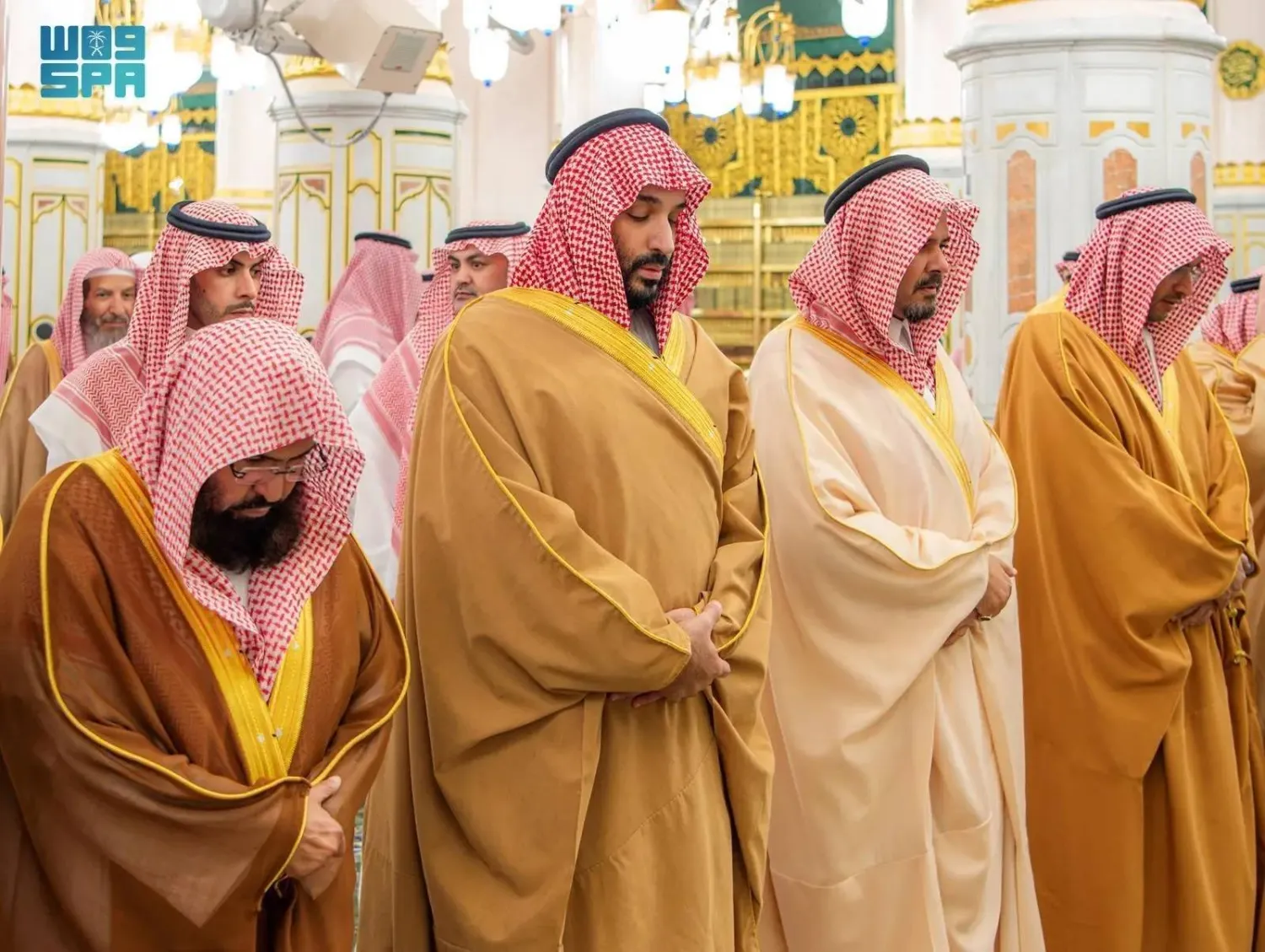
King Salman bin Abdulaziz (SPA)

Ten Years of King Salman’s Reign in Saudi Arabia: Reform, Vision, Empowerment, and Growth
King Salman bin Abdulaziz (SPA)


لم تشترك بعد
انشئ حساباً خاصاً بك لتحصل على أخبار مخصصة لك ولتتمتع بخاصية حفظ المقالات وتتلقى نشراتنا البريدية المتنوعة
