


Egyptian Parliament Approves Formation of Saudi-Egyptian Supreme Coordination Council

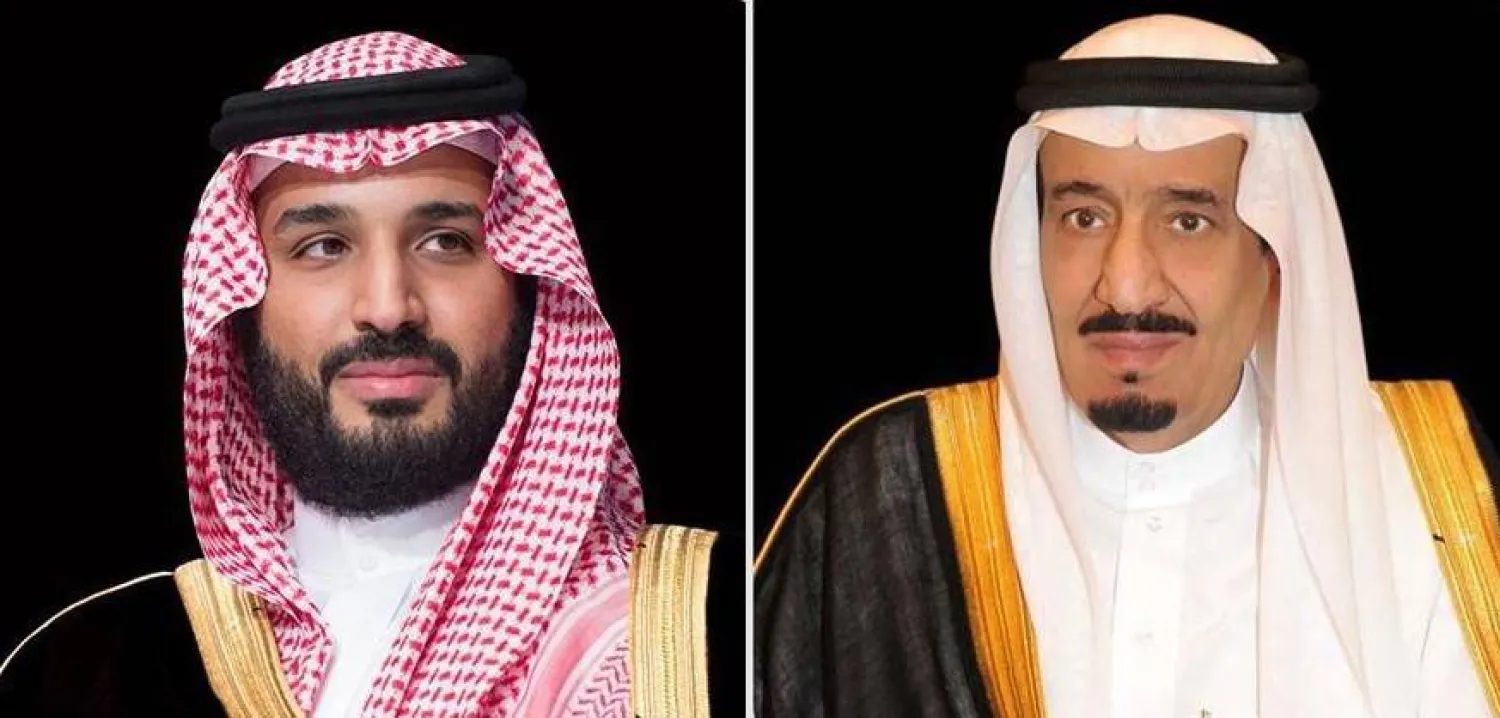
 Saudi Crown Prince Mohammed bin Salman meets with Egyptian President Abdul Fattah al-Sisi in Riyadh during a previous meeting. (SPA)
Saudi Crown Prince Mohammed bin Salman meets with Egyptian President Abdul Fattah al-Sisi in Riyadh during a previous meeting. (SPA)
TT

Egyptian Parliament Approves Formation of Saudi-Egyptian Supreme Coordination Council

 Saudi Crown Prince Mohammed bin Salman meets with Egyptian President Abdul Fattah al-Sisi in Riyadh during a previous meeting. (SPA)
Saudi Crown Prince Mohammed bin Salman meets with Egyptian President Abdul Fattah al-Sisi in Riyadh during a previous meeting. (SPA)

The Egyptian Parliament, chaired by Speaker Dr. Hanafy El Gebali, approved on Monday the formation of the Saudi-Egyptian Supreme Coordination Council, aimed at elevating bilateral relations to an unprecedented strategic level.

The establishment of the council was announced in mid-October following discussions between Prince Mohammed bin Salman, Saudi Crown Prince and Prime Minister, and Egyptian President Abdel Fattah al-Sisi in Cairo.

By the end of last year, the Egyptian government had approved the council’s formation, with an official statement highlighting its goal of “intensifying communication and strengthening cooperation between Saudi Arabia and Egypt across various sectors of mutual interest.”

During a joint press conference with his Saudi counterpart Prince Faisal bin Farhan bin Abdullah in September, Egyptian Foreign Minister Badr Abdelatty emphasized that the Supreme Coordination Council would serve as “an overarching framework to further deepen bilateral relations and expand cooperation across political, economic, trade, developmental, and investment sectors to benefit both nations.”

According to the Egyptian government’s statement, the council will comprise ministers and officials from both countries in relevant fields and will hold regular meetings alternately in both nations, with provisions for extraordinary meetings when necessary. The council will replace the previously established Joint Higher Committee Agreement.

Ahmed Fouad Abaza, chairman of the Egyptian Parliament’s Arab Affairs Committee, stated that the council aims to achieve several strategic objectives, including coordination and consultations on regional and international issues of mutual concern, contributing to security and stability in the region.

He added that the council would boost economic, trade, and investment partnerships by facilitating Saudi investments in Egypt and encouraging private sector collaboration between the two countries. It will also focus on exchanging expertise and information in security and defense, as well as strengthening cooperation in counterterrorism and combating organized crime.

The council will drive cooperation in key sectors such as education, healthcare, agriculture, environmental sustainability, culture, industry, technology, telecommunications, transportation, digital transformation, infrastructure, and energy, among other vital areas, stressed Abaza.



Crown Prince of Kuwait Meets with GCC Secretary-General

Secretary General of the Gulf Cooperation Council Jasem Mohamed Albudaiwi. GCC
TT

Crown Prince of Kuwait Meets with GCC Secretary-General

Secretary General of the Gulf Cooperation Council Jasem Mohamed Albudaiwi. GCC

Kuwaiti Crown Prince Sheikh Sabah Khaled Al-Hamad Al-Sabah met with Secretary-General of the Gulf Cooperation Council (GCC) Jasem Albudaiwi on Monday at the Bayan Palace in Kuwait.

Albudaiwi presented a comprehensive report to Sheikh Sabah regarding Kuwait’s presidency of the 45th session of the GCC Supreme Council, and expressed his appreciation for the generous support and steadfast commitment Kuwait provides to the GCC's journey, SPA reported.

He underscored that such support serves as a powerful catalyst for continued efforts toward achieving greater integration and cooperation, ultimately fostering prosperity and well-being for the GCC member states and their peoples.


Botanical Facility Inaugurated at Saudi King Salman Royal Reserve to Boost Ecosystem Sustainability

Saudi  Minister of Interior and Chairman of the Board of Directors of the King Salman bin Abdulaziz Royal Reserve Development Authority Prince Abdulaziz bin Saud bin Naif bin Abdulaziz (R) is seen at the inauguration. (SPA)
TT

Botanical Facility Inaugurated at Saudi King Salman Royal Reserve to Boost Ecosystem Sustainability

Saudi  Minister of Interior and Chairman of the Board of Directors of the King Salman bin Abdulaziz Royal Reserve Development Authority Prince Abdulaziz bin Saud bin Naif bin Abdulaziz (R) is seen at the inauguration. (SPA)

Saudi Minister of Interior and Chairman of the Board of Directors of the King Salman bin Abdulaziz Royal Reserve Development Authority Prince Abdulaziz bin Saud bin Naif bin Abdulaziz inaugurated a central nursery and wild seed research and production station in Al-Jouf, reported the Saudi Press Agency on Monday.

The project aims to boost vegetation cover and sustainability within the reserve. Spanning 1,600 hectares, the project includes advanced botanical facilities, including parent seed fields, seed storage, nurseries, and a wild plant garden, to support local seed and seedling production.

The parent seed fields consist of 14 areas with over 400,000 trees and shrubs from more than 30 local species.

The central nursery covers 60,000 square meters and contains 30 greenhouses, with an annual production capacity of 1.5 million seedlings across 15 plant species. The project boasts a botanical garden spanning 12,000 square meters, featuring over 280 species of trees, shrubs, and perennial grasses.

The central nursery and seed station have contributed to planting over four million seedlings and dispersing more than 8,000 kilograms of seeds across 10 locations within the reserve, resulting in five million wild plants. This reflects the reserve’s commitment to restoring ecosystems and expanding vegetation cover.


Saudi-Tunisian Joint Committee Kicks Off 12th Session in Riyadh

Alkhorayef stressed that the convening of the 12th session comes at an important time that requires intensified coordination in growth-driving sectors - SPA
TT

Saudi-Tunisian Joint Committee Kicks Off 12th Session in Riyadh

Alkhorayef stressed that the convening of the 12th session comes at an important time that requires intensified coordination in growth-driving sectors - SPA

The 12th session of the Saudi-Tunisian Joint Committee kicked off Sunday in Riyadh, organized by the Ministry of Industry and Mineral Resources and bringing together representatives from government entities of both countries to discuss opportunities for expanding cooperation and developing strategic partnerships across various economic and development sectors.

The committee session was co-chaired by Minister of Industry and Mineral Resources Bandar Alkhorayef and Tunisian Minister of Economy and Planning Dr. Samir Abdelhafidh, attended by official delegations and government sector representatives from both countries, SPA reported.

In his opening remarks, Alkhorayef emphasized the strength of Saudi-Tunisian relations and the brotherly and economic ties between the two countries, which span more than 70 years. He noted that these ties are reflected today in shared visions and ambitious work programs that align with the aspirations of both countries’ leaderships and peoples, as well as their mutual interests.

He pointed out that the Saudi-Tunisian Joint Committee, launched in 1998, represents an institutional framework aimed at translating cooperation into executable programs and initiatives. He expressed his hope that this session would serve as a new starting point for joint strategic projects and more impactful agreements that contribute to the economic development of both countries.

Alkhorayef stressed that the convening of the 12th session comes at an important time that requires intensified coordination in growth-driving sectors. The minister called on companies in both countries to build practical partnerships in promising industries and value chains. He also highlighted the outcomes of the third meeting, held in Tunisia in July 2025, namely the agreements on mutual recognition of product conformity certificates, which positively contributed to a 38% growth in trade exchange through September 2025 compared with the same period last year.

The committee’s current session focused on boosting cooperation mechanisms, discussing investment opportunities, and exchanging expertise in key sectors, including industry, mining, tourism, transport and logistics, and the judiciary and justice sectors. These efforts aim to enhance trade efficiency, support the access of Saudi products to international markets, and strengthen economic and investment cooperation.