


What the Crown Prince’s Pledge of Allegiance Anniversary Means to Saudis

Crown Prince Mohammed bin Salman bin Abdulaziz. (Bandar al-Galoud)
TT

What the Crown Prince’s Pledge of Allegiance Anniversary Means to Saudis

Crown Prince Mohammed bin Salman bin Abdulaziz. (Bandar al-Galoud)

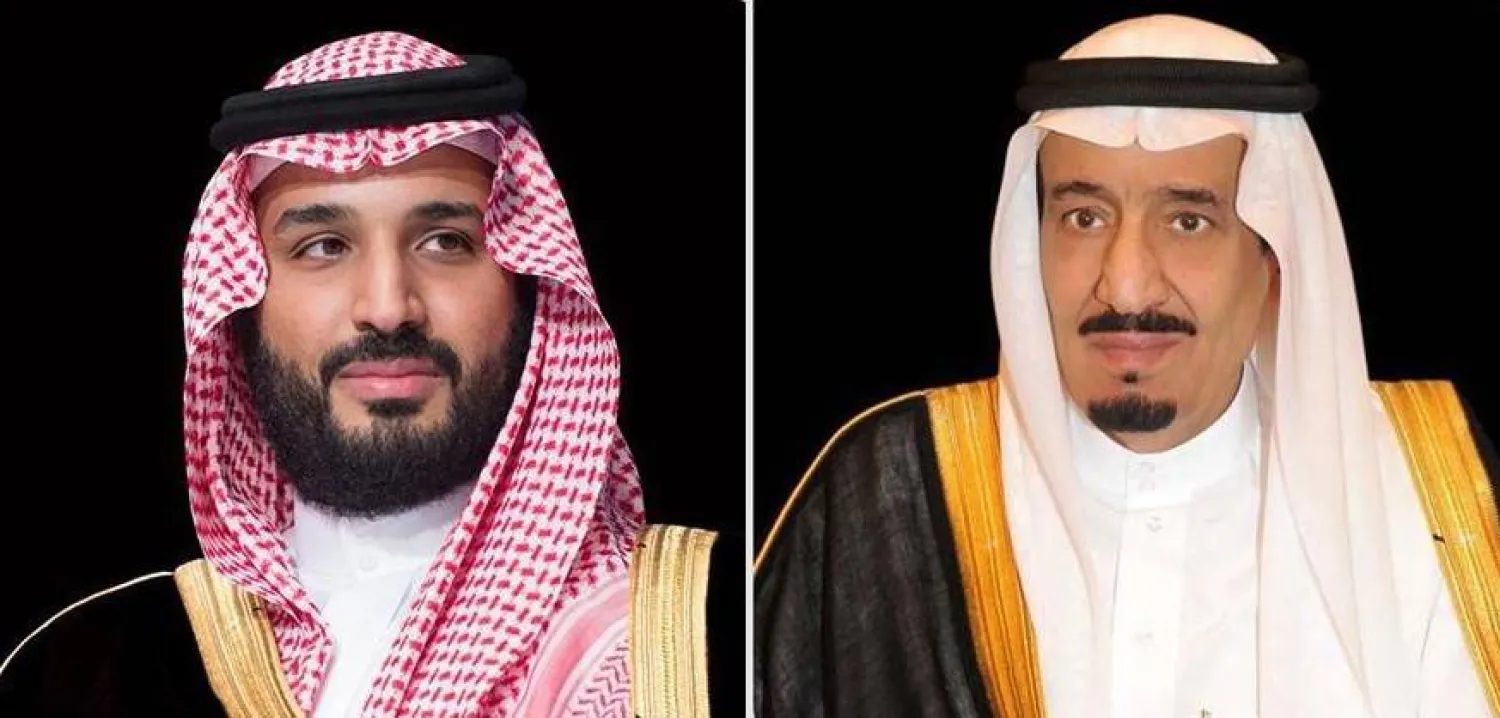
As Saudi Arabia marks the eighth anniversary of Crown Prince Mohammed bin Salman bin Abdulaziz’s appointment, history pauses for a moment, reflecting on an unprecedented chapter in the Kingdom’s evolution.

On June 21, 2017, Custodian of the Two Holy Mosques King Salman bin Abdulaziz issued a royal decree naming Prince Mohammed bin Salman as Crown Prince.

That blessed night, the Saudi people pledged their allegiance to him. It was a pivotal moment in Saudi history, highlighting a remarkable leader who embraced his country’s ambitions, steeped in its rich heritage, global stature, and cultural influence.

Through this pledge of allegiance, Saudis underscore the uniqueness of their political system, its Islamic authenticity, and its constitutional legitimacy, deeply rooted in the collective acceptance and satisfaction of both rulers and citizens.

This bond solidifies the foundation of the Saudi social contract, while also evoking the nation’s achievements and its determined steps toward a bright future.

The appointment of Prince Mohammed bin Salman as Crown Prince marked the beginning of a new era, where innovation met ambition, and bold planning was paired with relentless action.

This decision was more than a political shift; it was a response to the urgent need for leadership driven by a distinct vision, one rooted in determination and the belief that the future is made, not awaited.

Prince Mohammed bin Salman has demonstrated exceptional competence and distinguished leadership, making him the ideal choice for Crown Prince, the most important position after the King.

The role symbolizes stability, solidifies the King’s foundation, and ensures the continuity of the succession. He also heads the government and the Political and Security Affairs Council, which oversees national security strategies, as well as domestic and foreign policies.

In addition, he leads the Economic and Development Affairs Council, which is responsible for economic, financial, investment, and developmental issues, including education, healthcare, and public services.

As such, he oversees the formulation and execution of policies and strategies across all state sectors.

Moreover, he is the architect of Saudi Arabia’s Vision 2030, the driving force behind its goals, and the guardian ensuring the successful implementation of its programs and projects.

All the executive tasks and responsibilities entrusted by King Salman to his Crown Prince culminated in his appointment as head of the government by royal decree in September 2022.

This marked the first time in 60 years that the King was not the head of the government. While the legal and historical aspects of this royal decree are extensive, the key takeaway is the full trust and absolute delegation from the King to the Crown Prince to manage these responsibilities and oversee a vast range of issues.

The scope of achievements reflects this significant delegation.

The Crown Prince has translated the King’s vision into a living reality, transforming Saudi Arabia into something distinctly different today, while still remaining a continuation of past phases.

This is evident in the unwavering commitment to the principles and foundations on which the state was built, drawing strength from its historical legacy and cultural depth.



Arab League Condemns Israeli Decision to Establish New Settlements in West Bank

A general view shows the opening session of the meeting of Arab foreign ministers at the Arab League Headquarters (Reuters)
TT

Arab League Condemns Israeli Decision to Establish New Settlements in West Bank

A general view shows the opening session of the meeting of Arab foreign ministers at the Arab League Headquarters (Reuters)

Secretary-General of the League of Arab States Ahmed Aboul Gheit condemned the decision by the Israeli occupation’s ministerial committee to approve the establishment of 19 new settlements in the occupied West Bank, considering it a blatant challenge to the international will rejecting settlement activity and a violation of international law, which affirms the illegitimacy of settlements.

In a statement issued Monday, the secretary-general said the continued expansion of illegal settlement activity aims to prevent the establishment of a geographically contiguous Palestinian state and reflects the nature of the Israeli government, which he said is controlled by extremists and settlers, SPA reported.

Aboul Gheit stressed that settlement expansion will not make it legitimate under any circumstances.


He highlighted that the violence practiced by extremist settlers against Palestinians in the West Bank constitutes a form of terrorism carried out under the watch and with the protection of the official institutions of the occupying power.


Saudi FM Arrives in Muscat for Meeting of Saudi-Omani Coordination Council 

Omani FM Sayyid Badr bin Hamad bin Hamood Albusaidi welcomes his Saudi counterpart Prince Faisal bin Farhan bin Abdullah upon his arrival in Muscat. (SPA)
TT

Saudi FM Arrives in Muscat for Meeting of Saudi-Omani Coordination Council 

Omani FM Sayyid Badr bin Hamad bin Hamood Albusaidi welcomes his Saudi counterpart Prince Faisal bin Farhan bin Abdullah upon his arrival in Muscat. (SPA)

Saudi Minister of Foreign Affairs Prince Faisal bin Farhan bin Abdullah arrived in Muscat on Monday.

He was received by his Omani counterpart Sayyid Badr bin Hamad bin Hamood Albusaidi upon his arrival at Muscat International Airport.

The two sides are scheduled to hold the third meeting of the Saudi-Omani Coordination Council.


Saudi Defense Minister Decorates Pakistan's Army Chief with King Abdulaziz Medal of Excellent Class

The ceremony took place in Riyadh on Sunday upon the directive of Custodian of the Two Holy Mosques King Salman bin Abdulaziz Al Saud. SPA
TT

Saudi Defense Minister Decorates Pakistan's Army Chief with King Abdulaziz Medal of Excellent Class

The ceremony took place in Riyadh on Sunday upon the directive of Custodian of the Two Holy Mosques King Salman bin Abdulaziz Al Saud. SPA

Saudi Minister of Defense Prince Khalid bin Salman bin Abdulaziz has decorated Chief of the Pakistani Army Staff Field Marshal Syed Asim Munir with King Abdulaziz Medal of Excellent Class, honoring his distinguished efforts to strengthen the strategic relationship and cooperation between the two nations.

The ceremony took place in Riyadh on Sunday upon the directive of Custodian of the Two Holy Mosques King Salman bin Abdulaziz Al Saud.

Prince Khalid congratulated Field Marshal Munir on his appointment as Pakistan’s Chief of Defense Forces, wishing him continued success in his new role.

During the meeting, the two sides reviewed the historical Saudi-Pakistani relations and the strategic cooperation in defense, discussing efforts to establish the foundations of international peace and security, as well as issues of common interest.