


Makkah Markets Open their Doors as Pilgrims Prepare to Depart

Al-Aziziyah markets are surrounded by pilgrims’ hotels from all directions (SPA)
TT

Makkah Markets Open their Doors as Pilgrims Prepare to Depart

Al-Aziziyah markets are surrounded by pilgrims’ hotels from all directions (SPA)

As pilgrims near the completion of their Hajj rituals, many have begun spending their remaining time visiting Makkah’s renowned markets.

Major shopping centers and popular marketplaces are preparing to receive large crowds of pilgrims from around the world. With their departure approaching, many are eager to buy gifts and keepsakes for their families and friends, items that serve as tangible memories of their time in the holy city.

Asharq Al-Awsat took a tour through the markets of the Al-Aziziyah neighborhood, a central area situated between the holy sites and the Grand Mosque. Its prime location makes it a preferred hub for Hajj groups and delegations, which has resulted in crowded markets and bustling currency exchange offices.

Ahmed Al-Jaafari, a shopkeeper in one of Al-Aziziyah’s stores, welcomed his customers with warmth and hospitality. He shared that the most sought-after souvenirs include prayer beads (subha), prayer rugs, miniature models of holy landmarks, decorative engravings, gold jewelry, rings, dates, Qurans with translations, and locally made perfumes.

Hajj Muwafaq Mohammed, dressed in traditional attire from southern Baghdad, told Asharq Al-Awsat that he made a point of visiting the markets early to buy useful items and meaningful keepsakes.

“I’ve traveled to many countries and always explore local markets,” he said, “but in Makkah, I’m especially captivated by each item and souvenir, as they carry the scent and soul of this sacred place.”

At a currency exchange center on Al-Aziziyah Street, lined with hotels accommodating pilgrims from across the globe, long queues formed as visitors in colorful traditional clothing exchanged their foreign currencies for Saudi riyals. The scene reflected the cultural diversity of the global Muslim community and the excitement of those preparing for a final shopping experience before departing.

Currency exchange offices throughout Makkah are seeing a steady stream of visitors, many coming from nearby hotels and accommodations.

Ayman Al-Mohammedi, an employee at one of the Al-Aziziyah exchange centers, explained that they are equipped to handle over 60 foreign currencies. “Pilgrims arrive with money from their home countries and look to exchange it for Saudi riyals,” he said. “The Hajj season significantly boosts activity in the currency exchange sector.”

He added that Makkah’s currency exchange centers increased their preparedness well in advance of the Hajj season, enhancing their capacity to provide efficient services for buying, selling, and trading foreign currencies across the city.


Saudi Crown Prince Receives Message on Bilateral Ties from President of Kazakhstan

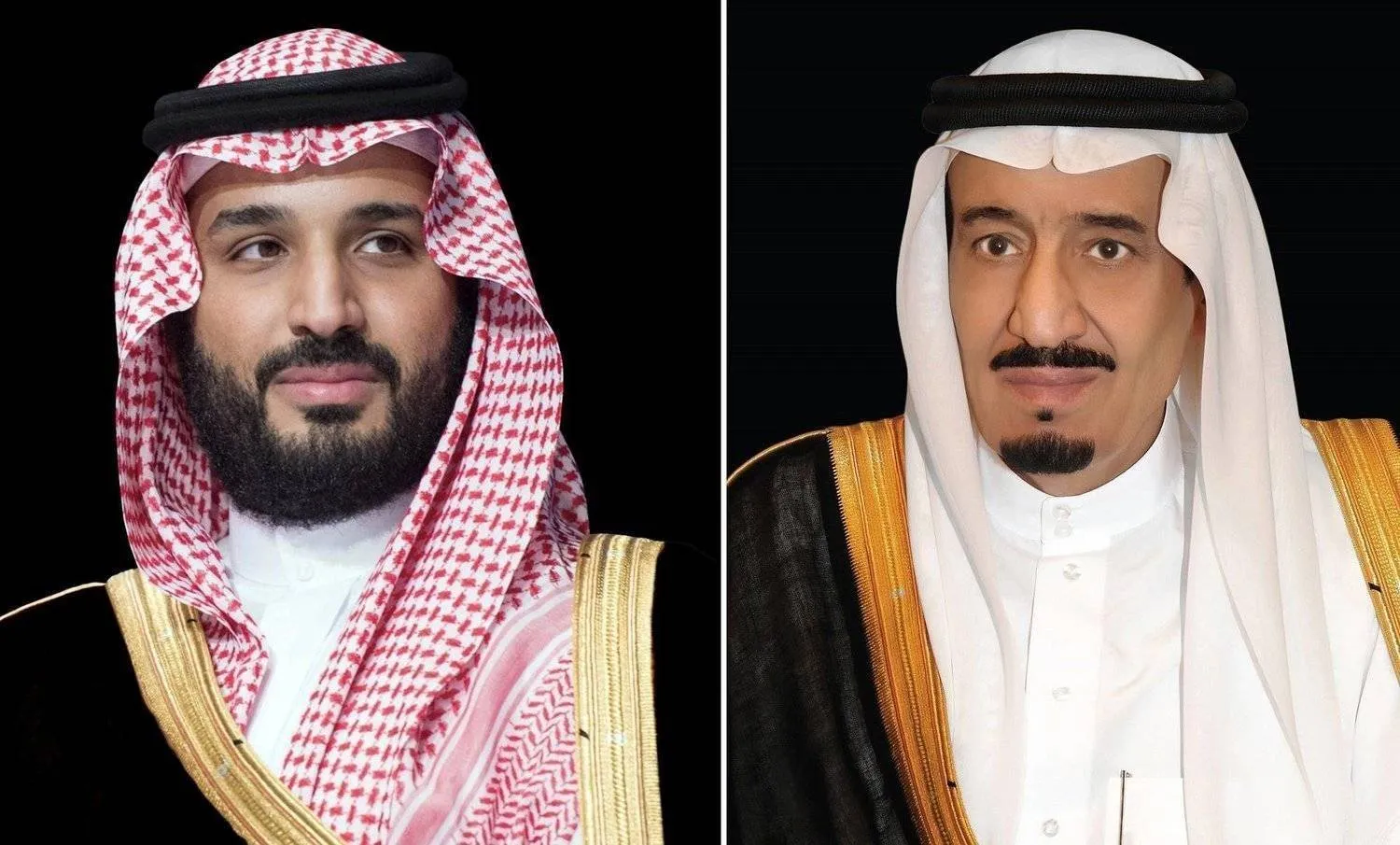
Prince Mohammed bin Salman bin Abdulaziz Al Saud, Saudi Crown Prince and Prime Minister. (SPA file)
TT

Saudi Crown Prince Receives Message on Bilateral Ties from President of Kazakhstan

Prince Mohammed bin Salman bin Abdulaziz Al Saud, Saudi Crown Prince and Prime Minister. (SPA file)

Prince Mohammed bin Salman bin Abdulaziz Al Saud, Saudi Crown Prince and Prime Minister, received on Tuesday a written message from President of Kazakhstan Kassym-Jomart Tokayev on bilateral relations between their two countries.

The message was received by Minister of Foreign Affairs Prince Faisal bin Farhan bin Abdullah during a meeting with his Kazakh counterpart Yermek Kosherbayev in Riyadh.


Princes and Officials Take Oath Before Custodian of the Two Holy Mosques

Custodian of the Two Holy Mosques King Salman bin Abdulaziz Al Saud and other officials are seen during the ceremony in Riyadh on Tuesday. (SPA)
TT

Princes and Officials Take Oath Before Custodian of the Two Holy Mosques

Custodian of the Two Holy Mosques King Salman bin Abdulaziz Al Saud and other officials are seen during the ceremony in Riyadh on Tuesday. (SPA)

Princes and officials appointed by royal orders to their new positions took the oath of office before Custodian of the Two Holy Mosques King Salman bin Abdulaziz Al Saud in Riyadh on Tuesday.

They included Deputy Governor of Al-Baha Region Prince Fahd bin Saad bin Abdullah bin Abdulaziz bin Turki; Member of the Shura Council Prince Dr. Saad bin Saud bin Mohammed bin Abdulaziz; Deputy Governor of Madinah Region Prince Saud bin Nahar bin Saud; Deputy Governor of Northern Borders Region Prince Mohammed bin Abdullah bin Abdulaziz; and Minister of Investment Fahd Al-Saif.

They swore to be faithful to their religion, then their King and country, not to reveal any of the state’s secrets, to preserve its interests and regulations, and to perform their duties with honesty, trustworthiness, and sincerity.


Saudi Arabia Reiterates Its Categorical Rejection of Israel’s ‘State Land’ Decision in West Bank

Custodian of the Two Holy Mosques King Salman bin Abdulaziz Al Saud chairs the Cabinet meeting in Riyadh. (SPA)
TT

Saudi Arabia Reiterates Its Categorical Rejection of Israel’s ‘State Land’ Decision in West Bank

Custodian of the Two Holy Mosques King Salman bin Abdulaziz Al Saud chairs the Cabinet meeting in Riyadh. (SPA)

The Saudi government condemned on Tuesday Israel’s decision to West Bank lands as "state lands."

Reiterating its absolute rejection of these illegal measures, the Cabinet warned that they undermine peace efforts and violate the Palestinian people's inherent right to establish an independent, sovereign state within the 1967 borders, with East Jerusalem as its capital.

Custodian of the Two Holy Mosques King Salman bin Abdulaziz Al Saud chaired the Cabinet session that was held in Riyadh.

The Cabinet congratulated citizens and Muslims on the advent of the holy month of Ramadan, expressing gratitude for the Kingdom's honor in caring for the two holy mosques and their visitors.

The Cabinet highlighted the success of the Hajj and Umrah seasons, noting that the Kingdom welcomed 19.5 million international pilgrims and Umrah performers in 2025, setting new records that reflect rapid progress toward the goals of Vision 2030 and the Pilgrim Experience Program.

The Cabinet described the Kingdom's Founding Day celebration on February 22 as an expression of pride in the Saudi state's nearly three-century history, underscoring the foundations of justice, unity, and development established by leaders and citizens throughout history to ensure the nation remains a global leader in all fields.

The Cabinet was briefed on recent talks between Saudi Arabia and various nations, which focused on strengthening bilateral and multilateral cooperation and boosting coordination to foster regional and international security, stability, and prosperity.

The session further reviewed the Kingdom's economic, cultural, and social activities, stressing the state's commitment to social solidarity and giving. This includes continued support for the sixth National Campaign for Charitable Work, set to begin on Friday.

The Cabinet commended the success of the third World Defense Show held in Riyadh under the Custodian of the Two Holy Mosques' patronage, during which strategic partnerships, agreements, and memoranda of understanding were signed to localize military technologies and strengthen local supply chains in alignment with Vision 2030 objectives.