

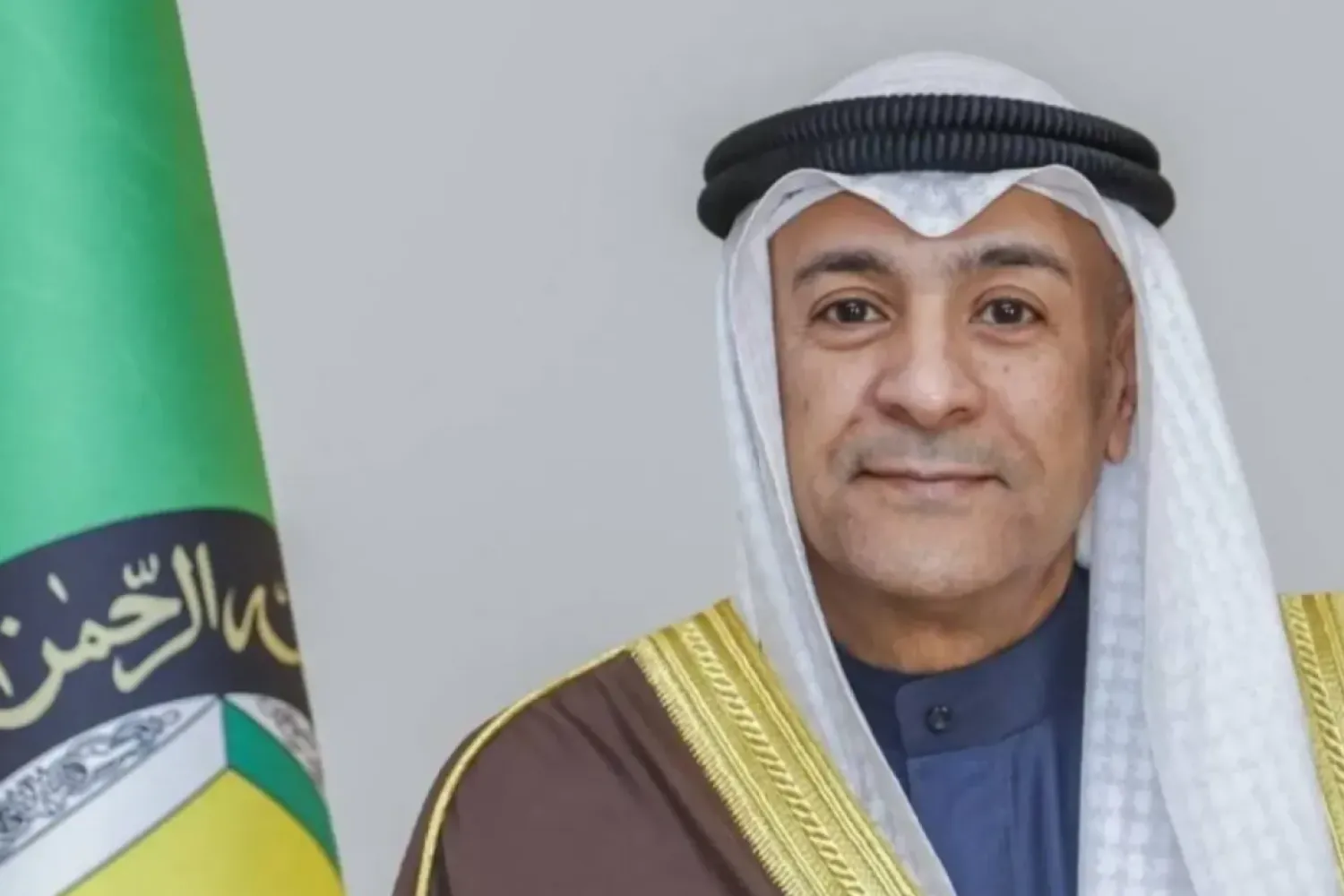

GCC Chief to Asharq Al-Awsat: Escalation Poses Grave Threat to Gulf Security

Gulf Cooperation Council (GCC) Secretary-General Jasem Albudaiwi
TT

GCC Chief to Asharq Al-Awsat: Escalation Poses Grave Threat to Gulf Security

Gulf Cooperation Council (GCC) Secretary-General Jasem Albudaiwi

The Gulf Cooperation Council (GCC) is maintaining regular and active communication with all international parties involved in the ongoing conflict, as part of broader diplomatic efforts to promote de-escalation, GCC Secretary-General Jasem Albudaiwi told Asharq Al-Awsat Wednesday.

Albudaiwi said the GCC views the military escalation between Iran and Israel as a “grave threat” to the security and stability of the Gulf region. He added that the Council, through its official channels, continues to emphasize that “dialogue and restraint” remain the most effective path to safeguarding regional security and stability.

As military confrontations between Israel and Iran entered their sixth day on Wednesday, Albudaiwi warned that the situation was “unprecedented and deeply concerning”.

Albudaiwi also noted that the GCC’s 48th extraordinary ministerial meeting on Monday concluded that the rapidly unfolding events could spiral into a wider regional conflict.

He added that the Council is ramping up diplomatic pressure, calling on all international actors -- including the UN Security Council -- to intervene and prevent further escalation.

Albudaiwi also pointed to the unified Gulf statement issued after the emergency meeting, alongside individual condemnations by all six GCC member states. The declarations denounced Israel’s strikes on Iran and called for immediate de-escalation and restraint.

The Secretary-General underscored the bloc’s ongoing diplomatic push, noting that Gulf states have urged the United States to pressure Israel into accepting an immediate ceasefire.

The GCC is also advocating for the revival of nuclear negotiations between Washington and Tehran, as part of a coordinated Gulf and international initiative to contain the crisis.

The GCC is holding regular talks with the United Nations, the United States, and allied nations as part of its diplomatic campaign to defuse tensions between Iran and Israel, Albudaiwi confirmed.

“These are the main formal channels for dialogue,” Albudaiwi told Asharq Al-Awsat, adding that the Council has sent unified diplomatic messages rejecting the ongoing escalation and urging restraint.

The communications also included calls to revive peace efforts in the region.

He explained that the GCC’s diplomatic engagement spans official correspondence, closed-door talks, and meetings held within international frameworks, all aimed at restoring regional stability and absorbing tensions without resorting to military options.

“Through this approach, GCC states are pursuing a comprehensive and balanced diplomatic strategy that hinges on communication and coordination with major international powers and global organizations,” Albudaiwi said.

“The objective is clear: to contain the crisis and prevent it from erupting into a broader regional confrontation,” he affirmed.

Albudaiwi mentioned that the GCC has reached “advanced levels” of coordination among member states to confront disasters and emergencies, including non-conventional threats such as chemical, biological, radiological, or nuclear attacks.

He told Asharq Al-Awsat that Gulf states are actively engaged in joint preparedness efforts through early warning and detection networks, enabling rapid and coordinated responses to potential crises.

In light of growing concerns over potential fallout from Israeli strikes on Iran’s nuclear facilities, Albudaiwi stressed that the GCC states are equipped with sophisticated radiation and environmental monitoring systems.

These systems allow for the real-time exchange of data via secure channels among relevant national authorities to detect any abnormal indicators at an early stage.

He said this capability is supported by the GCC Emergency Management Center, which plays a key role in coordinating simulation exercises and joint drills focused on unconventional weapons scenarios. These efforts span civilian, security, and defense sectors and aim to boost collective readiness, update national emergency plans, and improve response coordination.

The drills, Albudaiwi noted, are conducted in line with global best practices and are backed by intergovernmental agreements involving defense, interior, and health ministries, all designed to reinforce the Gulf’s collective security framework in the face of emerging threats.

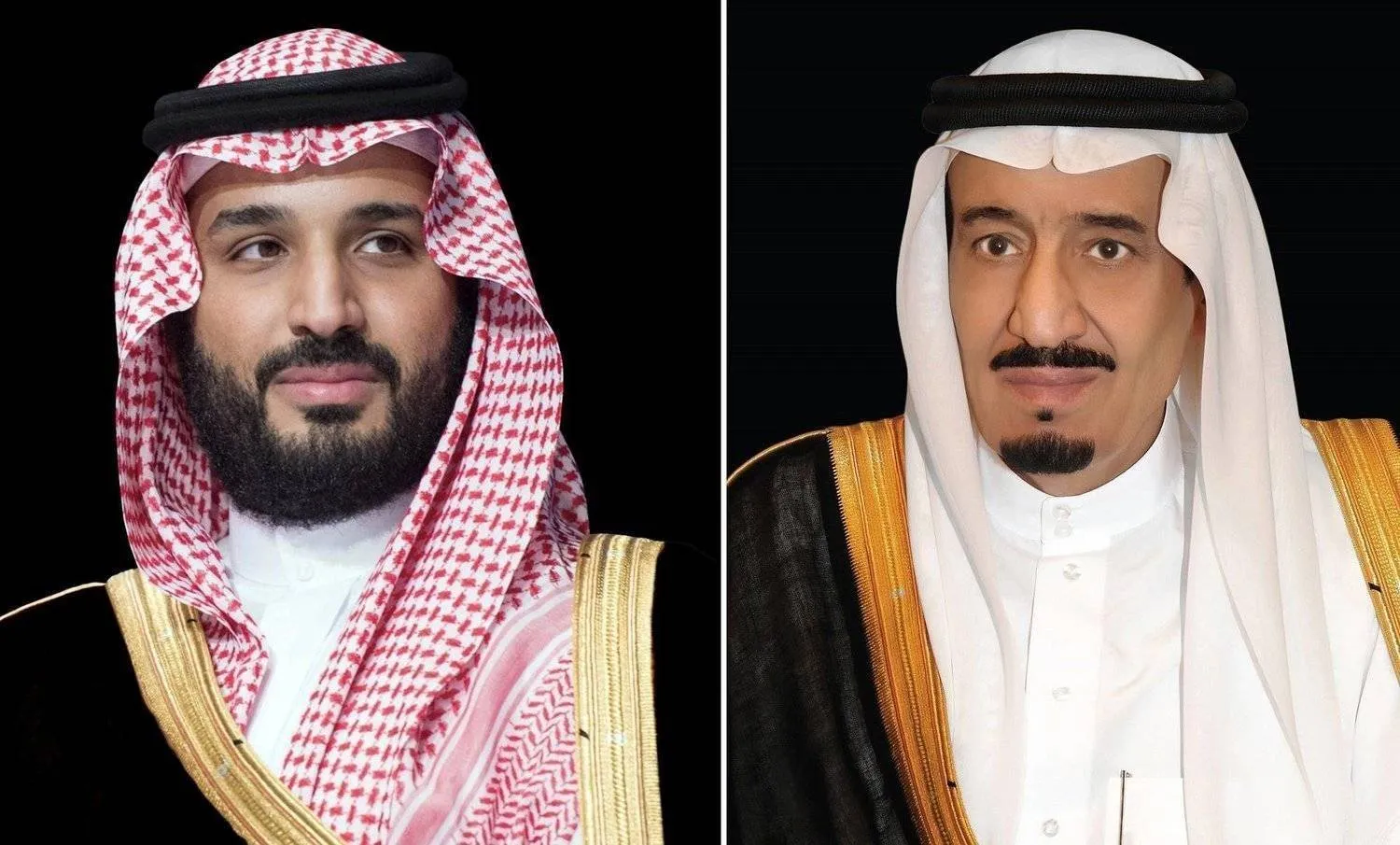


Saudi Crown Prince Receives Message on Bilateral Ties from President of Kazakhstan

Prince Mohammed bin Salman bin Abdulaziz Al Saud, Saudi Crown Prince and Prime Minister. (SPA file)
TT

Saudi Crown Prince Receives Message on Bilateral Ties from President of Kazakhstan

Prince Mohammed bin Salman bin Abdulaziz Al Saud, Saudi Crown Prince and Prime Minister. (SPA file)

Prince Mohammed bin Salman bin Abdulaziz Al Saud, Saudi Crown Prince and Prime Minister, received on Tuesday a written message from President of Kazakhstan Kassym-Jomart Tokayev on bilateral relations between their two countries.

The message was received by Minister of Foreign Affairs Prince Faisal bin Farhan bin Abdullah during a meeting with his Kazakh counterpart Yermek Kosherbayev in Riyadh.


Princes and Officials Take Oath Before Custodian of the Two Holy Mosques

Custodian of the Two Holy Mosques King Salman bin Abdulaziz Al Saud and other officials are seen during the ceremony in Riyadh on Tuesday. (SPA)
TT

Princes and Officials Take Oath Before Custodian of the Two Holy Mosques

Custodian of the Two Holy Mosques King Salman bin Abdulaziz Al Saud and other officials are seen during the ceremony in Riyadh on Tuesday. (SPA)

Princes and officials appointed by royal orders to their new positions took the oath of office before Custodian of the Two Holy Mosques King Salman bin Abdulaziz Al Saud in Riyadh on Tuesday.

They included Deputy Governor of Al-Baha Region Prince Fahd bin Saad bin Abdullah bin Abdulaziz bin Turki; Member of the Shura Council Prince Dr. Saad bin Saud bin Mohammed bin Abdulaziz; Deputy Governor of Madinah Region Prince Saud bin Nahar bin Saud; Deputy Governor of Northern Borders Region Prince Mohammed bin Abdullah bin Abdulaziz; and Minister of Investment Fahd Al-Saif.

They swore to be faithful to their religion, then their King and country, not to reveal any of the state’s secrets, to preserve its interests and regulations, and to perform their duties with honesty, trustworthiness, and sincerity.


Saudi Arabia Reiterates Its Categorical Rejection of Israel’s ‘State Land’ Decision in West Bank

Custodian of the Two Holy Mosques King Salman bin Abdulaziz Al Saud chairs the Cabinet meeting in Riyadh. (SPA)
TT

Saudi Arabia Reiterates Its Categorical Rejection of Israel’s ‘State Land’ Decision in West Bank

Custodian of the Two Holy Mosques King Salman bin Abdulaziz Al Saud chairs the Cabinet meeting in Riyadh. (SPA)

The Saudi government condemned on Tuesday Israel’s decision to West Bank lands as "state lands."

Reiterating its absolute rejection of these illegal measures, the Cabinet warned that they undermine peace efforts and violate the Palestinian people's inherent right to establish an independent, sovereign state within the 1967 borders, with East Jerusalem as its capital.

Custodian of the Two Holy Mosques King Salman bin Abdulaziz Al Saud chaired the Cabinet session that was held in Riyadh.

The Cabinet congratulated citizens and Muslims on the advent of the holy month of Ramadan, expressing gratitude for the Kingdom's honor in caring for the two holy mosques and their visitors.

The Cabinet highlighted the success of the Hajj and Umrah seasons, noting that the Kingdom welcomed 19.5 million international pilgrims and Umrah performers in 2025, setting new records that reflect rapid progress toward the goals of Vision 2030 and the Pilgrim Experience Program.

The Cabinet described the Kingdom's Founding Day celebration on February 22 as an expression of pride in the Saudi state's nearly three-century history, underscoring the foundations of justice, unity, and development established by leaders and citizens throughout history to ensure the nation remains a global leader in all fields.

The Cabinet was briefed on recent talks between Saudi Arabia and various nations, which focused on strengthening bilateral and multilateral cooperation and boosting coordination to foster regional and international security, stability, and prosperity.

The session further reviewed the Kingdom's economic, cultural, and social activities, stressing the state's commitment to social solidarity and giving. This includes continued support for the sixth National Campaign for Charitable Work, set to begin on Friday.

The Cabinet commended the success of the third World Defense Show held in Riyadh under the Custodian of the Two Holy Mosques' patronage, during which strategic partnerships, agreements, and memoranda of understanding were signed to localize military technologies and strengthen local supply chains in alignment with Vision 2030 objectives.
