


Celebrating 95 Years of Unity: Saudi Arabia's National Day 

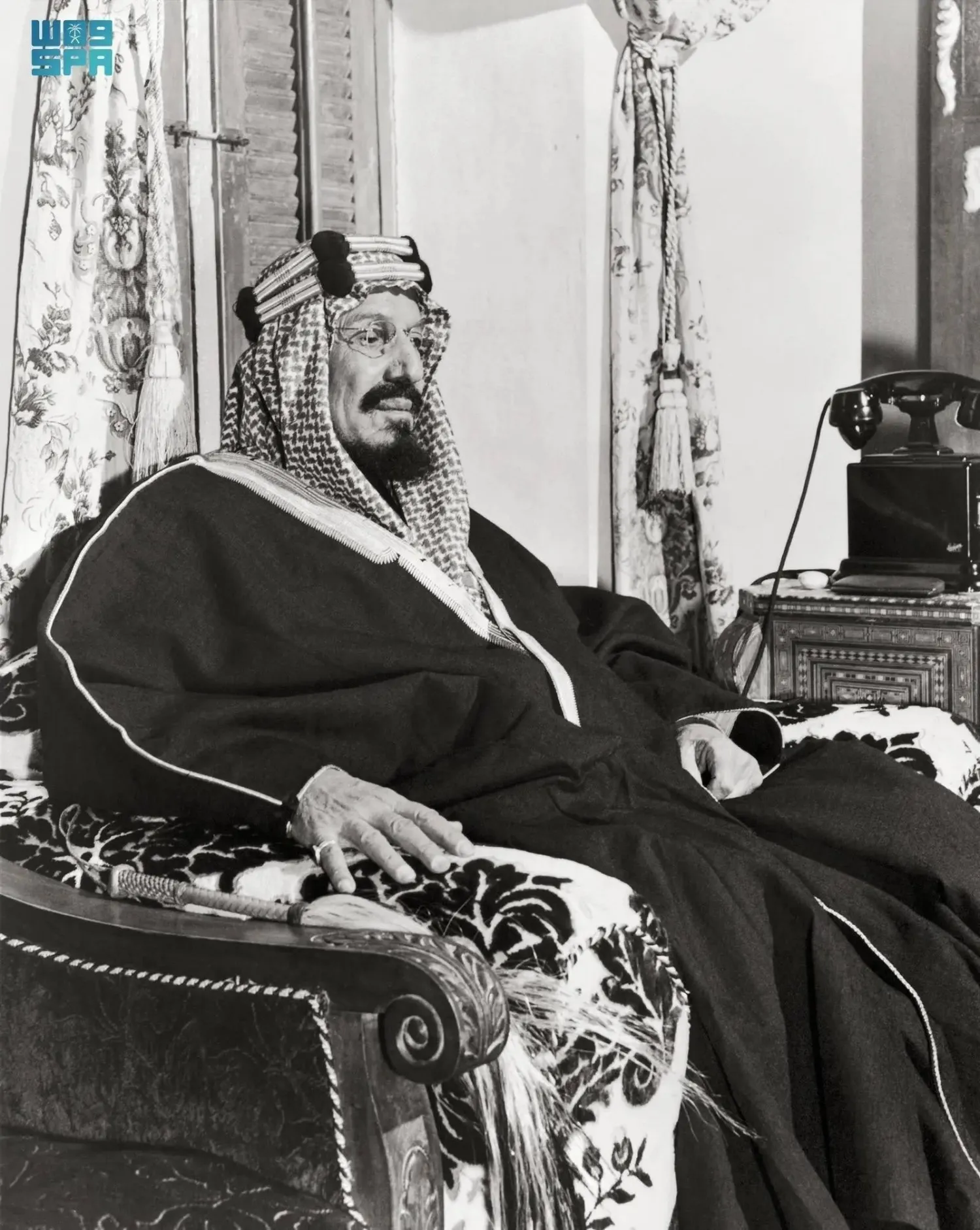
King Abdulaziz bin Abdulrahman Al Saud. (SPA)
TT

Celebrating 95 Years of Unity: Saudi Arabia's National Day 

King Abdulaziz bin Abdulrahman Al Saud. (SPA)

Saudi Arabia, its leadership, and its people are celebrating the Kingdom’s 95th National Day on Tuesday under the slogan "Pride in Our Nature." The day marks a significant historical milestone: the unification of the country. It commemorates the royal decree issued by King Abdulaziz bin Abdulrahman Al Saud on September 23, 1932, which officially renamed the country the Kingdom of Saudi Arabia, reported the Saudi Press Agency on Monday.

A Legacy of Development and Global Leadership

As the Kingdom celebrates its 95th year, it continues its remarkable journey of progress, building on the foundation laid by King Abdulaziz. Guided by the ambitious Saudi Vision 2030 and led by Custodian of the Two Holy Mosques King Salman bin Abdulaziz Al Saud and Prince Mohammed bin Salman bin Abdulaziz Al Saud, Crown Prince and Prime Minister, the nation is advancing confidently on the path of sustainable development.

Over decades, Saudi Arabia has solidified its international standing, becoming a leading model for economic and social renaissance. The nation's identity, rooted in the principles of the Holy Quran and the Sunnah, has enabled it to achieve unprecedented growth and innovation. National Day is a powerful symbol of pride and belonging, reinforcing the deep sense of loyalty felt by citizens, residents, and visitors alike as they witness a comprehensive transformation in quality of life, infrastructure, and global influence.
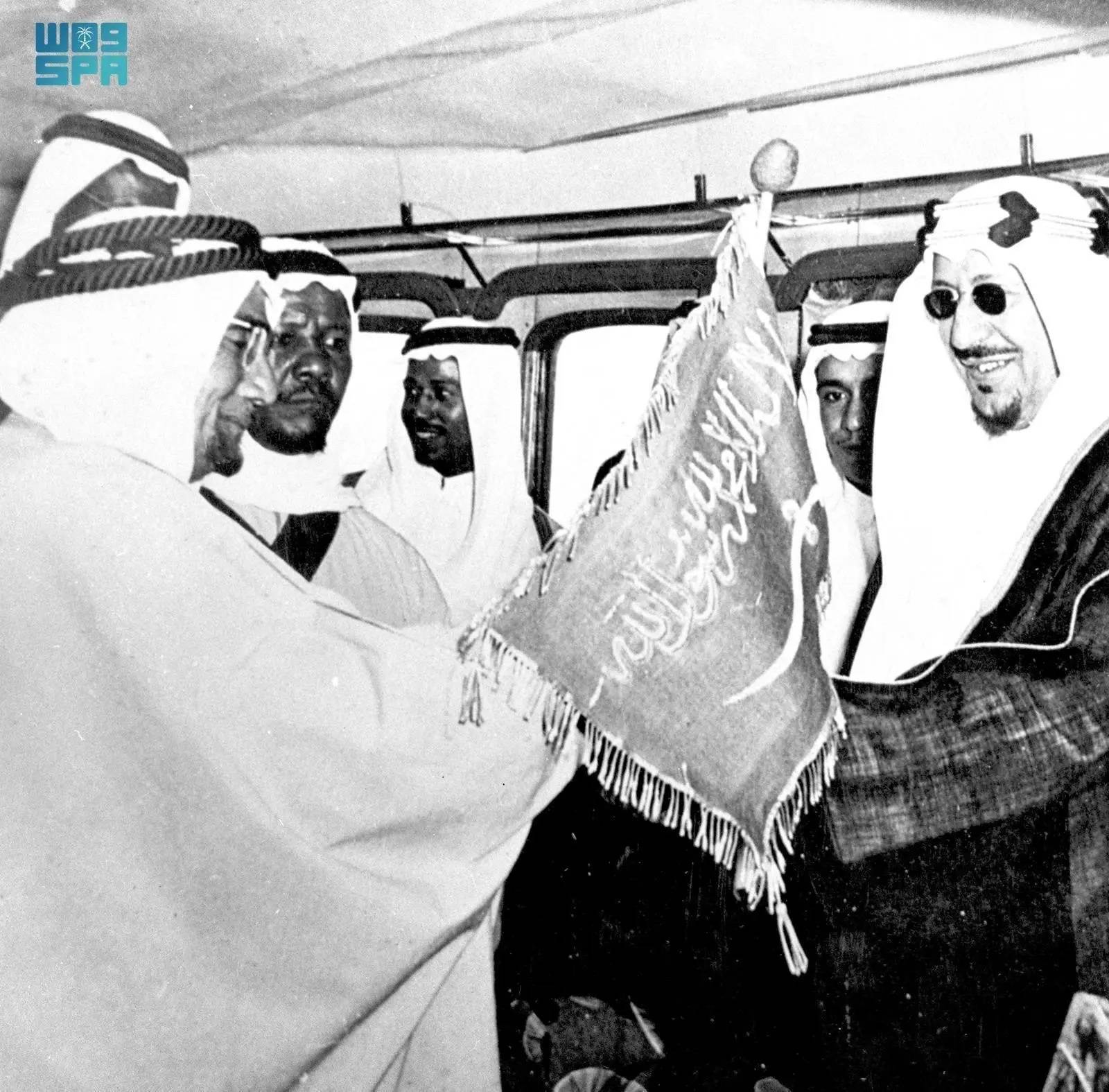
King Saud initiated the official work of the Cabinet and established key ministries. (SPA)

The Visionary Founder: King Abdulaziz Al Saud

The celebration also serves as a time to honor the life of King Abdulaziz, who dedicated himself to unifying the Arabian Peninsula. At a time of conflict and hardship, he brought peace and prosperity, laying the groundwork for a secure and resource-rich nation. The turning point in this journey was the recapture of Riyadh on January 15, 1902, an event that marked the beginning of the unification process.

After uniting the various regions, King Abdulaziz consolidated his power and, driven by popular demand, formally unified the name of the state. Following extensive consultations with the public, the name was officially changed from the "Kingdom of Hejaz and Najd and its Dependencies" to the Kingdom of Saudi Arabia.

King Abdulaziz's character was shaped by his father, Imam Abdulrahman bin Faisal, and his mother, Princess Sarah Al-Sudairi. He was known for his commanding yet humble and cheerful demeanor. His return to Riyadh in his twenties, a heroic journey with his men, culminated in the restoration of order and the establishment of a unified government. This laid the foundation for Riyadh's growth and cultural prosperity.

Building a Nation: From Unification to Modernization

King Abdulaziz's foresight extended beyond unification. He prioritized the expansion and service of the two holy mosques, established schools and hospitals, and initiated agricultural development. These ambitious projects required funding, leading to the search for oil. In 1938, after years of unsuccessful exploration, oil was finally discovered, sparking a transformation of the desert landscape into a hub of industry and innovation. The first oil pumping in 1939 marked the beginning of a new era of national development.

Internationally, King Abdulaziz established a foreign policy based on independence and mutual respect, earning him admiration from global leaders. His legacy is one of a nation founded on principles of consultation and mutual advice, a practice continued by his sons.
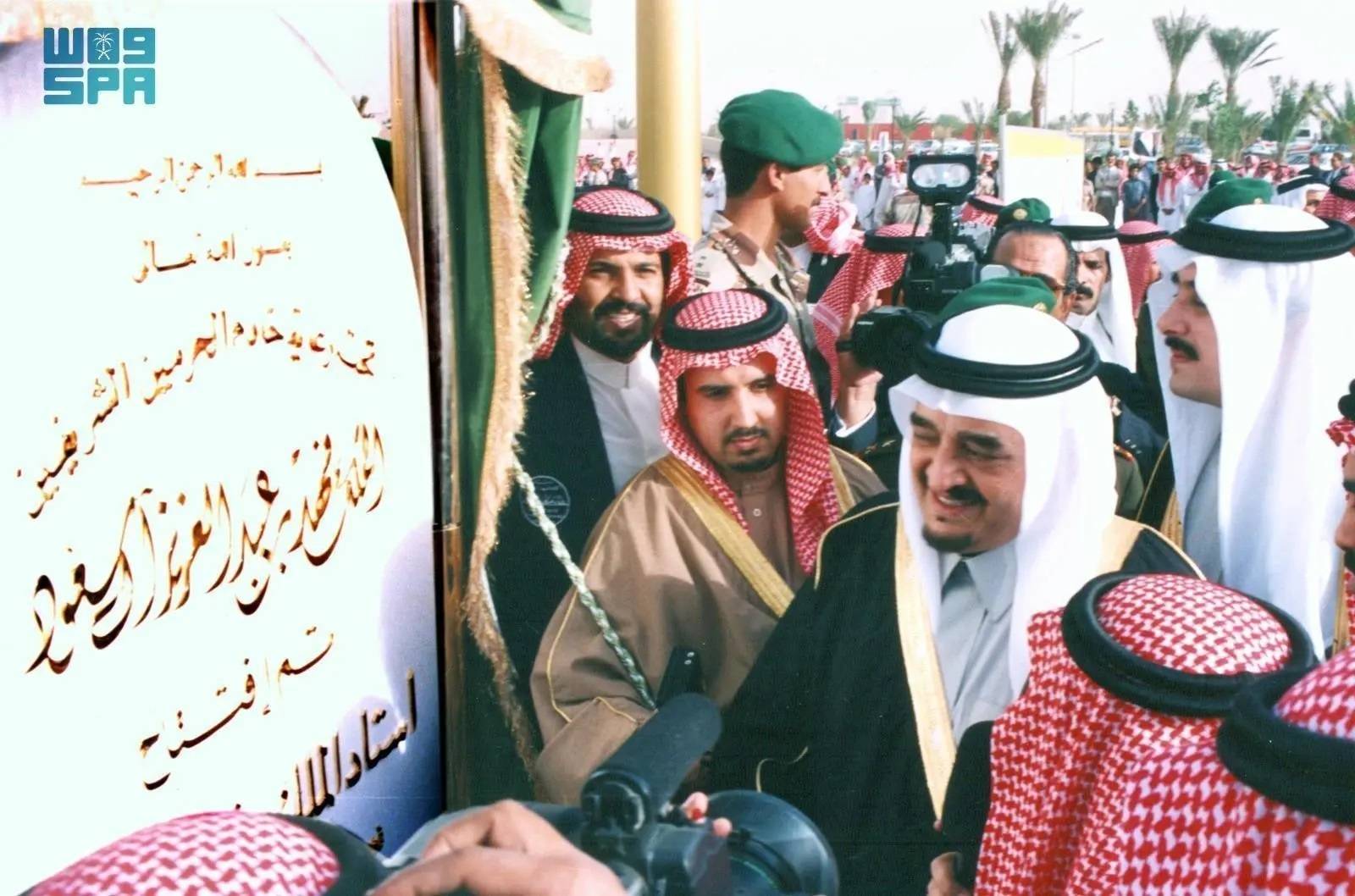
King Fahd enacted significant legislative reforms, including the Basic Law of Governance, and oversaw major expansions of the two holy mosques. (SPA)

Successive Reigns: A Path of Continuous Progress

Each of Saudi Arabia's subsequent rulers built upon the foundations laid by King Abdulaziz.

King Saud initiated the official work of the Cabinet and established key ministries. King Faisal championed Islamic solidarity and implemented ambitious five-year development plans, playing a prominent role in supporting Arab causes. King Khalid oversaw a major economic renaissance and focused on infrastructure, agriculture, and public services.

King Fahd enacted significant legislative reforms, including the Basic Law of Governance, and oversaw major expansions of the two holy mosques. King Abdullah continued the path of development, approving the Allegiance Council system and granting women participation in the Shura Council.

King Salman has continued administrative and social reforms, with a strong focus on empowerment for Saudi women and the launch of Vision 2030, solidifying the Kingdom's position as one of the world's top 20 economies.
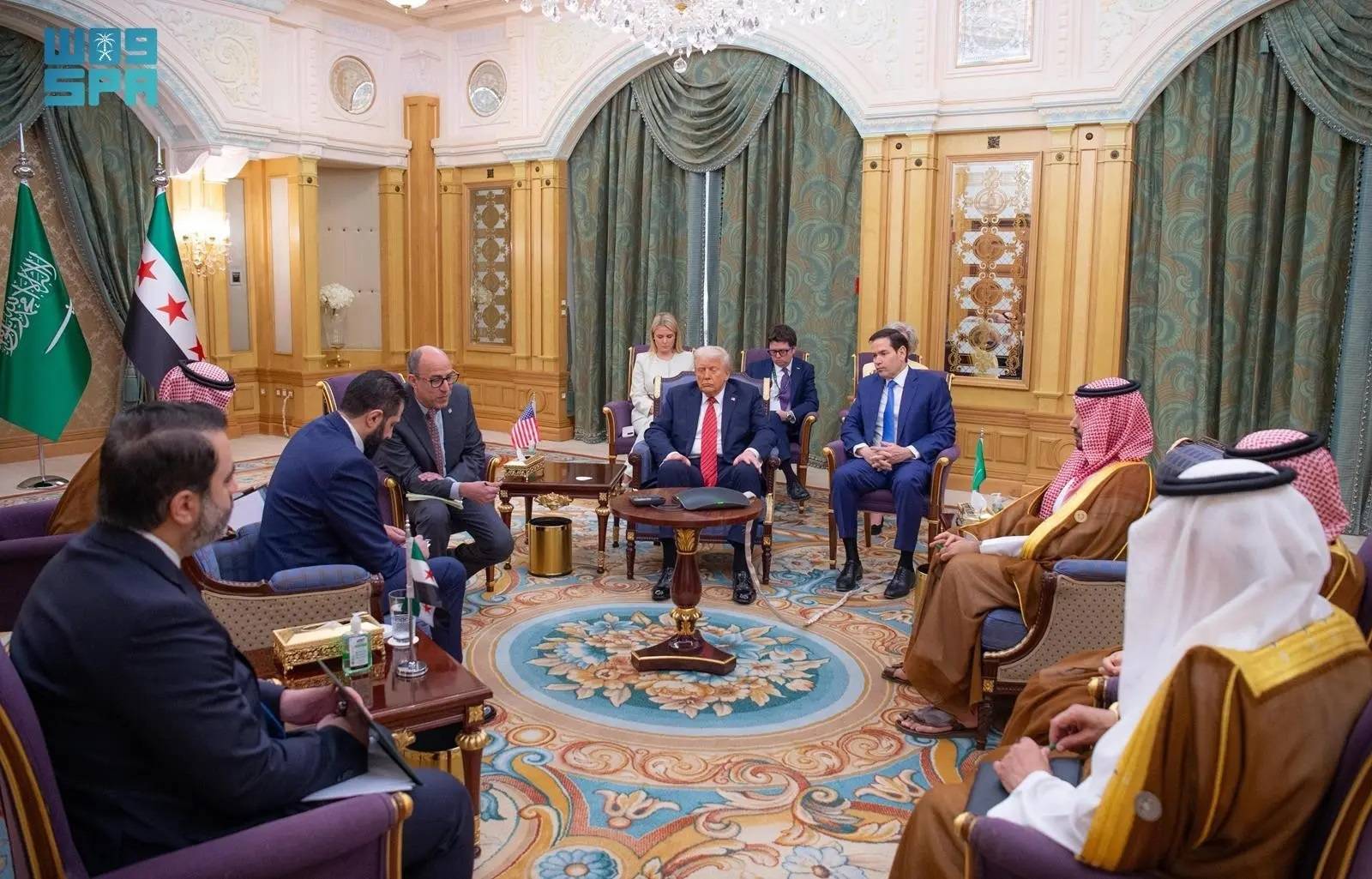
US President Donald Trump, Syrian interim President Ahmed al-Sharaa, Prince Mohammed bin Salman, Crown Prince and Prime Minister, and other officials meet in Riyadh in May. (SPA)

Recent Milestones: A Nation on the Rise

In the past year alone, the Kingdom has achieved remarkable accomplishments. In diplomacy and security, it hosted the extraordinary Arab-Islamic Summit and facilitated crucial security talks between nations.

On the development and economy front, it inaugurated the Riyadh Metro, launched the National Red Sea Sustainability Strategy and established the Global Water Organization in Riyadh.

In sports and culture, the Kingdom won the bid to host the 2034 FIFA World Cup™ and hosted the 2025 Esports World Cup.

In innovation and technology, Saudi Arabia was ranked first globally in the ICT Development Index 2025 and won the Grand Prix at the Geneva International Exhibition of Inventions.
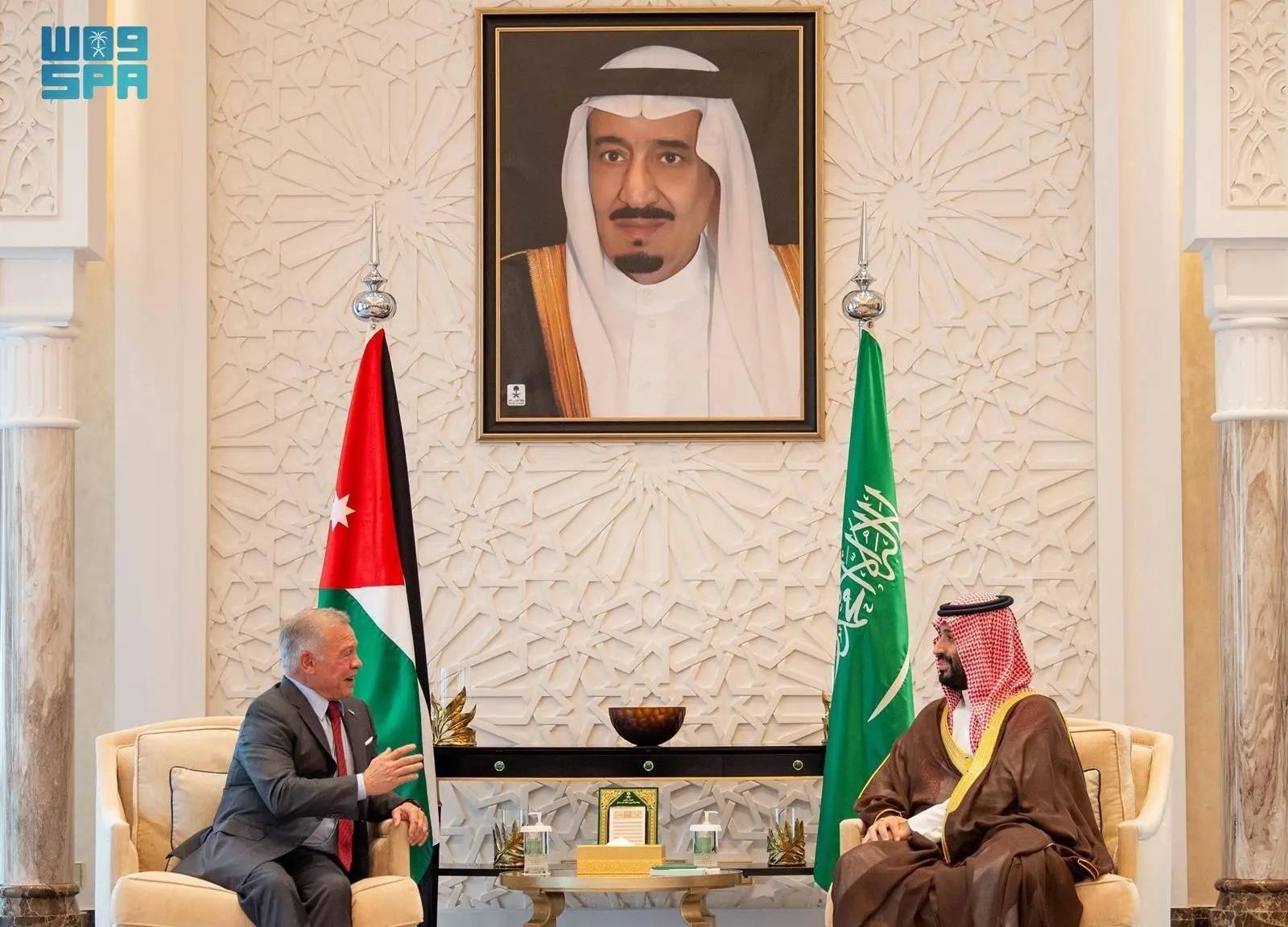
Prince Mohammed bin Salman, Crown Prince and Prime Minister, meets with Jordan's King Abdullah II. (SPA)

For humanitarian efforts, the nation continued its role as a leading global donor through the King Salman Humanitarian Aid and Relief Center (KSrelief). King Faisal Specialist Hospital performed the world's first robotic heart transplant.

On the social front, Crown Prince Mohammed made a personal donation of SAR1 billion to support the National Developmental Housing Foundation (Sakan).

These achievements underscore the Kingdom's unwavering commitment to progress and its ambitious vision for a prosperous future.



Saudi Arabia Welcomes US Designation of 3 Muslim Brotherhood Branches as Terrorist 

This 2011 photo shows a Muslim Brotherhood office in Amman, Jordan. (AFP)
TT

Saudi Arabia Welcomes US Designation of 3 Muslim Brotherhood Branches as Terrorist 

This 2011 photo shows a Muslim Brotherhood office in Amman, Jordan. (AFP)

The Saudi Ministry of Foreign Affairs welcomed on Wednesday the United States' designation of the Muslim Brotherhood branches in Egypt, Jordan, and Lebanon as terrorist organizations.

The ministry stressed the Kingdom’s condemnation of extremism and terrorism, its support for all that achieves security, stability, and prosperity of Arab countries, and the security of the region and the world.


Islamic Military Coalition Launches ‘Competence’ Military Strategic Initiative in Sierra Leone

Officials are seen at Tuesday's launch. (SPA)
TT

Islamic Military Coalition Launches ‘Competence’ Military Strategic Initiative in Sierra Leone

Officials are seen at Tuesday's launch. (SPA)

The Islamic Military Counter-Terrorism Coalition (IMCTC) launched on Tuesday the “Competence” military strategic training for counter-terrorism in Sierra Leone.

The launch was attended by Sierra Leonean Minister of Internal Affairs Morie Lengor, IMCTC Secretary General of the Islamic Military Counter-Terrorism Coalition (IMCTC) Major General Pilot Mohammed bin Saeed Al-Moghedi, senior military and security officials, civil representatives, and members of the diplomatic corps accredited to Republic of Sierra Leone.

The initiative runs from January 13 to February 3, targeting the training and capacity building of 30 military and security personnel through an intensive 15-day program focused on counter-terrorism, including handling explosives, improvised devices, and unexploded ordnance, while enhancing the operational readiness of specialized forces.

The training aims to develop the skills and capabilities of personnel in counter-terrorism units and facilitate the transfer of advanced professional knowledge and expertise among member states, enabling them to address complex terrorist threats with high-level scientific and professional methods.


Saudi Govt Rejects Any Attempts to Undermine Somalia’s Sovereignty

Custodian of the Two Holy Mosques King Salman bin Abdulaziz Al Saud chairs the Cabinet meeting in Riyadh. (SPA)
TT

Saudi Govt Rejects Any Attempts to Undermine Somalia’s Sovereignty

Custodian of the Two Holy Mosques King Salman bin Abdulaziz Al Saud chairs the Cabinet meeting in Riyadh. (SPA)

The Saudi government stressed on Tuesday the Kingdom’s rejection of any attempts “to create parallel entities that undermine Somalia's unity, territorial integrity, or national sovereignty.”

Custodian of the Two Holy Mosques King Salman bin Abdulaziz Al Saud chaired the Cabinet meeting that was held in Riyadh.

The Cabinet welcomed the outcomes of the Organization of Islamic Cooperation's extraordinary meeting on Somalia in Jeddah that stressed the Kingdom’s stance on Somalia.

The Cabinet reviewed recent high-level discussions between the Kingdom and various countries, focusing on regional developments, ongoing efforts to anchor security and peace, and the Kingdom's commitment to multilateral initiatives that drive global stability and foster collective responses to shared challenges.

The Cabinet reiterated the centrality of the Palestinian cause, stressing the Kingdom's unwavering support for a ceasefire in the Gaza Strip. These efforts aim to enable the Palestinian people to exercise their right to self-determination and to establish an independent state within the 1967 borders, with East Jerusalem as its capital.

The Cabinet commended the successful conclusion of the Gulf Shield 2026 joint military exercise, hosted by Saudi Arabia. Featuring the air and air defense forces of the Gulf Cooperation Council (GCC) and the GCC Unified Military Command, the exercise underscored the commitment to boosting regional defense cooperation and strengthening collective military readiness.

The Cabinet reviewed several high-profile economic events hosted by the Kingdom, specifically highlighting the Saudi-Japan Ministerial Investment Forum and the Saudi-Canadian Business and Investment Forum. The summits resulted in numerous memoranda of understanding across strategic sectors, including space, cybersecurity, ICT, manufacturing, education, finance, water, and agriculture.