
A newly published letter shows King Abdulaziz Al Saud, the founder of modern Saudi Arabia, urged senior clerics to accept the presence of foreign companies in the Kingdom in the early 20th century, defending their role as vital to building the young state.
In the message, preserved at the King Abdulaziz Foundation for Research and Archives and seen by Asharq Al-Awsat, the monarch rebuffed objections from some scholars who argued that employing non-Muslim firms was religiously impermissible. He warned that resistance risked stirring discord and hindering his efforts to modernize the country.
“I am entrusted with religion and the nation,” he wrote, stressing that he sought no course “except out of necessity” and that bringing in such firms was free of harm and carried clear benefits for Muslims. He urged the clerics to explain this to the wider public.
The letter came as Abdulaziz grappled with pressing challenges: scarce resources, limited manpower and a conservative social fabric wary of rapid change. He argued that foreign expertise was essential to strengthen the Kingdom’s foundations, warning against “confusion and agitation” that would only add to his burdens.
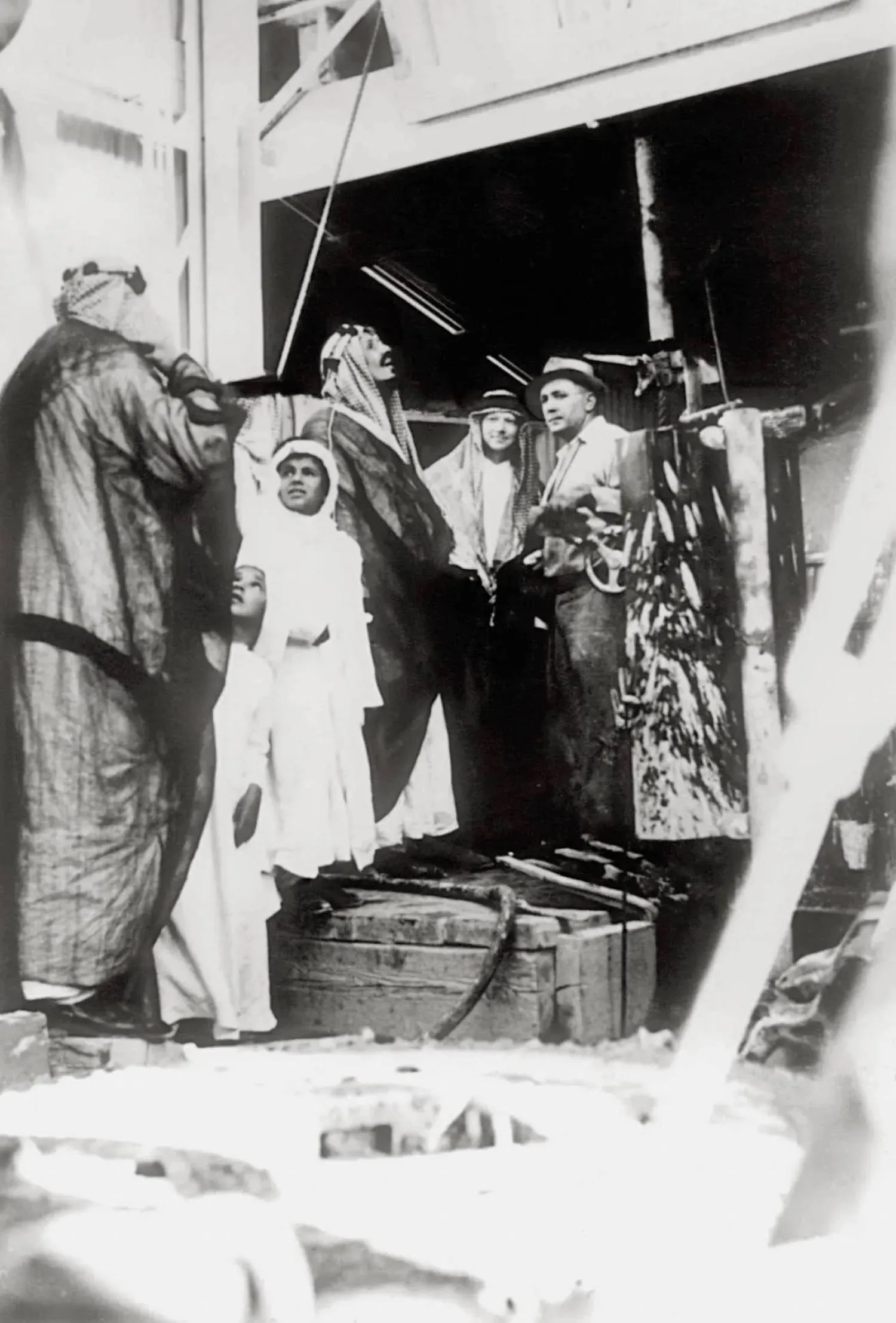
His appeal reflected a careful balancing act — reassuring the religious establishment of his commitment to faith and society, while pressing ahead with contracts that would draw in global know-how. The first major deal came in 1933, when Standard Oil of California, later Chevron, won a concession to explore for oil, marking the start of foreign corporate presence in the Kingdom.
Foreign companies helped shape not only the Saudi economy but also social life, introducing modern practices that filtered into the country’s main cities. King Abdulaziz’s early vision, historians say, laid the foundations of an economy able to move beyond unification struggles and prepared the way for Saudi Arabia’s transformation into a regional power.
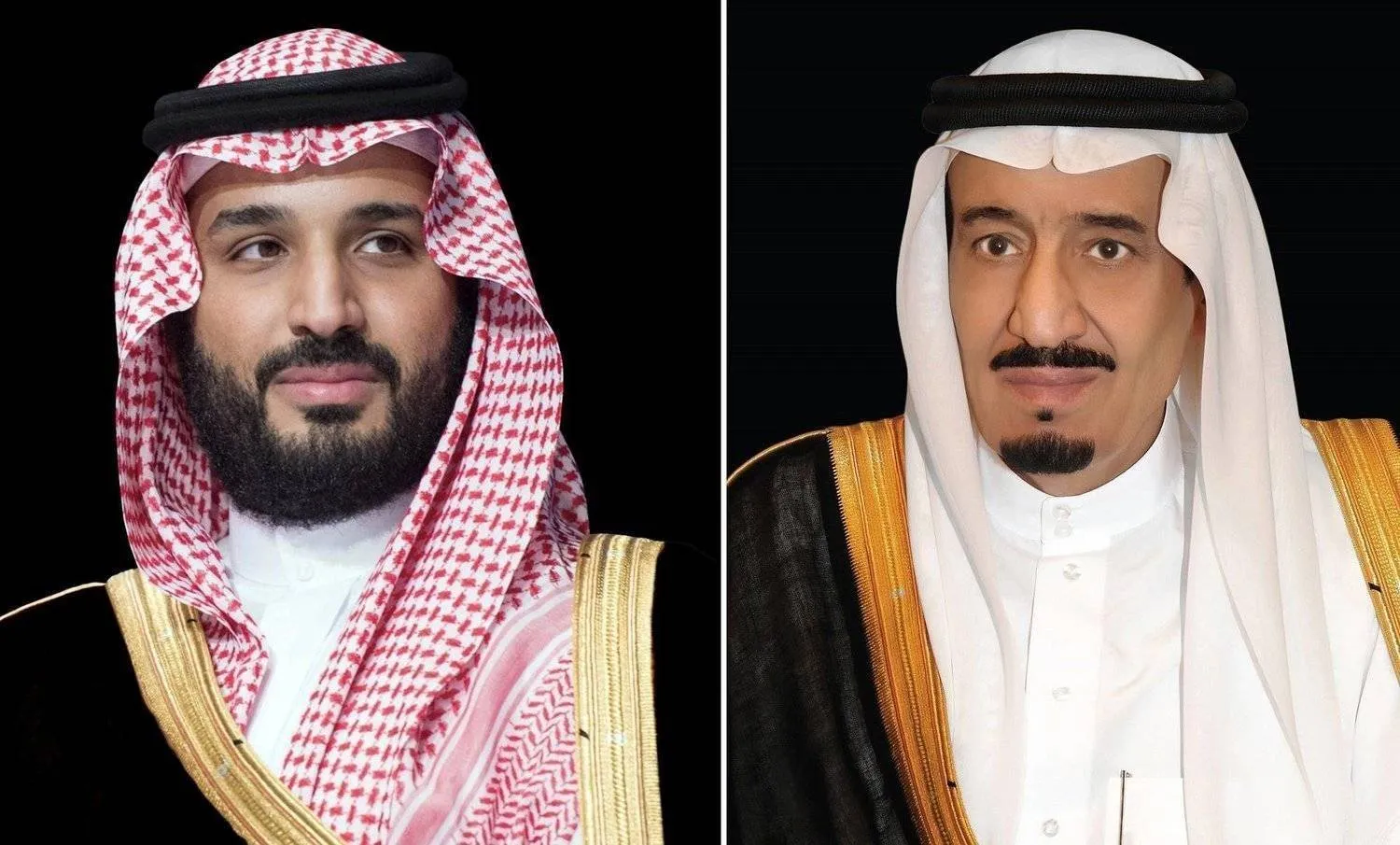
The Kingdom later codified its approach, issuing its first foreign investment law in 1975 and widening access for international firms as oil wealth spurred development. The drive has culminated under Crown Prince Mohammed bin Salman’s Vision 2030, which seeks to diversify the economy and attract global companies to base their regional headquarters in Riyadh.
From Abdulaziz’s cautious defense of foreign partners to today’s push for global integration, the Kingdom’s modernization journey has been marked by a recurring theme: leveraging outside expertise while navigating the sensitivities of tradition.