
Report: Hezbollah Returns to Guerrilla Roots, Awaits Israeli Invasion

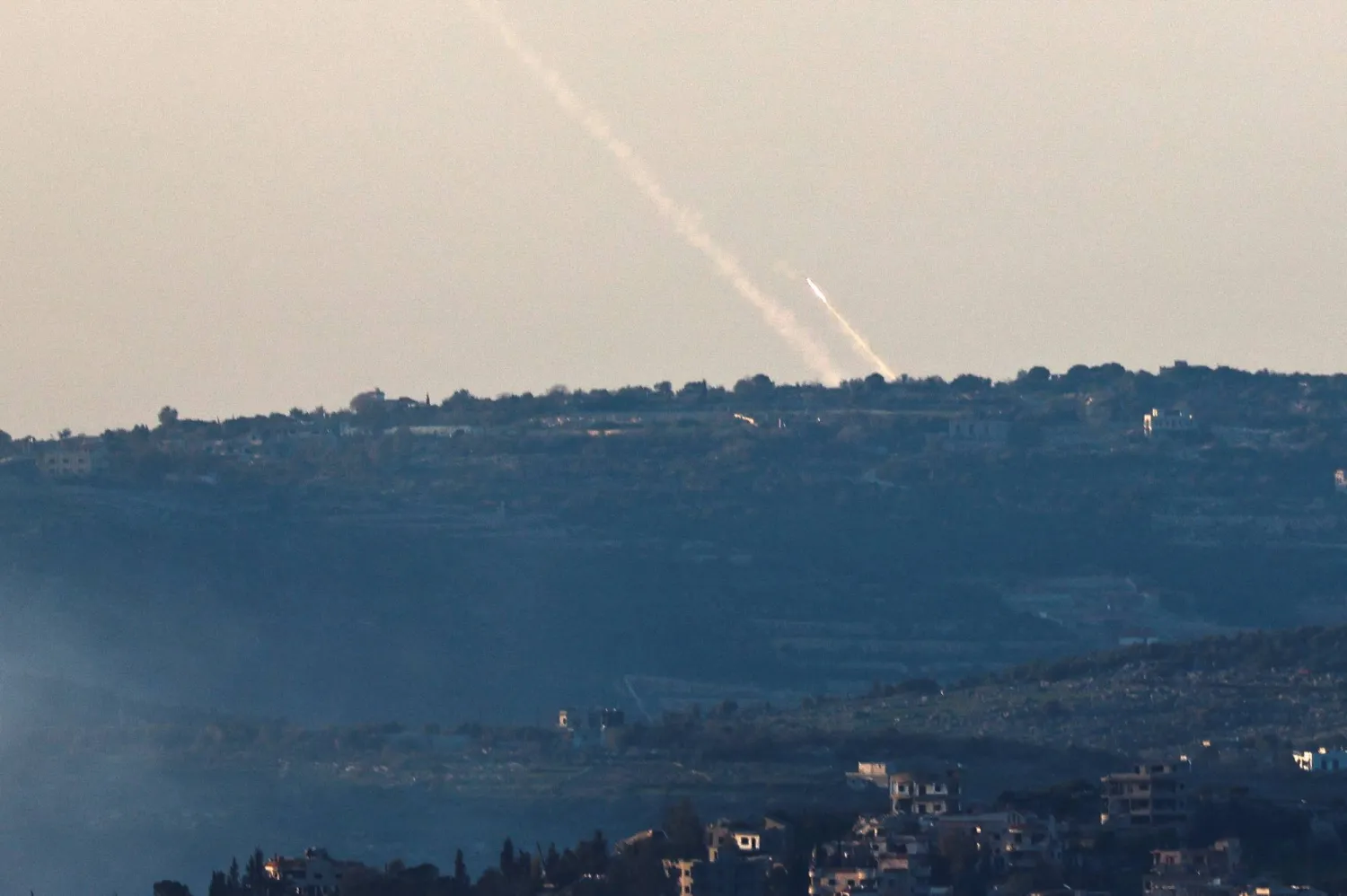
 Rockets are launched from Lebanon, as seen from the Israeli side of the Israel-Lebanon border, amid escalation between Hezbollah and Israel, and amid the US-Israeli conflict with Iran, in northern Israel, March 10, 2026. (Reuters)
Rockets are launched from Lebanon, as seen from the Israeli side of the Israel-Lebanon border, amid escalation between Hezbollah and Israel, and amid the US-Israeli conflict with Iran, in northern Israel, March 10, 2026. (Reuters)
TT

Report: Hezbollah Returns to Guerrilla Roots, Awaits Israeli Invasion

 Rockets are launched from Lebanon, as seen from the Israeli side of the Israel-Lebanon border, amid escalation between Hezbollah and Israel, and amid the US-Israeli conflict with Iran, in northern Israel, March 10, 2026. (Reuters)
Rockets are launched from Lebanon, as seen from the Israeli side of the Israel-Lebanon border, amid escalation between Hezbollah and Israel, and amid the US-Israeli conflict with Iran, in northern Israel, March 10, 2026. (Reuters)

Lebanon's Hezbollah is applying lessons from its last war with Israel as it braces for a possible full-scale Israeli invasion and protracted conflict, returning to its roots in guerrilla warfare in south Lebanon, four Lebanese sources told Reuters.

Operating in small units, fighters from the Iran-backed group are avoiding the use of communication devices that could be at risk of Israeli tapping, and are rationing the use of key anti-tank rockets as they engage Israeli troops, said the sources, who are familiar with Hezbollah military activities.

Some 15 months since Israel pounded Hezbollah in their last war, the group sparked a new Israeli offensive last week by opening fire to avenge the killing of Supreme Leader Ali Khamenei at the start of the US-Israeli war on Iran.

Heavily criticized in Lebanon for dragging the country into a war that has displaced 700,000 people, Hezbollah ‌has described its actions ‌as "existential defense", framing it as a response to Israeli attacks that have continued since ‌a ⁠2024 ceasefire.

While Israel ⁠plans for the likely continuation of its Lebanon offensive after the Iran war, the four sources said Hezbollah's calculations are based on Iran's clerical leadership surviving the war, leading to a regional ceasefire of which it would be part.

FIGHTING FOCUSED AT INTERSECTION OF SYRIAN, ISRAELI BORDERS

The sources who are familiar with Hezbollah thinking declined to be named due to the sensitivity of the matter. The details of how Hezbollah is operating in the field have not previously been reported.

Hezbollah's media office didn't immediately respond to a request for comment.

Hezbollah, a Shiite group founded by Iran's Revolutionary Guards in 1982, was the only Lebanese group ⁠to keep its weapons at the end of the 1975-90 civil war to fight Israeli ‌troops who occupied the south until withdrawing in 2000.

Hezbollah's role in ‌driving them out has underpinned its popularity among many Shiites, though its decision to enter the Iran war has drawn criticism from ‌within the Shiite community.

This war has come at a critical juncture for Hezbollah.

Greatly weakened during the 2024 war, ‌Hezbollah has faced pressure from the Lebanese state to disarm. The Beirut government last week banned Hezbollah's military activities.

Adding to the pressures on Hezbollah since the 2024 war, its Syrian ally President Bashar al-Assad was toppled in December of that year, severing the main supply route from Iran.

The sources said much of Hezbollah's fighting on the ground had been focused so far near the town of ‌Khiam, near the intersection of Lebanon's border with Israel and Syria.

This is one area where Hezbollah believes any Israeli land invasion could begin.

Reuters reported last week that Hezbollah's ⁠elite Radwan fighters, who withdrew ⁠from the south following the 2024 ceasefire, had returned to the area.

ISRAELI SOURCE: HEZBOLLAH STABILIZING RANKS DESPITE BLOWS

An Israeli security source said there was no sign that Hezbollah was looking to de-escalate - quite the opposite. While Israel had eliminated a few of Hezbollah's very senior commanders, it seemed that the group was managing to stabilize its ranks and make and execute decisions.

Two of the Lebanese sources said four deputies had been appointed for every Hezbollah commander, to ensure continued operations.

The Israeli military says it has struck hundreds of Hezbollah targets since March 2, launching airstrikes in the south, Beirut's Hezbollah-controlled southern suburbs, and the eastern Bekaa Valley.

The Israeli military has also sent more soldiers into south Lebanon, where some of its troops had remained since 2024, establishing what it has called forward defensive positions to guard against the risk of Hezbollah attacks on northern Israel.

Two Israeli soldiers have been killed in Lebanon.

Hezbollah has launched daily drone and rocket attacks at Israel.

In 2024, not only did Israel booby-trap hundreds of pagers used by Hezbollah, but it also penetrated the group's private phone network, according to Lebanese officials familiar with Hezbollah's post-war investigation into breaches.

The sources said Hezbollah was avoiding any devices that could be susceptible to eavesdropping.



Iraqi PM to Visit Tehran This Week

Iraqi Prime Minister Ali al-Zaidi attends a meeting with US President Donald Trump (not pictured) in the Oval Office of the White House in Washington, DC, USA, 14 July 2026. (EPA)
TT

Iraqi PM to Visit Tehran This Week

Iraqi Prime Minister Ali al-Zaidi attends a meeting with US President Donald Trump (not pictured) in the Oval Office of the White House in Washington, DC, USA, 14 July 2026. (EPA)

Iraqi Prime Minister Ali al-Zaidi will visit Tehran ‌within ‌the coming ‌week, ⁠the Iraqi state ⁠news agency reported on ⁠Sunday.

During ‌the visit, ‌the prime minister will ‌sign memoranda of ⁠understanding in ⁠Tehran in areas of cooperation.

Al-Zaidi had visited the United States earlier this week where he met with President Donald Trump.

Trump praised the new PM, saying the US is “going to have a long-term relationship with Iraq. We're going to have a long-term relationship with a man that will be a great leader.”

“It's a great honor to have the Prime Minister of Iraq with us. He's been a great fighter, and he's been a great fan of America,” he went on to say.

Iraq signed 48 agreements and partnerships with American companies, many in the oil sector, during al-Zaidi's visit.

Al-Zaidi, a businessman, came to power this year with US blessing after Trump vetoed another candidate.

He has vowed to boost Iraq's fragile economy and disarm pro-Iran armed groups in Iraq that have targeted US facilities.

Iraq has long walked a tightrope between the competing influences of allies the United States and neighboring Iran.


Rubio Hails Lebanon for Peace Efforts After Meeting Aoun

Lebanese President Joseph Aoun attends a press conference, at the presidential palace, in Baabda, Lebanon January 17, 2025. (Reuters)
TT

Rubio Hails Lebanon for Peace Efforts After Meeting Aoun

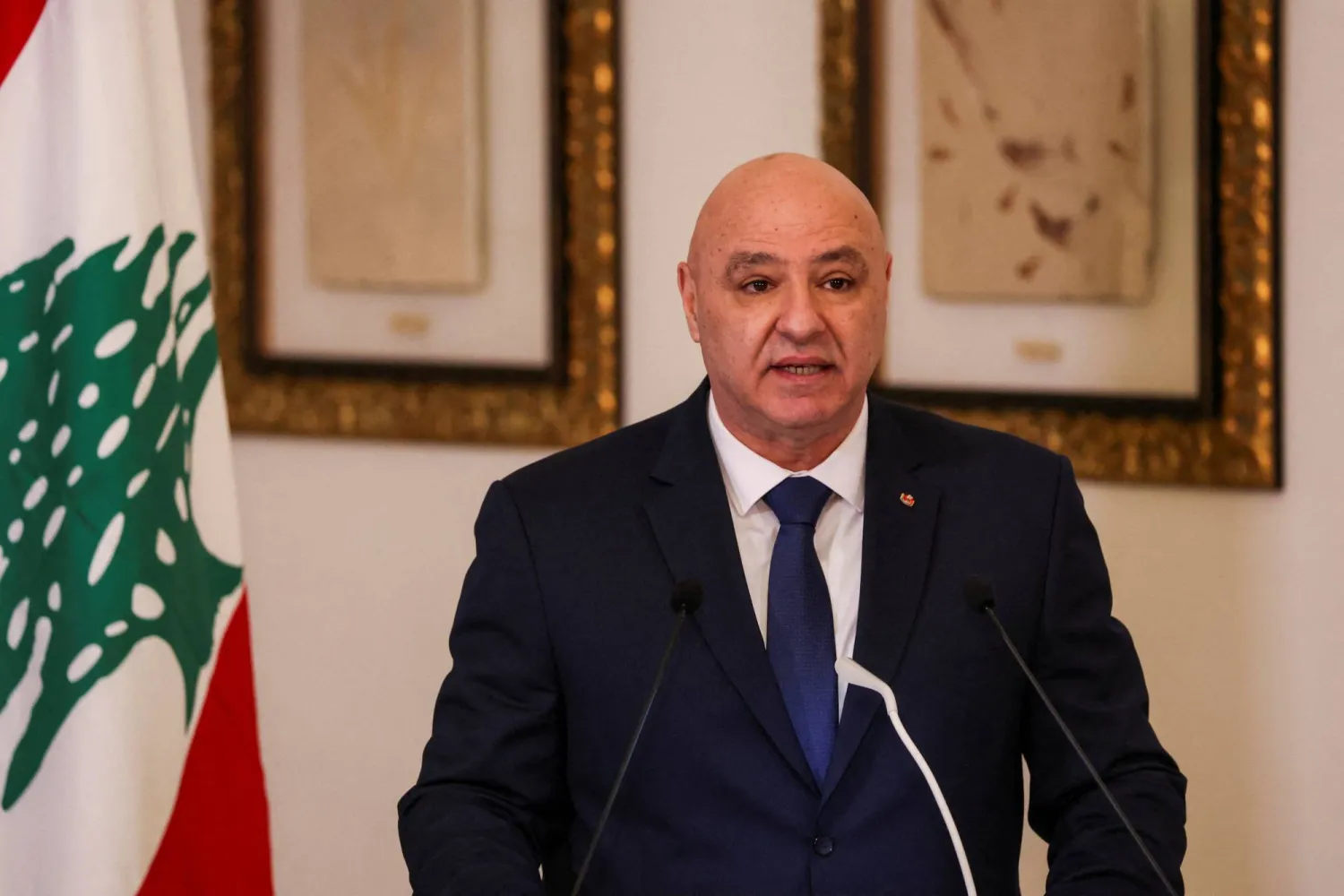
Lebanese President Joseph Aoun attends a press conference, at the presidential palace, in Baabda, Lebanon January 17, 2025. (Reuters)

US Secretary of State Marco Rubio met with Lebanese President Joseph Aoun in Washington on Sunday, praising the country for its "move towards peace" after the latest round of Lebanon-Israel talks. 

It was the first trip to the US capital by a Lebanese head of state since Michel Suleiman was received by Barack Obama in 2009. 

Aoun and Rubio held talks at the State Department, and Lebanese officials said Aoun is due to meet with President Donald Trump on Tuesday. 

Rubio commended the Lebanese government for its "determined effort to reclaim Lebanon's sovereignty, disarm Hezbollah and dismantle its terrorist infrastructure, and move towards peace," the State Department said following the talks. 

Lebanon and Israel, which do not have formal diplomatic relations, began US-sponsored negotiations in April aimed at reaching a peace deal and permanently ending the Israel-Hezbollah war. 

On June 26, they reached a framework agreement in Washington under which the Israeli military is to withdraw from southern Lebanon and the Lebanese army is to deploy, starting with two "pilot zones." 

But the agreement is contingent on the disarmament of Iran-backed group Hezbollah, which has flatly rejected both the deal and the Israel-Lebanon negotiations that underpin it. 

Following the latest round of talks last week in Rome, Israel and Lebanon agreed on the structure and guidelines for implementing the pilot zones, according to the United States. 

Rubio said Washington was committed "to supporting the successful implementation of the Trilateral Framework and to backing the Government of Lebanon's efforts to deliver peace, economic recovery, and a better future for the Lebanese people." 

Hezbollah pulled Lebanon into the Middle East war on March 2, when it began striking Israel in support of its backer Iran. 

Israel responded with airstrikes and a ground invasion, and despite a ceasefire it continues sporadic attacks and holds territory in the south in what it describes as a "security zone." 

While in Washington, Aoun planned talks "on the situation in Lebanon and ways to strengthen the ceasefire" as well as on "the withdrawal of Israel from the Lebanese regions it occupies," his office said earlier. 

The United States carried out airstrikes on Sunday to "punish" Iran after the first US military deaths since open hostilities rekindled the Middle East war. 


Jordan Summons Iranian Diplomat Over ‘Unjustified’ Attacks

The Jordanian capital, Amman. Petra file photo
TT

Jordan Summons Iranian Diplomat Over ‘Unjustified’ Attacks

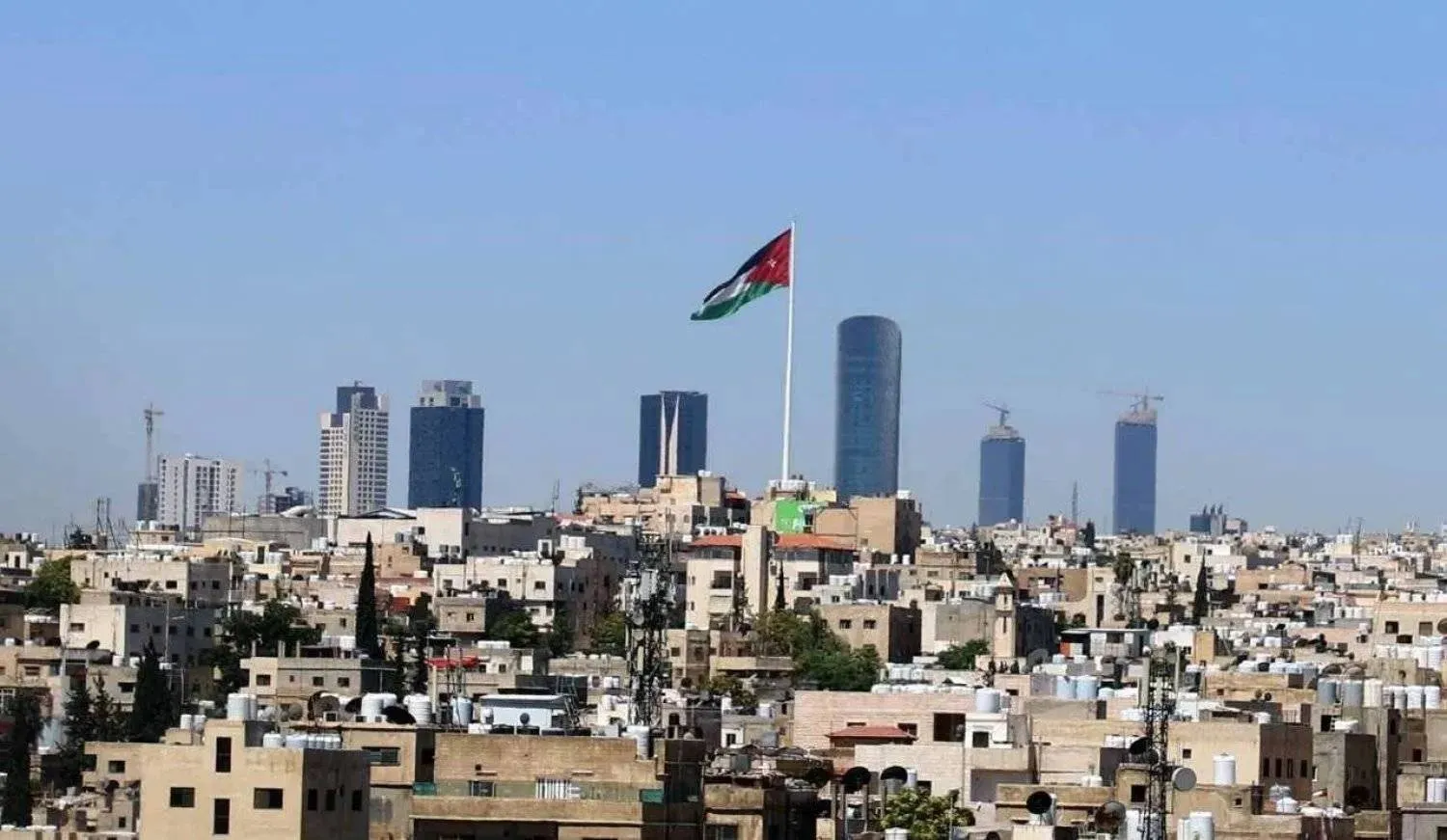
The Jordanian capital, Amman. Petra file photo

Jordan has summoned Iran's charge d'affaires in Amman over what it ‌called "unjustified ‌and blatant Iranian ‌attacks" ⁠and "provocative and inflammatory ⁠statements targeting the Kingdom's territory," Jordan's ministry of foreign affairs ⁠said in ‌a ‌statement on ‌Sunday. 

Over the ‌last week, Jordan has repeatedly said that ‌it has intercepted Iranian missiles flying ⁠over ⁠its territory, including three that it shot down on Sunday, according to the country's military.