
Saudi Arabia and the United States are entering a new phase of strategic cooperation driven by artificial intelligence and transformative technologies, at a moment when nations worldwide are racing to build innovation-based digital economies.
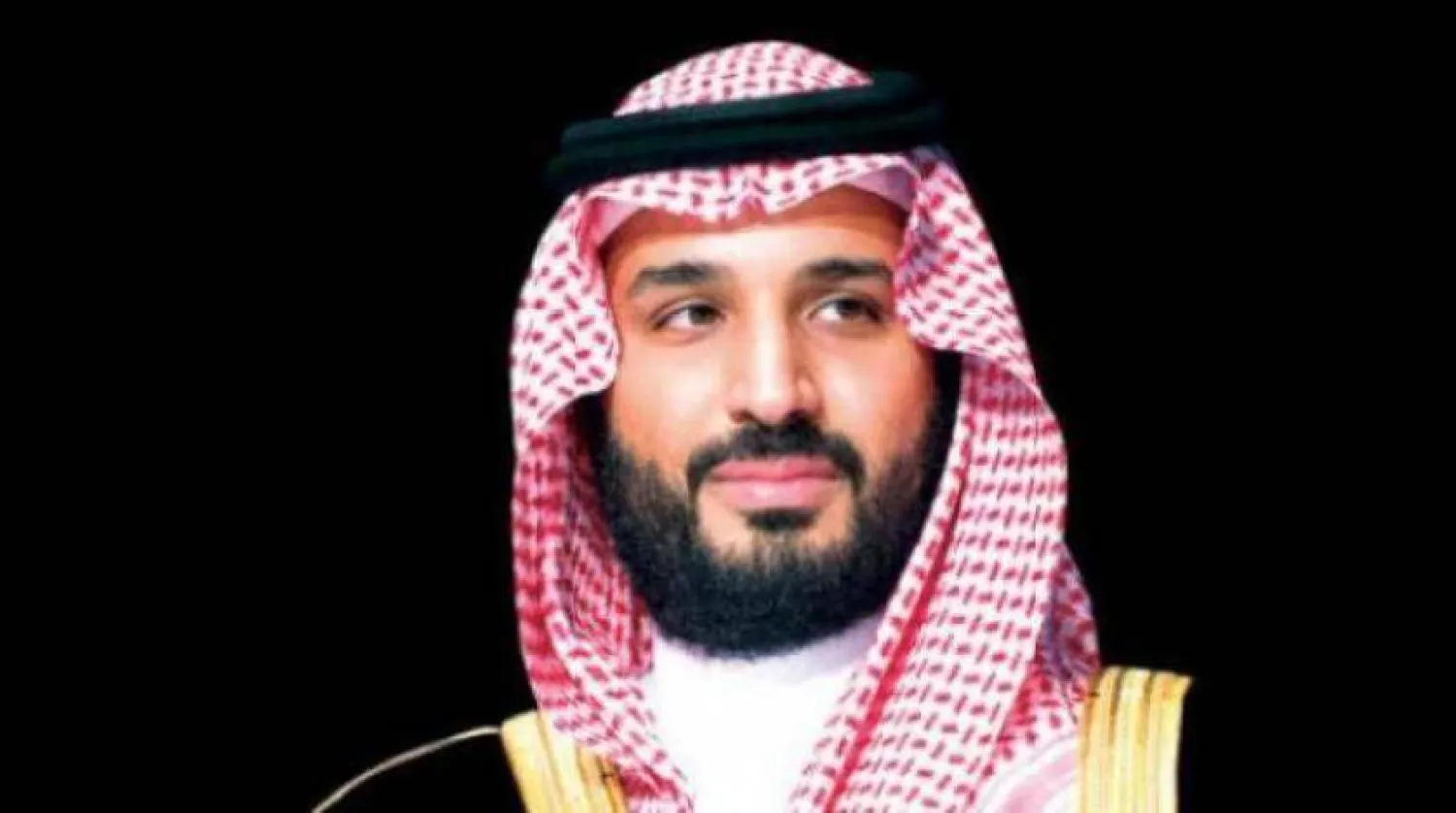
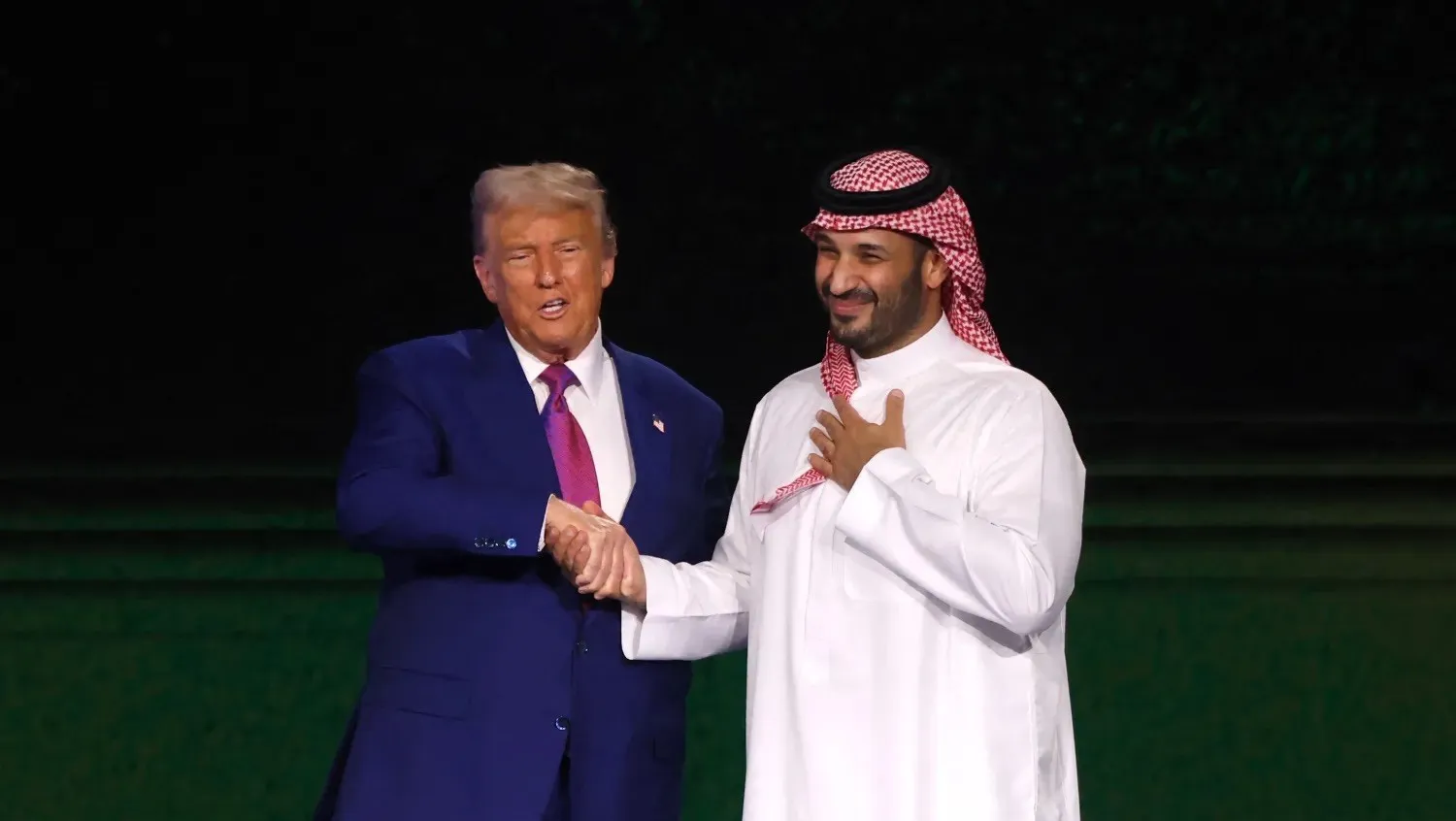
The momentum surrounding Crown Prince and Prime Minister Mohammed bin Salman’s visit to Washington - previously described by the White House as marking a “golden age” in bilateral ties - has underscored the growing strength of the two countries’ technology partnership.
During US President Donald Trump’s visit to Saudi Arabia in May, Saudi and American companies announced a package of major investments exceeding $100 billion. The agreements span advanced infrastructure projects, specialized data centers, and strategic partnerships in technology, energy, and innovation.
Executives at leading AI companies told Asharq Al-Awsat that Saudi Arabia has become one of the fastest-growing and most attractive markets for technology investment.
They noted the expansion of joint partnerships in artificial intelligence, advanced computing, and cybersecurity, supported by Vision 2030 and improvements to the Kingdom’s regulatory environment and digital infrastructure.
Cross-continental investments
The Kingdom’s expanding technology agenda is increasingly reflected on the global stage. Saudi firm DataVolt recently unveiled plans to invest $20 billion to establish AI-focused data centers and energy infrastructure in the United States.
The initiative underscores Saudi Arabia’s efforts to broaden its global tech footprint and deepen cooperation with leading American companies, in a model of mutual partnership.
Conversely, major US technology companies have reinforced their commitment to the Saudi market. Giants such as Google, Oracle, Salesforce, AMD, and Uber have pledged joint investments worth up to $80 billion to advance AI technologies and digital transformation in both countries, with the aim to stimulate innovation and support a knowledge-based economy.
These investments are expected to reshape the landscape of bilateral partnerships, particularly since US investment in Saudi Arabia’s AI sector previously stood at just $3.9 billion.
According to preliminary estimates from Google Cloud, its cooperation with Saudi Arabia's Public Investment Fund (PIF) could add roughly $70.6 billion to Saudi GDP in the coming years, based on analysis by the consultancy Access Partnership.
HUMAIN and Nvidia: Building a regional computing hub
A notable turning point emerged with the launch of the Saudi company HUMAIN, established to develop large-scale advanced-computing and AI infrastructure in collaboration with US firms.
HUMAIN also announced a strategic partnership with Nvidia to develop major data centers and multi-agent AI platforms, positioning the Kingdom as one of the region’s leading hubs for advanced computing.
Tareq Amin, CEO of HUMAIN, said during the recent Future Investment Initiative conference in Riyadh that one of the world’s major AI-chip suppliers is considering investment in the company.
HUMAIN currently sources chips from Nvidia, AMD, Qualcomm, and Groq to power its platforms and advanced data centers.
Deepening cooperation
Ayman AlRashed, Regional Vice President at IBM Saudi Arabia, said the technology partnership between the Kingdom and US is entering a new phase characterized by deepening cooperation and shared commitment.
IBM has strengthened its presence by establishing its regional headquarters in Riyadh and launching an advanced cybersecurity center, he told Asharq Al-Awsat.
The company has invested more than $200 million in a software development lab focused on talent development, advanced AI solutions, data and AI platforms, and export-ready technologies, he revealed.
AlRashed added that IBM’s collaboration with the Saudi Data and AI Authority (SDAIA) to host the Arabic large-language model “Allam” on the IBM WatsonX platform demonstrates the potential of such partnerships to produce advanced AI solutions tailored to local needs, enabling the Kingdom to lead regional technological progress.
He expects Saudi Arabia’s rapidly expanding market, bolstered by major investments and an ambitious national innovation agenda, to create significant opportunities for deeper US–Saudi cooperation.
Rising demand
Zaid Ghattas, General Manager for AMD in the Middle East, Türkiye, and Africa, said that Saudi-US technology cooperation is experiencing remarkable growth driven by surging demand for advanced computing and AI.
AMD supports the Kingdom’s strategic projects through high-performance computing technologies and the development of data centers, he said in remarks to Asharq Al-Awsat.
The next five years will bring further expansion in collaboration, particularly through programs such as “Made in Saudi Arabia,” which promote local technology manufacturing, he went on to say.
AMD is already partnering with Hewlett Packard Enterprise and Alfanar to manufacture servers powered by AMD processors in Riyadh.
According to Ghattas, Saudi Arabia’s significant investment in digital infrastructure and talent makes it one of the world’s most attractive markets, with AI expected to contribute more than $135 billion to GDP by 2030.
Regional headquarters
Mamdouh Aldoubayan, Managing Director for the Middle East and North Africa at Globant, said Saudi Arabia has become one of the region’s most important technology markets, supported by a projected 9 percent annual growth in IT services through 2027.
He told Asharq Al-Awsat that Vision 2030 has created a compelling business environment that has encouraged global companies to open regional headquarters in Riyadh, including Globant, which focuses on AI, cloud computing, and data solutions.
Aldoubayan added that demand for advanced digital solutions continues to rise in the Kingdom, supported by flexible regulations, government smart-city initiatives, and a strong pool of national talent, making Saudi Arabia an ideal destination for global tech firms.