


Development Projects at Holy Sites Seek to Improve Services for Pilgrims

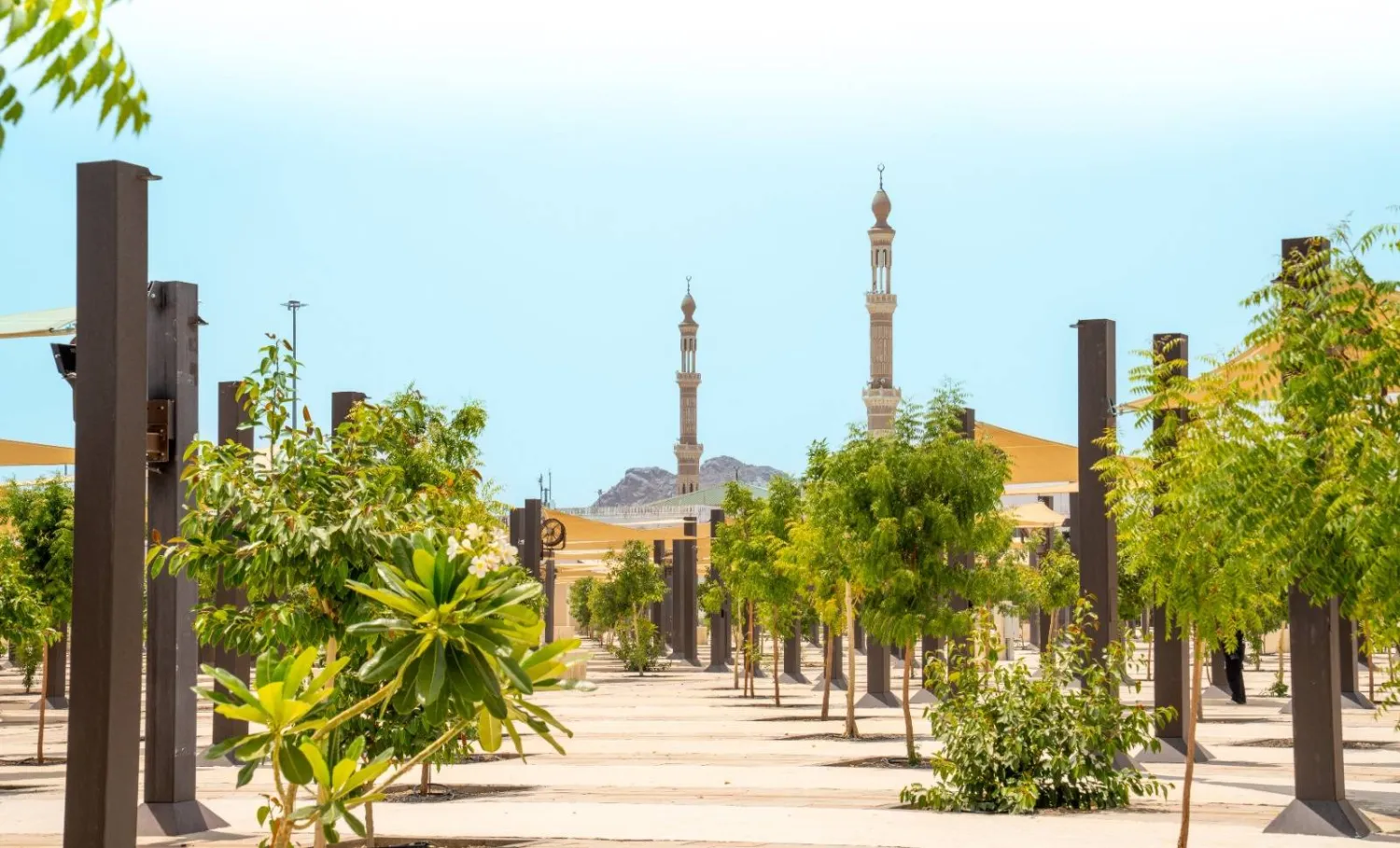
Green spaces tripled by planting of 40,000 trees to reduce heat stress (Kidana)
TT

Development Projects at Holy Sites Seek to Improve Services for Pilgrims

Green spaces tripled by planting of 40,000 trees to reduce heat stress (Kidana)

Saudi Arabia’s holy sites are undergoing a wide range of development projects for this year’s Hajj, including infrastructure upgrades as well as service and digital initiatives aimed at ensuring pilgrims can perform their rituals with ease and comfort in a safe and spiritual environment.

The projects include expanding green spaces, upgrading rest areas along pedestrian routes, building new two-story restroom complexes in Mina and improving drinking water systems. Together, they are designed to enhance infrastructure efficiency and service facilities in line with pilgrims’ needs and to deliver a more comfortable Hajj experience to the highest standards.

Kidana Development Company, the executive arm of the Royal Commission for Makkah City and Holy Sites, announced Sunday the completion of the second phase of a project to build two-story restroom complexes in Mina.

The phase included replacing existing single-story restroom facilities with 18 new two-story complexes in the Al-Shuaibain area, adding to 61 complexes completed and upgraded during last year’s Hajj season.

With the completion of the second phase, the total number of upgraded complexes has reached 79, comprising 7,838 restrooms - a fourfold increase compared with last year - while reducing waiting times by 75 percent without affecting pilgrims’ accommodation space.

Al-Shuaibain, located in the northern part of Mina, is considered a key area that has seen major development projects to expand capacity and improve services. It is a strategic accommodation zone for pilgrims, with both its eastern and western sections featuring housing complexes and upgraded tents.

The two-story restroom project aims to double the capacity of sanitary facilities in line with the number of pilgrims, reducing waiting times and easing pressure on existing infrastructure while ensuring high-quality, clean and sustainable services.

The initiative is part of broader efforts to develop an integrated system of health services capable of meeting the heavy operational demands of the Hajj season, in line with Saudi Vision 2030 and the Pilgrim Experience Program, which aim to improve public facilities and provide a smoother, more comfortable pilgrimage.

Green spaces and integrated facilities

Green areas at the holy sites have also been tripled through the planting of 40,000 trees to reduce heat stress, building on an initial phase that saw more than 20,000 trees planted during last year’s Hajj. The total number of trees has now exceeded 60,000 as part of a project aimed at enhancing vegetation cover, supporting environmental sustainability and improving pilgrims’ experience.

Authorities have also developed 36,000 square meters of rest areas along pedestrian routes, adding to more than 30,000 square meters completed in the first phase last year. These areas are equipped with integrated facilities to provide shaded, comfortable environments for pilgrims as they move between ritual sites.

Rest areas include seating zones, service kiosks and modern canopies fitted with misting fans, along with advanced rubber flooring designed to improve comfort. These upgrades are part of broader infrastructure improvements aimed at easing movement and supporting efforts to provide a more comfortable and seamless Hajj journey.

Rubber flooring and modern cooling systems

Traditional misting columns have been replaced with 400 advanced misting fan units in the western plaza of the Jamarat facility, following the replacement of 200 columns last year and the installation of an additional 200 units for this Hajj season.

The new technology provides enhanced cooling capacity, helping to moderate temperatures for up to 180,000 pilgrims per hour as they head to perform the stoning ritual.

Rubber flooring has also been introduced across the holy sites as an innovative engineering solution to improve pilgrims’ comfort, particularly along long pedestrian routes and in high-density areas. The material absorbs shock, reduces strain on ankles and feet, and is designed to be environmentally friendly by lowering surface temperatures, creating cooler and more comfortable walking conditions.



Pilgrims Pray on Mount Arafat as Hajj Reaches Peak

The flow of pilgrims to Mina proceeded smoothly and easily, supported by all services (Photo: Ali Khamaj)
TT

Pilgrims Pray on Mount Arafat as Hajj Reaches Peak

The flow of pilgrims to Mina proceeded smoothly and easily, supported by all services (Photo: Ali Khamaj)

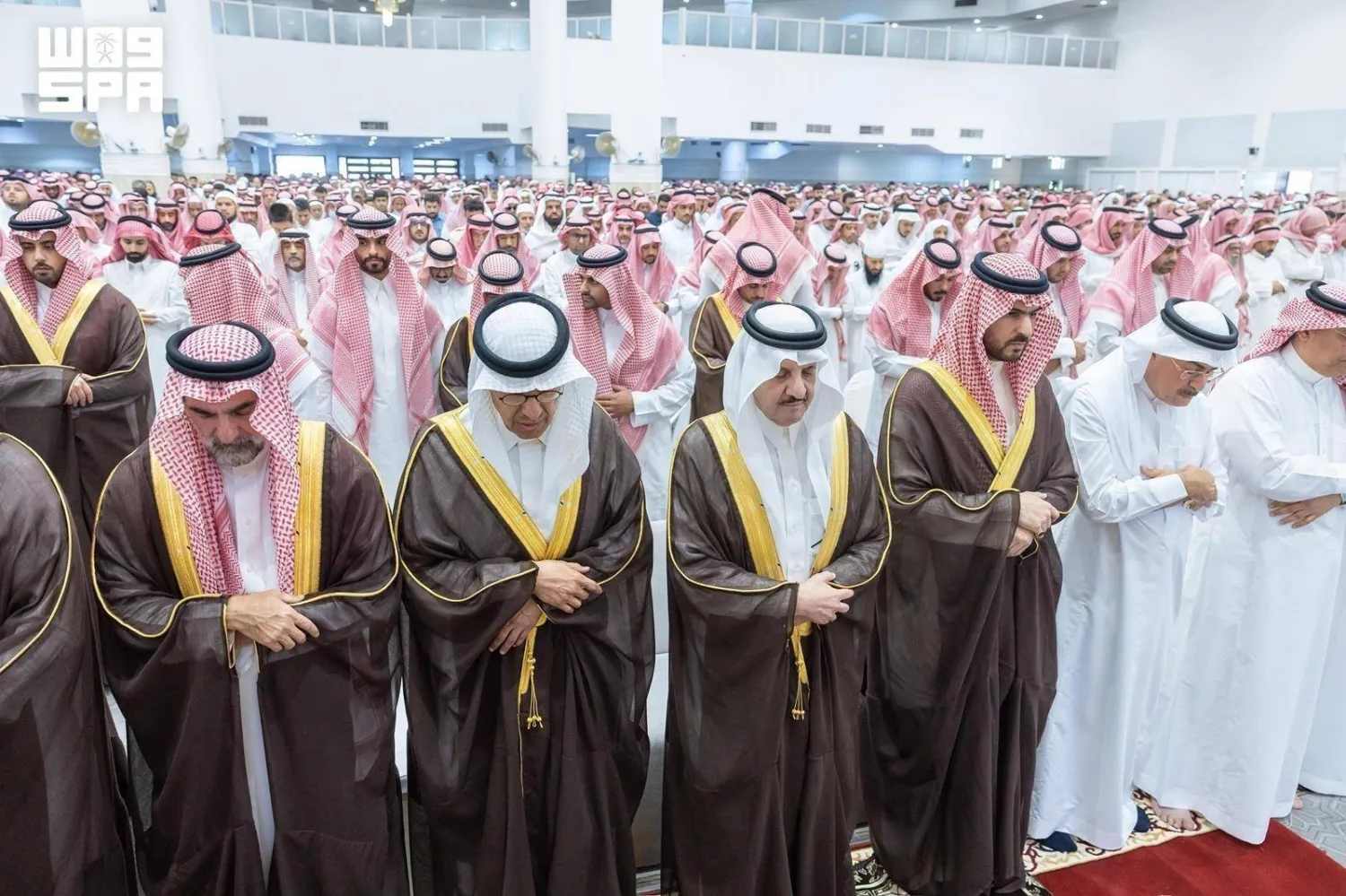
Huge numbers of Muslims prayed on Mount Arafat on Tuesday at the climax of the hajj pilgrimage.

From daybreak, thousands of white-robed worshippers recited Quranic verses on the 70-meter rocky hill near Makkah.

Law enforcement personnel and field teams managed crowd flows along vehicle and pedestrian routes, while comprehensive medical, ambulance, and logistical networks stood fully prepared to support the pilgrims.

After Mount Arafat, pilgrims will spend the night in Muzdalifah, where they will collect pebbles for the symbolic "stoning of the devil" ritual in Mina, starting on Wednesday.


Saudi Joint Chiefs of Staff Director Inspects Armed Forces Preparations for Hajj

Director of the Joint Chiefs of Staff of the Armed Forces Major General Pilot Hamid Al-Omari and other officials are seen during his inspection tour. (SPA)
TT

Saudi Joint Chiefs of Staff Director Inspects Armed Forces Preparations for Hajj

Director of the Joint Chiefs of Staff of the Armed Forces Major General Pilot Hamid Al-Omari and other officials are seen during his inspection tour. (SPA)

Director of the Joint Chiefs of Staff of the Armed Forces Major General Pilot Hamid Al-Omari, on behalf of Chief of the General Staff Lieutenant-General Fayyad Al-Ruwaili, inspected on Monday the readiness of Armed Forces units involved in this year’s Hajj across the holy sites to ensure support for security and government agencies serving pilgrims.

The tour included the air force detachment at Arafat Airport, Ministry of Defense camps, religious affairs facilities, military police operations at the Grand Mosque, Armed Forces headquarters in Al-Awali, and the Defense Ministry’s field hospital in Mina.

Al-Omari reviewed operational plans, awareness programs, crowd management efforts, and medical preparedness to support pilgrims throughout the Hajj season.

The Military Police of the Royal Saudi Land Forces is participating in the Ministry of Defense's comprehensive Hajj plan, coordinating with internal security forces to manage crowd movement in the Grand Mosque's courtyards, oversee the Grand Mosque's gates, and organize the flow of pilgrims arriving from Mina, ensuring smooth movement during peak times.

The participating force underwent intensive training and exercises simulating various scenarios to boost its capacity for effective response and crowd management in coordination with relevant security entities.


Saudi Arabia Condemns Terrorist Attack on Train in Pakistan’s Balochistan

People inspect the wreckage of vehicles the day after a deadly train blast, in Quetta, Pakistan, 25 May 2026. (EPA)
TT

Saudi Arabia Condemns Terrorist Attack on Train in Pakistan’s Balochistan

People inspect the wreckage of vehicles the day after a deadly train blast, in Quetta, Pakistan, 25 May 2026. (EPA)

Saudi Arabia condemned on Monday the “heinous terrorist” attack targeting a train in Pakistan’s Balochistan province.

In a statement, the Ministry of Foreign Affairs said the Kingdom reiterates its “complete rejection of all forms of terrorism and extremism and strongly condemns attempts to undermine the security and stability of Pakistan and its people.”

It expressed its condolences to the families of the victims, as well as to the government and people of Pakistan.

An explosion targeted a train in Balochistan's provincial capital, Quetta, on Sunday, killing at least 24 people and wounding more than 50 others, according to officials.