


Saudi Arabia Underscores Support for Legitimate Yemeni Govt to End Houthi Coup

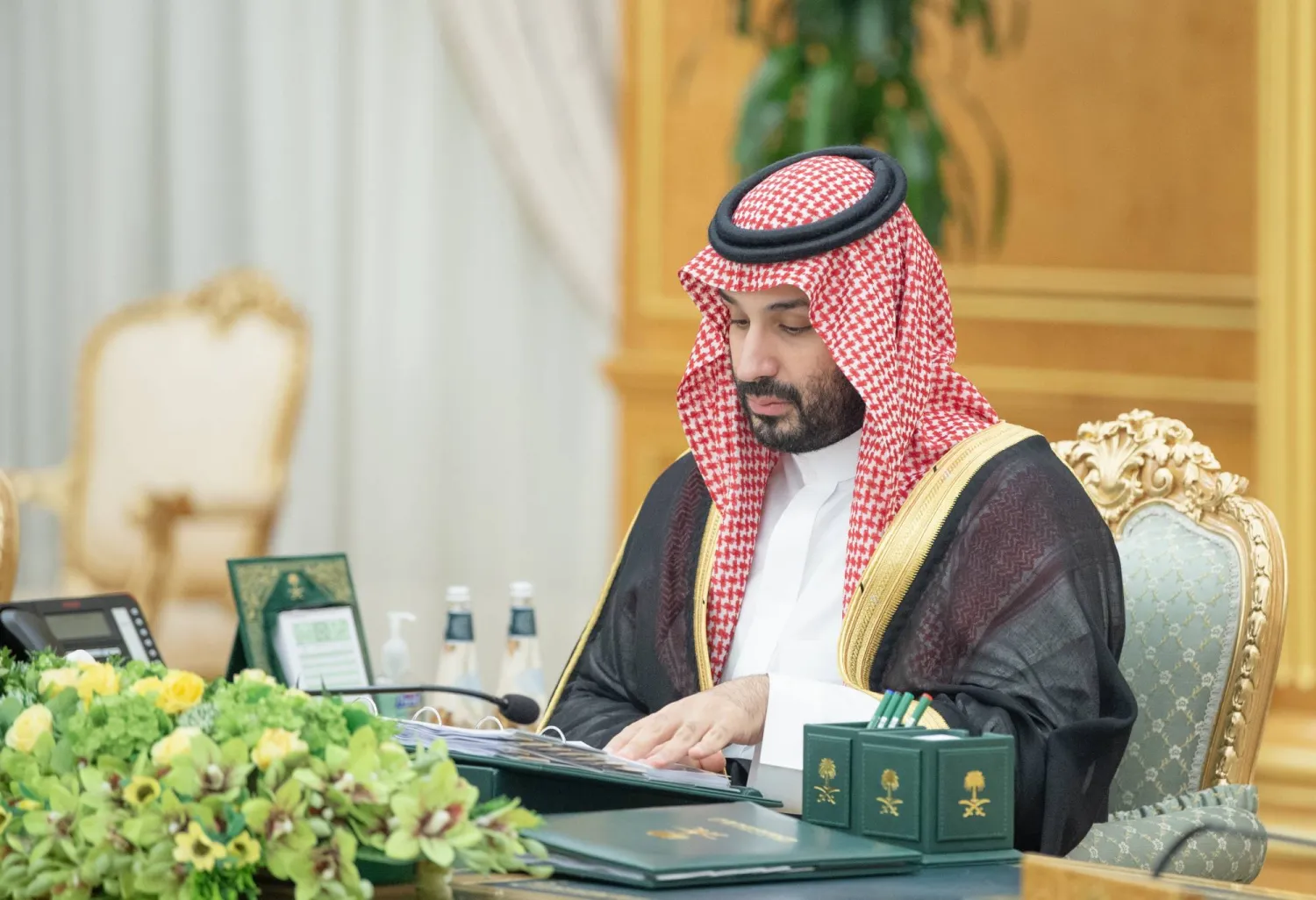
Prince Mohammed bin Salman bin Abdulaziz Al Saud, Crown Prince and Prime Minister, chairs the Cabinet meeting in Riyadh. (SPA)
TT

Saudi Arabia Underscores Support for Legitimate Yemeni Govt to End Houthi Coup

Prince Mohammed bin Salman bin Abdulaziz Al Saud, Crown Prince and Prime Minister, chairs the Cabinet meeting in Riyadh. (SPA)

The Saudi government underlined on Tuesday its absolute support for the Yemeni Presidential Leadership Council, legitimate government and people in ending the coup by the Iran-backed terrorist Houthi militia and reclaiming the state and its institutions.

Prince Mohammed bin Salman bin Abdulaziz Al Saud, Crown Prince and Prime Minister, chaired the Cabinet meeting held in Riyadh.

The Houthi militia “has chosen military escalation as an alternative approach to peace, further deepening the humanitarian and economic suffering of Yemen and its brotherly people, while continuing to threaten the region and maritime navigation in the southern Red Sea and the Bab al-Mandeb Strait,” added the government.

The Cabinet commended the outcomes of the emergency meeting of the Strategic-Political and Defense Committee of the Makkah Alliance for Defense. The meeting underlined solidarity among Saudi Arabia, Pakistan and Türkiye and their unified stance in confronting the criminal attacks against the Kingdom that targeted Makkah, Madinah, civilian objects, and civil and economic facilities.

The meeting also resulted in an agreement to activate collective deterrence and immediately move toward the practical implementation of mutual defense commitments, in a manner that boosts military readiness, integration, and the capability to confront such threats.

The Crown Prince briefed the Cabinet on his meeting with Syrian President Ahmad Al-Sharaa that covered the prospects of relations and areas of cooperation between their countries.

The Cabinet highly praised the annual royal address of Custodian of the Two Holy Mosques King Salman bin Abdulaziz Al Saud at the opening of the third year of the ninth session of the Shura Council. The address highlighted the state’s enduring principles and foundations, the key achievements of Saudi Vision 2030, the gains of developmental reforms and economic momentum, as well as the foundations of foreign policy and its steadfast positions, which have strengthened the Kingdom’s regional and international standing.
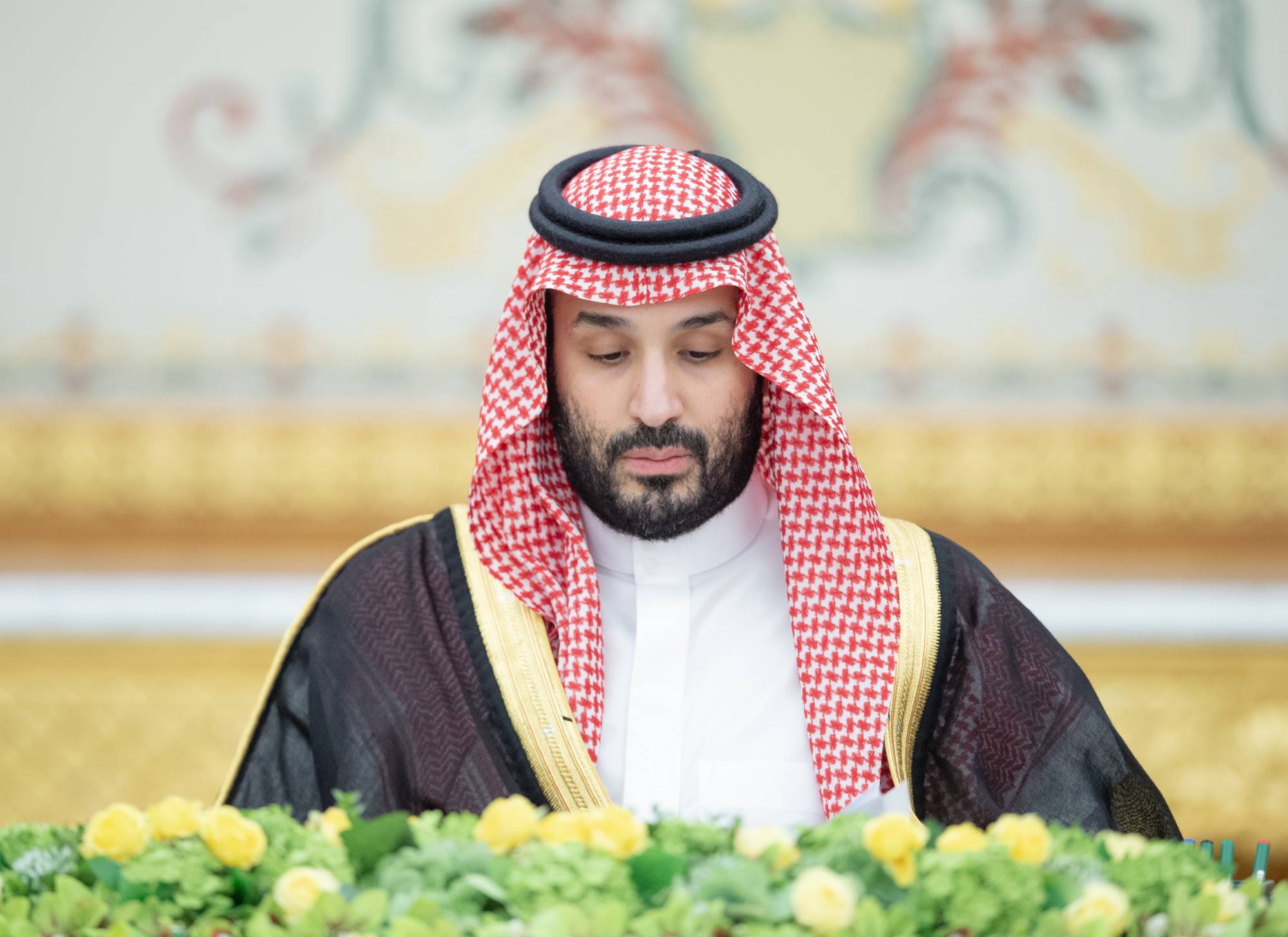
Prince Mohammed bin Salman bin Abdulaziz Al Saud, Crown Prince and Prime Minister, at the Cabinet meeting on Tuesday. (SPA)

The Cabinet expressed its appreciation for the role of the Shura Council in supporting the Kingdom’s comprehensive development journey, enhancing integration and coordination with government entities, contributing to the development of the legislative and regulatory framework, and raising the level of performance efficiency.

It affirmed that the aspirations of citizens and the interests of the nation will always remain at the forefront of the work of state institutions, guiding and informing their decisions and strategic directions.

The Cabinet viewed the preliminary state budget estimates for the coming fiscal year as confirmation of the strength of the Kingdom’s economy and its resilience in responding to global changes and developments through proactive policies. These policies help meet national targets and sustain spending on services and on development and social priorities while maintaining fiscal sustainability.

The Cabinet reviewed several reports on international conferences hosted by the Kingdom, commending the work of the Global CSR Forum, held under the patronage of King Salman. It also hailed the launch of initiatives during the forum’s second edition.

The initiatives will help put partnerships with social and developmental impact into action and expand sustainable institutional support in this field, supporting national objectives and advancing comprehensive development.



Coalition: Air Defenses Destroy 3 Cruise Missiles Launched by Houthis Toward Riyadh Region

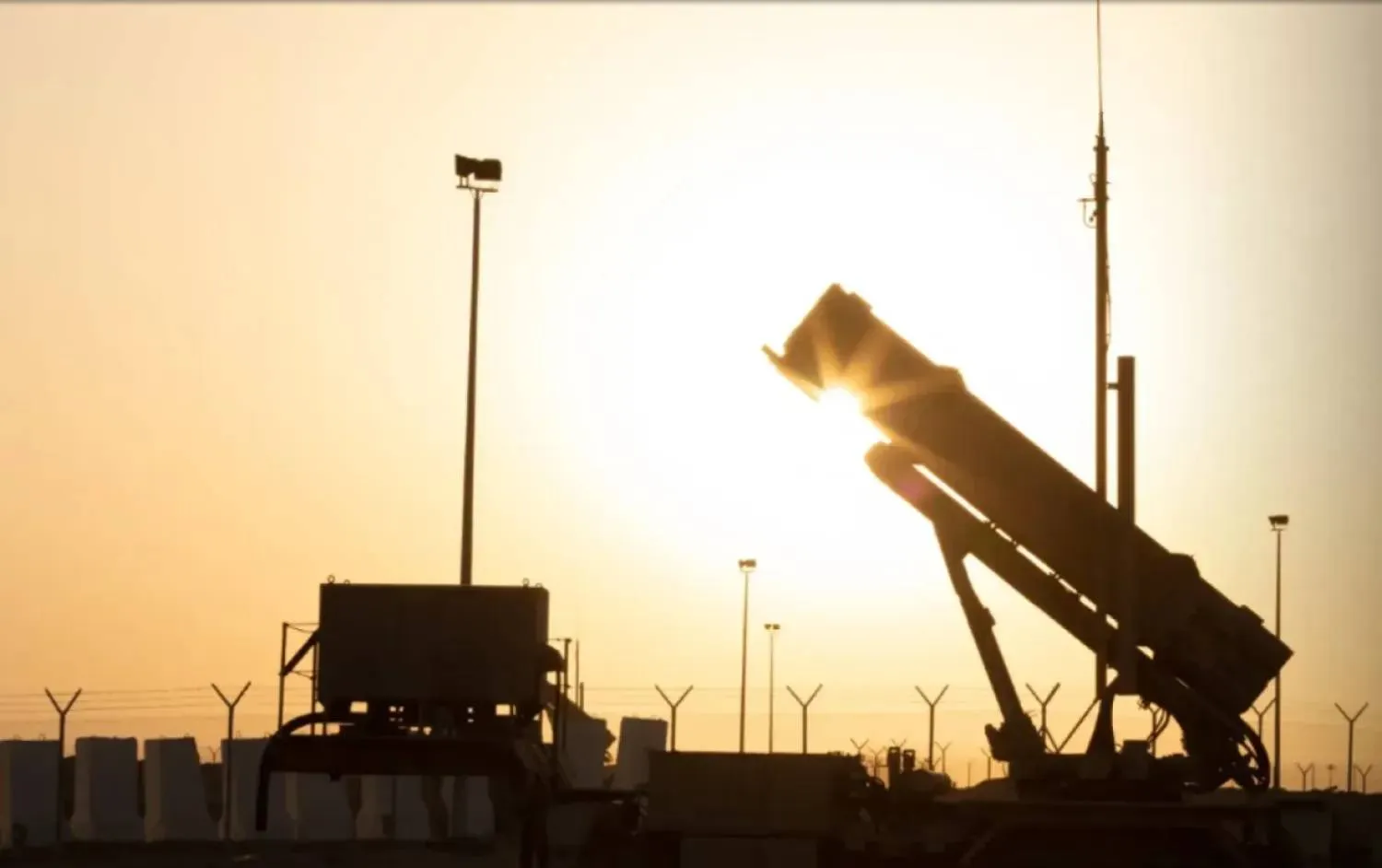
Air defenses intercepted and destroyed three cruise missiles launched by the terrorist Houthi militia toward the Riyadh Region. (Saudi Defense Ministry)
TT

Coalition: Air Defenses Destroy 3 Cruise Missiles Launched by Houthis Toward Riyadh Region

Air defenses intercepted and destroyed three cruise missiles launched by the terrorist Houthi militia toward the Riyadh Region. (Saudi Defense Ministry)

Official Spokesperson of the Coalition to Restore Legitimacy in Yemen Major General Turki Al-Malki said on Wednesday that air defenses intercepted and destroyed three cruise missiles launched by the terrorist Houthi militia toward the Riyadh Region.

On Tuesday, Al-Maliki said air defenses destroyed a Houthi ballistic missile fired at Riyadh.

They also downed a drone in the Eastern Region.


Pakistani Military to Asharq Al-Awsat: Our Commitment to Saudi Security Is Non-Negotiable

Pakistani military spokesperson Lieutenant General Ahmed Sharif Chaudhry. (Reuters)
TT

Pakistani Military to Asharq Al-Awsat: Our Commitment to Saudi Security Is Non-Negotiable

Pakistani military spokesperson Lieutenant General Ahmed Sharif Chaudhry. (Reuters)

Pakistani military spokesperson Lieutenant General Ahmed Sharif Chaudhry stressed that the transition of the Makkah Joint Defense Alliance into the practical implementation phase of its collective defense commitments entails adopting measures to enable the rapid deployment of agreed-upon forces and military capabilities inside Saudi Arabia. These steps include elevating readiness levels, bolstering military integration, sharing intelligence, and coordinating to conduct exclusively defensive operations.

In an interview with Asharq Al-Awsat, the spokesperson stressed his country's readiness, in light of current circumstances and based on the Joint Strategic Defense Agreement between Saudi Arabia and Pakistan and the Makkah Alliance, to take all necessary defensive measures to defend the Kingdom.

Islamabad's commitment to the Kingdom's security, sovereignty, and territorial integrity is "absolute and non-negotiable", he added.

Capabilities and forces

Regarding Pakistani forces and military capabilities in Saudi Arabia, Chaudhry revealed that Pakistani troops are already present in the Kingdom, operating in various capacities with their primary missions consisting of providing defensive support, exercises, and maneuvers.

Islamabad will continue to provide any required support for defensive purposes, whether in terms of military personnel, military capabilities, training, or logistical assistance, he said.

In response to a question regarding reinforcing the military presence or providing additional capabilities, including air and missile defense and intelligence sharing, he said that the necessary support will continue to be provided without specifying exact details, explaining that military alliances do not disclose troop numbers, deployment locations, or operational specifics.

Joint defense measures

Regarding the military measures to implement the alliance's commitments, Chaudhry explained that the transition to practical implementation of the Makkah Alliance obligations follows the recent attacks targeting Saudi Arabia.

He reiterated Pakistan's strong condemnation of the strikes on airports, cities, and civilian and economic infrastructure, describing them as a direct threat to Saudi Arabia's sovereignty, security, and territorial integrity, as well as a danger to regional stability and civilian safety.

Chaudhry said that those attacks raise deep concern in Pakistan, stressing that "the security of Saudi Arabia and the Two Holy Mosques is a top, non-negotiable priority,"

He also urged the need for restraint, de-escalation, and resorting to diplomatic solutions, as any further escalation serves the interest of no party.

Talks with Iran

On the diplomatic level, he explained that the meeting between representatives of the Makkah Joint Defense Alliance and Iran, held in Tehran on October 26, aimed to establish a framework for de-escalation and enhance regional cooperation.

He noted that the participation of Chief of Defense Forces Field Marshal Asim Munir in the meeting, along with his visit to Tehran days earlier, underscores Pakistan's commitment to promoting dialogue and the peaceful settlement of regional disputes.

The participants agreed to "continue dialogue to enhance cooperation among the four countries and contribute to achieving peace and stability in the region," without disclosing any other specific agreements.

Makkah Alliance and strategic defense agreement with Saudi Arabia

In explaining the differences between the "Joint Strategic Defense Agreement” between Saudi Arabia and Pakistan, announced in September of last year, and the Makkah Joint Defense Alliance between Saudi Arabia, Pakistan, and Türkiye, announced in August, Chaudhry noted that the bilateral agreement establishes a framework for defense cooperation between Pakistan and Saudi Arabia.

He added that it reflects the two countries' deep historical partnership and provides a structure for mutual support in the face of any aggression.

He added that under the bilateral Joint Strategic Defense Agreement, Saudi Arabia and Pakistan seek to deepen their longstanding strategic partnership, ensure mutual security, and continue practical defense cooperation to protect each country's sovereignty and vital interests.

The Makkah Joint Defense Alliance, meanwhile, is a trilateral framework bringing together Pakistan, Saudi Arabia, and Türkiye, establishing mechanisms for collective defense, joint readiness, and coordination, he explained.

Both are purely defensive in nature, and neither entails offensive intentions against any country, he stressed.

Chaudhry added that, looking to the future, the three countries aim to strengthen collective deterrence, deepen military integration, and consolidate regional stability.


Riyadh Reiterates Need for Immediate End to Threats to Bab al-Mandeb, Hormuz Straits

Prince Mohammed bin Salman bin Abdulaziz Al Saud, Crown Prince and Prime Minister, chairs the Cabinet meeting in Riyadh. (SPA)
TT

Riyadh Reiterates Need for Immediate End to Threats to Bab al-Mandeb, Hormuz Straits

Prince Mohammed bin Salman bin Abdulaziz Al Saud, Crown Prince and Prime Minister, chairs the Cabinet meeting in Riyadh. (SPA)

The Saudi government reiterated on Tuesday the Kingdom’s support for efforts to achieve regional and international security and stability and to combat terrorist and its criminal militias.

Prince Mohammed bin Salman bin Abdulaziz Al Saud, Crown Prince and Prime Minister, chaired the Cabinet meeting that was held in Riyadh.

The government also underlined the need for an immediate end to all acts that threaten the security of navigation in the Red Sea and Bab al-Mandeb and Hormuz Straits.

At the outset of the session, the Crown Prince briefed the Cabinet on the outcomes of his talks with Bahrain’s King Hamad bin Isa Al Khalifa and Syrian President Ahmed al-Sharaa. He also briefed it on the message he received from Sierra Leone’s President Dr. Julius Maada Bio and on his phone calls with Canada’s Prime Minister Mark Carney and Greek PM Kyriakos Mitsotakis.

The talks covered Saudi Arabia’s bilateral relations with their countries and ways to strengthen them, and underscored the importance of continued coordination on regional and international issues of mutual interest.

The Cabinet welcomed the signing of the General Agreement on the GCC Railway Project to connect the member states of the Gulf Cooperation Council (GCC).

It commended ongoing efforts to advance strategic cooperation and economic and development integration and to continue implementing the Custodian of the Two Holy Mosques’ vision for strengthening joint GCC action, achieving shared objectives, and meeting the aspirations of the peoples of the GCC countries.

It praised the address of Custodian of the Two Holy Mosques King Salman bin Abdulaziz Al Saud at the opening of the sixth Hajj Conference and Exhibition. The address highlighted Saudi Arabia’s efforts to serve the Two Holy Mosques and pilgrims and its continued commitment to improving Hajj services by adopting the latest technologies and strengthening coordination among government agencies.

It also highlighted the expansion of the Direct Hajj Program to serve 133 countries and the announcement of new agreements and partnerships to make pilgrims’ journeys easier from their departure from their home countries until their return.

The Cabinet reviewed the overall performance of national sectors and systems in implementing strategies, programs, projects, and initiatives, and the progress achieved in development and prosperity indicators.

It hailed government agencies on winning dozens of international and regional awards across various fields, including health, infrastructure, digital government, and technological innovation, reflecting the state’s support and its commitment to providing these and other entities with every enabler to sustain leadership and excellence and achieve the targets of Saudi Vision 2030.