Islamic Military Counter Terrorism Coalition brings together 41 Countries Facing Extremism

Logo of the Islamic Military Coalition to Combat Terrorism
TT

Islamic Military Counter Terrorism Coalition brings together 41 Countries Facing Extremism

Logo of the Islamic Military Coalition to Combat Terrorism

The Islamic Military Coalition to Counter Terrorism, which is formed of 41 states, is a unified Islamic system to counter extremism and terrorism.

The strategic vision of the participating states, with the support of foreign countries and international organizations, focuses on coordinating and consolidating efforts at the intellectual and media levels, combating the financing of terrorism, and countering all forms of terrorism and extremism by actively contributing to international efforts to preserve international peace and security.

The coalition was announced upon the initiative of Saudi Arabia and was announced by Crown Prince Mohammed bin Salman in December 2015, to unite the efforts of Islamic countries in the face of terrorism.

On Sunday, the Coalition’s defense ministers will hold their first meeting in Riyadh under the theme “Allied against Terrorism,” with the participation of the diplomatic missions accredited to the Kingdom.

During their meeting in Riyadh in March 2016, the Chiefs of Staff of the Islamic States emphasized their determination to intensify their efforts in the fight against terrorism through joint action, depending on each country’s capabilities.

The coalition draws its legitimacy by the participation of the majority of Muslim countries. It also enjoys the support and respect of the international community and seeks to employ local culture to combat terrorism by formulating regional and local solutions.

As for drying up the sources of terrorism, the Coalition cooperates with relevant parties in member states in the fight against terrorist financing, by promoting best practices, developing legal, regulatory and operational frameworks, and facilitating the exchange of information to support the prevention, detection and arrest of terrorist financiers.

The Islamic Military Coalition against Terrorism consists of Afghanistan, Bahrain, Bangladesh, Benin, Burkina Faso, Egypt, Jordan, Kuwait, Senegal, Mali, Mauritania, Niger, Oman, Qatar, Saudi Arabia, Sierra Leone, Somalia, Tunisia, United Arab Emirates and Yemen.

Saudi Arabia Intercepts Three Missiles Targeting Riyadh, Taif and Yanbu

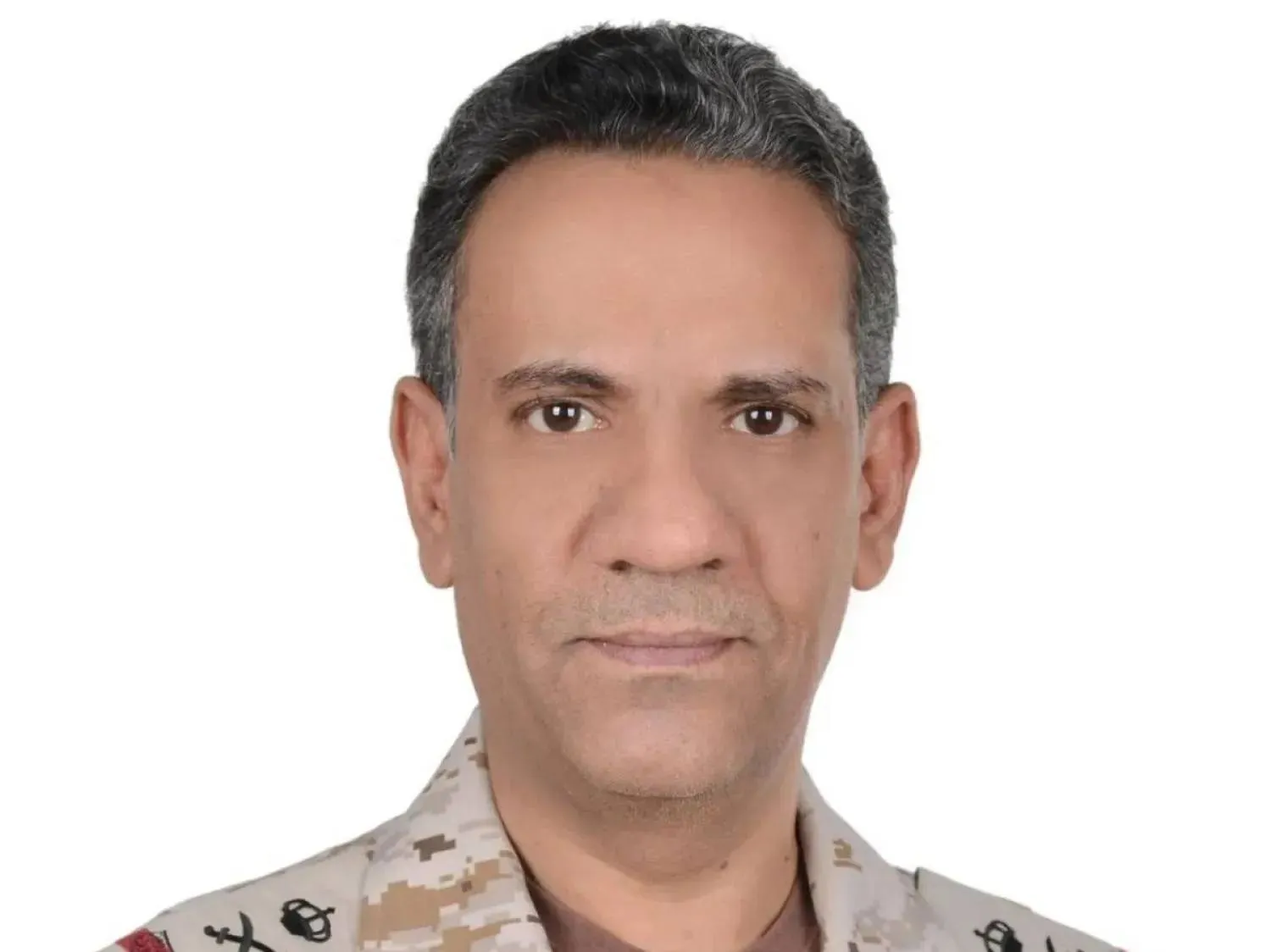
Official Spokesperson for the Coalition to Restore Legitimacy in Yemen Major General Turki Al-Malki (Asharq Al-Awsat)
TT

Saudi Arabia Intercepts Three Missiles Targeting Riyadh, Taif and Yanbu

Official Spokesperson for the Coalition to Restore Legitimacy in Yemen Major General Turki Al-Malki (Asharq Al-Awsat)

Official Spokesperson for the Coalition to Restore Legitimacy in Yemen Major General Turki Al-Malki announced early Saturday that Saudi air defenses had intercepted and destroyed a ballistic missile launched by the Houthi militia toward Riyadh.

Two other missiles targeting Taif and Yanbu were also intercepted, along with a drone that was intercepted and destroyed in the Eastern Province.

Meanwhile, Saudi Foreign Minister Prince Faisal bin Farhan and Pakistan's Deputy Prime Minister and Foreign Minister Mohammad Ishaq Dar reaffirmed their countries' commitment to supporting peace, security and stability in the region.

During a meeting on Friday on the sidelines of the Quad foreign ministers' meeting in Istanbul, Türkiye, the two officials discussed the latest regional developments, particularly the situation in Yemen.

In a related development, the coalition categorically denied allegations circulated by the Houthi militia claiming that Saudi Arabia had threatened to target tribal and civilian gatherings, describing them as "false claims with no basis in fact."

In a statement, Al-Malki said: "These allegations, both in their substance and timing, reflect continued attempts to mislead public opinion, divert attention from the militia's crises and practices, and drag Yemen's tribes into its conflicts."


Two Houthi Ballistic Missiles Intercepted Over Riyadh, Khamis Mushait

Major General Turki Al-Malki, spokesperson for the Coalition to Restore Legitimacy in Yemen (Asharq Al-Awsat)
TT

Two Houthi Ballistic Missiles Intercepted Over Riyadh, Khamis Mushait

Major General Turki Al-Malki, spokesperson for the Coalition to Restore Legitimacy in Yemen (Asharq Al-Awsat)

The Coalition to Support Legitimacy in Yemen announced that it intercepted and destroyed two ballistic missiles launched by the Houthi militia toward Riyadh and Khamis Mushait, along with two drones heading toward Saudi Arabia's southern region, on Friday.

The coalition also categorically denied claims circulated by the Houthi militia that Saudi Arabia had threatened to target tribal and civilian gatherings, describing them as "false allegations with no basis in fact."

In a statement Thursday, official spokesperson of the Coalition to Restore Legitimacy in Yemen Major General Turki Al-Malki said the allegations, both in their substance and timing, reflected continued attempts to mislead public opinion, divert attention from the militia's crises and practices, and drag Yemen's tribes into its conflicts.

The statement reaffirmed Saudi Arabia's unwavering commitment to Yemen's security and stability and its determination to preserve the historical and brotherly ties between the two peoples.

It emphasized that this commitment seeks to strengthen security and stability, safeguard the interests of both nations, and prevent Yemeni tribes from being exploited or drawn into conflicts that do not serve the Yemeni people's aspirations for security, peace and development.


King Salman, Crown Prince Offer Condolences over Fire Victims at Canadian Forces Base in Alberta

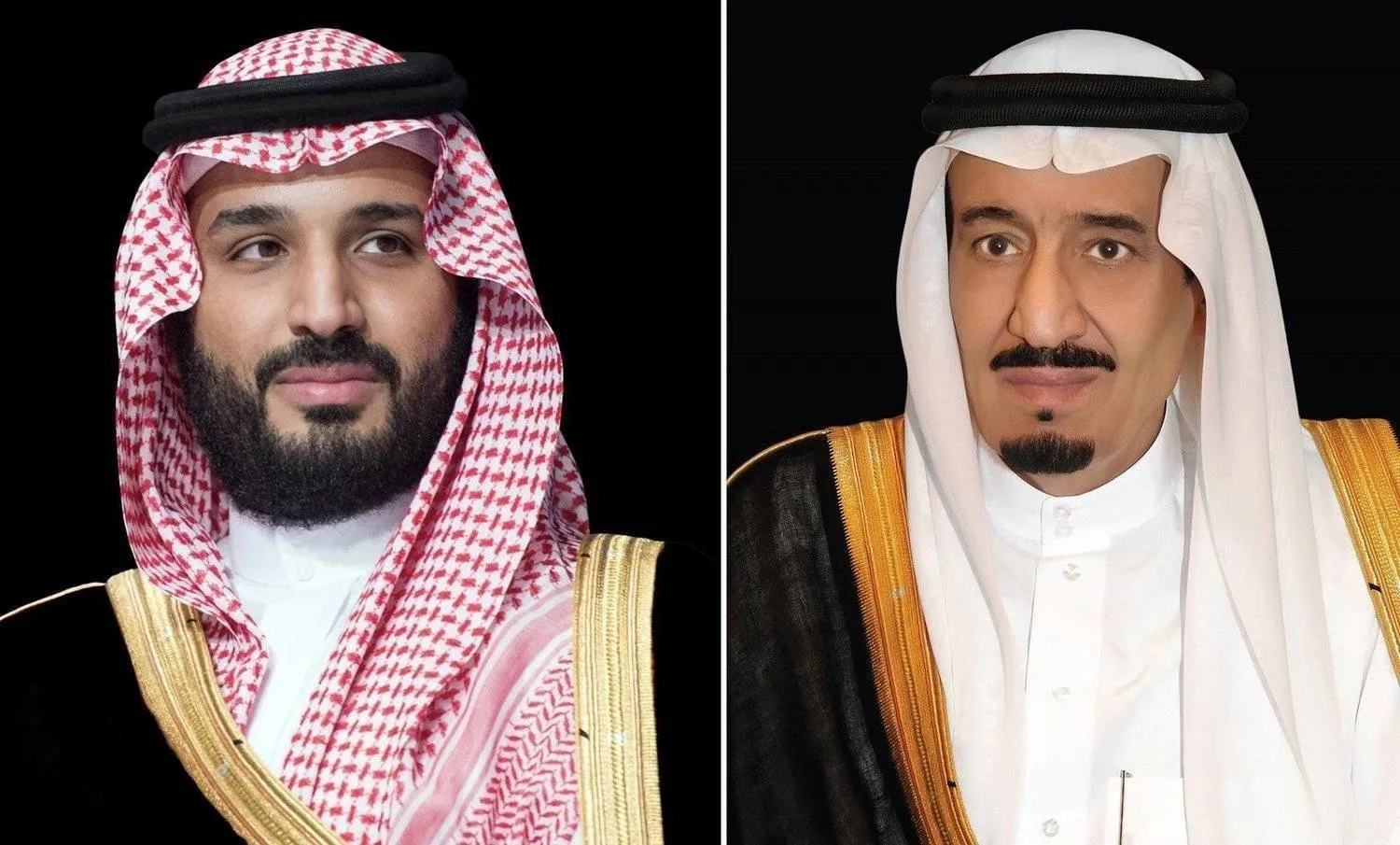
Custodian of the Two Holy Mosques King Salman bin Abdulaziz Al Saud and Prince Mohammed bin Salman bin Abdulaziz Al Saud, Crown Prince and Prime Minister. (SPA)
TT

King Salman, Crown Prince Offer Condolences over Fire Victims at Canadian Forces Base in Alberta

Custodian of the Two Holy Mosques King Salman bin Abdulaziz Al Saud and Prince Mohammed bin Salman bin Abdulaziz Al Saud, Crown Prince and Prime Minister. (SPA)

Custodian of the Two Holy Mosques King Salman bin Abdulaziz Al Saud sent a cable of condolences and sympathy to Governor General of Canada Louise Arbour over the victims of a fire at a Canadian Forces base in Alberta.

The Custodian of the Two Holy Mosques extended his deepest condolences and sincere sympathy to the governor general, the families of the deceased, and the friendly people of Canada, wishing the injured a speedy recovery.

For his part, Prince Mohammed bin Salman bin Abdulaziz Al Saud, Crown Prince and Prime Minister, has also sent a cable of condolences and sympathy to extend his deepest condolences and sincere sympathy to the governor general, the families of the deceased, and the friendly people of Canada, wishing the injured a speedy recovery.

The Crown Prince also sent a cable of condolences to Canadian Prime Minister Mark Carney.