
OPCW Investigating Chemical Weapons Attacks in Syria’s Ghouta

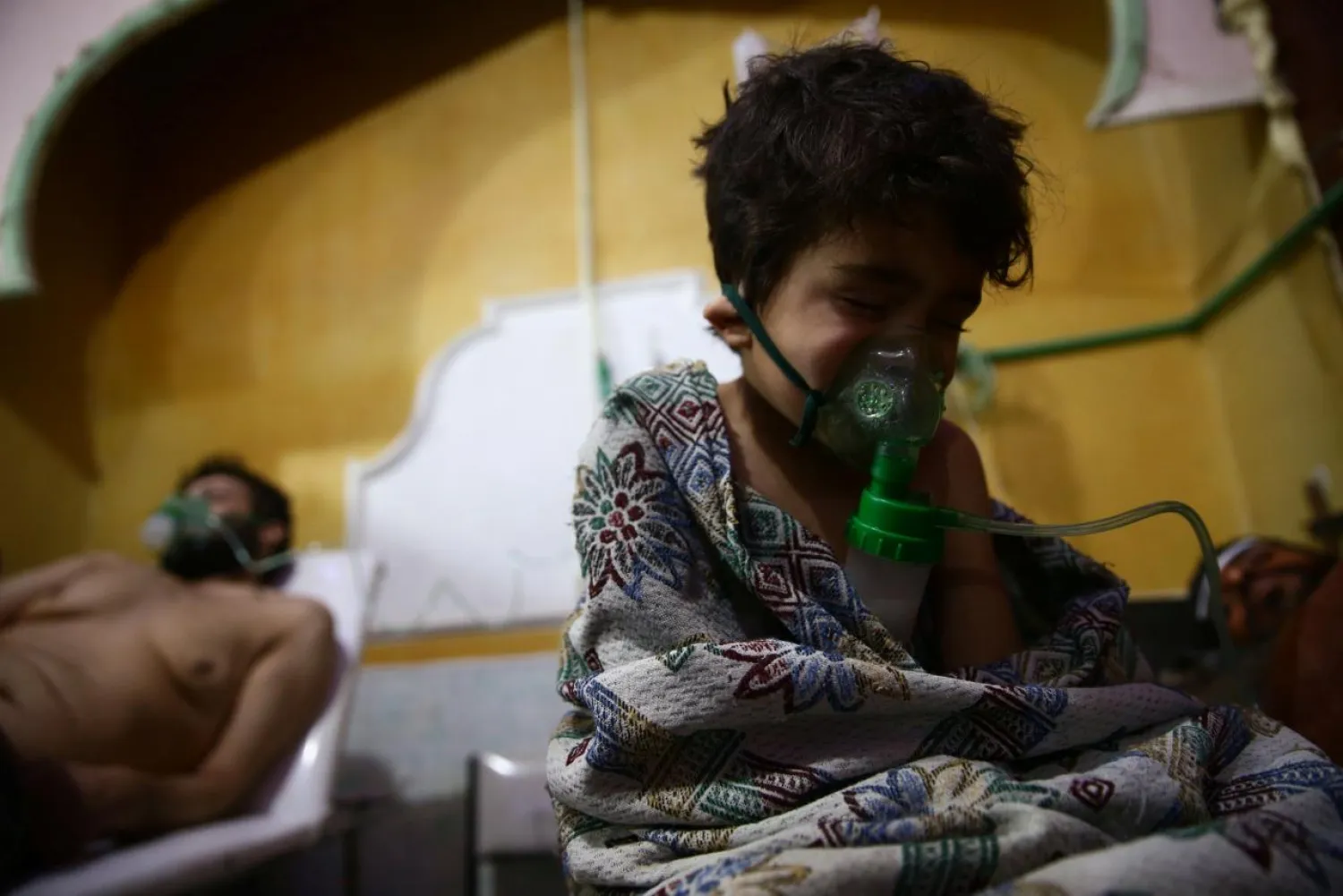
A child and a man are seen in hospital in the besieged town of Douma, Eastern Ghouta, Damascus, Syria February 25, 2018. (Reuters)
TT

OPCW Investigating Chemical Weapons Attacks in Syria’s Ghouta

A child and a man are seen in hospital in the besieged town of Douma, Eastern Ghouta, Damascus, Syria February 25, 2018. (Reuters)

The Hague-based Organization for the Prohibition of Chemical Weapons (OPCW) opened an investigation in recent chemical weapons attacks in rebel-held Eastern Ghouta near the Syrian capital, diplomatic sources told Reuters exclusively.

The OPCW launched the investigation on Sunday amid reports of the repeated use of chlorine bombs in Ghouta this month, they said,

Political leaders in France, the United States and United Kingdom said this month they would back targeted military action against Damascus if there were proof of chemical weapons use by the regime of Bashar Assad.

The investigation comes as Russia ordered the establishment of an evacuation corridor and five-hour daily truce to allow residents to leave Eastern Ghouta, where 400,000 people are living under siege and bombardment.

Among the attacks the OPCW's fact-finding team will examine is one on Sunday which local health authorities said killed a child and caused symptoms consistent with exposure to chlorine gas, the sources said.

The OPCW did not immediately respond to a request for comment.

The sources spoke on condition of anonymity because they were not permitted to discuss the operation in public.

Use of chlorine as a chemical weapons is prohibited under the 1997 Chemical Weapons Convention. If inhaled, chlorine gas turns into hydrochloric acid in the lungs and the build-up of fluids can drown victims.

The latest OPCW mission is seeking to determine whether chemical weapons were used in violation of the international weapons convention which Syria signed in 2013 after hundreds died in a massive sarin gas attack in Ghouta.

The OPCW will not assign blame.

The team does not intend to travel to Ghouta because of safety concerns - two previous visits by inspectors in 2013 and 2014 were ambushed - but will gather witness testimony, photographic and video evidence, and interview medical experts.

The United States fired 59 cruise missiles at Syria's Shayrat airbase in April, saying it had been used by Assad's forces to carry out a sarin attack on Khan Sheikhoun that killed more than 80 people, many of them women and children.

Syria and its close ally Russia, which provides military support to Assad's forces, deny using chemical weapons and blame insurgents.

A UN-OPCW Joint Investigative Mechanism, established by the United Nations to identify those responsible for chemical weapons attacks, concluded in 2016 that Syrian regime had used chlorine as a chemical weapon in three cases.

It concluded last year that the regime forces were also behind the sarin nerve agent attack on Khan Sheikhoun. A renewal of the mission's mandate was vetoed by Moscow at the UN Security Council.

The use of chemical weapons has become systematic in Syria's seven-year war, but political rifts between Western powers and Russia have hamstrung the United Nations and the OPCW, leaving them unable to act against violations of international law.

Earlier, British Foreign Secretary Boris Johnson said his country would consider joining US military strikes against the Syrian regime if there is evidence chemical weapons are being used against civilians.

He hoped Britain and other Western nations would not stand by in the event of a chemical attack, voicing support for limited strikes if there is "incontrovertible evidence" of the regime involvement.

"If we know that it has happened, and we can demonstrate it, and if there is a proposal for action where the UK could be useful then I think we should seriously consider it," Johnson told BBC radio.

"What we need to ask ourselves as a country and what we in the West need to ask ourselves, is can we allow the use of chemical weapons, the use of these illegal weapons to go unreproved, unchecked, unpunished," he added.

Britain is part of the US-led coalition involved in air attacks on ISIS in Syria and Iraq, but the government lost a parliamentary vote on the use of force against the regime in 2013.
Israel Orders Gaza Families to Move in First Forced Evacuation Since Ceasefire

A Palestinian girl walks past the rubble of houses destroyed in Israeli strikes during the war, in Khan Younis, southern Gaza Strip, January 17, 2026. (Reuters)
TT

Israel Orders Gaza Families to Move in First Forced Evacuation Since Ceasefire

A Palestinian girl walks past the rubble of houses destroyed in Israeli strikes during the war, in Khan Younis, southern Gaza Strip, January 17, 2026. (Reuters)

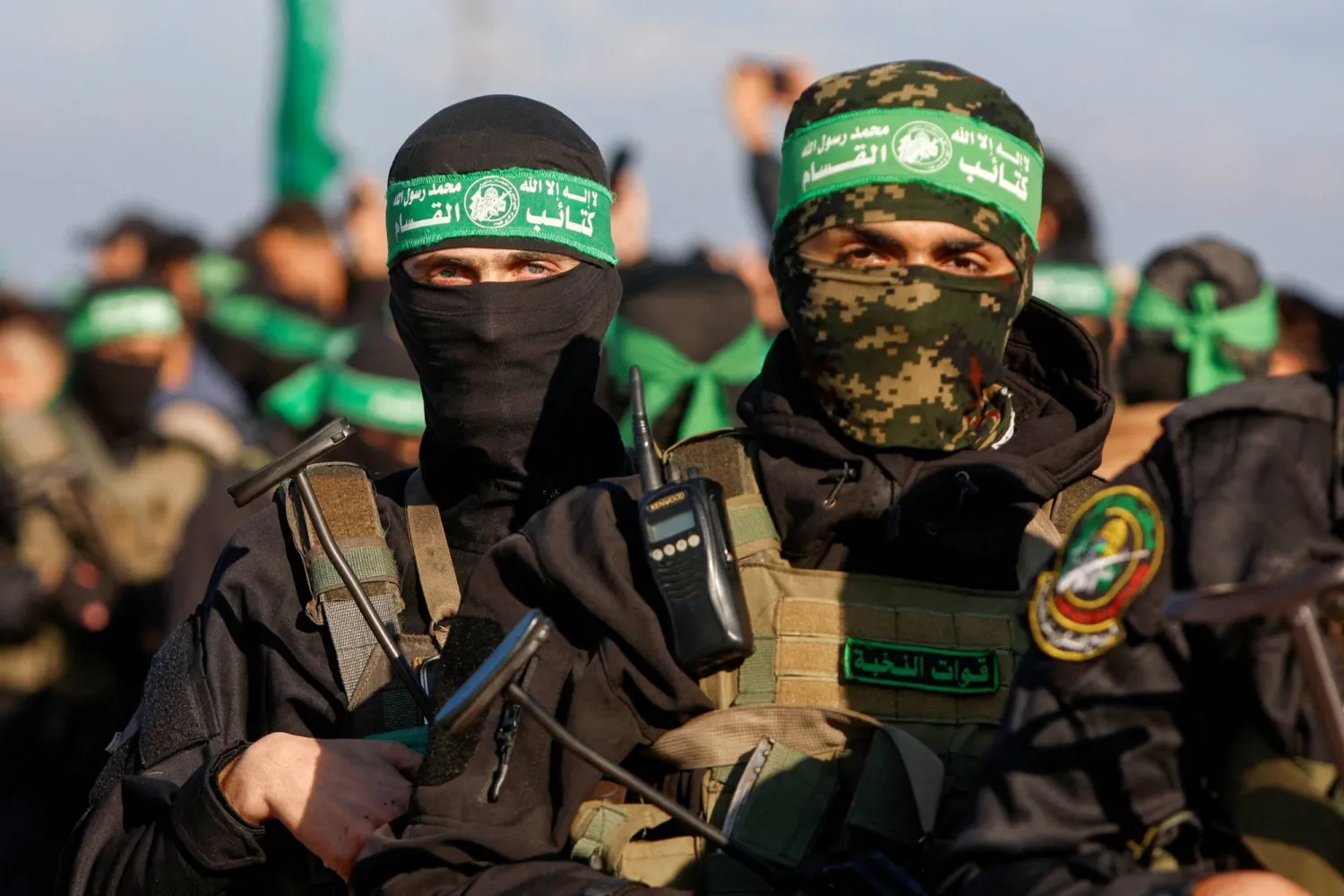
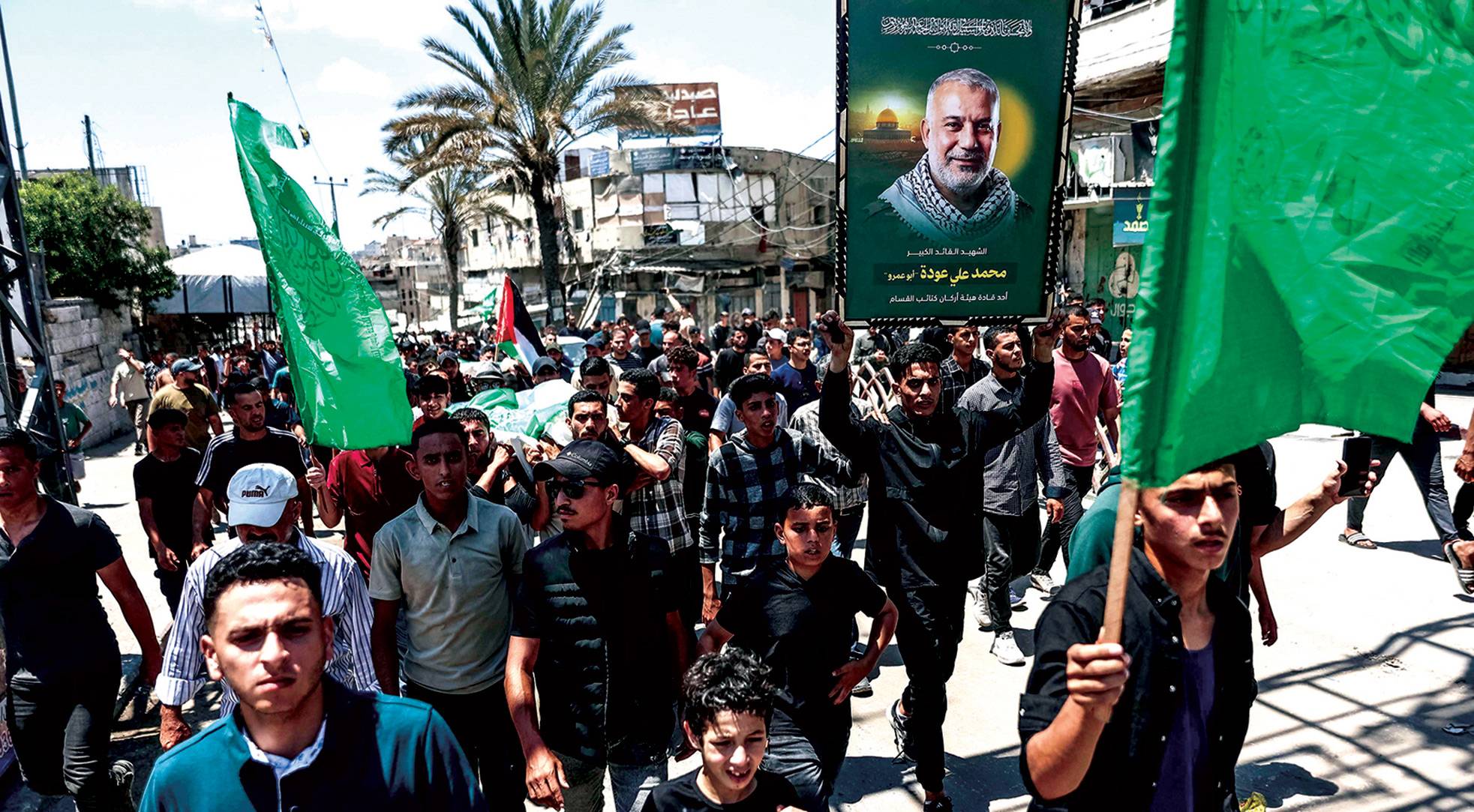
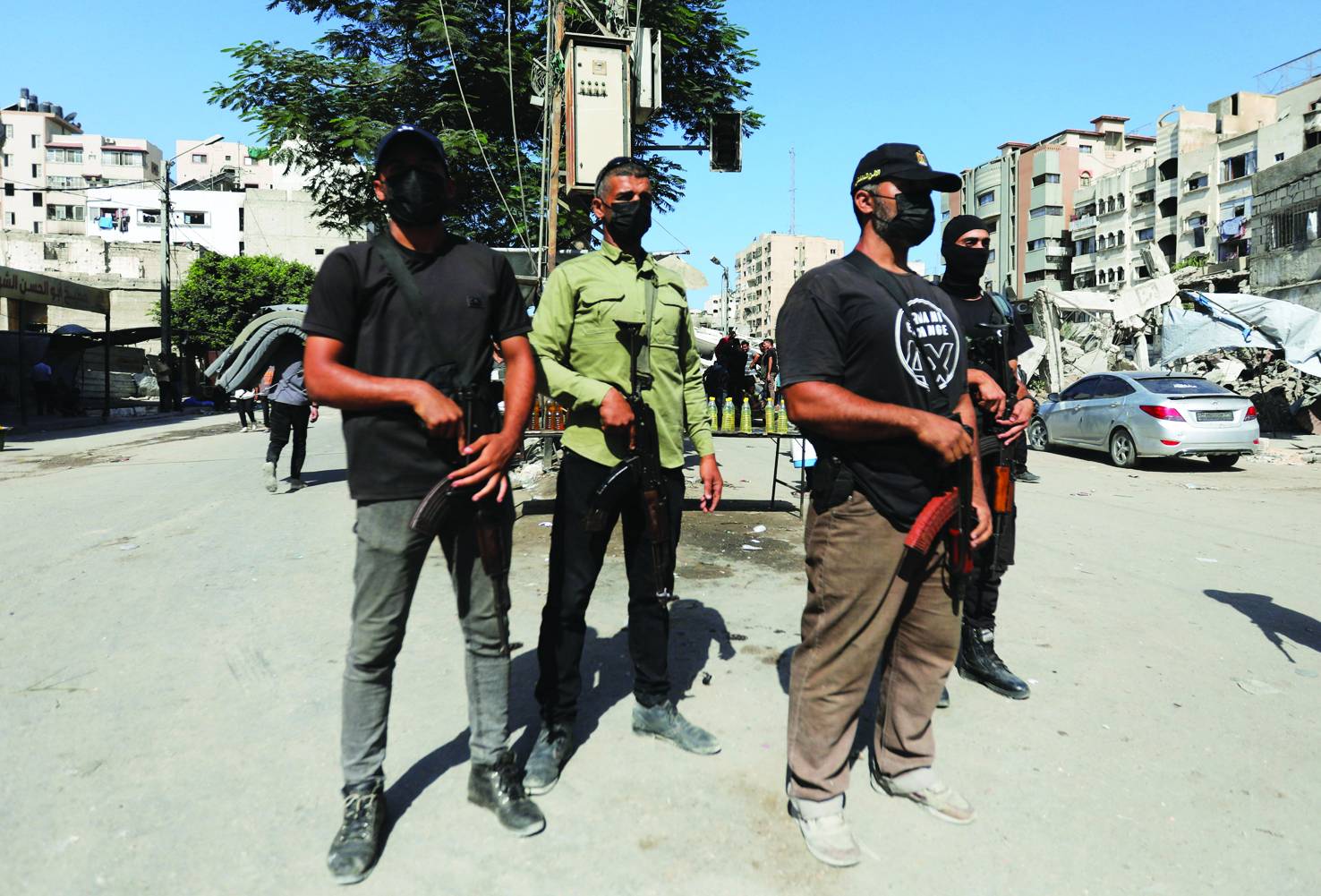
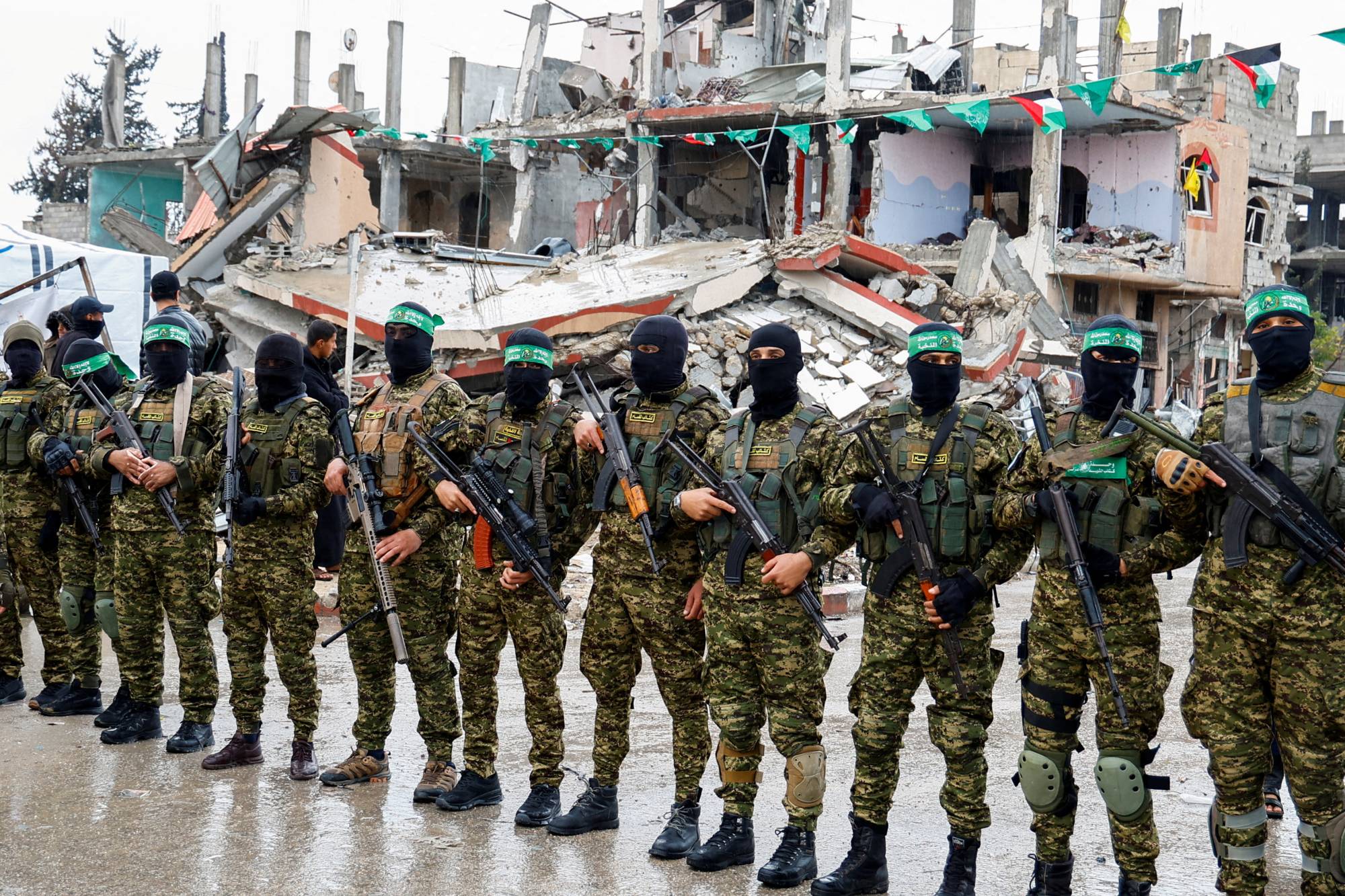
Israeli forces have ordered dozens of Palestinian families in the southern Gaza Strip to leave their homes in the first forced evacuation since October's ceasefire, as residents and Hamas said on Tuesday the military was ​expanding the area under its control.

Residents of Bani Suhaila, east of Khan Younis, said the leaflets were dropped on Monday on families living in tent encampments in the Al-Reqeb neighborhood.

“Urgent message. The area is under Israeli army control. You must evacuate immediately,” said the leaflets, written in Arabic, Hebrew, and English, which the army dropped over the Al-Reqeb neighborhood in the town of Bani Suhaila.

In the two-year war before the US brokered ceasefire was signed in October, Israel dropped leaflets over areas that were subsequently raided or bombarded, forcing some families to move several times.

Residents and a source from the Hamas group said this was the first time they had been ‌dropped since then. ‌The Israeli military did not immediately respond to a request for comment.

SIDES FAR ‌APART ⁠ON ​NEXT PHASES

The ‌ceasefire has not progressed beyond its first phase, under which major fighting has stopped, Israel withdrew from less than half of Gaza, and Hamas released hostages in return for Palestinian detainees and prisoners.

Virtually the entire population of more than 2 million people are confined to around a third of Gaza's territory, mostly in makeshift tents and damaged buildings, where life has resumed under control of an administration led by Hamas.

Israel and Hamas have accused each other of major breaches of the ceasefire and remain far apart on the more difficult steps planned for the next phase.

Mahmoud, a resident from the ⁠Bani Suhaila area, who asked not to give his family name, said the evacuation orders impacted at least 70 families, living in tents and homes, ‌some of which were partially damaged, in the area.

"We have fled ‍the area and relocated westward. It is maybe the ‍fourth or fifth time the occupation expanded the yellow line since last month," he told Reuters by phone ‍from Khan Younis, referring to the line behind which Israel has withdrawn.

"Each time they move it around 120 to 150 meters (yards) inside the Palestinian-controlled territory, swallowing more land," the father-of-three said.

HAMAS CITES STATE OF HUMANITARIAN DISRUPTION

Ismail Al-Thawabta, director of the Hamas-run Gaza government media office, said the Israeli military had expanded the area under its control in eastern Khan Younis five times since ​the ceasefire, forcing the displacement of at least 9,000 people.

“On Monday, 19 January 2026, the Israeli occupation forces dropped warning leaflets demanding the forced evacuation of the Bani Suhaila area in eastern ⁠Khan Younis Governorate, in a measure that falls within a policy of intimidation and pressure on civilians,” Thawabta told Reuters.

He said the new evacuation orders affected approximately 3,000 people.

“The move created a state of humanitarian disruption, increased pressure on the already limited shelter areas, and further deepened the internal displacement crisis in the governorate,” Thawabta added.

Israel's military has previously said it has opened fire after identifying what it called "terrorists" crossing the yellow line and approaching its troops, posing an immediate threat to them.

It has continued to conduct air strikes and targeted operations across Gaza. The Israeli military has said it views "with utmost severity" any attempts by militant groups in Gaza to attack Israel.

Under future phases of the ceasefire that have yet to be hammered out, US President Donald Trump's plan envisages Hamas disarming, Israel pulling out further, and an internationally backed administration rebuilding Gaza.

More than 460 Palestinians and three Israeli soldiers have been reported killed since the ceasefire took ‌effect.

Israel launched its operations in Gaza in the wake of an attack by Hamas-led fighters in October 2023 which killed 1,200 people, according to Israeli tallies. Israel's assault has killed 71,000 people, according to health authorities in the enclave.


Syrian Interior Ministry: 120 ISIS Members Escape from Prison amid Clashes

Civilians cross a collapsed bridge linking Raqqa with its western countryside of Tabqa, northern Syria, 19 January 2026. EPA/AHMAD FALLAHA
TT

Syrian Interior Ministry: 120 ISIS Members Escape from Prison amid Clashes

Civilians cross a collapsed bridge linking Raqqa with its western countryside of Tabqa, northern Syria, 19 January 2026. EPA/AHMAD FALLAHA

Syria's ministry of interior said Tuesday that 120 ISIS members escaped from a prison in northeast Syria a day earlier, amid clashes between government forces and the Kurdish-led Syrian Democratic Forces, which guards the prison.

Security forces recaptured 81 of the escapees, “while intensive security efforts continue to pursue the remaining fugitives and take the necessary legal measures against them,” The Associated Press quoted the statement as saying.

The SDF and the government have traded blame over the escape at a prison in the town of Shaddadeh, amid the breakdown of a ceasefire deal between the two sides.

Also Tuesday, the SDF accused “Damascus-affiliated factions” of cutting off water supplies to the al-Aqtan prison near the city of Raqqa, which it called a “blatant violation of humanitarian standards.”

The SDF, the main US-backed force that fought ISIS in Syria, controls more than a dozen prisons in the northeast where some 9,000 ISIS members have been held for years without trial.

Under a deal announced Sunday, government forces were to take over control of the prisons from the SDF, but the transfer did not go smoothly.

On Monday, Syrian government forces and SDF fighters clashed around two prisons housing members of ISIS in Syria’s northeast.

The clashes came as SDF chief commander Mazloum Abdi was said to be in Damascus to attempt to solidify a ceasefire deal reached Sunday that ended days of deadly fighting during which government forces captured wide areas of northeast Syria from the SDF.

Abdi issued no statement after the meeting and the SDF later issued a statement calling for “all of our youth” to “join the ranks of the resistance," appearing to signal that the deal had fallen apart.

Interim President Ahmad al-Sharaa postponed a planned trip to Germany Tuesday amid the ongoing tensions in northeast Syria.


Egypt’s Sisi to Meet Trump on the Sidelines of Davos, Presidency Says

US President Donald Trump and Egyptian President Abdel Fattah al-Sisi meet ahead of a world leaders' summit on ending the Gaza war, amid a US-brokered prisoner-hostage swap and ceasefire deal between Israel and Hamas, in Sharm el-Sheikh, Egypt, October 13, 2025. (Reuters)
TT

Egypt’s Sisi to Meet Trump on the Sidelines of Davos, Presidency Says

US President Donald Trump and Egyptian President Abdel Fattah al-Sisi meet ahead of a world leaders' summit on ending the Gaza war, amid a US-brokered prisoner-hostage swap and ceasefire deal between Israel and Hamas, in Sharm el-Sheikh, Egypt, October 13, 2025. (Reuters)

Egypt's President Abdel ​Fattah al-Sisi will meet US President Donald Trump on the sidelines of the World Economic Forum in Davos, Egypt's presidency said on Tuesday.

This ‌will be ‌the first ‌meeting ⁠between ​the ‌two leaders since the US announced it was launching the second phase of its plan to end the war in Gaza.

Sisi and ⁠Trump met in the ‌Red Sea resort ‍of Sharm ‍el-Sheikh in October during a ‍summit convened by Egypt to sign a ceasefire deal aimed at ending the ​war.

On Friday, Trump said that he was also ⁠ready to restart US mediation between Egypt and Ethiopia to resolve the dispute over an Ethiopian dam, which both Egypt and Sudan consider a serious threat to vital water supplies.