


Iran Trains Two Saudis to Target Oil Pipelines

TT

Iran Trains Two Saudis to Target Oil Pipelines

The Specialized Criminal Court (SCC) in Riyadh issued a preliminary imprisonment sentences against two Saudis for planning terrorist acts that target oil pipelines in the western part of the Kingdom.

The court sentenced the first man to 25 years in prison and the second one to 22 years after they were found guilty of joining the terrorist organization of Iraqi Kata’ib Hezbollah and its military camps in Iran and Iraq.

The two citizens were found guilty of training in the use of weapons, explosives and grenades to carry out terrorist acts in the Kingdom to destabilize national security and create chaos.

The perpetrators sought to dismantle the unity of the Kingdom and waste its capabilities, in accordance with the directives of Iraqi Hezbollah officials and their willingness to carry out terrorist acts inside Saudi Arabia.

They were caught communicating with a man in Iran on social media and providing him with information on the oil pipelines linking Abqaiq and Yanbu.

One person in Iran supported one of the accused by providing him with money to facilitate his visit to Tehran and secure his transportation there, in order for him to join training camps in the country, aiming at destabilizing Saudi Arabia.

SCC sentenced the first man to 25 years in prison, seized his mobile phone and banned him from traveling for 25 years after he finishes his sentence.

It sentenced the second man to 22 years in prison, seized his two mobile phones and banned him from traveling for 22 years after he finishes his sentence.

Kata’ib Hezbollah was established in 2007 to resist the US occupation back then.

Its role is similar to that of Hezbollah in Lebanon and has been influenced by its style of action. It also believes in the rule of the Guardianship of the Islamic Jurist in Iran.

Iran has been hosting a number of terrorist commanders, who were involved in attacks against the eastern city of al-Khobar in 1996, bombings in eastern Riyadh in 2003 as well as sabotage operations targeting Saudi Arabia, Bahrain, Syria, Iraq, Yemen and Afghanistan.

Saudi Arabia has earlier arrested Saudis who formed a spy cell for Iran and contacted Iranian leaders to target Saudi Arabia's security and economy, following direct contacts with the mission of the Iranian embassy in Riyadh, its consulate in Jeddah and its delegate to the Organization of Islamic Cooperation.

Iran has helped the Houthi militias to overthrow the legitimacy of the Yemeni government by providing them with weapons to control the country's outskirts and continue to smuggle weapons and ballistic missiles to the rebels.
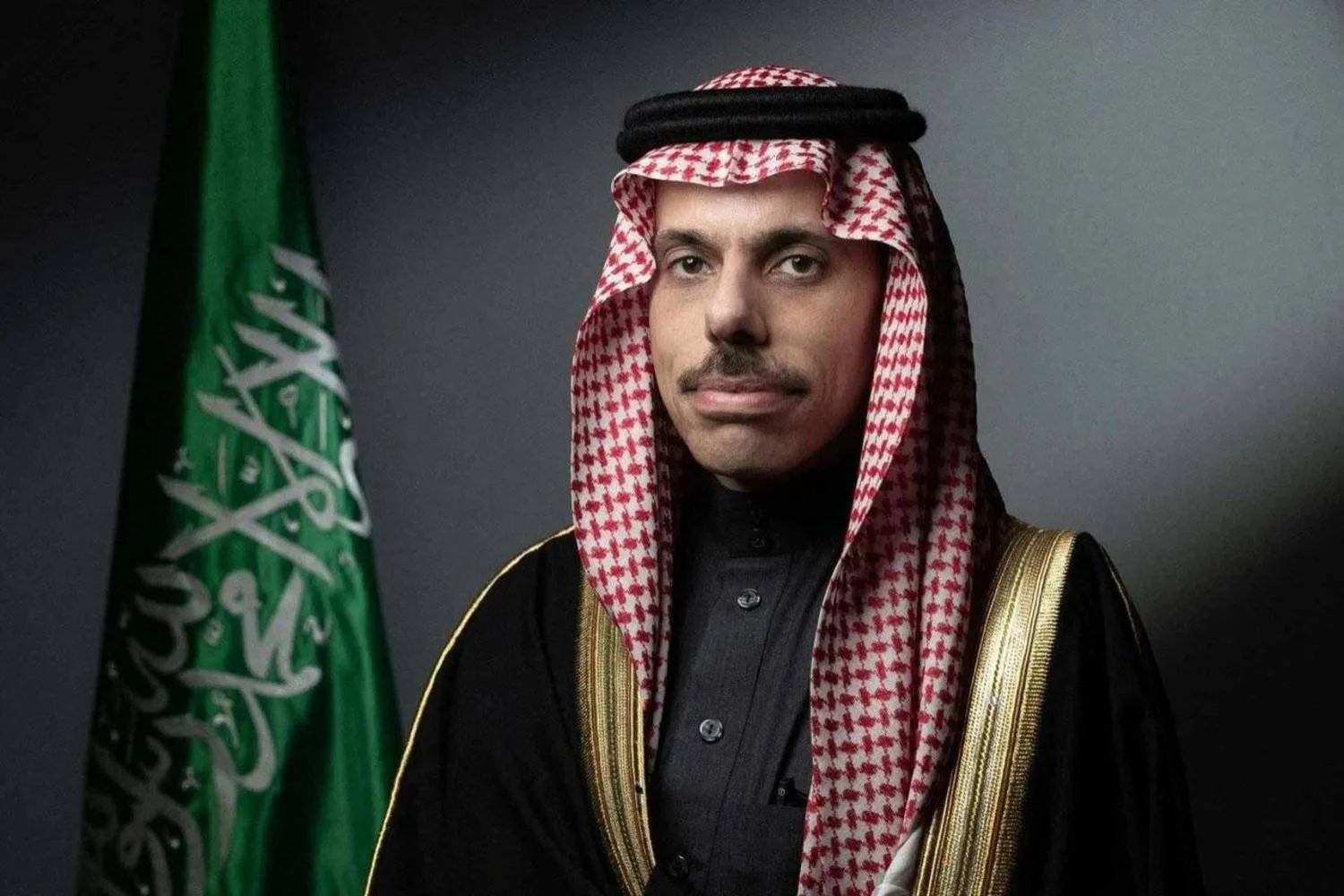



Saudi FM, Lebanese Speaker Discuss Efforts Aimed at Stopping Israeli Attacks

Saudi Minister of Foreign Affairs Prince Faisal bin Farhan bin Abdullah
TT

Saudi FM, Lebanese Speaker Discuss Efforts Aimed at Stopping Israeli Attacks

Saudi Minister of Foreign Affairs Prince Faisal bin Farhan bin Abdullah

Saudi Minister of Foreign Affairs Prince Faisal bin Farhan bin Abdullah held on Thursday a telephone call with Lebanese Parliament Speaker Nabih Berri.

During the call, Prince Faisal and Berri discussed the latest developments in Lebanon and diplomatic efforts aimed at achieving a cessation of hostilities and an end to Israeli attacks.

The Saudi FM reiterated the Kingdom’s support for the stability of Lebanon and to strengthening its state institutions.

Berri praised the Kingdom’s role and its continuous efforts in supporting Lebanon’s security and the broader stability of the region.

He also stressed Lebanon’s commitment to the Taif Agreement and its rejection of any actions that threaten Saudi Arabia’s security.


Saudi Foreign Minister, Cuban Counterpart Discuss Latest Developments in Middle East

Saudi Minister of Foreign Affairs Prince Faisal bin Farhan bin Abdullah/File Photo
TT

Saudi Foreign Minister, Cuban Counterpart Discuss Latest Developments in Middle East

Saudi Minister of Foreign Affairs Prince Faisal bin Farhan bin Abdullah/File Photo

Saudi Minister of Foreign Affairs Prince Faisal bin Farhan bin Abdullah received a phone call Thursday from Minister of Foreign Affairs of the Republic of Cuba Bruno Rodríguez Parrilla, SPA reported.

During the call, they reviewed the latest developments in the Middle East, in addition to discussing a number of topics and mutual interest.


Saudi Arabia Secures Leading Rankings in Global Entrepreneurship Monitor Report

The Saudi flag. Photo: Asharq Al-Awsat
TT

Saudi Arabia Secures Leading Rankings in Global Entrepreneurship Monitor Report

The Saudi flag. Photo: Asharq Al-Awsat

Saudi Arabia has secured top global rankings in the Global Entrepreneurship Monitor (GEM) 2025–2026 report, reflecting a highly competitive environment and reinforcing its position as a premier global hub for entrepreneurship.

The Kingdom led all high-income economies in Entrepreneurial Finance, highlighting the efficiency of its financing tools for small and medium-sized enterprises (SMEs). Additionally, Saudi Arabia ranked third globally in the National Entrepreneurship Context Index (NECI), cementing its status as an elite destination for entrepreneurial investment and growth, SPA reported.

Total early-stage Entrepreneurial Activity (TEA) has seen rapid expansion, jumping from 12.1% in 2018 to 28.9% in 2025. Similarly, entrepreneurial intentions nearly doubled, rising from 26.8% to 48.5% over the same period.

This growth is mirrored in the academic sector, where the Kingdom climbed from 53rd to seventh place globally in university-based entrepreneurship.

These milestones result from integrated efforts between government entities like the Small and Medium Enterprises General Authority (Monsha'at), the private sector, and academic institutions.