


Saudi Arabia Works on Humanizing Its Cities

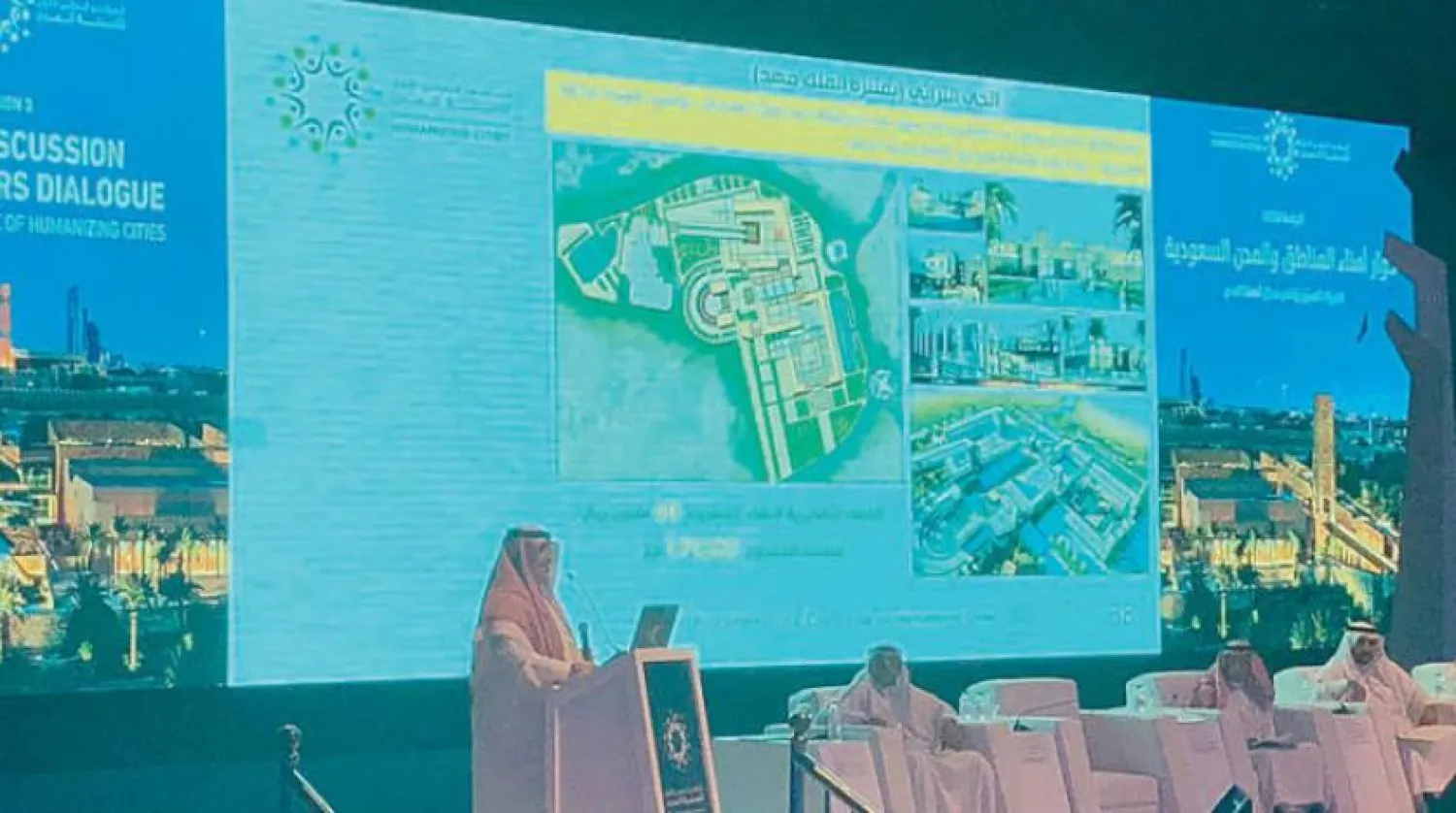
Humanization Program Conference in Taibah University (Asharq Al-Awsat)
TT

Saudi Arabia Works on Humanizing Its Cities

Humanization Program Conference in Taibah University (Asharq Al-Awsat)

Saudi Arabia's Ministry of Economy and Planning (MEP) is working to implement the goals of Vision 2030 to humanize Saudi cities by identifying the competitive advantage of each region and aligning them with the goals of the vision and applying them effectively.

MEP's Undersecretary Hamad al-Wahaibi indicated that the role of the Ministry is no longer planning as it was since the seventies, but has become a focus on the competitive advantage enjoyed by all regions and cities of Saudi Arabia, and benefit from it in tourism, industry, smart cities and others.

Speaking on the sidelines of the first day of Humanization Program Conference, held at the University of Taibah in Madinah, Wahaibi said that Vision 2030 has identified 12 urbanization programs focusing on improving the quality of services, focusing on the needs of the regions and highlighting their competitive advantage.

The Undersecretary indicated that each region has its own advantage, whether agricultural, touristic, industrial, or smart cities.

"The results of achieving the Vision will reveal their impact in the regions," he stated, adding that to ensure the achievement of the objectives, a permanent seat for a representative of the Ministry has been allocated in all these programs.

"We live in an extraordinary time, certainly one of the unprecedented challenges," Michael Mihavi, Director of the Future Public Spaces Network in Stockholm and Executive Director of Sustainability, Stockholm.

"Urban science is a new science that has been created to push heritage and cultural cities, human capabilities, and the challenges we face, including technologies, cultures, terrorism, and environmental and economic problems," said Mihavi.

Cities create new opportunities and raise the quality of cultural and heritage services, but there is the problem of few sources, population explosion and lack of services, Mihavi explained, adding that economic and environmental factors in cities must be addressed.

Mihavi warned that the exclusion of part of the population is very dangerous, calling for the need to take advantage of public places.

Asked if cities should be "smart", Mihavi announced: "I think if we use smart cities, it will be an addition to what we are doing now. What we need to know is that there is room to introduce technology, and to redefine smart cities, and what they are based on. There are opportunities to introduce this, but there is a great danger in market strategy that can affect it."

For his part, secretary of Baha Region Ali al-Sawwat pointed out that visual deterioration has occurred for some time due to the rapid growth of development. This is not only in Saudi Arabia, but in all cities of the world because of the network planning that did not take into consideration urban planning.

"In the municipal sector, we did not focus on the citizen who is the center of development. We have concrete cities, which increased the isolation of the people" asserted Sawwat.

The Undersecretary affirmed that Saudi cities have a great responsibility to improve human life in the cities. "We caused visual pollution. We are working on three phases to address the visual pollution in the cities. The first phase is cleaning urban facades in cities, re-modeling the visual formation of the cities, and working to sustain urban life," he added.

Saleh al-Hathlul, former Undersecretary of the Ministry of Municipal Affairs, defended the ministry saying those who distort the cities are their residents.

"We need to work together with the general public. There should be an orientation for ministries to participate in community planning," he concluded.



Makkah Deputy Governor Carries Out Field Inspection of Grand Mosque Readiness for Ramadan 

Deputy Governor of the Makkah Region Prince Saud bin Mishaal bin Abdulaziz is seen during his inspection tour at the Grand Mosque in the holy city of Makkah. (SPA)
TT

Makkah Deputy Governor Carries Out Field Inspection of Grand Mosque Readiness for Ramadan 

Deputy Governor of the Makkah Region Prince Saud bin Mishaal bin Abdulaziz is seen during his inspection tour at the Grand Mosque in the holy city of Makkah. (SPA)

Deputy Governor of the Makkah Region Prince Saud bin Mishaal bin Abdulaziz inspected the readiness of the Grand Mosque and its facilities, conducting a field tour to review operational and service preparations for receiving worshippers and Umrah performers during the holy month of Ramadan, reported the Saudi Press Agency on Tuesday.

Prince Saud was briefed on the operational plans implemented by the relevant authorities, including crowd management mechanisms, service enhancements, and facility preparations aimed at ensuring smooth movement and enhancing comfort and safety levels for visitors to the Grand Mosque, particularly during peak times.

He reviewed developmental initiatives and smart services supporting the operational system, notably electric mobility carts for transporting the elderly, persons with disabilities, and those in need of assistance within the Grand Mosque.

The tour also included an overview of the efforts of guidance teams deployed across the corridors and courtyards of the Grand Mosque, providing multilingual assistance and direction.

Prince Saud reviewed the interactive map and digital mobility platform, which allows visitors to plan their routes in advance and identify service locations, entrances and exits, and less crowded pathways.

He was briefed on crowd management systems, including the visitor density sensor platform that measures human density in real time, and the Tawaf and Sa’i crowd status display service, which allows worshippers to select appropriate times to perform rituals with ease. Models of the modern multilingual guidance system were also reviewed.

Prince Saud also visited the Smart Engineering Command and Control Center, which serves as an advanced central platform linking operational systems and monitoring performance in real time, boosting operational efficiency and raising readiness levels during Ramadan.


Saudi Leadership Provides Two Donations Worth SAR150 Mln Through Jood Eskan Platform

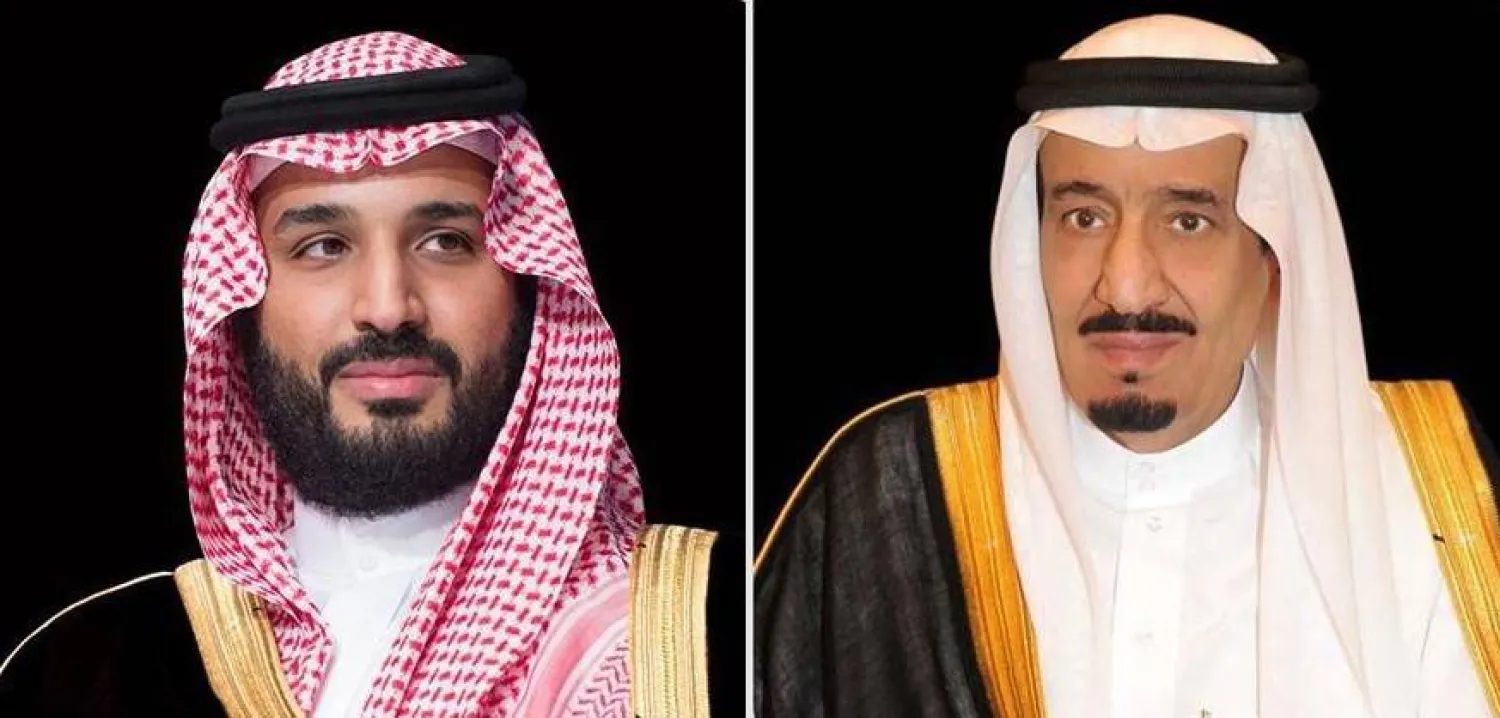
Custodian of the Two Holy Mosques King Salman bin Abdulaziz Al Saud and Prince Mohammed bin Salman bin Abdulaziz Al Saud, Crown Prince and Prime Minister. (SPA)
TT

Saudi Leadership Provides Two Donations Worth SAR150 Mln Through Jood Eskan Platform

Custodian of the Two Holy Mosques King Salman bin Abdulaziz Al Saud and Prince Mohammed bin Salman bin Abdulaziz Al Saud, Crown Prince and Prime Minister. (SPA)

Custodian of the Two Holy Mosques King Salman bin Abdulaziz Al Saud and Prince Mohammed bin Salman bin Abdulaziz Al Saud, Crown Prince and Prime Minister, have provided two generous donations amounting to SAR150 million through the Jood Eskan platform.

The move aligns with the leadership's commitment to supporting all national efforts and initiatives to provide suitable housing for deserving families.

Minister of Municipalities and Housing and Chairman of the Board of Trustees of the Developmental Housing Foundation (Sakan) Majed Al-Hogail expressed his deep gratitude to the leadership for its unwavering support to all national efforts and initiatives aimed at providing suitable housing for eligible families across the Kingdom.

He noted the effective impact of previous generous donations in achieving the goals of housing development, and motivating individuals and institutions to donate through the Jood Eskan platform that is based on community giving that helps provide decent housing and boosts stability and quality of life for deserving families.


Saudi Crown Prince Receives Message on Bilateral Ties from President of Kazakhstan

Prince Mohammed bin Salman bin Abdulaziz Al Saud, Saudi Crown Prince and Prime Minister. (SPA file)
TT

Saudi Crown Prince Receives Message on Bilateral Ties from President of Kazakhstan

Prince Mohammed bin Salman bin Abdulaziz Al Saud, Saudi Crown Prince and Prime Minister. (SPA file)

Prince Mohammed bin Salman bin Abdulaziz Al Saud, Saudi Crown Prince and Prime Minister, received on Tuesday a written message from President of Kazakhstan Kassym-Jomart Tokayev on bilateral relations between their two countries.

The message was received by Minister of Foreign Affairs Prince Faisal bin Farhan bin Abdullah during a meeting with his Kazakh counterpart Yermek Kosherbayev in Riyadh.