




General People's Congress (GPC) party political activist Mohammed al-Absi, similar to many Yemenis, waits for the Iran-backed Houthi coup in Yemen to end, saying it has been a nightmare for Yemen.
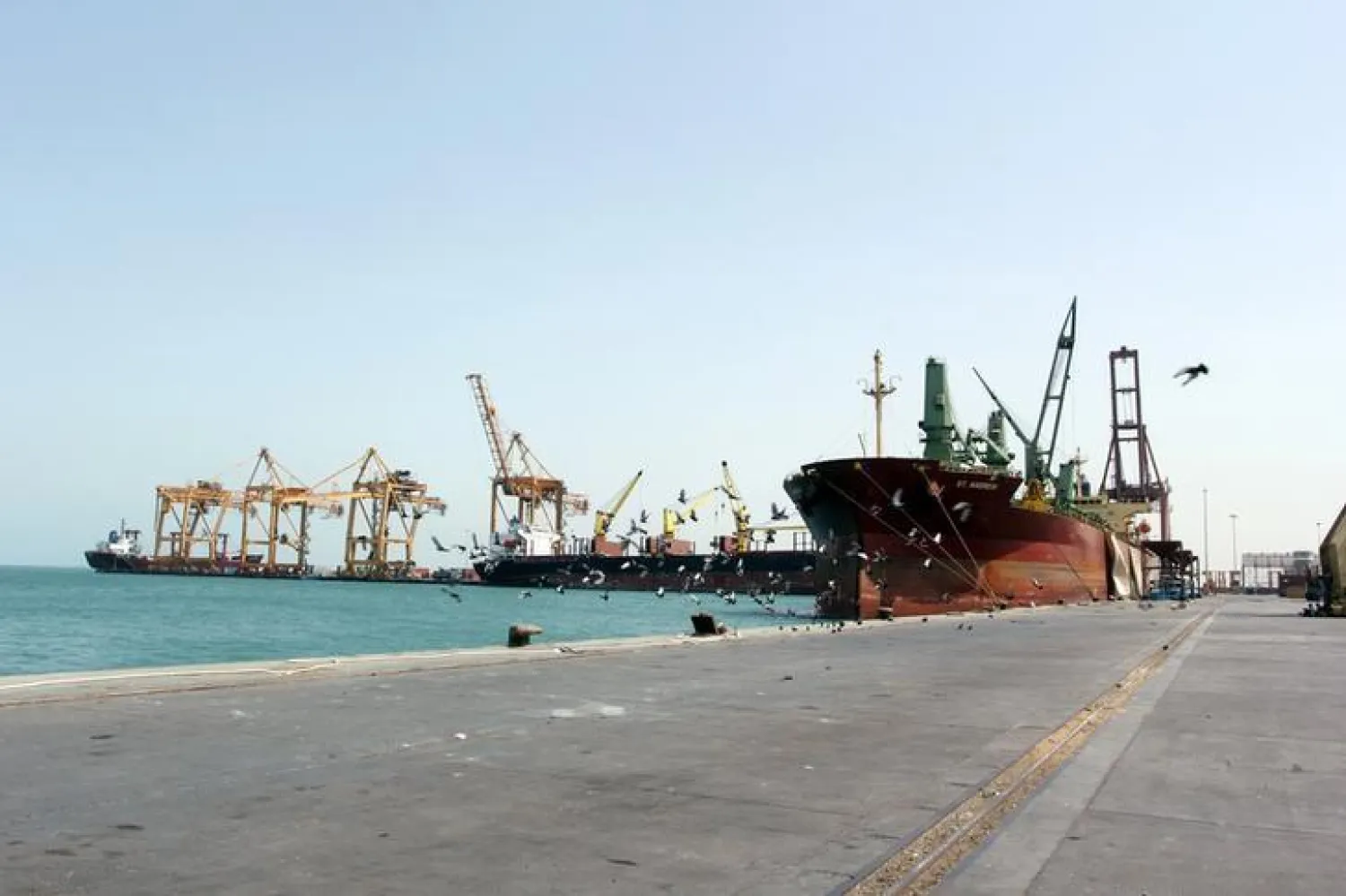
Absi does not hide his displeasure at Western pressure seeking to halt military operations in Hodeidah, a key Red Sea port city overrun by Houthi militias.
Stopping national army operations in Hodeidah, which were reported to soon restore government control over the city, sparked a nationwide controversy in Yemen.
“Britain has intervened twice since the start of the battle to liberate the West Coast six months ago, giving Houthis the chance to regroup, dig trenches and build networks in residential neighborhoods,” Abssi said.
“Does the UK want to impose its own agenda without taking into account the scale of losses suffered by the Yemenis,” he said expressing anger towards bringing the battles in Hodeidah to a screeching halt despite victory against the Iran-aligned militia being so close amid reports of their fighters disbanding formations faster than what was expected.
Nevertheless, Western calls were based on humanitarian concerns for mounting civilian casualties of ongoing clashes, as well as concern about the destruction of the infrastructure of the port of Hodeidah.
Yemeni politicians and activists told Asharq Al-Awsat that they are concerned halting operations abruptly against Houthi-controlled areas means prolonging the war and giving the pro-Iranian group an opportunity reassemble and bring in reinforcements to many fronts.
Activists also criticized placing pressure on the Aden-based government and the Arab Coalition in light of missing guarantees that ensure Houthis commit to peace efforts, abandon Tehran's agenda, and comply with international resolutions such as UN Security Council Resolution 2216.
“When coup fighters prepared to storm the capital, Sanaa, there was a defening silence from the international community. No one warned the coup against its aggression-- instead embassies were evacuated and Yemenis were left to their fate,” Political analyst Abdul Aziz al-Majidi said while accusing Western countries of having double standards when addressing the Yemeni warring parties.
For his part, Yemeni political and media activist Abdullah Doubla admits that pressure “may serve Houthis well in delaying military defeat, but it will not stop the war-- the fundamental motives behind the war is Houthi militia’s paramilitary armament.”
Political analyst and writer Faris al-Bel warned against the international community working to impose a settlement which will “ensure the armed survival of the Houthi militias in Yemen and as a sectarian dimension and a minority.”


