


EU Member States Call For Labeling Origin of Imported Honey

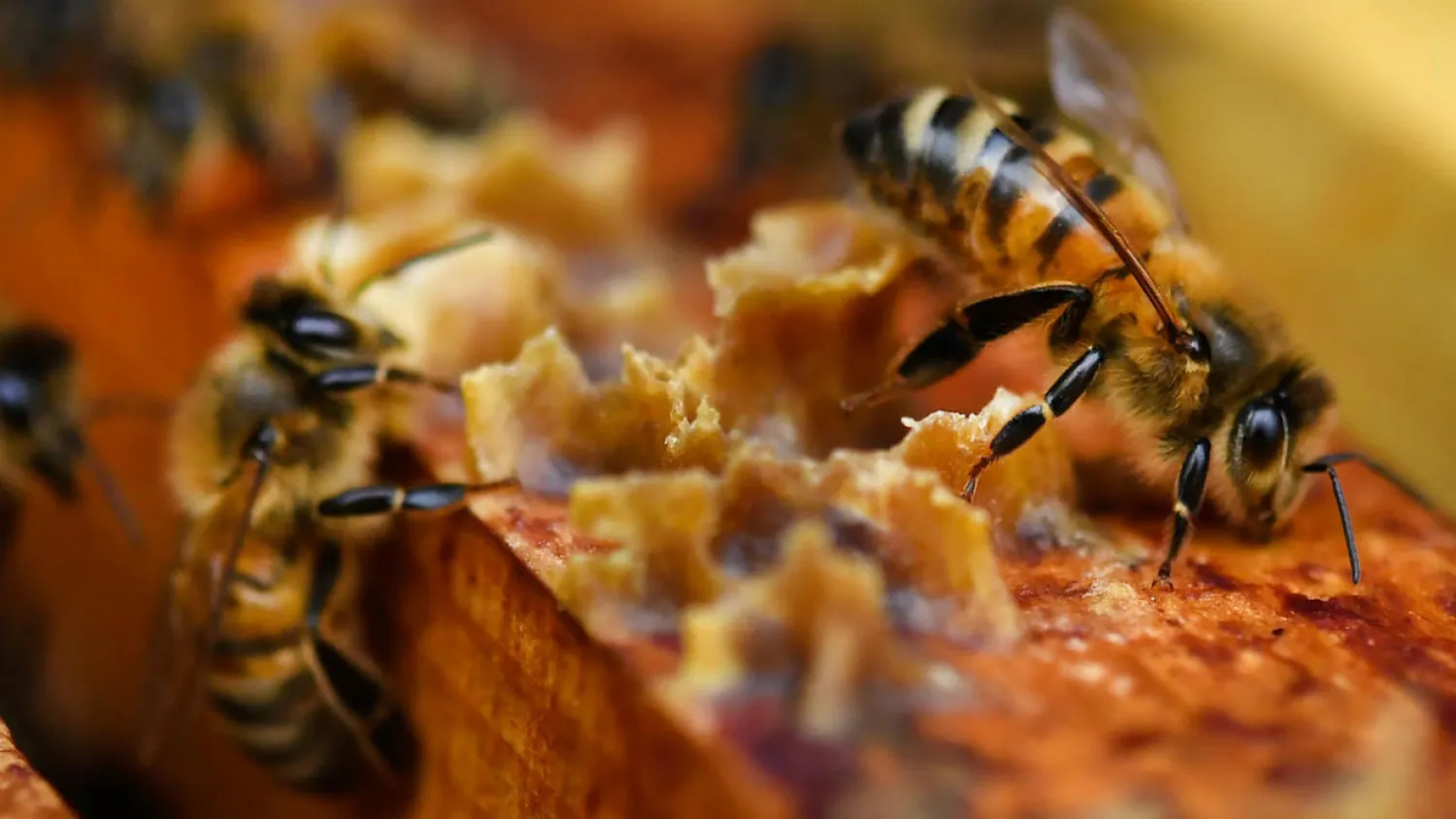
Fred Tanneau, AFP | Bees on honey frames in Ploerdut, western France.
TT

EU Member States Call For Labeling Origin of Imported Honey

Fred Tanneau, AFP | Bees on honey frames in Ploerdut, western France.

To protects European beekeepers from cheap honey competition, 16 EU member states have suggested labeling the honey imported from outside Europe. German Minister for Food and Agriculture Julia Klöckner supported the initiative in Brussels, on Monday. The proposal comes amid a remarkable contrast between the prices of European honey and imported honey.

The proposal made by the 16 members of the European Commission stated that Honey products imported from outside Europe are much less expensive than European honey.

"Because of the high production costs of local honey, manufacturers are almost unable to compete with the imported products. In return, European producers are keen to respect the standards of quality and environment protection," the proposal read.

So far, honey importers have labeled the products made from a mix of European and imported honey (from China for example). Sellers of mixed honey also are also obliged to note that their honey "is a mix of both European and imported honey."

Theoretically, small amounts of European honey could be mixed with a large amount of imported honey, and the taste won't be affected.

The 16 countries are calling on the European Commission to prepare a proposal for clearer indications on honey sources.

Last year was the worst for many European beekeepers, particularly in France and Italy, where unpredictable weather produced the lowest honey harvests ever.

Italy's main agricultural union Coldiretti said 2019 has been a "black year", with the harvest almost halved compared with 2018.

In France, the harvest was "the worst on record", according to the National Union of French Beekeeping (UNAF), with "fewer than 9,000 tons" — almost a quarter of the crop harvested in the 1990s.

Romania was the European honey "champion" in 2018, with some 30,000 tons. But in 2019 the country's production dropped below its recent yearly average, the ROMAPIS association told AFP.

And in Spain, the leading country in terms of number of hives, the harvest has been poor since 2015, with a drop of 5.2 percent in 2017 and a 2018 season which was "not up to expectations", according to the country's agriculture ministry.

January to early September saw over 1,000 extreme weather events in Italy (up over 56 percent on 2018), including hail, storms and heat waves, Coldiretti said. In France, spring was curtailed by a sudden cold snap, followed by a heat wave at the end of June.

In some areas of southern France, the heat melted the wax in the hives, and trapped the bees, UNAF said.

In Romania, "the lack of rainfall last autumn and winter hit rapeseed crops hard", which resulted in a "very low honey production" according to beekeeper Marian Patrascu.



WHO Chief Tells Tenerife People that Risk from Hantavirus-hit Ship 'Low'

Crew members of the hantavirus-stricken cruise ship, MV Hondius, wait their turns for a first interview with epidemiologists, during the voyage to Spain’s port of Tenerife, May 6, 2026. (AP Photo)
TT

WHO Chief Tells Tenerife People that Risk from Hantavirus-hit Ship 'Low'

Crew members of the hantavirus-stricken cruise ship, MV Hondius, wait their turns for a first interview with epidemiologists, during the voyage to Spain’s port of Tenerife, May 6, 2026. (AP Photo)

The WHO chief told the people of Tenerife Saturday that the risk to them from an arriving cruise ship hit with a deadly hantavirus outbreak was "low".

"I need you to hear me clearly: this is not another Covid," World Health Organization director-general Tedros Adhanom Ghebreyesus wrote in an open letter to the people of the Spanish island where the MV Hondius was expected to arrive Sunday.

"The current public health risk from hantavirus remains low."

The Dutch-flagged cruise ship was expected to reach waters off Tenerife at dawn, with Tedros also due on the archipelago to help coordinate the evacuation of around 150 people on board, The AP news reported.

Three passengers from the ship -- a Dutch husband and wife and a German woman -- have died, while others have fallen sick with the rare disease, which usually spreads among rodents.

The only hantavirus type that can transmit from person to person -- the Andes virus -- has been confirmed among those who have tested positive, fuelling international concern.

It has also sparked fears among people of the Canary Islands, with regional authorities having refused to allow the vessel to dock, deciding it will remain offshore while passengers are screened and evacuated.

- 'Serious' -

In his open letter, Tedros hailed the people of Tenerife for their solidarity and said he had thanked Spanish Prime Minister Pedro Sanchez personally for Spain agreeing to take on its "moral duty" and receive the ship.

"I know you are worried," Tedros wrote in his open letter.

"I know that when you hear the word 'outbreak' and watch a ship sail toward your shores, memories surface that none of us have fully put to rest. The pain of 2020 is still real, and I do not dismiss it for a single moment," he said.

Tedros acknowledged that the Andes strain of hantavirus "is serious".

"Three people have lost their lives, and our hearts go out to their families," he said, stressing though that "the risk to you, living your daily life in Tenerife, is low".

"This is the WHO's assessment, and we do not make it lightly."

An expert with the United Nations health agency was on board and had determined that currently "there are no symptomatic passengers", Tedros said.

He also highlighted that "medical supplies are in place" and stressed that Spanish authorities had prepared a "careful, step-by-step plan" for the evacuation.

According to that plan, he said, "passengers will be ferried ashore at the industrial port of Granadilla, far from residential areas, in sealed, guarded vehicles, through a completely cordoned-off corridor, and repatriated directly to their home countries".

"You will not encounter them. Your families will not encounter them."

- Deemed 'nearest port' -

The WHO chief insisted the request for Spain to receive the ship "was not made arbitrarily", pointing out that under International Health Regulations, "the nearest port with sufficient medical capacity must be identified to ensure the safety and dignity of those on board".

"Nearly 150 people from 23 countries have been at sea for weeks, some of them grieving, all of them frightened, all of them longing for home," he said.

Tedros said he was travelling to Tenerife to observe the evacuation operation personally, to "stand alongside" health workers and port staff, and to "pay my respects" to the island and its response.

"The WHO stands with you, and with every person on that ship, every step of the way," he said.


A Frontier Plane Hits a Pedestrian during Takeoff at Denver Airport

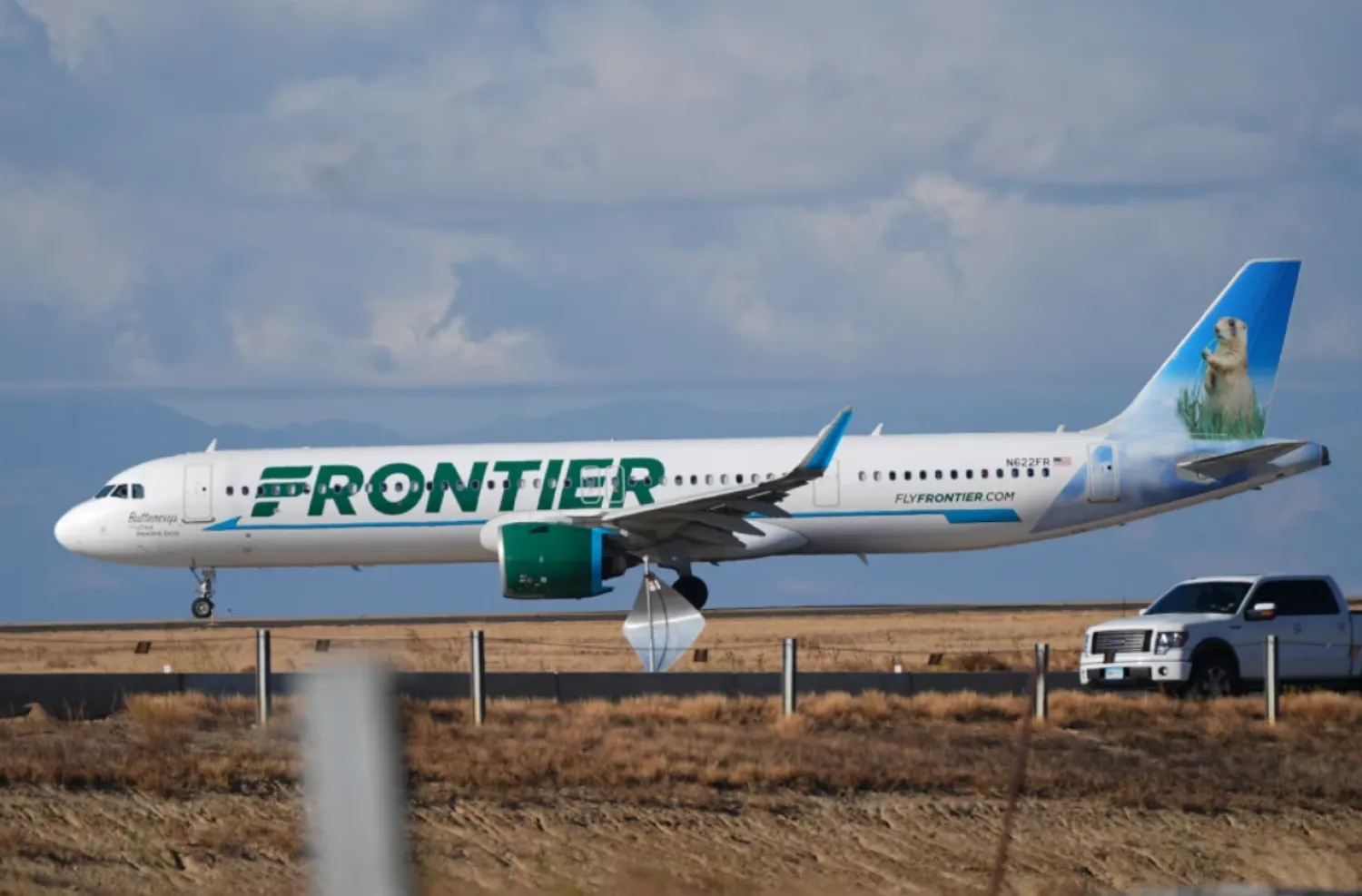
A Frontier Airlines jetliner taxis down a runway for take off from Denver International airport on Nov. 25, 2025, in Denver. (AP Photo/David Zalubowski, File)
TT

A Frontier Plane Hits a Pedestrian during Takeoff at Denver Airport

A Frontier Airlines jetliner taxis down a runway for take off from Denver International airport on Nov. 25, 2025, in Denver. (AP Photo/David Zalubowski, File)

A Frontier Airlines plane hit a pedestrian on the runway of the Denver International Airport during takeoff, airport authorities said, sparking an engine fire and forcing passengers to evacuate.

The plane, on route from Denver to Los Angeles International Airport, “reported striking a pedestrian during takeoff at DEN at approximately 11:19 p.m. on Friday," the airport's official X account wrote.

Neither the airport nor the airline has disclosed the pedestrian’s condition.

“We're stopping on the runway,” the pilot tells the control tower according to the site ATC.com. “We just hit somebody. We have an engine fire.”

The pilot tells the air traffic controller they have “231 souls” on board and that and “individual was walking across the runway.”

The air traffic controller responds that they are “rolling the trucks now" before the pilot tells the tower they “have smoke in the aircraft. We are going to evacuate on the runway.”

Frontier Airlines said in a statement flight 4345 was the one involved in the collision and that “smoke was reported in the cabin and the pilots aborted takeoff.” It was not clear whether the smoke was linked to the crash with the pedestrian, according to The AP news.

“The Airbus A321 was carrying 224 passengers and seven crew members,” the airline said. “We are investigating this incident and gathering more information in coordination with the airport and other safety authorities.”

Passengers were then evacuated via slides and the emergency crew bused them to the terminal.

Denver Airport said the National Transportation Safety Board had been notified and that runway 17L, where the incident took place, will remain closed while an investigation is conducted.


'Ghost of the Forest' Returns to Kenya as Conservationists Reintroduce Rare Antelope into the Wild

Critically endangered mountain bongos feed in a forest enclosure at the Mount Kenya Wildlife Conservancy in Nanyuki, Laikipia County, Kenya, Saturday, May 9, 2026. (AP Photo/Brian Inganga)
TT

'Ghost of the Forest' Returns to Kenya as Conservationists Reintroduce Rare Antelope into the Wild

Critically endangered mountain bongos feed in a forest enclosure at the Mount Kenya Wildlife Conservancy in Nanyuki, Laikipia County, Kenya, Saturday, May 9, 2026. (AP Photo/Brian Inganga)

The mountain bongo has become the ghost of the forest, hard to spot amid the dense shrubs due to its ability to camouflage.

A critically endangered species, the animal is being slowly reintroduced into the wild by conservationists to increase the number of the rare antelope that are indigenous to Kenya’s forests.

The mountain bongo is a rare antelope known for its brown skin and distinct white stripes. With fewer than 100 individuals left in the wild, a conservancy based in Kenya is breeding them and slowly reintroducing them into the wild, with a target of 750 wild bongos by 2050, The AP news reported.

Located on the misty slopes of Kenya’s highest mountain, Mount Kenya, and on the edge of the forest, the 1,250-acre Mount Kenya Wildlife Conservancy in the Nanyuki area has been restoring the survival instincts of zoo-bred bongos. They want to ensure the animals can feed without human assistance, escape from predators, and build a strong immunity against diseases in the wild.

Last week, the conservancy imported a new batch of four male bongos from the European Association of Zoos and Aquaria though the Czech Republic. These new arrivals, currently quarantined and under constant observation, will interbreed with descendants of 18 bongos that arrived at the conservancy in 2004 from the United States to ensure a more diverse genetic pool.

The conservancy’s head, Dr. Robert Aruho, says inbreeding among bongos with similar genes is discouraged while rebuilding the population of this critically endangered species.

“We want bongos that are not only strong in body, but strong in the genes they pass to the next generation,” he said.

Bongos are native to Kenya’s Mount Kenya, Aberdare, Eburu and Mau forests, which play a key role in protecting the forests that are vital to the country’s water supply.

The last wild bongo was spotted in the Mount Kenya forest in 1994 before the conservancy reintroduced the first 10 bongos to the wild in 2022. Today, they roam among the orange climber vines and shrubs that form part of their favorite plants.

The bongo population dwindled after thousands of them died in disease outbreaks in the 1960s. In the 1980s, conservationist Don Hunt exported 36 of the species to the U.S. as insurance to be bred in captivity, with a plan to return them to the wild when conditions improved.

When the Mount Kenya Wildlife Conservancy was opened in 2004, 18 descendants of these bongos were imported and have since interbred, bringing the conservancy’s population to 102 bongos.

Caroline Makena, 33, grew up in the Mount Kenya region and remembers hearing stories about bongos from her grandmother, who said they were her community’s favorite bush meat. However, Makena never got to see one until she came to work as a gardener at the conservancy.

“I never knew the bongos were this beautiful, and I think my community loved them not just for the meat but because of their beauty,” she said.

The bongos are shy and can camouflage despite their distinct white stripes, and these attributes are critical for their survival in the wild.

Andrew Mulani, the bongo program assistant at the conservancy, said the bongos are monitored for months before being reintroduced into the wild to ensure that the shyest ones are selected because docile animals would fall easily to predators.

His most fulfilling moment was when the fourth calf was born in the wild last year, an indication that the bongos are thriving in their native habitat and that their population will certainly increase.

Bongos have a gestation period of nine months, a factor that has negatively impacted their slow population growth. They are also sensitive and react to some plants and weather conditions compared to other species in the antelope family that thrive in the same ecosystem.

As the team of conservationists in Mount Kenya races to save the critically endangered species, supplementing the bongos’ shrub diet with special nutritious pellets, thousands of tourists who visit the conservancy annually marvel at their spiraled horns, hoping the ghost of the forest will become a more common sight in Kenya’s forests.