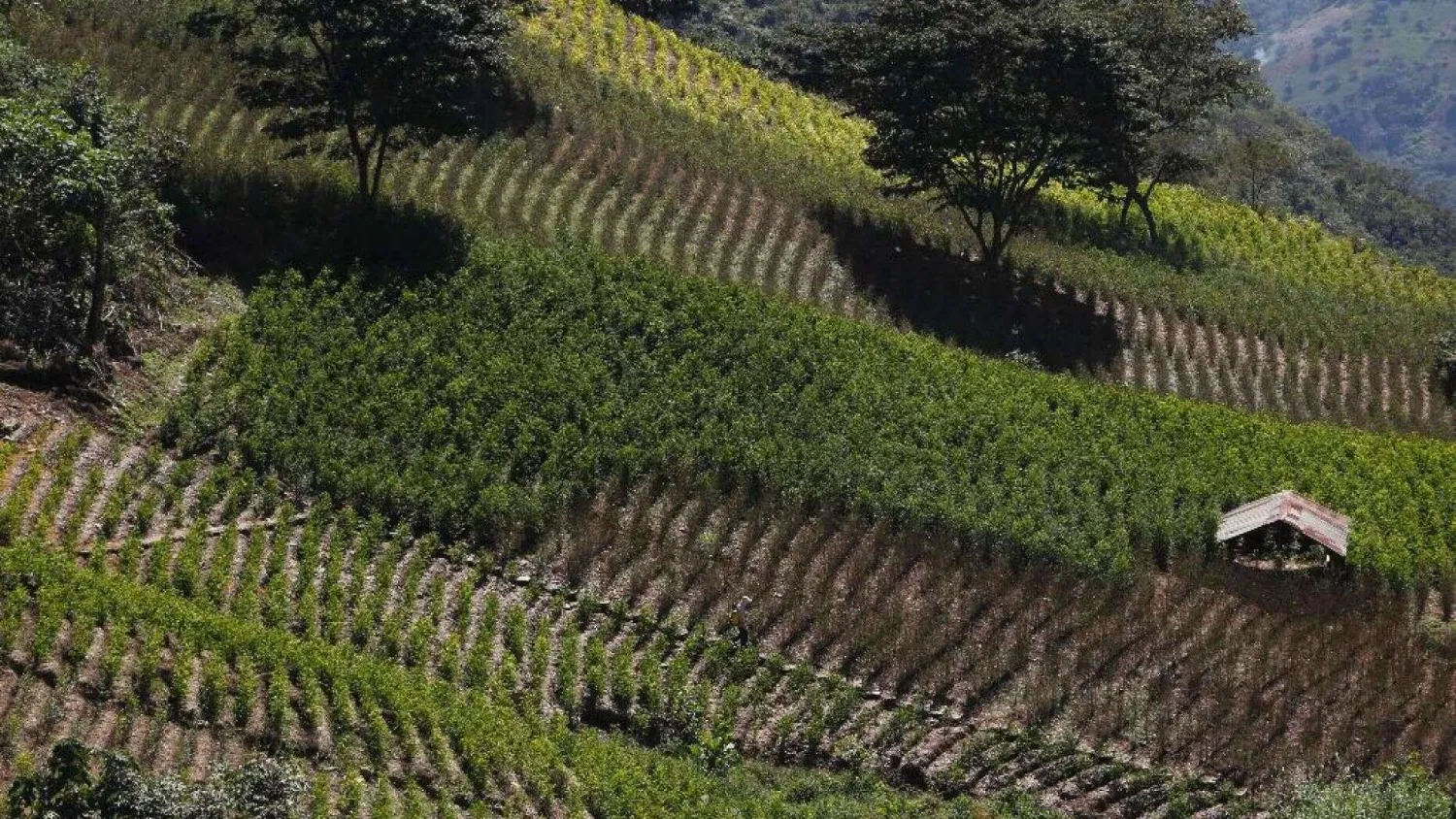

A new region of Bolivia has joined the small list of places where crop cultivation first got started in the ancient world. According to the latest issue of the Nature journal, an international team including researchers from the UK, Switzerland, Bolivia, and Brazil unearthed signs that these spots were used to grow cassava and squash a little over 10,000 years ago in islands rising a few feet above the surrounding wetlands in the savannah forests northern Bolivia.
Many of these forest islands, as researchers call them, are thought to be the remnants of human habitation from the early and mid-Holocene Epoch, extending over the last 11,700 years.
In a report published on the Science Alert website, Archaeologist Jose Iriarte, from the University of Exeter in the UK said: "That's impressive, as this timing places them some 8,000 years earlier than scientists had previously found evidence in the southwestern corner of the Amazon basin. The study adds these Bolivian islands to four other regions in China, the Middle East, and Central America, as the oldest places that witnessed agricultural practices in the world."
Archaeologists, geographers, and biologists have argued for many years that southwestern Amazonia was a probable center of early plant domestication because many important cultivars like manioc, squash, peanuts and some varieties of chili pepper and beans are genetically very close to wild plants living here. The study provides evidence that Bolivia was one of these centers.
The team extracted sediment samples from these islands. Further analysis revealed tiny bits of phytolith – structures made of silica that are known to form inside the cells of plants, and get left behind after they decay. These phytoliths can also tell scientists which plant they came from. Using radiocarbon dating techniques, the team was able to work out when these crops were being grown. The researchers found that manioc were cultivated 10,350 years ago, and squash 10,250 years ago.
Senior author and earth scientist Umberto Lombardo from the University of Bern in Switzerland said: "The evidence we have found shows the inhabitants of the area were not just tropical hunter-gatherers, but colonizers who cultivated plants. This opens the door to suggest that they already ate a mixed diet when they arrived in the region."