


Red Sea Project Swiftly Implementing 'Zero Waste to Landfill'

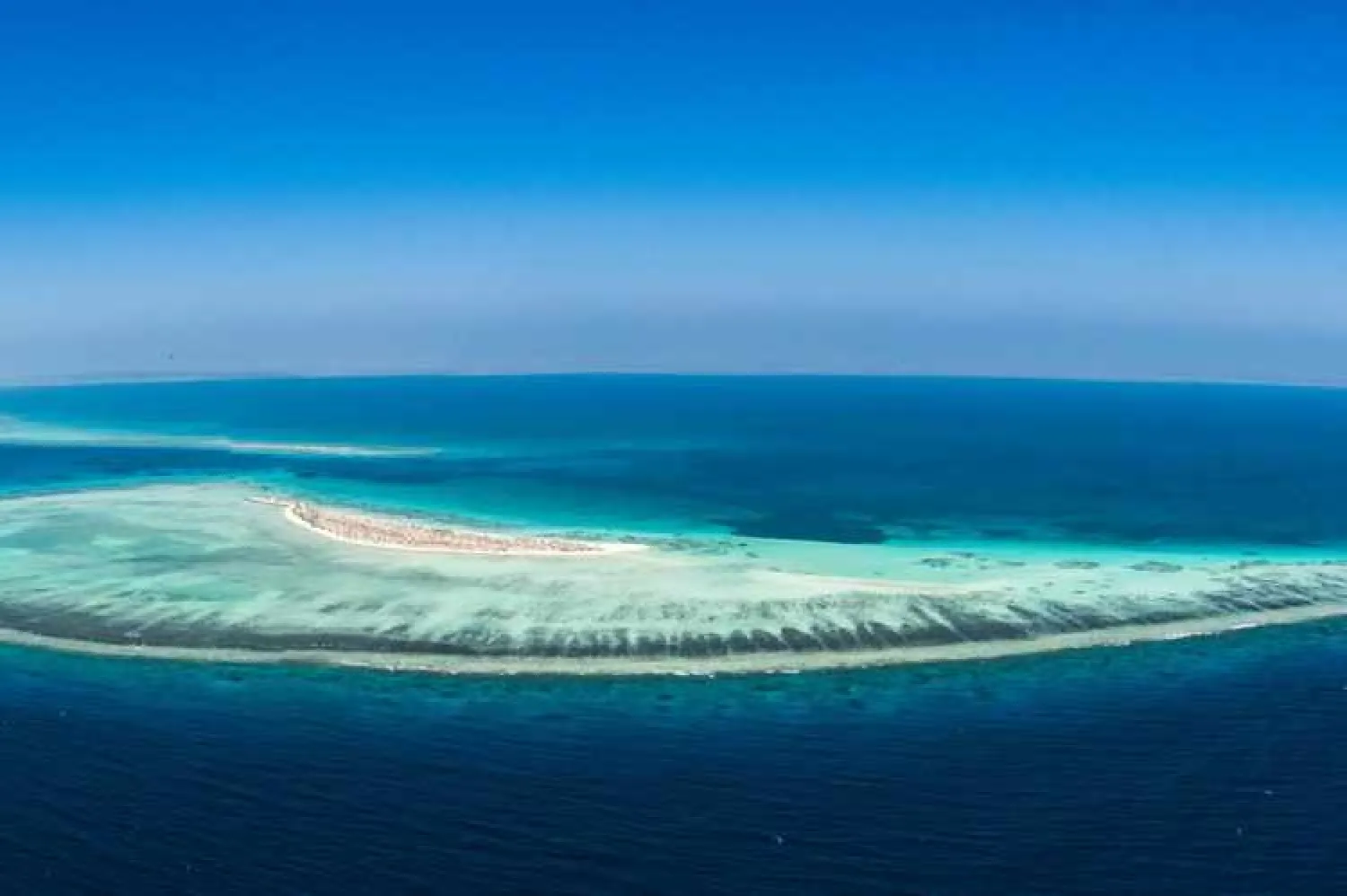
Aerial view of an exquisite island off the Red Sea coast. Image used for illustrative purposes. The Red Sea Development Company/Handout via Zawya
TT

Red Sea Project Swiftly Implementing 'Zero Waste to Landfill'

Aerial view of an exquisite island off the Red Sea coast. Image used for illustrative purposes. The Red Sea Development Company/Handout via Zawya

The Red Sea Development Company has awarded a solid waste management contract to a joint venture between leading waste management company Averda and the Saudi Naval Support Company.

The contract involves collecting and recycling waste generated by administration offices, residential facilities, and construction activities, meeting the high environmental standards set for the project and falling under the goal of “zero waste to landfill”.

It also includes wastewater collection services, involving the collection and transportation of the sewage via tanker trucks to a wastewater treatment plant in Yanbu until the construction and commissioning of the temporary sewage treatment plant (STP) for the project are completed.

Recycling and reusing waste underpin the contract's approach as it will support the company in designing, building, and operating Municipal Solid Waste (MSW) and Construction and Demolition Waste (CDW) plants. The recyclable material that is recovered from both the MSW and CDW stream is then transferred for further processing or used as fill material on the project.

Similarly, a composting unit is then utilized for turning organic-rich waste into compost to be used for the project’s landscaped areas and in the site nursery. Equally important, incinerators are used for processing any non-recyclable waste, and the ash generated is mixed with cement for the production of bricks.

“We’re uncompromising in our commitment to protect, preserve, and enhance the natural environment. Pioneering new standards in sustainable development to achieve this goal is at the heart of the Red Sea Project, as is selecting the right partners who are willing and able to support our ambition,” said John Pagano, chief executive, the Red Sea Development Company.

He added: “We are pleased to award this contract and feel confident that both organizations will play a key role in the delivery of our aim to achieve zero waste to landfill even during the construction phase, collecting and sorting waste to ensure where appropriate, waste is recycled, composted or incinerated.”

Wissam Zantout, managing director of Averda- Saudi Arabia, said “It gives us an opportunity to demonstrate our expertise in the waste management sector and that when leveraged correctly, our approach can contribute to Saudi Arabia’s Vision 2030 for sustainability and circular carbon economy concepts.”



Saudi Crown Prince Receives Message on Bilateral Ties from President of Kazakhstan

Prince Mohammed bin Salman bin Abdulaziz Al Saud, Saudi Crown Prince and Prime Minister. (SPA file)
TT

Saudi Crown Prince Receives Message on Bilateral Ties from President of Kazakhstan

Prince Mohammed bin Salman bin Abdulaziz Al Saud, Saudi Crown Prince and Prime Minister. (SPA file)

Prince Mohammed bin Salman bin Abdulaziz Al Saud, Saudi Crown Prince and Prime Minister, received on Tuesday a written message from President of Kazakhstan Kassym-Jomart Tokayev on bilateral relations between their two countries.

The message was received by Minister of Foreign Affairs Prince Faisal bin Farhan bin Abdullah during a meeting with his Kazakh counterpart Yermek Kosherbayev in Riyadh.


Princes and Officials Take Oath Before Custodian of the Two Holy Mosques

Custodian of the Two Holy Mosques King Salman bin Abdulaziz Al Saud and other officials are seen during the ceremony in Riyadh on Tuesday. (SPA)
TT

Princes and Officials Take Oath Before Custodian of the Two Holy Mosques

Custodian of the Two Holy Mosques King Salman bin Abdulaziz Al Saud and other officials are seen during the ceremony in Riyadh on Tuesday. (SPA)

Princes and officials appointed by royal orders to their new positions took the oath of office before Custodian of the Two Holy Mosques King Salman bin Abdulaziz Al Saud in Riyadh on Tuesday.

They included Deputy Governor of Al-Baha Region Prince Fahd bin Saad bin Abdullah bin Abdulaziz bin Turki; Member of the Shura Council Prince Dr. Saad bin Saud bin Mohammed bin Abdulaziz; Deputy Governor of Madinah Region Prince Saud bin Nahar bin Saud; Deputy Governor of Northern Borders Region Prince Mohammed bin Abdullah bin Abdulaziz; and Minister of Investment Fahd Al-Saif.

They swore to be faithful to their religion, then their King and country, not to reveal any of the state’s secrets, to preserve its interests and regulations, and to perform their duties with honesty, trustworthiness, and sincerity.


Saudi Arabia Reiterates Its Categorical Rejection of Israel’s ‘State Land’ Decision in West Bank

Custodian of the Two Holy Mosques King Salman bin Abdulaziz Al Saud chairs the Cabinet meeting in Riyadh. (SPA)
TT

Saudi Arabia Reiterates Its Categorical Rejection of Israel’s ‘State Land’ Decision in West Bank

Custodian of the Two Holy Mosques King Salman bin Abdulaziz Al Saud chairs the Cabinet meeting in Riyadh. (SPA)

The Saudi government condemned on Tuesday Israel’s decision to West Bank lands as "state lands."

Reiterating its absolute rejection of these illegal measures, the Cabinet warned that they undermine peace efforts and violate the Palestinian people's inherent right to establish an independent, sovereign state within the 1967 borders, with East Jerusalem as its capital.

Custodian of the Two Holy Mosques King Salman bin Abdulaziz Al Saud chaired the Cabinet session that was held in Riyadh.

The Cabinet congratulated citizens and Muslims on the advent of the holy month of Ramadan, expressing gratitude for the Kingdom's honor in caring for the two holy mosques and their visitors.

The Cabinet highlighted the success of the Hajj and Umrah seasons, noting that the Kingdom welcomed 19.5 million international pilgrims and Umrah performers in 2025, setting new records that reflect rapid progress toward the goals of Vision 2030 and the Pilgrim Experience Program.

The Cabinet described the Kingdom's Founding Day celebration on February 22 as an expression of pride in the Saudi state's nearly three-century history, underscoring the foundations of justice, unity, and development established by leaders and citizens throughout history to ensure the nation remains a global leader in all fields.

The Cabinet was briefed on recent talks between Saudi Arabia and various nations, which focused on strengthening bilateral and multilateral cooperation and boosting coordination to foster regional and international security, stability, and prosperity.

The session further reviewed the Kingdom's economic, cultural, and social activities, stressing the state's commitment to social solidarity and giving. This includes continued support for the sixth National Campaign for Charitable Work, set to begin on Friday.

The Cabinet commended the success of the third World Defense Show held in Riyadh under the Custodian of the Two Holy Mosques' patronage, during which strategic partnerships, agreements, and memoranda of understanding were signed to localize military technologies and strengthen local supply chains in alignment with Vision 2030 objectives.