

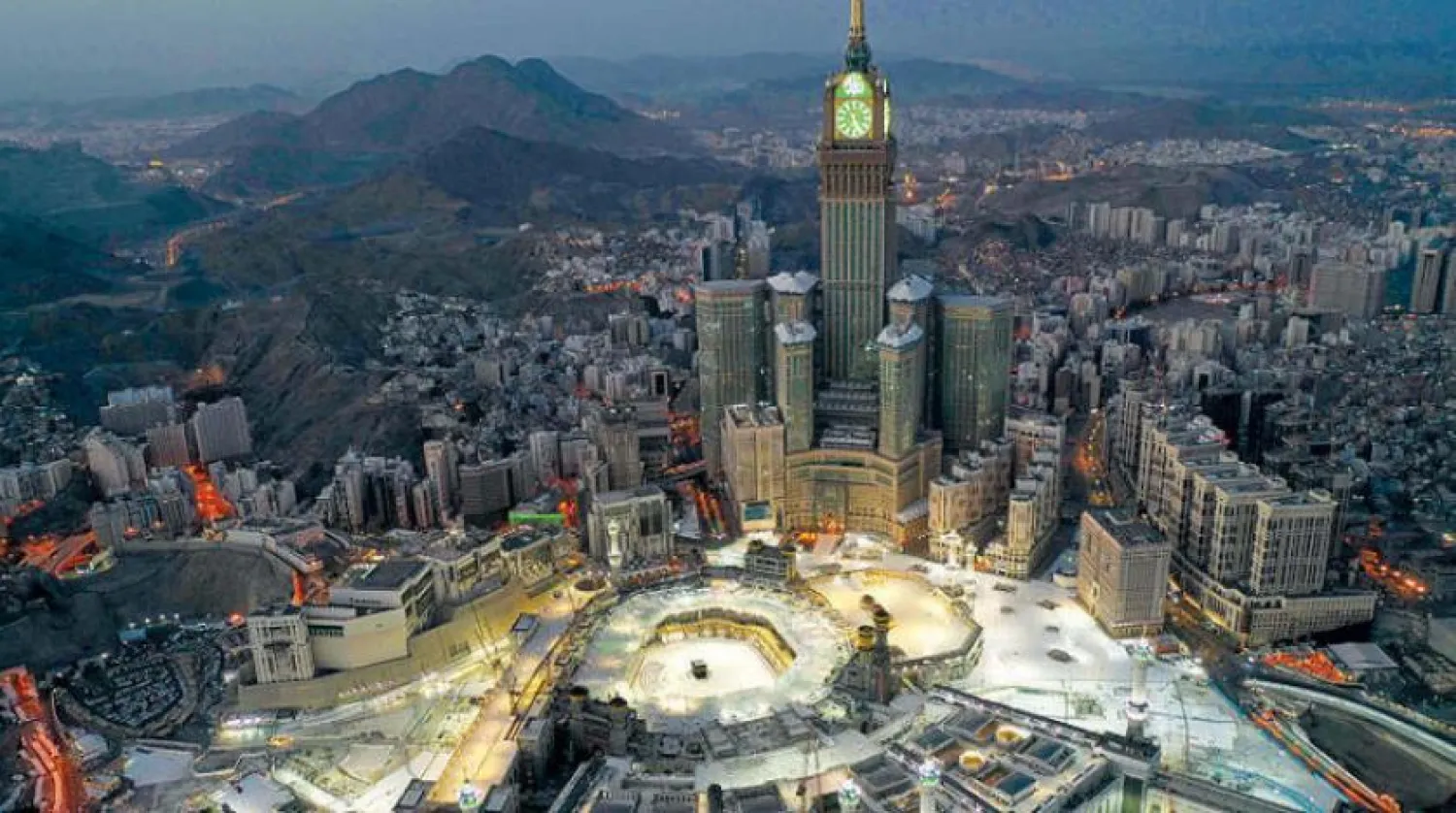

With Hajj a Month Away, Saudi Arabia Makes Safety Its Highest Priority

With Hajj a Month Away, Saudi Arabia Makes Safety Its Highest Priority
TT

With Hajj a Month Away, Saudi Arabia Makes Safety Its Highest Priority

With Hajj a Month Away, Saudi Arabia Makes Safety Its Highest Priority

On days like this every year, Saudi Arabia welcomes the first cohort of pilgrims. In light of the coronavirus pandemic that the world is currently facing, some countries have asked their citizens to think twice about performing Hajj.

Just like the rest of the world, Islamic countries have dealt with COVID-19 with utmost caution. This disease has changed the features of major plans for many countries around the world, including plans to perform Hajj in light of warnings issued by international health organizations. Saudi Arabia took very strict precautions to protect pilgrims to holy sites, by banning Umrah since March 4 and banning prayers in mosques, including the Two Holy Mosques in Makkah and Madinah. Saudi Arabia also banned permits to perform Umrah.

In light of advice published by international health organizations to minimize crowds and implement precautions to contain the pandemic and despite Saudi Arabia successfully and safely managing crowds during previous Hajj seasons, some international experts have wondered how Hajj could be conducted this year in the current circumstances where it is difficult to control small crowds of people, let alone large crowds in a small geographic area such as the holy area.

Dr. Nazir Bahibri, an infectious diseases consultant, says that if Hajj is performed this year it will be difficult to control the spread of coronavirus. Even during normal circumstances, relevant bodies make massive efforts to help pilgrims safely perform Hajj.

Bahibri told Asharq Al-Awsat, “The nature of Hajj, an activity that involves a large number of people in a small and limited geographic area, makes mixing a large possibility and makes social distancing between pilgrims difficult while performing rituals. Consequently, the spread of certain viruses is normal during Hajj”, adding, “let alone during the current pandemic?”

He continued: “I imagine it will be difficult to control the virus in such circumstances”.

Bahibri discussed the diseases that normally spread during Hajj. “In general, while performing the rituals of Hajj, some pilgrims catch certain diseases that are common during Hajj and Umrah seasons, including respiratory infections. Respiratory infections are considered the most common diseases during Hajj and they are a result of bacteria or viruses and are spread through aerosols emitted by coughing and sneezing. Also, pilgrims are usually very close to each other and often meet in groups”.

Dr. Bahibri continued, “In case the situation improved and Hajj was performed this year, then Islamic Sharia emphasizes that Hajj is for those who are capable of performing it. In other words, if a person is not physically fit to perform it then it is not a duty; Hajj is only a duty for those who are physically and mentally fit to fully perform it”.
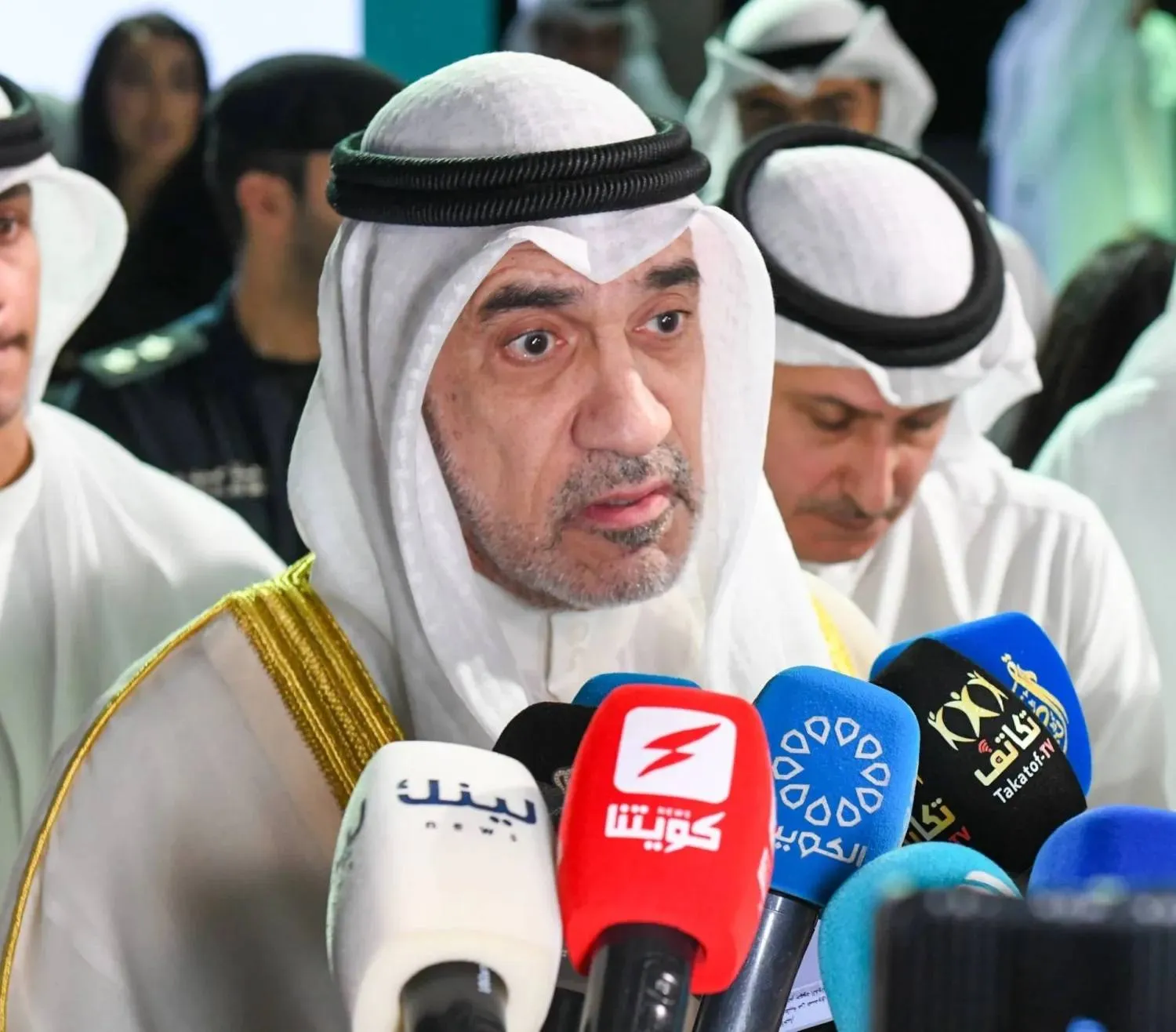



Makkah Deputy Governor Carries Out Field Inspection of Grand Mosque Readiness for Ramadan 

Deputy Governor of the Makkah Region Prince Saud bin Mishaal bin Abdulaziz is seen during his inspection tour at the Grand Mosque in the holy city of Makkah. (SPA)
TT

Makkah Deputy Governor Carries Out Field Inspection of Grand Mosque Readiness for Ramadan 

Deputy Governor of the Makkah Region Prince Saud bin Mishaal bin Abdulaziz is seen during his inspection tour at the Grand Mosque in the holy city of Makkah. (SPA)

Deputy Governor of the Makkah Region Prince Saud bin Mishaal bin Abdulaziz inspected the readiness of the Grand Mosque and its facilities, conducting a field tour to review operational and service preparations for receiving worshippers and Umrah performers during the holy month of Ramadan, reported the Saudi Press Agency on Tuesday.

Prince Saud was briefed on the operational plans implemented by the relevant authorities, including crowd management mechanisms, service enhancements, and facility preparations aimed at ensuring smooth movement and enhancing comfort and safety levels for visitors to the Grand Mosque, particularly during peak times.

He reviewed developmental initiatives and smart services supporting the operational system, notably electric mobility carts for transporting the elderly, persons with disabilities, and those in need of assistance within the Grand Mosque.

The tour also included an overview of the efforts of guidance teams deployed across the corridors and courtyards of the Grand Mosque, providing multilingual assistance and direction.

Prince Saud reviewed the interactive map and digital mobility platform, which allows visitors to plan their routes in advance and identify service locations, entrances and exits, and less crowded pathways.

He was briefed on crowd management systems, including the visitor density sensor platform that measures human density in real time, and the Tawaf and Sa’i crowd status display service, which allows worshippers to select appropriate times to perform rituals with ease. Models of the modern multilingual guidance system were also reviewed.

Prince Saud also visited the Smart Engineering Command and Control Center, which serves as an advanced central platform linking operational systems and monitoring performance in real time, boosting operational efficiency and raising readiness levels during Ramadan.


Saudi Leadership Provides Two Donations Worth SAR150 Mln Through Jood Eskan Platform

Custodian of the Two Holy Mosques King Salman bin Abdulaziz Al Saud and Prince Mohammed bin Salman bin Abdulaziz Al Saud, Crown Prince and Prime Minister. (SPA)
TT

Saudi Leadership Provides Two Donations Worth SAR150 Mln Through Jood Eskan Platform

Custodian of the Two Holy Mosques King Salman bin Abdulaziz Al Saud and Prince Mohammed bin Salman bin Abdulaziz Al Saud, Crown Prince and Prime Minister. (SPA)

Custodian of the Two Holy Mosques King Salman bin Abdulaziz Al Saud and Prince Mohammed bin Salman bin Abdulaziz Al Saud, Crown Prince and Prime Minister, have provided two generous donations amounting to SAR150 million through the Jood Eskan platform.

The move aligns with the leadership's commitment to supporting all national efforts and initiatives to provide suitable housing for deserving families.

Minister of Municipalities and Housing and Chairman of the Board of Trustees of the Developmental Housing Foundation (Sakan) Majed Al-Hogail expressed his deep gratitude to the leadership for its unwavering support to all national efforts and initiatives aimed at providing suitable housing for eligible families across the Kingdom.

He noted the effective impact of previous generous donations in achieving the goals of housing development, and motivating individuals and institutions to donate through the Jood Eskan platform that is based on community giving that helps provide decent housing and boosts stability and quality of life for deserving families.


Saudi Crown Prince Receives Message on Bilateral Ties from President of Kazakhstan

Prince Mohammed bin Salman bin Abdulaziz Al Saud, Saudi Crown Prince and Prime Minister. (SPA file)
TT

Saudi Crown Prince Receives Message on Bilateral Ties from President of Kazakhstan

Prince Mohammed bin Salman bin Abdulaziz Al Saud, Saudi Crown Prince and Prime Minister. (SPA file)

Prince Mohammed bin Salman bin Abdulaziz Al Saud, Saudi Crown Prince and Prime Minister, received on Tuesday a written message from President of Kazakhstan Kassym-Jomart Tokayev on bilateral relations between their two countries.

The message was received by Minister of Foreign Affairs Prince Faisal bin Farhan bin Abdullah during a meeting with his Kazakh counterpart Yermek Kosherbayev in Riyadh.