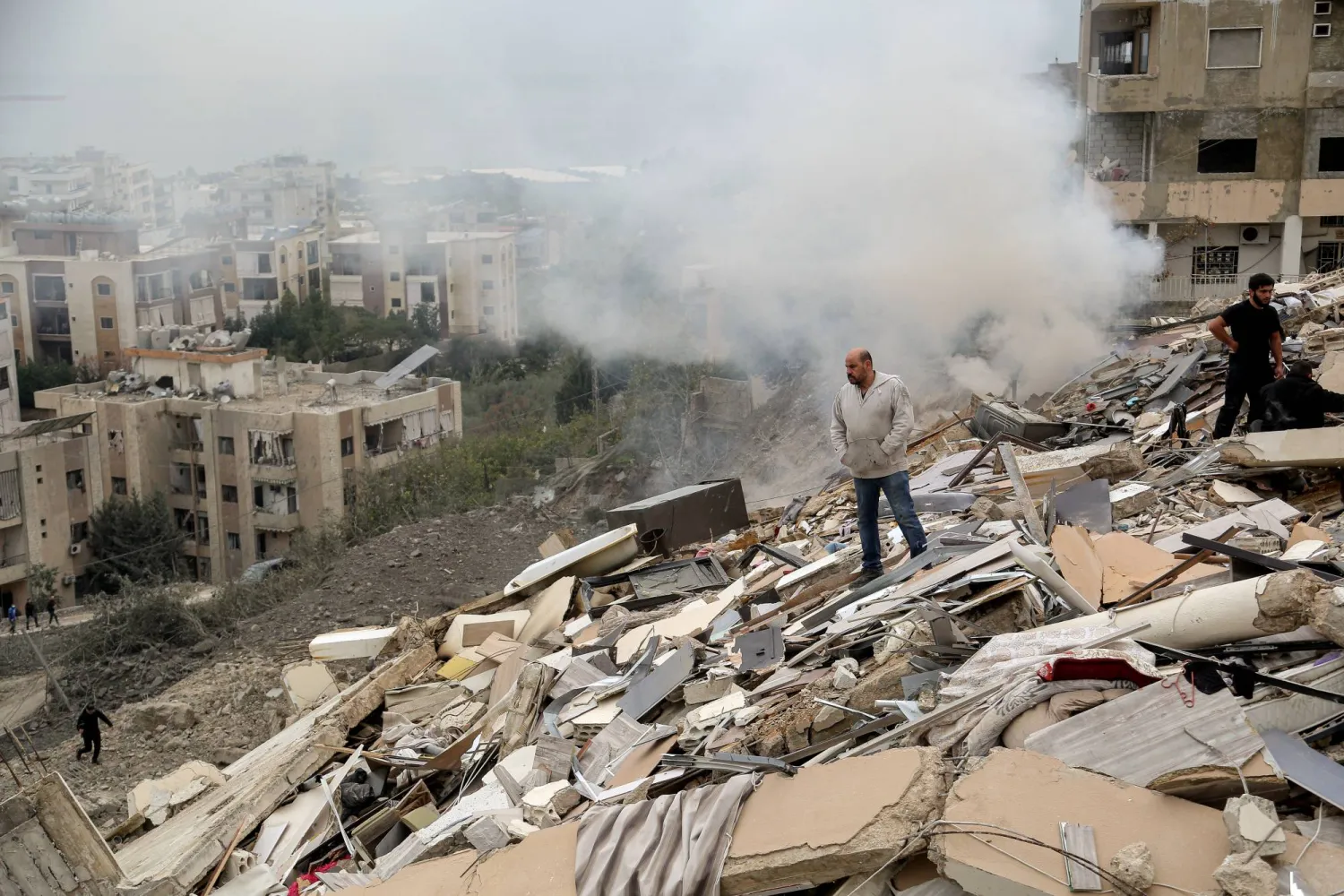

Up to 200,000 refugees could pour into Sudan while fleeing the deadly conflict in Ethiopia’s northern Tigray region, officials say, while the first details are emerging of largely cut-off civilians under growing strain. Already at least 6,000 people have crossed the border.
Long lines have appeared outside bread shops in the Tigray region, and supply-laden trucks are stranded at its borders, the United Nations humanitarian chief in the country told The Associated Press in an interview.
“We want to have humanitarian access as soon as possible,” Sajjad Mohammad Sajid said. “Fuel and food are needed urgently.” Up to 2 million people in Tigray have a “very, very difficult time,” he said late Tuesday, including hundreds of thousands of displaced people.
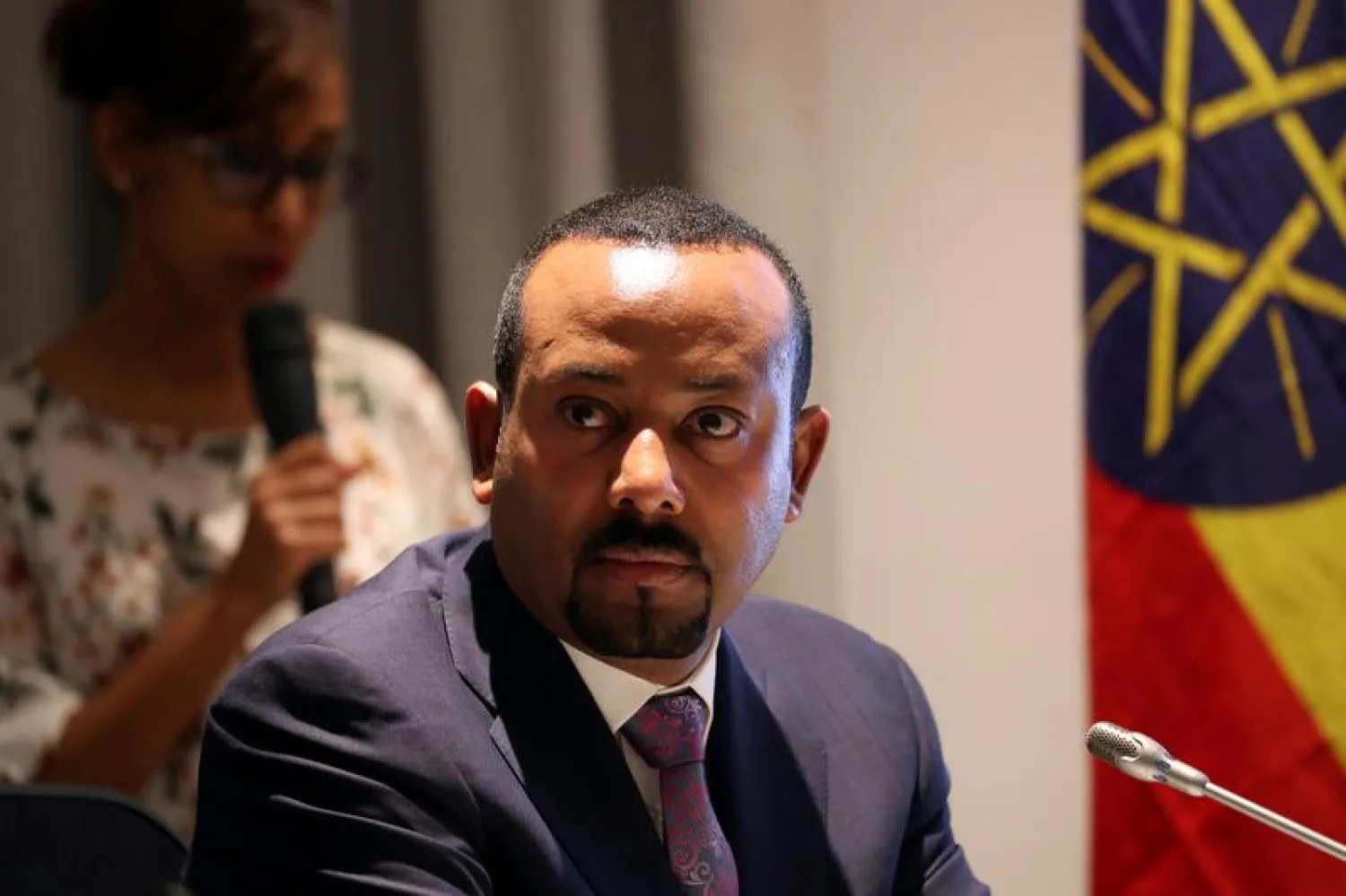
Communications remain almost completely severed with the Tigray region a week after Ethiopia’s Nobel Peace Prize-winning Prime Minister Abiy Ahmed announced a military offensive in response to an alleged attack by regional forces. He insists there will be no negotiations with a regional government he considers illegal until its ruling “clique” is arrested and its well-stocked arsenal is destroyed.
Britain and the African Union have urged Abiy for an immediate de-escalation as the conflict threatens to destabilize the strategic but vulnerable Horn of Africa region. The United States did not immediately give details on any outreach.
The standoff leaves nearly 900 aid workers in the Tigray region from the UN and other groups struggling to contact the outside world with pleas for help. “Nine UN agencies, almost 20 NGOs, all depending on two offices” with the means to communicate, Sajid said.
In addition, more than 1,000 people of different nationalities are stuck in the region, he said. That includes tourists. Countries urgently are seeking their evacuation.
Ethiopia’s federal government and Tigray’s regional government, the Tigray People's Liberation Front, blame each other for starting the conflict. Each regards the other as illegal. The TPLF dominated Ethiopia's ruling coalition for years before Abiy came to office in 2018 but has since broken away while accusing the prime minister's administration of targeting and marginalizing its officials.