


G20 Initiatives to Protect Degraded Lands

An underwater scene captured near the coasts of the mega Amaala project, to be established in the Red Sea, western Saudi Arabia (Asharq Al-Awsat)
TT

G20 Initiatives to Protect Degraded Lands

An underwater scene captured near the coasts of the mega Amaala project, to be established in the Red Sea, western Saudi Arabia (Asharq Al-Awsat)

At a time safeguarding the planet is at the heart of efforts exerted by the Saudi G20 presidency, an environment-focused event revealed on Thursday that approximately 1.5 billion people are affected by soil degradation.

The losses due to the decline in environmental services related to land degradation are estimated at 6 to 11 trillion dollars annually.

G20 Saudi Arabia is leading the international community in working toward minimizing land degradation and deforestation to conserve biodiversity and meet climate goals.

“We launched a global initiative to promote the rehabilitation of degraded lands and preserve current resources, targeting all countries of the world. It will be led by the G20,” said Saudi Deputy Minister for Environment Dr. Osama Faqeeha.

He said that the Saudi presidency is pursuing collective efforts and taking concrete actions to safeguard the planet.

The deputy minister said conserving the earth’s environment meant protecting marine and terrestrial environments and working towards reducing marine pollution such as plastic littering.

Faqeeha also spoke about preserving the oceans, saying that the human activity and climate change endanger the survival of coral reefs, which are vital for biodiversity.

Without concrete action, it is estimated that “a significant share of coral reefs is at risk,” he said. Coral reefs are under constant threat from pollution and habitat destruction, therefore conserving them “urgently important to ensure protection of our ecosystem.”

“We proposed launching a global initiative to preserve coral reefs,” Faqeeha reaffirmed, adding that the King Abdullah University offered to host the main headquarters for the initiative.

Moreover, land degradation affects about 60 percent of people directly or indirectly and contributes to massive habitat and ecosystem losses, Faqeeha added.

He explained that deforestation and other land use are also responsible for harmful greenhouse gas emissions.

Furthermore, Faqeeha discussed how climate change is one of the most pressing global challenges. The urgency to act increases as the world population continues to grow and emissions rise.

The Saudi G20 presidency is committed to advancing efforts for managing emissions in all sectors and improving synergies between adaptation and mitigation actions, including nature-based solutions such as reforestation and protecting and restoring marine resources.

“There has been significant appreciation of Saudi Arabia on environment preservation,” said the deputy minister.


Saudi-Qatari Partnership Paves Way for Logistics Corridors to Boost Regional Trade Efficiency 

The MoU was signed by Mawani President Eng. Suliman Almazroua and CEO of Qatar Ports Management Company Captain Abdullah Mohammed Al-Khanji. (QNA)
TT

Saudi-Qatari Partnership Paves Way for Logistics Corridors to Boost Regional Trade Efficiency 

The MoU was signed by Mawani President Eng. Suliman Almazroua and CEO of Qatar Ports Management Company Captain Abdullah Mohammed Al-Khanji. (QNA)

The Saudi Ports Authority (Mawani) and Qatar Ports Management Company signed on Tuesday a memorandum of understanding (MoU) aimed at boosting maritime and logistics cooperation between the two sides.

The agreement will contribute to the development of the ports sector, raising operational efficiency, and supporting regional and international trade flows.

The MoU was signed by Mawani President Eng. Suliman Almazroua and CEO of Qatar Ports Management Company Captain Abdullah Mohammed Al-Khanji. Qatari Ambassador to Saudi Arabia Bandar bin Mohammed Al Attiyah attended the signing ceremony.

The agreement reflects Saudi Arabia and Qatar’s commitment to building effective partnerships, exchanging expertise, establishing an organized framework for cooperation management, and developing joint investment opportunities in line with Saudi Vision 2030 and Qatar National Vision 2030.

The MoU outlines eight key areas of cooperation, including the exchange of best practices in port management and operations, and the study of opportunities for direct maritime and land connectivity between the ports of both countries to enhance trade flow efficiency.

It includes collaboration in logistics services, exploring the establishment of joint maritime corridors serving bilateral and regional trade, and assessing the feasibility of creating shared regional distribution centers.

In the fields of digital transformation and artificial intelligence, the two sides agreed to deepen cooperation on developing smart systems, data governance, and the unified maritime window, thereby boosting operational efficiency and keeping pace with technological advancements in the maritime sector.

The MoU places strong emphasis on maritime safety and environmental protection, including exchanging expertise in combating marine pollution and emergency response; developing joint maritime emergency plans; establishing an emergency communication line between the two countries; and cooperating to ensure compliance with international conventions, conduct joint exercises, and develop risk monitoring systems.

The cooperation also covers human capital development through joint training programs and field-exchange of expertise, as well as academic and research collaboration in maritime transport and logistics.

In terms of joint investment, both sides will study local and global investment opportunities in ports and related services and coordinate with the private sector to support these initiatives.

The MoU further includes cooperation in cruise tourism through enhanced maritime connectivity and joint promotion of Gulf cruise routes, as well as international and regional representation by coordinating positions in international maritime organizations and supporting joint initiatives, notably “Green Ports” and “Safe Sea Corridors.”

The agreement reflects the commitment of Mawani and Qatar Ports Management Company to advancing the ports sector and boosting its role as a key driver of trade and economic growth, contributing to Gulf integration and enhancing regional competitiveness in maritime and marine services.


Golden Halal Logo Launched at Makkah Halal Forum  

The Makkah Halal Forum 2026 was held from February 14 to 16. (SPA)
TT

Golden Halal Logo Launched at Makkah Halal Forum  

The Makkah Halal Forum 2026 was held from February 14 to 16. (SPA)

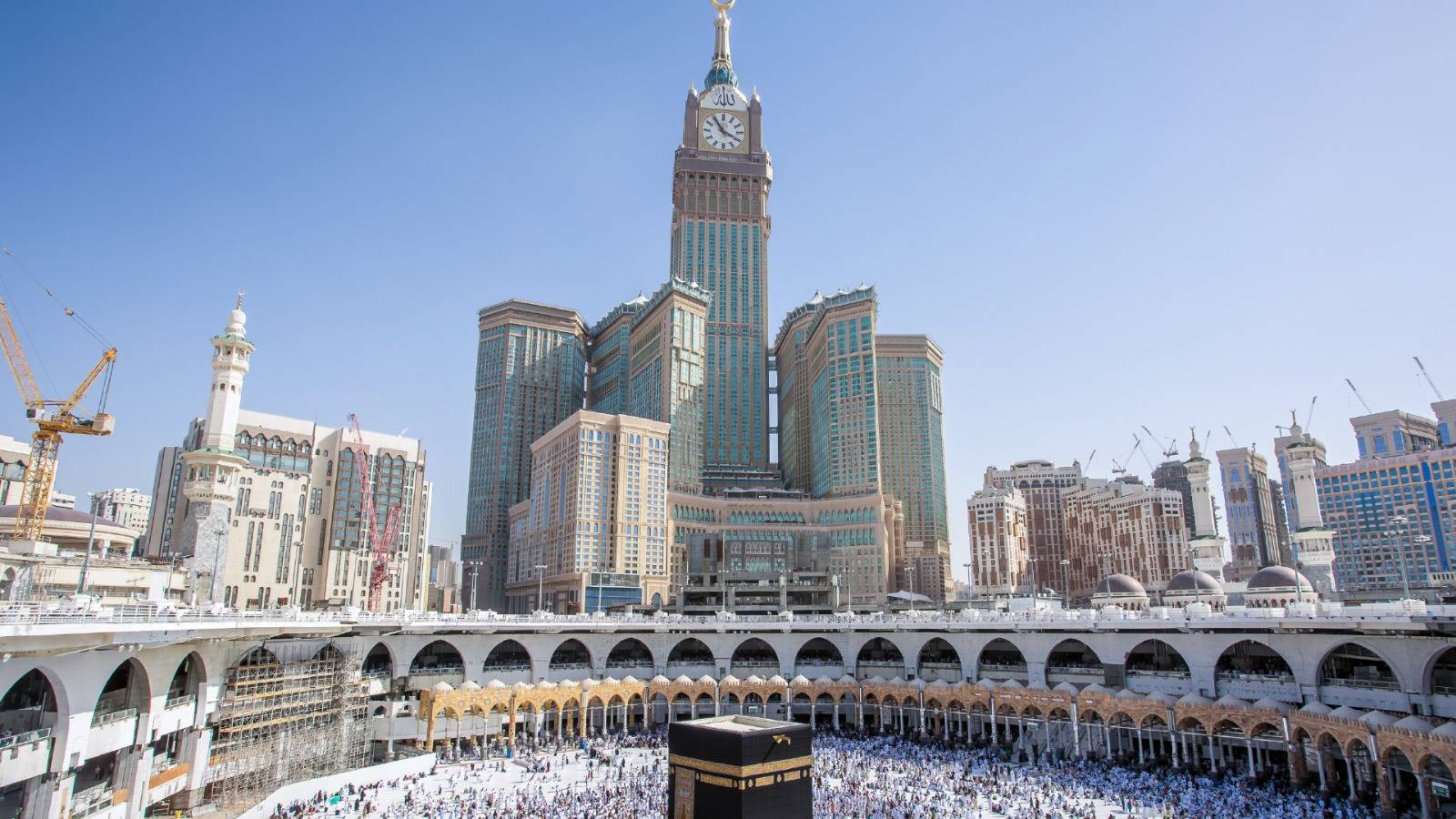
The Makkah Halal Forum 2026, which concluded on Monday, marked a pivotal milestone in the development of Saudi Arabia's halal industry, ushering in a new phase of structured institutional action.

This shift moves the sector beyond theoretical discourse toward a fully integrated implementation framework. It cements the Kingdom’s global leadership in halal and boosts the credibility of Saudi products in international markets.

The forum that began on February 14 witnessed the launch of a package of strategic enablers reflecting the maturity of the Saudi experience in the sector. Chief among them was the introduction of the Halal Academy as a specialized knowledge and training arm dedicated to building professional expertise and raising standards across the entire value chain.

The event also saw the unveiling of the Golden Halal logo, a high-level accreditation mark designed to provide global markets with a unified benchmark of trust, underscoring the Kingdom’s commitment to the highest standards of quality and compliance.

These initiatives signal a strategic shift that goes beyond the traditional concept of religious oversight. Instead, they frame halal as a comprehensive industrial and economic system that integrates Sharia compliance with high quality standards, advanced governance, and digital traceability. The approach is expected to boost the competitiveness of Saudi exports and facilitate their entry into global markets.

National success stories highlight the tangible impact of this transformation. CEO and founder of Roya Factory for Food Products Rasha Al Sanea noted that Saudi accreditation has evolved into a comprehensive quality certification that provides companies with a clear competitive edge abroad.

She noted that obtaining certification involves a rigorous process, including assessments of facility safety, manufacturing quality, and compliance with global standards ahead of final audits. These measures strengthen product reliability and boost readiness for international expansion.

The presence of international delegations and trade missions in Makkah on the sidelines of the forum helped accelerate expansion opportunities and open direct export channels to several markets, she added.

Pairing the Saudi Made logo with accredited halal marks, foremost among them the Golden Halal logo, enhances global consumer confidence and gives Saudi products a strong presence across diverse cultures and markets, she stressed.


Nissan CEO to Asharq Al-Awsat: Saudi Arabia Is ‘Golden Jewel’ Driving Regional Growth 

Nissan Chief Executive Ivan Espinosa. (Asharq Al-Awsat)
TT

Nissan CEO to Asharq Al-Awsat: Saudi Arabia Is ‘Golden Jewel’ Driving Regional Growth 

Nissan Chief Executive Ivan Espinosa. (Asharq Al-Awsat)

Nissan Chief Executive Ivan Espinosa has singled out Saudi Arabia as a cornerstone of the automaker’s global ambitions, calling the kingdom and the wider Middle East a “golden jewel” in the company’s international portfolio, driven by strong brand equity, steady profitability, and a deep, loyal customer base.

Speaking to Asharq Al-Awsat, Espinosa said Nissan has long enjoyed a solid foothold in Saudi Arabia and across the region, noting that Middle Eastern markets contribute a significant share of the company’s global earnings.

“We have a large base of supporters and loyal customers in the region, which makes it a pivotal market for both our present and our future,” he stressed.

Speaking during his first visit to the region as Nissan’s president, Espinosa said the company will continue investing in products tailored to local needs.

He cited the Nissan Patrol as a model born and developed to suit Gulf markets, particularly in its latest generations, which benefited from in-depth studies of user behavior and expectations.

He revealed that his visit was not limited to attending the recent Formula E event, but also aimed at gaining a deeper understanding of the Saudi market and strengthening Nissan’s position there. The company is working to expand its lineup and introduce more diverse products to serve a wider range of customers, he added.

Saudi visit

Espinosa described Saudi Arabia as “a wonderful place” where he continues to discover new facets reflecting the depth of its culture and the vibrancy of its society. The positive energy he sensed in the country reflects an ambitious and optimistic spirit, he said.

The Formula E event in which Nissan participated is a clear example of the Kingdom’s dynamism and its growing role in launching globally influential initiatives, underscoring its rising presence and confidence in shaping the future, he remarked.

Espinosa said Saudi Arabia’s ambitions under Vision 2030 intersect strongly with Nissan’s future vision, particularly in autonomous driving, artificial intelligence, and vehicles powered by new energy sources. The company sees promising opportunities for cooperation in the coming years.

With a long history and broad customer base in the Kingdom, Nissan aims to continue meeting expectations with innovative products, he said, noting that Saudi Arabia is a growing market with significant potential in technology and mobility solutions, reinforcing the company’s commitment to long-term investment in the region.

Strategic hub

Espinosa said Nissan is currently implementing its recovery plan, Re:Nissan, while preparing a strategic vision for the next phase. Regions have been classified according to growth priorities, with the Middle East among those given high priority.

He said describing the region as a “golden jewel” reflects the strength of the brand, the company’s long history there, and its solid profitability. Nissan aims to expand its market share through sustainable organic growth, he added.

Formula E

On Nissan’s participation in the Formula E World Championship, which concluded in Jeddah, Espinosa said it reflects the company’s competitive heritage and serves as a platform to showcase its electric vehicle technologies.

The championship serves as a real-world laboratory for transferring technology from race cars to production models.

He pointed to expertise in battery management and traction control derived from the Nissan Leaf, as well as the movement of engineers from the Formula E program into the development of future performance models, strengthening knowledge exchange between the track and the production line.

Three pillars

Espinosa said Nissan’s three-to-five-year plan rests on three pillars.

The first is completing the recovery plan by recalibrating the cost structure. So far, the company has achieved savings of about 160 billion yen, roughly $1 billion, in fixed costs, and launched more than 5,000 initiatives to reduce variable costs with potential savings of up to 240 billion yen, or about $1.5 billion.

Third-quarter results showed operating profit of 17 billion yen, or $114 million, despite tariff-related pressures, reflecting the company’s resilience and improved operational efficiency, he said.

The second pillar focuses on products and technology to accelerate the rollout of new models. The third aims to cement Nissan’s position as a leader in smart vehicles, he added.

Espinosa said the industry's future requires automakers to embrace technology without losing their core identity. Artificial intelligence has become central to design processes, with generative AI significantly shortening early design phases while enhancing creativity without replacing designers.

In autonomous driving, he cited Nissan’s partnership with a British software company that provides self-driving algorithms, while Nissan leverages its vehicle engineering expertise to deliver a natural driving experience that mimics human behavior.

He outlined a longer-term ambition for vehicles to learn their owners' driving styles and adapt their autonomous mode accordingly, whether dynamic or conservative, thereby enhancing trust and reducing anxiety.

Reshaping the industrial base

As part of the Re:Nissan plan, Espinosa said restructuring the industrial base is a key element of the transformation. The company will reduce the number of global plants from 17 to 10 to improve capacity utilization and boost profitability.

Among the most notable steps was the agreement to sell Nissan’s South Africa plant to Chery South Africa. The process was carried out with a high degree of responsibility and precision, he said, stressing that protecting jobs and ensuring employment continuity were core conditions of the deal.

A similar approach was adopted in Japan when the Oppama plant was closed. Nissan began early talks with employees and offered multiple options, including transfers to future operations in Kyushu, opportunities within other group units, and voluntary separation programs with attractive terms when necessary.

Plant reductions are being handled with great care while maintaining uniform global quality standards across production sites, supported by standardized control systems and specialized teams to ensure supply chain stability, particularly for semiconductors and electronic chips, said Espinosa.

Espinosa said the Re:Nissan plan is progressing on schedule, with clear signs of performance improvement paving the way for a smarter and more sustainable growth phase in global markets, led by the Middle East and Saudi Arabia.

Strategic flexibility

On hybrid and electric powertrains, Espinosa said Nissan is keeping pace with customer preferences while maintaining the view that electric vehicles will gradually become the dominant option.

The company offers a range of technologies, including internal combustion engines, e-Power systems, and fully electric vehicles, while shortening model development cycles to improve responsiveness to market demand.

The e-Power technology is expanding globally after its launch in Japan and Europe and is nearing entry into the US market, he went on to say. It will reach the Middle East in due course, particularly in mid-size segments.

Hybrid solutions for larger vehicles are also under study to meet regional towing requirements, he said.
