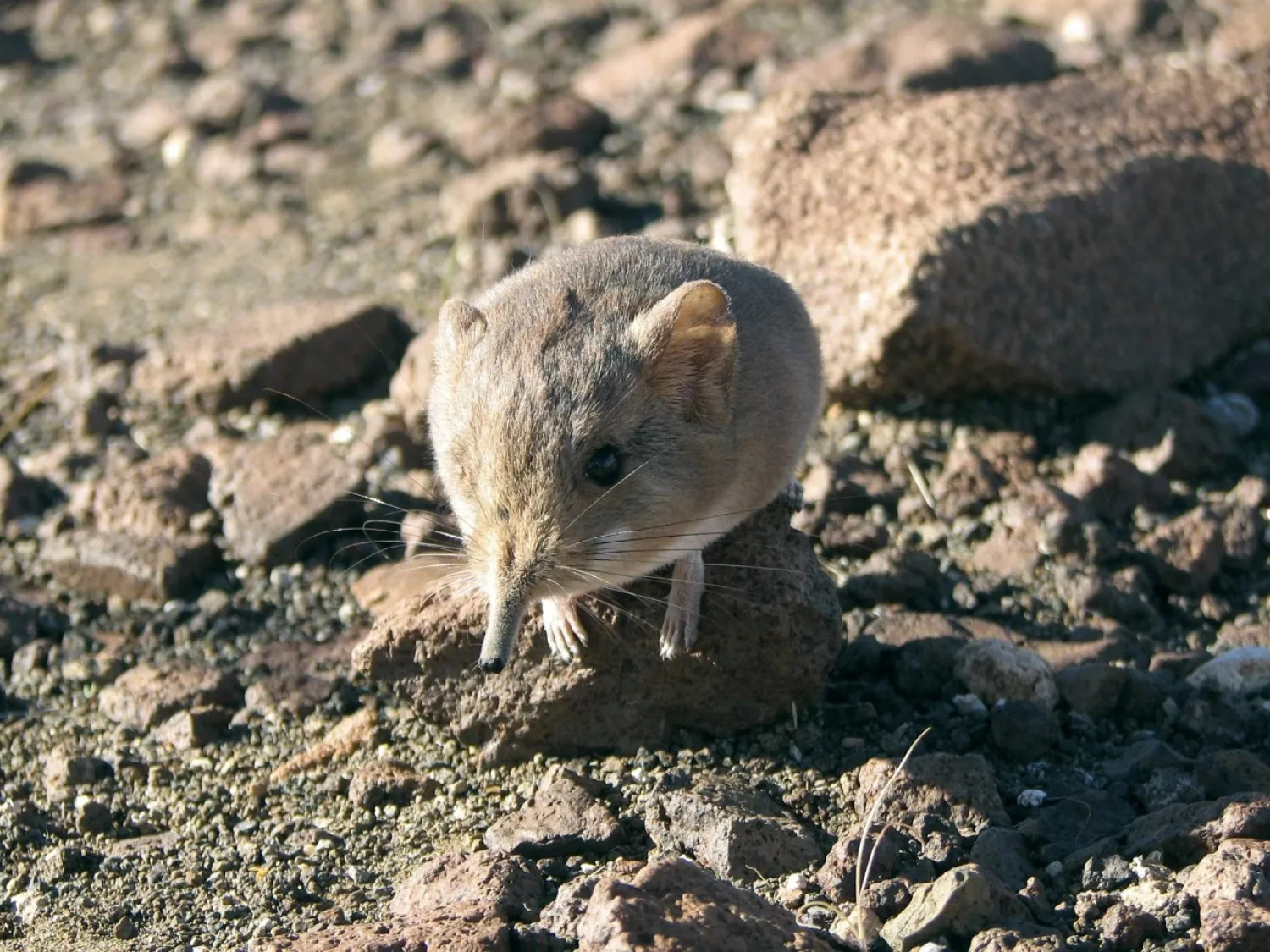

CT scans have always helped uncover secrets of human mummies, but this time, it has helped document the last moments of a shrew, which ancient Egyptians used to mummify along with many other animals. The shrew, or crocidura religios, is a night mouse-like mammal that hides during the day in holes, and mostly feed on insects.
In a recent study published in the December issue of the journal Archeological Science, a research team from the Paracelsus University's Research Institute of Biomechanics used CT scan to determine the cause of the animal's death. The results helped them describe the type of mousetrap used for hunting and the fractures it caused.
In their description, the researchers said mummy of the crocidura religios contained the skeleton and soft tissues. The scan revealed that the skull base was fractured and the left petrous bone broke out. The alignment of the spine was interrupted between the first and second thoracic vertebra resulting in a complete obstruction of the spinal canal and disconnection of the preserved spinal cord. "The adjacent dorsal soft tissues of the shrew were markedly thickened and contained an irregularly bordered area that was filled with air produced during the mummification process," the researchers explained.
They also suggested this fatal spinal trauma was most probably caused by a mousetrap. After death, the shrew's body must have been effectively desiccated before wrapping with multiple textile layers, they reported in the study.
The procedure of capturing and killing of a shrew prior to the production of a votive mummy as described in this study represents a tessera in the knowledge of ritual practices within the ancient Egyptian animal cult.
The shrew-related rituals were practiced to symbolize the blind side of the deity of the sun, said Egyptologist Dr. Bassam al-Shammaa. "This animal, which ancient Egyptian described as 'gourmand' was known for its huge appetite despite its small size, and was chosen to symbolize that side," he told Asharq Al-Awsat.
The worship of this animal persisted until the Ptolemaic age, said al-Shammaa. The shrew was featured in many statues including a bronze sculpture currently displayed at the Metropolitan Museum of Art in New York.