


After AlUla Summit, What’s Next for Gulf States?

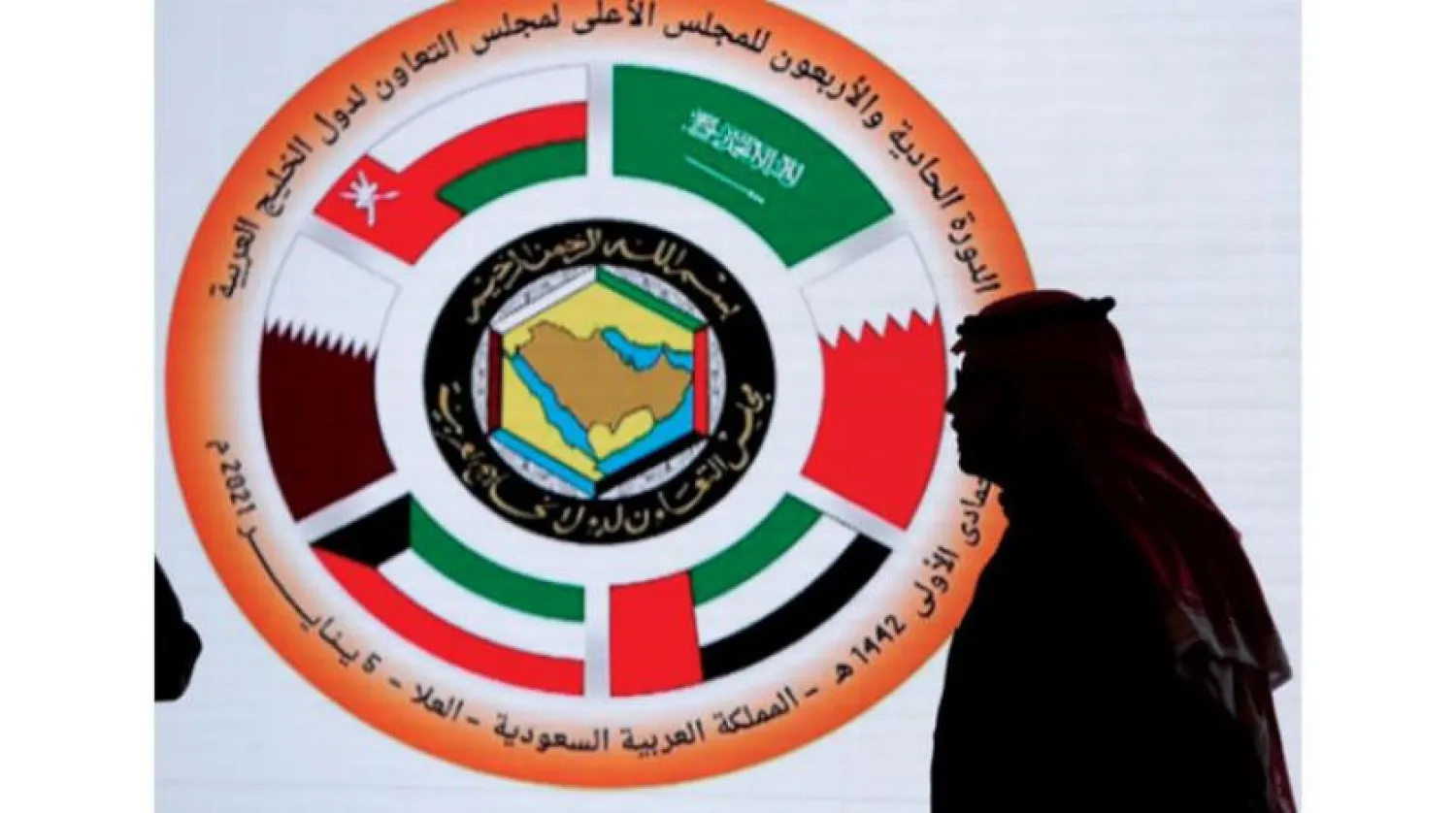
A Saudi journalist passes by a screen displaying the GCC logo. AP
TT

After AlUla Summit, What’s Next for Gulf States?

A Saudi journalist passes by a screen displaying the GCC logo. AP

Gulf Arab leaders signed a declaration on Tuesday in Saudi Arabia to mark a new page in relations after ending a feud with Qatar that lasted over 40 months, leaving many to speculate about what’s next.

At the 41st annual summit of the Gulf Cooperation Council (GCC), held in AlUla, the four countries that jointly boycotted Qatar — Saudi Arabia, the United Arab Emirates, Egypt and Bahrain — restored diplomatic ties with Doha.

Reconciliation ensures that higher interests of the peoples of the six Gulf states that make up the GCC are maintained.

Assistant Secretary-General for Political Affairs and Negotiations at the GCC Abdulaziz Hamad Aluwaisheg said that now is the time for Gulf states to discuss issues that triggered differences and establish a mechanism for resolving them.

Aluwaisheg added that the first step towards a solution has been taken.

Confirming reconciliation with Qatar, Saudi Arabia's foreign minister said that the 41st GCC summit has opened a new phase of "solidarity" and "stability" between regional states.

Saudi Arabia's decision to reopen air, land and sea borders with Qatar ahead of holding the GCC summit in AlUla was perceived as a milestone towards resolving the Gulf dispute. Observers said that the summit succeeded before even starting.

Gulf countries signed “AlUla Declaration” at the conclusion of the GCC summit, outlining the features of restoring multi-faceted cooperation after the union having suffered fluxes in its influential role in enhancing the security and stability of the region for over three years.

Mounting Iranian threats demand that regional states unite in a firm stance.

Aluwaisheg, in a phone interview with Asharq Al-Awsat, confirmed that the GCC can now achieve progress on various tracks more swiftly, saying reconciliation will have a positive effect on political cohesion and economic achievement.

For the political track, reconciliation has managed to unite the stances of GCC states on Iran, especially on facing Tehran’s nuclear ambitions and meddling in the internal affairs of neighbors.



Makkah Deputy Governor Carries Out Field Inspection of Grand Mosque Readiness for Ramadan 

Deputy Governor of the Makkah Region Prince Saud bin Mishaal bin Abdulaziz is seen during his inspection tour at the Grand Mosque in the holy city of Makkah. (SPA)
TT

Makkah Deputy Governor Carries Out Field Inspection of Grand Mosque Readiness for Ramadan 

Deputy Governor of the Makkah Region Prince Saud bin Mishaal bin Abdulaziz is seen during his inspection tour at the Grand Mosque in the holy city of Makkah. (SPA)

Deputy Governor of the Makkah Region Prince Saud bin Mishaal bin Abdulaziz inspected the readiness of the Grand Mosque and its facilities, conducting a field tour to review operational and service preparations for receiving worshippers and Umrah performers during the holy month of Ramadan, reported the Saudi Press Agency on Tuesday.

Prince Saud was briefed on the operational plans implemented by the relevant authorities, including crowd management mechanisms, service enhancements, and facility preparations aimed at ensuring smooth movement and enhancing comfort and safety levels for visitors to the Grand Mosque, particularly during peak times.

He reviewed developmental initiatives and smart services supporting the operational system, notably electric mobility carts for transporting the elderly, persons with disabilities, and those in need of assistance within the Grand Mosque.

The tour also included an overview of the efforts of guidance teams deployed across the corridors and courtyards of the Grand Mosque, providing multilingual assistance and direction.

Prince Saud reviewed the interactive map and digital mobility platform, which allows visitors to plan their routes in advance and identify service locations, entrances and exits, and less crowded pathways.

He was briefed on crowd management systems, including the visitor density sensor platform that measures human density in real time, and the Tawaf and Sa’i crowd status display service, which allows worshippers to select appropriate times to perform rituals with ease. Models of the modern multilingual guidance system were also reviewed.

Prince Saud also visited the Smart Engineering Command and Control Center, which serves as an advanced central platform linking operational systems and monitoring performance in real time, boosting operational efficiency and raising readiness levels during Ramadan.


Saudi Leadership Provides Two Donations Worth SAR150 Mln Through Jood Eskan Platform

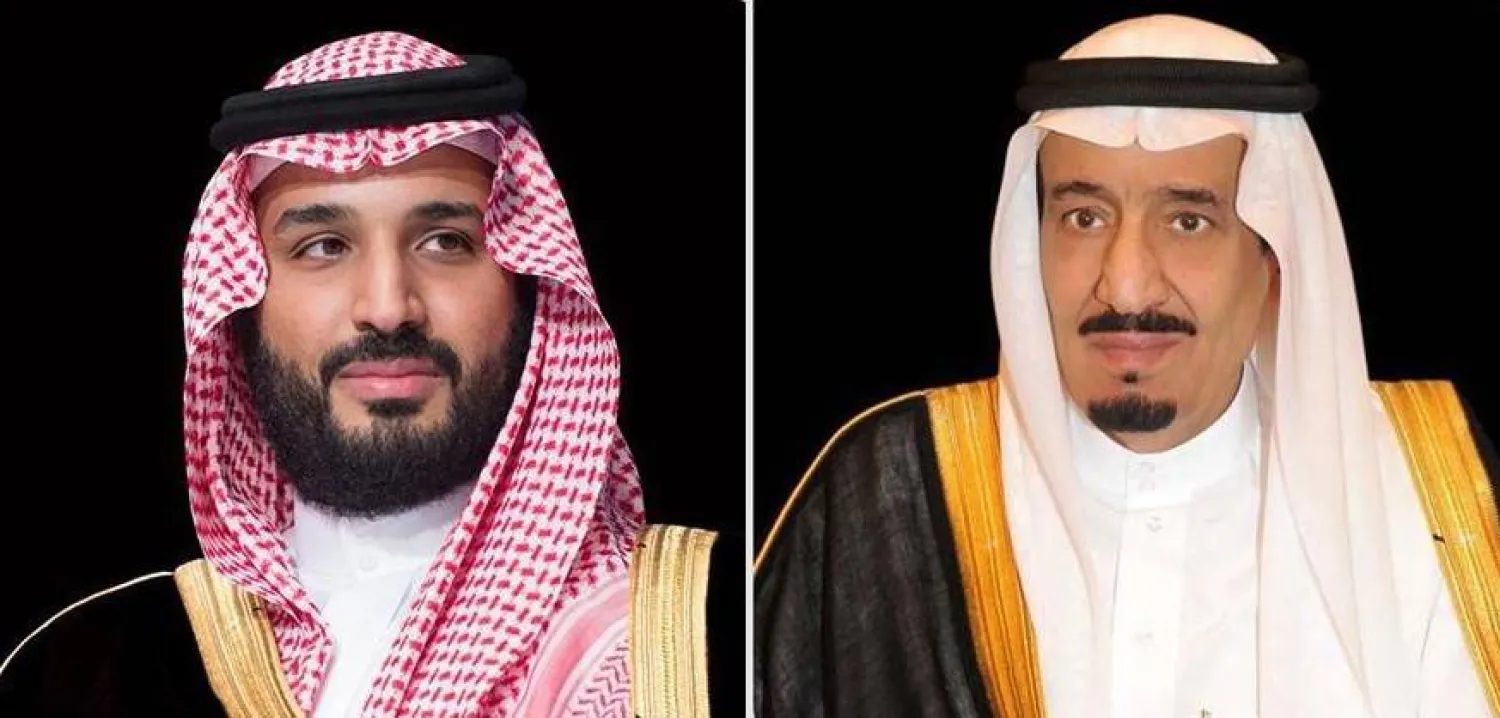
Custodian of the Two Holy Mosques King Salman bin Abdulaziz Al Saud and Prince Mohammed bin Salman bin Abdulaziz Al Saud, Crown Prince and Prime Minister. (SPA)
TT

Saudi Leadership Provides Two Donations Worth SAR150 Mln Through Jood Eskan Platform

Custodian of the Two Holy Mosques King Salman bin Abdulaziz Al Saud and Prince Mohammed bin Salman bin Abdulaziz Al Saud, Crown Prince and Prime Minister. (SPA)

Custodian of the Two Holy Mosques King Salman bin Abdulaziz Al Saud and Prince Mohammed bin Salman bin Abdulaziz Al Saud, Crown Prince and Prime Minister, have provided two generous donations amounting to SAR150 million through the Jood Eskan platform.

The move aligns with the leadership's commitment to supporting all national efforts and initiatives to provide suitable housing for deserving families.

Minister of Municipalities and Housing and Chairman of the Board of Trustees of the Developmental Housing Foundation (Sakan) Majed Al-Hogail expressed his deep gratitude to the leadership for its unwavering support to all national efforts and initiatives aimed at providing suitable housing for eligible families across the Kingdom.

He noted the effective impact of previous generous donations in achieving the goals of housing development, and motivating individuals and institutions to donate through the Jood Eskan platform that is based on community giving that helps provide decent housing and boosts stability and quality of life for deserving families.


Saudi Crown Prince Receives Message on Bilateral Ties from President of Kazakhstan

Prince Mohammed bin Salman bin Abdulaziz Al Saud, Saudi Crown Prince and Prime Minister. (SPA file)
TT

Saudi Crown Prince Receives Message on Bilateral Ties from President of Kazakhstan

Prince Mohammed bin Salman bin Abdulaziz Al Saud, Saudi Crown Prince and Prime Minister. (SPA file)

Prince Mohammed bin Salman bin Abdulaziz Al Saud, Saudi Crown Prince and Prime Minister, received on Tuesday a written message from President of Kazakhstan Kassym-Jomart Tokayev on bilateral relations between their two countries.

The message was received by Minister of Foreign Affairs Prince Faisal bin Farhan bin Abdullah during a meeting with his Kazakh counterpart Yermek Kosherbayev in Riyadh.