


Iraqi Publishing House to Release New Arabic Translation of Patrick Süskind's 'The Pigeon'

Patrick Süskind
Patrick Süskind
TT

Iraqi Publishing House to Release New Arabic Translation of Patrick Süskind's 'The Pigeon'

Patrick Süskind
Patrick Süskind

Iraqi publishing house Dar Al Mada is preparing to release a new Arabic version of Patrick Süskind's famous novel "The Pigeon", translated by Kamiran Hoj. The introduction of the book is written by Iraqi novelist Ali Badr.

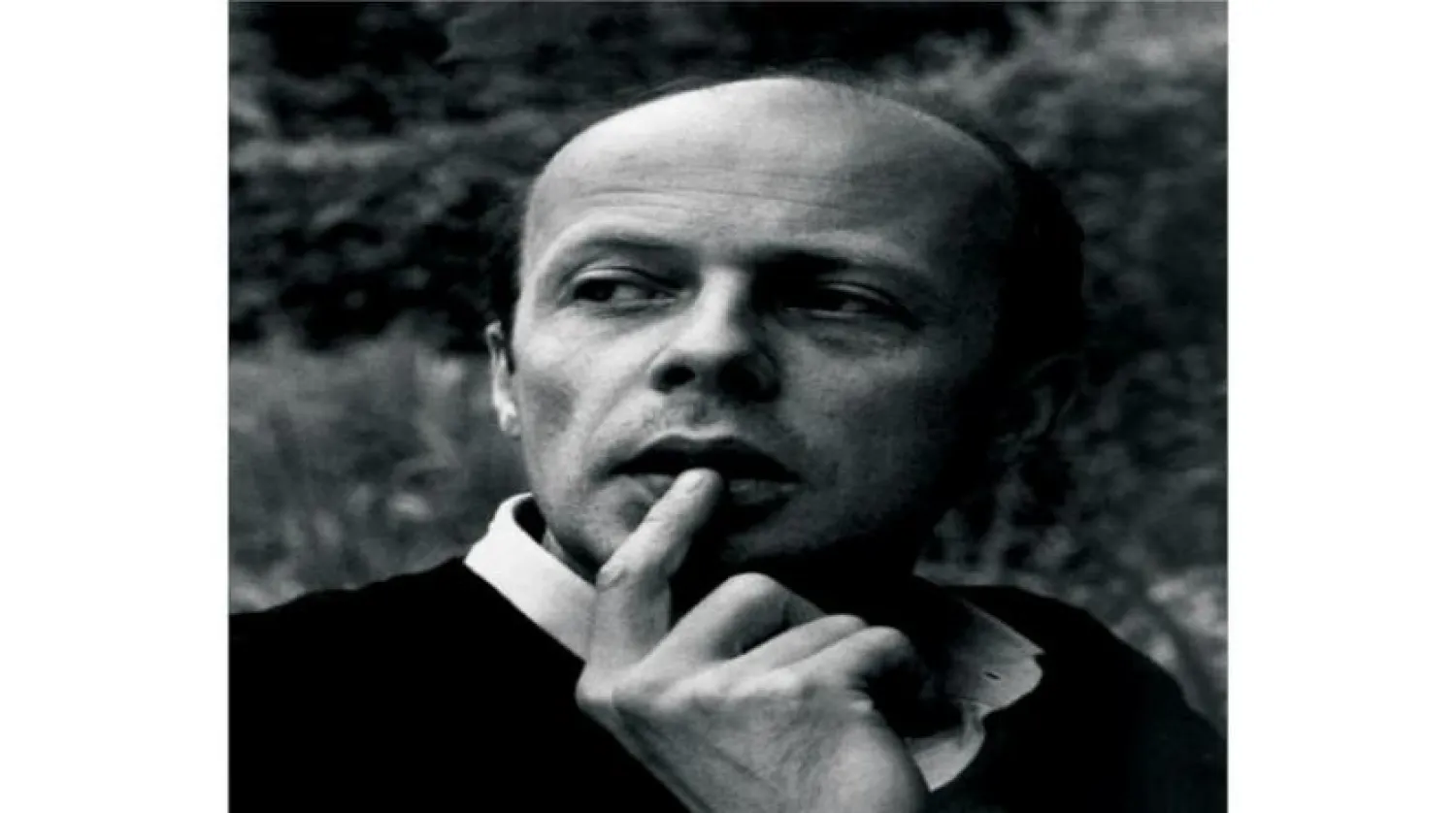
Patrick Süskind has one photo shared in public. It shows a skinny man with handsome features, smart eyes, and a bald patch at the front of his head. No one saw another picture of the writer. Although journalists chased him everywhere, none of them managed to capture a photo of his face or even draw him in a portrait. Süskind made only four interviews in his entire life and refused to appear publicly on TVs or at festivals.

He never received the prizes he won including the best literary work award (France, 1986), the Toucan Prize (1987), and the FAZ-Literaturpreis (1987). He also never attended a show of a movie he wrote, and never signed a book for anyone.

No one knows where he lives or what kind of rituals he practices. The details we usually know about the writers we love are not available in Süskind's case. No one knows his goals, views about major causes, opinions about the writers of his generation, relationships, or family (According to unconfirmed information, Süskind lives in in Munich (Seeheim or Starnberg) or in Montolieu in France.

He has only one friend, the French cartoonist Jean-Jacques Sempé, who drew the images of his novel "The Story of Mr. Sommer." Süskind, in return, translated some of Sempé's works into German. He is reportedly married to Tania Graff and has one child).

He is a hidden, overwhelmed writer who has a dark and honest view he elaborated in the script of his movie "Rossini," which explores the life of a writer who refuses to be paid for transforming his novel into a movie. It is believed that Süskind used this script to talk about himself.

The life of this German writer wasn't ordinary at all. His father is the journalist Wilhelm Emanuel Süskind, and his brother is the well-known journalist Martin E. Süskind. He is also the descendant of the exegete Johann Albrecht. Patrick was born in 1949 in Ambach and grew in Bavaria, in a region currently known as Münsing. He was different from the other members of his family and peers.

He preferred loneliness, and was always preoccupied with reading medieval literature and history. He also studied several Latin languages including French, Spanish, and Greek, in addition to politics and theology.

Süskind suddenly decided to ditch education and wrote his first novel, but his biggest achievement was "The Perfume," a novel he published in 1985. It gained an astounding fame, was translated into 49 languages, and sold around 20 million copies," Badr wrote in the introduction.


Saudi Arabia: King Abdulaziz Library to Launch 26th Free Reading Festival

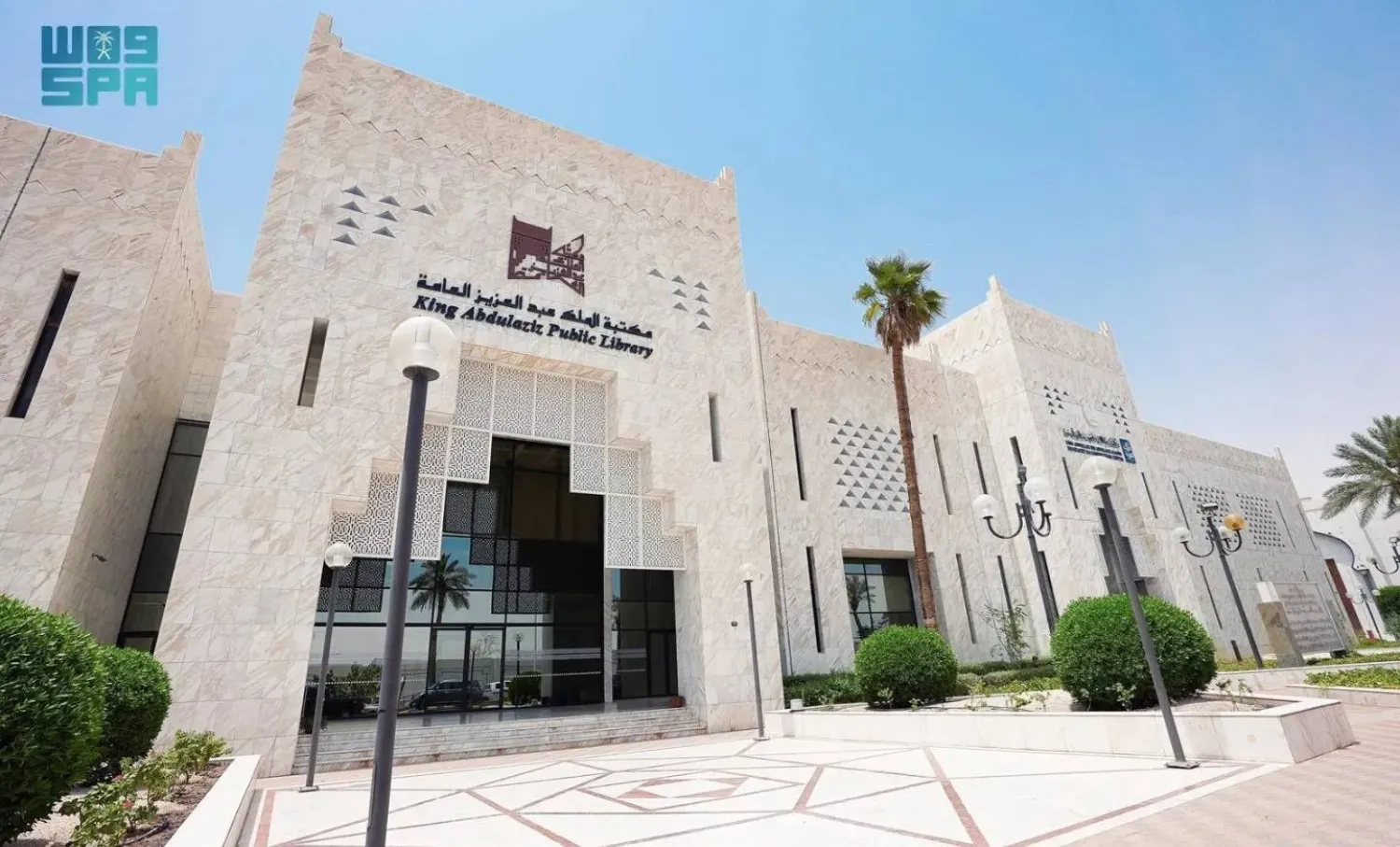
The King Abdulaziz Public Library. SPA
TT

Saudi Arabia: King Abdulaziz Library to Launch 26th Free Reading Festival

The King Abdulaziz Public Library. SPA

The King Abdulaziz Public Library, in cooperation with the Riyadh Education Department, will launch its 26th annual Free Reading Festival for public school students on Sunday.

Running from May 10 to 14 in Riyadh, the festival will bring together more than 100 schools, over 1,550 students, and a number of educators and teachers.

It aims to foster a love of reading and learning, expand students’ literary, scientific, and cultural horizons, and encourage teachers to promote independent reading. It will also provide a platform to showcase student talents and strengthen Arabic language skills.

Through initiatives like this festival, the King Abdulaziz Public Library promotes reading through diverse programs and a wide range of books that foster pride in the Kingdom’s heritage.


Qassim's Monday Market Retains Heritage Role as Economic and Cultural Hub

The Monday market in the governorate of Uyun Al-Jiwa. (SPA)
TT

Qassim's Monday Market Retains Heritage Role as Economic and Cultural Hub

The Monday market in the governorate of Uyun Al-Jiwa. (SPA)

The Monday market in the governorate of Uyun Al-Jiwa, north of Qassim Region, stands as one of the oldest traditional weekly markets, enduring through changing times while maintaining its role as a vibrant economic and cultural hub.

The market draws a growing number of visitors from across Qassim and beyond, supported by the governorate’s strategic location.

During a field tour, the Saudi Press Agency observed lively activity throughout the market, with stalls displaying a diverse range of products. These include agricultural goods such as almonds and dried figs; animal products like ghee and milk, for which the region is renowned; as well as handicrafts and natural items such as henna and sidr.

Visitors noted that the market has retained its authentic character, continuing to serve as a vital source of income for small vendors and families working in the cottage industry, reinforcing its role as a key platform for preserving traditional culture while supporting the local rural economy.


Heritage Commission Revives Al-Nasb Heritage District as Abha Cultural Tourism Destination

The district’s significance lies in its unique architectural composition - SPA
TT

Heritage Commission Revives Al-Nasb Heritage District as Abha Cultural Tourism Destination

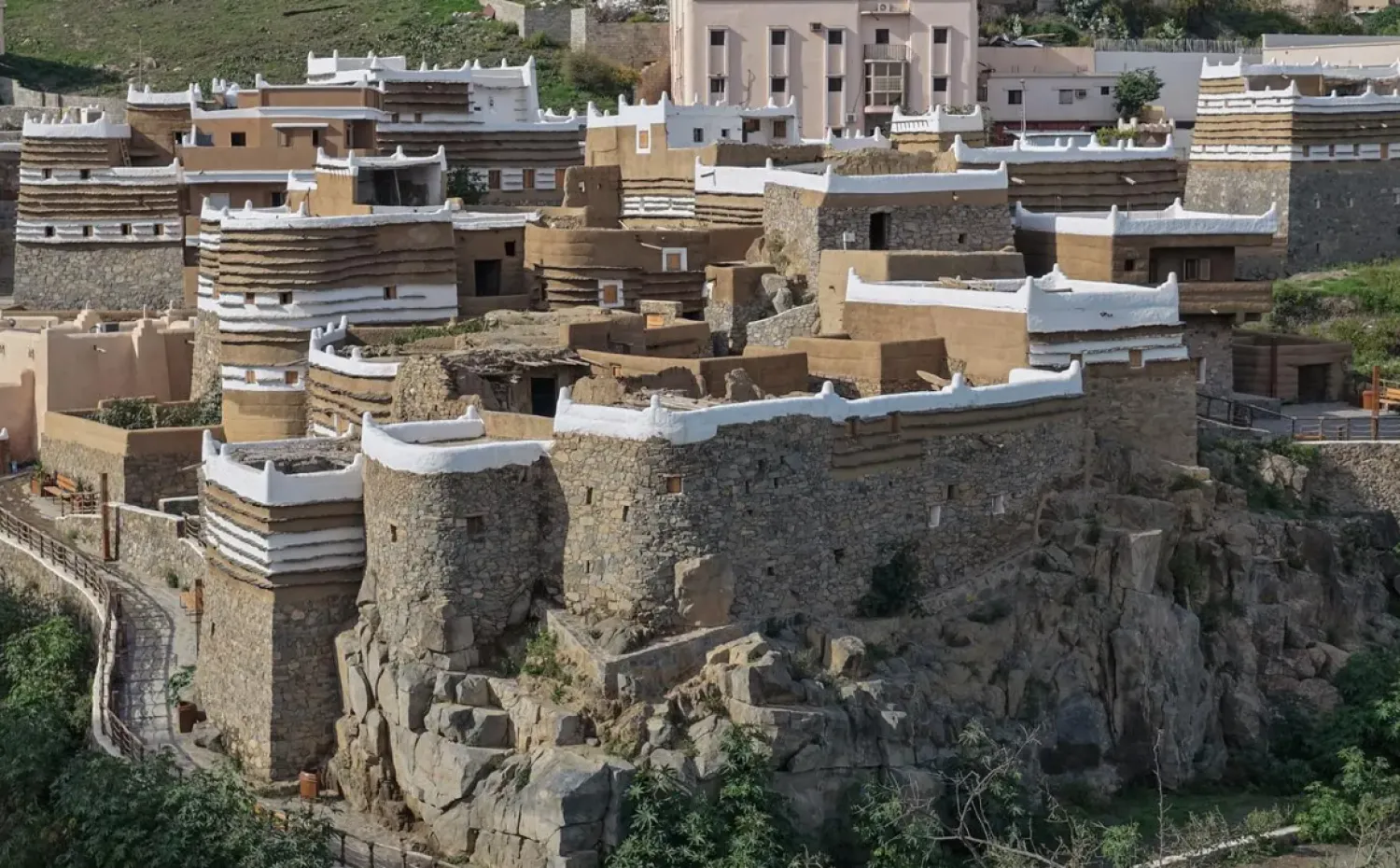
The district’s significance lies in its unique architectural composition - SPA

Al-Nasb Heritage District in Abha is one of the most prominent living examples of traditional architecture in Aseer Region, preserving its long history and architectural details that embody people’s connection to their local environment and document the social and cultural patterns that have shaped the identity of the place across generations.

The district’s significance lies in its unique architectural composition, where mud and stone buildings stand side by side in visual harmony. They were built using local materials such as stone, clay, and juniper trunks, while the narrow alleyways and closely set buildings give the district a cohesive social character that reflects the spirit of past communities in the region and the close relationship between people and place.

The Heritage Commission has revived the district through an integrated restoration and rehabilitation project aimed at preserving its original elements and enhancing its sustainability, as part of national efforts to protect urban heritage and highlight it as a cultural and tourism asset, SPA reported.

The site is also distinguished by its natural setting, as the district overlooks the banks of Abha Valley and surrounding farms, giving it a distinctive visual and aesthetic dimension. Its narrow passageways and closely set buildings illustrate a traditional urban pattern that strengthens ties among residents and captures the nature of social life in that era.

The district is now a growing destination for culture and tourism in Abha, attracting visitors and heritage enthusiasts who come to explore the details of authentic architecture and learn about the traditional ways of life that have shaped Aseer Region’s identity across generations. The project helps raise awareness of the importance of preserving archaeological sites as a key pillar in forming national memory.

The project is part of the Kingdom’s efforts to protect and effectively manage cultural heritage, in line with the targets of Saudi Vision 2030, which gives special attention to the cultural sector. It seeks to turn heritage sites into vibrant spaces that support cultural tourism and sustainable development while reconnecting society with its historical roots.