


Iraqi Publishing House to Release New Arabic Translation of Patrick Süskind's 'The Pigeon'

Patrick Süskind
Patrick Süskind
TT

Iraqi Publishing House to Release New Arabic Translation of Patrick Süskind's 'The Pigeon'

Patrick Süskind
Patrick Süskind

Iraqi publishing house Dar Al Mada is preparing to release a new Arabic version of Patrick Süskind's famous novel "The Pigeon", translated by Kamiran Hoj. The introduction of the book is written by Iraqi novelist Ali Badr.

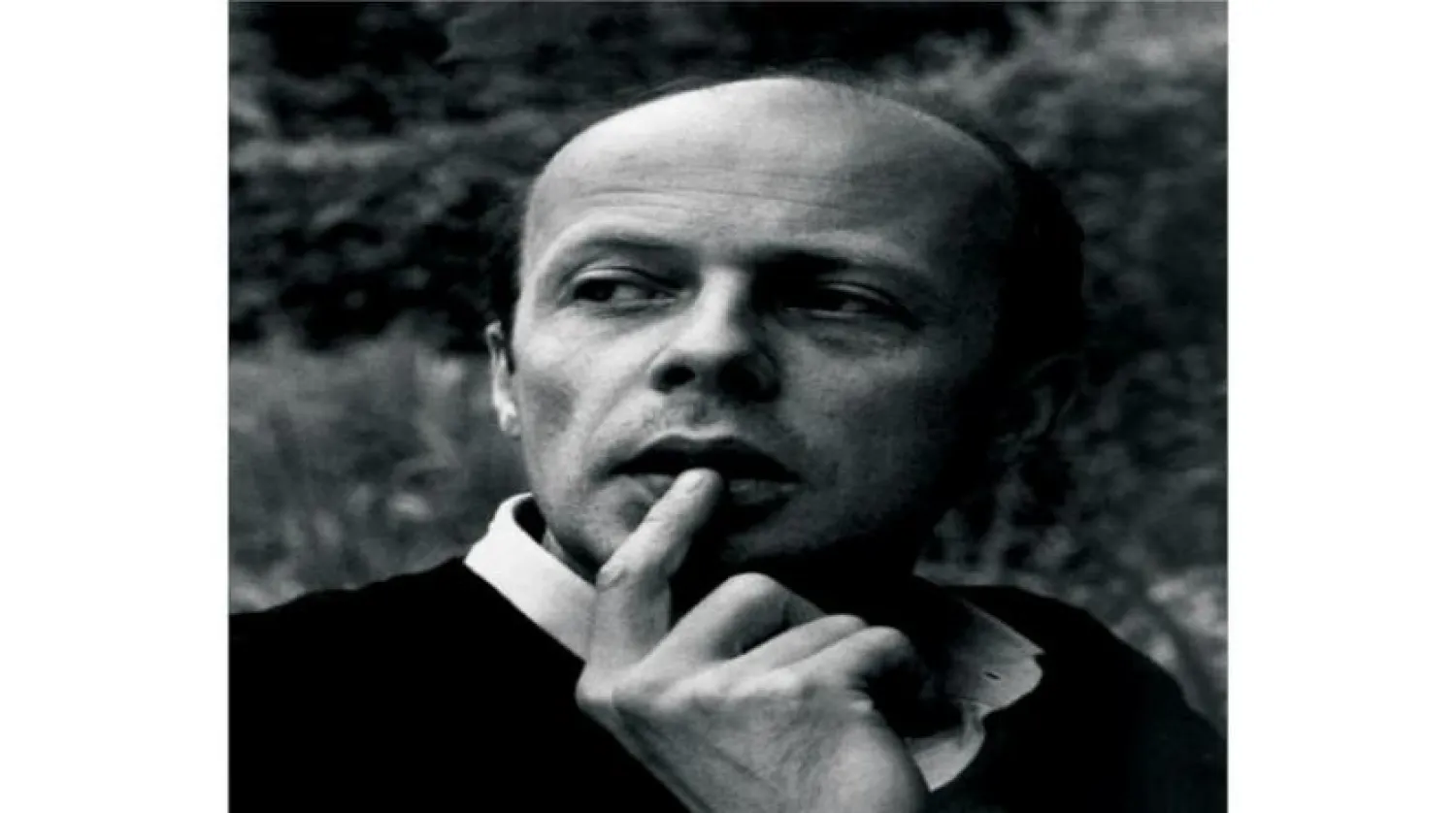
Patrick Süskind has one photo shared in public. It shows a skinny man with handsome features, smart eyes, and a bald patch at the front of his head. No one saw another picture of the writer. Although journalists chased him everywhere, none of them managed to capture a photo of his face or even draw him in a portrait. Süskind made only four interviews in his entire life and refused to appear publicly on TVs or at festivals.

He never received the prizes he won including the best literary work award (France, 1986), the Toucan Prize (1987), and the FAZ-Literaturpreis (1987). He also never attended a show of a movie he wrote, and never signed a book for anyone.

No one knows where he lives or what kind of rituals he practices. The details we usually know about the writers we love are not available in Süskind's case. No one knows his goals, views about major causes, opinions about the writers of his generation, relationships, or family (According to unconfirmed information, Süskind lives in in Munich (Seeheim or Starnberg) or in Montolieu in France.

He has only one friend, the French cartoonist Jean-Jacques Sempé, who drew the images of his novel "The Story of Mr. Sommer." Süskind, in return, translated some of Sempé's works into German. He is reportedly married to Tania Graff and has one child).

He is a hidden, overwhelmed writer who has a dark and honest view he elaborated in the script of his movie "Rossini," which explores the life of a writer who refuses to be paid for transforming his novel into a movie. It is believed that Süskind used this script to talk about himself.

The life of this German writer wasn't ordinary at all. His father is the journalist Wilhelm Emanuel Süskind, and his brother is the well-known journalist Martin E. Süskind. He is also the descendant of the exegete Johann Albrecht. Patrick was born in 1949 in Ambach and grew in Bavaria, in a region currently known as Münsing. He was different from the other members of his family and peers.

He preferred loneliness, and was always preoccupied with reading medieval literature and history. He also studied several Latin languages including French, Spanish, and Greek, in addition to politics and theology.

Süskind suddenly decided to ditch education and wrote his first novel, but his biggest achievement was "The Perfume," a novel he published in 1985. It gained an astounding fame, was translated into 49 languages, and sold around 20 million copies," Badr wrote in the introduction.



Saudi Culture Ministry Concludes Intangible Cultural Heritage Documentation Project in Al-Ahsa

Saudi Culture Ministry Concludes Intangible Cultural Heritage Documentation Project in Al-Ahsa
TT

Saudi Culture Ministry Concludes Intangible Cultural Heritage Documentation Project in Al-Ahsa

Saudi Culture Ministry Concludes Intangible Cultural Heritage Documentation Project in Al-Ahsa

The Saudi Ministry of Culture concluded the project to survey, document, and archive intangible cultural heritage in Al-Ahsa Governorate by holding a workshop in the governorate, attended by stakeholders and relevant entities, as part of the ministry’s efforts to preserve national cultural heritage and strengthen Saudi cultural identity, reported the Saudi Press Agency on Thursday.

The project included a field survey covering various cities and villages across Al-Ahsa, during which diverse elements of intangible cultural heritage were identified and documented. These included oral traditions, performing arts, skills associated with traditional cultural crafts, social practices, and knowledge related to nature and the local environment.

The work was carried out in cooperation with concerned entities, specialized experts, and local practitioners.

The workshop reviewed the project’s final outcomes and presented reports on documentation and digital archiving activities.

It discussed mechanisms to ensure the sustainability of these efforts and the transmission of this cultural legacy to future generations, contributing to greater community awareness of the value and importance of intangible cultural heritage.


Hail Region Pavilion Showcases Heritage Artifacts at Camel Festival

The pavilion aims to connect visitors to Hail's history and social legacy - SPA
TT

Hail Region Pavilion Showcases Heritage Artifacts at Camel Festival

The pavilion aims to connect visitors to Hail's history and social legacy - SPA

Hail Region pavilion at the Ministry of Interior’s Security Oasis exhibition, part of the 10th King Abdulaziz Camel Festival in Al-Sayahid, features heritage artifacts that reflect the region's renowned hospitality.

The display includes ancient trays and copperware from nearly seventy years ago.

According to SPA, these traditional food preparation and serving vessels have garnered significant interest from visitors. They document daily life in old Hail and its deep-rooted social traditions, particularly in gatherings and special occasions.

The pavilion aims to connect visitors to Hail's history and social legacy, fostering appreciation for national heritage and ensuring cultural preservation for future generations.


Visitors Explore Saudi ID History at King Abdulaziz Camel Festival

The agency is presenting examples of national ID cards and how these documents have evolved - SPA
TT

Visitors Explore Saudi ID History at King Abdulaziz Camel Festival

The agency is presenting examples of national ID cards and how these documents have evolved - SPA

The Civil Affairs Agency is displaying historical documents, including the earliest official identification papers issued to citizens, at the 10th King Abdulaziz Camel Festival in Al-Sayahid, north of Riyadh.

As part of the Ministry of Interior’s Security Oasis exhibition, the agency is presenting examples of national ID cards and other official documents, highlighting how these documents have evolved, SPA reported.

Visitors can also see how old or damaged documents are carefully restored and repaired using advanced technologies and specialized equipment.