



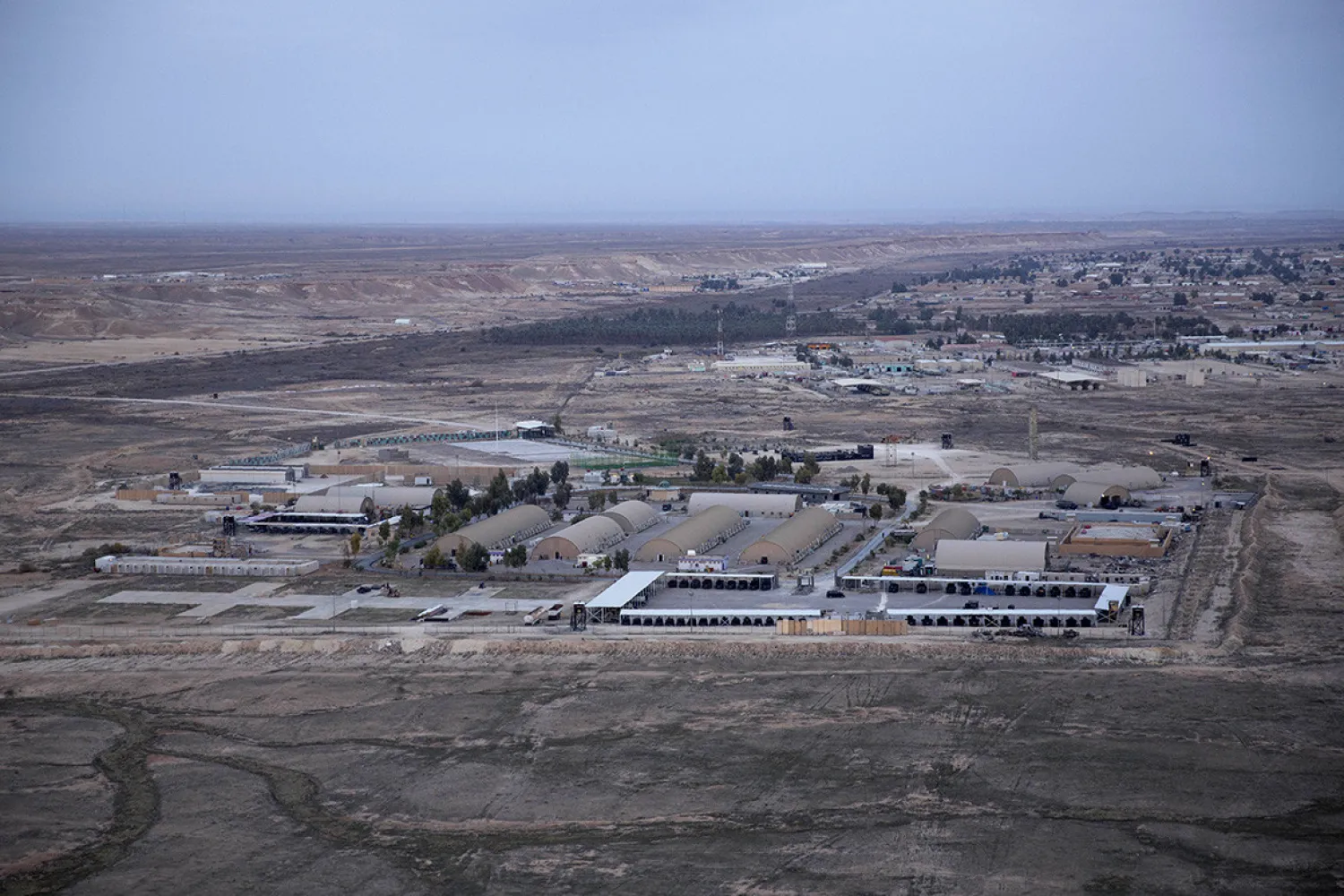

The United Nations said Thursday it was concerned about the increased frequency of attacks launched by the Iran-backed Shiite militias in Iraq.
On March 3, 10 Iranian-made 122mm rockets struck Ain al-Asad airbase in western Anbar province, marking the fourth rocket attack on US targets in Iraq since February 15.
The Kataib Sayyid al-Shuhada, a Shiite militant organization operating in Syria and Iraq, denied having any links to the attacks.
In return, White House Press Secretary Jen Psaki said the US is still assessing the impact of this latest rocket attack, including determining precise attribution. “What we won’t do is make a hasty or ill-informed decision that further escalates the decision or plays into the hands of our adversaries. If we assess that further response is warranted, we will take action, again, in a manner and time of our choosing. And we reserve that option,” she said.
The US did not accuse any particulate party of standing behind the attack.
But on Thursday, Politico wrote that US and Iraqi officials believe that an Iran-backed group with a history of targeting Americans in Iraq was responsible for Wednesday's attack on an Iraqi airbase that hosts US troops.
The officials believe that Kataib Hezbollah or an affiliated group was responsible, according to two defense officials familiar with early intelligence.
In Iraq, the spokesman for the Joint Operations Command, Major General Tahseen Al-Khafaji, announced Thursday that some details of the missile attacks are difficult to reveal to the media. Al-Khafaji said in a televised statement: "The vehicle from which the missiles were launched is about 10 km from Ain Al-Asad base." He added that those who stand behind the bombing will not be able to convey negative messages about Iraq. "The joint operations have entered into a phase of securing the Pope's visit, adding that reinforcements have been sent to all the places that the Pope will visit,” the spokesman added.
Meanwhile, US intelligence reports stated that Washington intends to deploy an air defense system of the "Avenger" in Syria and Iraq, to counter drones. The reports quoted experts as saying that the short-range air defense missile system is the best readily available system to protect US forces in Syria and Iraq from the increasing threat posed by drones.


